Marsa vs St. Paul's Bay
Side-by-side comparison of property prices, lifestyle, and practical info to help you choose the right area.
Summary
Marsa scores 9/10 for transport as a major bus corridor, sits just 10 minutes from Malta International Airport by car, and offers some of the island's lowest property prices. However, it rates just 1/10 for nightlife, 2/10 for beaches, and 3/10 for dining due to its industrial port surroundings, power station, and truck traffic. St. Paul's Bay rates 7/10 for beaches, 7/10 for family-friendliness, and 8/10 for safety, with a population of 25,700 compared to Marsa's 4,500. It provides coastal promenades, the Malta National Aquarium, and waterfront dining, though reaching the airport takes 30 minutes by car versus Marsa's 10 minutes.
Marsa's ample parking and direct bus links to Mater Dei hospital and the University of Malta make it practical for commuters and workers needing central access. St. Paul's Bay serves retirees and year-round residents with its established community infrastructure, including healthcare, schools, and the Cirkewwa ferry terminal to Gozo 20 minutes north.
Living in Marsa
Marsa sits at the inner end of the Grand Harbour — a flat, industrial zone where Malta's main port facilities, power station, and horse-racing track cluster around a creek that once served as a Roman harbour. The name means 'harbour' in Arabic, and the area has served as a port facility for over 2,000 years. Marsa is not a residential destination — it's a working zone. The container terminal, ship repair yards, and industrial estates dominate the landscape. A small residential community lives in the older streets near the parish church, but most of Marsa's daily population consists of workers, truck drivers, and port employees. Property in Marsa exists but is limited. The few residential properties available are very affordable, though the industrial surroundings make this a niche choice. Malta's only horse-racing track, the Marsa Sports Club, is a major draw — racing days bring thousands of visitors to an otherwise industrial area.
Highlights
- Malta's main container port
- Marsa horse-racing track — Malta's only racecourse
- Roman harbour site with 2,000 years of maritime history
- Very affordable residential property
- Malta's power station location
Living in St. Paul's Bay
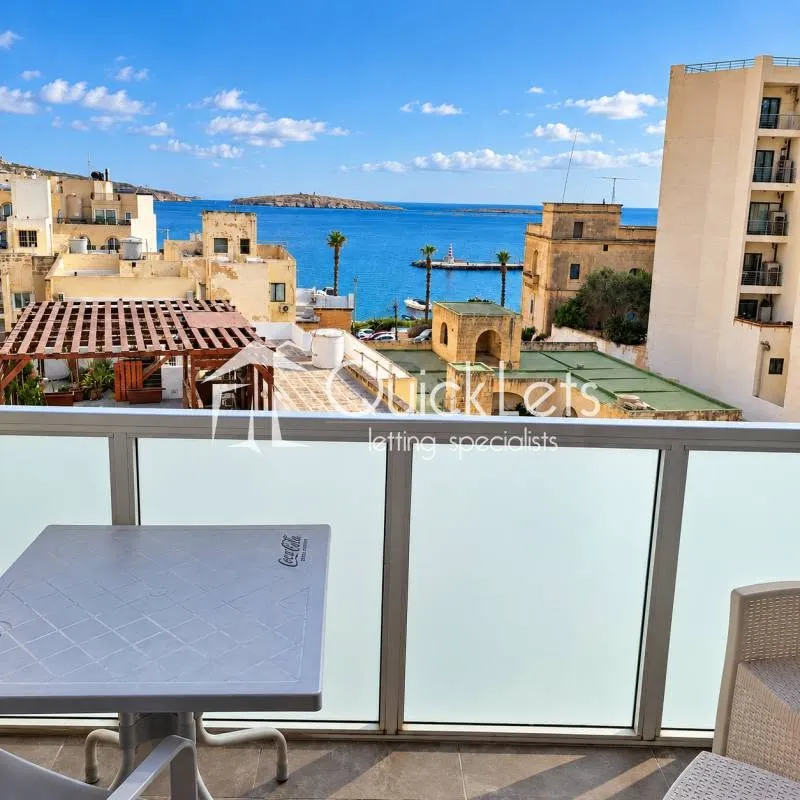
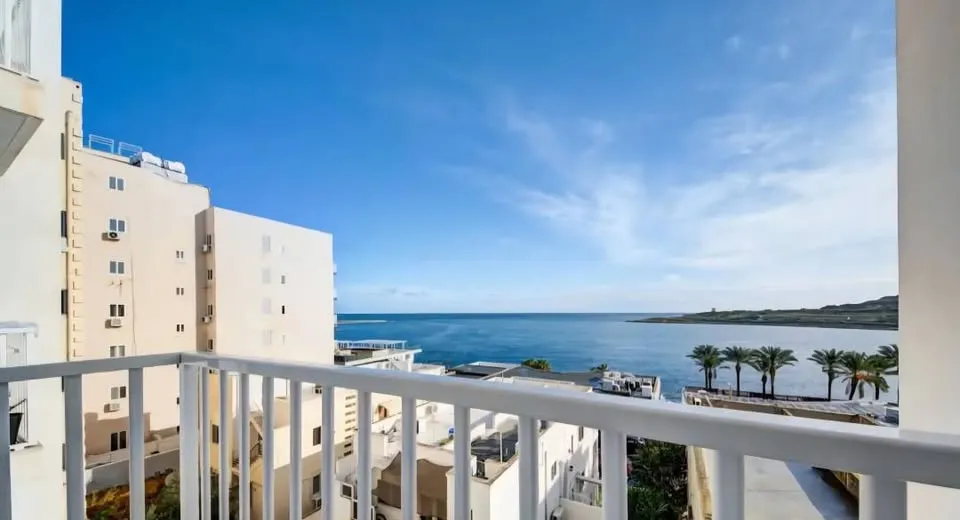
St. Paul's Bay is Malta's largest northern coastal town — a sprawling stretch of shoreline that encompasses the old fishing village of Xemxija, the tourist strips of Bugibba and Qawra, and the residential community of Burmarrad inland. According to the Bible, St. Paul was shipwrecked here in AD 60, an event that brought Christianity to Malta and gave the area its name. The town has grown explosively over the past two decades, transforming from a quiet seasonal resort into a year-round community of over 25,000 residents. Retired British expats, Maltese families priced out of the central coast, and a growing number of foreign workers have all settled here, drawn by coastal living at more manageable prices than Sliema or St. Julian's. The waterfront is the town's main asset — a long promenade connecting the old fisherman's quay to Bugibba's square to Qawra's rocky beaches. The Malta National Aquarium sits at the Bugibba end, and the Xemxija Heritage Walk traces ancient cart ruts and Roman roads into the hills. Properties range from modern seafront apartments to older terraced houses inland, with prices significantly below the central coast.
Highlights
- Malta's largest coastal town by population
- Biblical shipwreck site of St. Paul
- Malta National Aquarium at Bugibba
- Rocky beaches and coastal promenade
- More affordable than the central coast
Lifestyle Comparison
Which Area Is Right For You?
Choose Marsa
Marsa comes out ahead in transport .
Choose St. Paul's Bay
St. Paul's Bay comes out ahead in dining, family, safety, beaches, nightlife .
Frequently Asked Questions
Available Properties
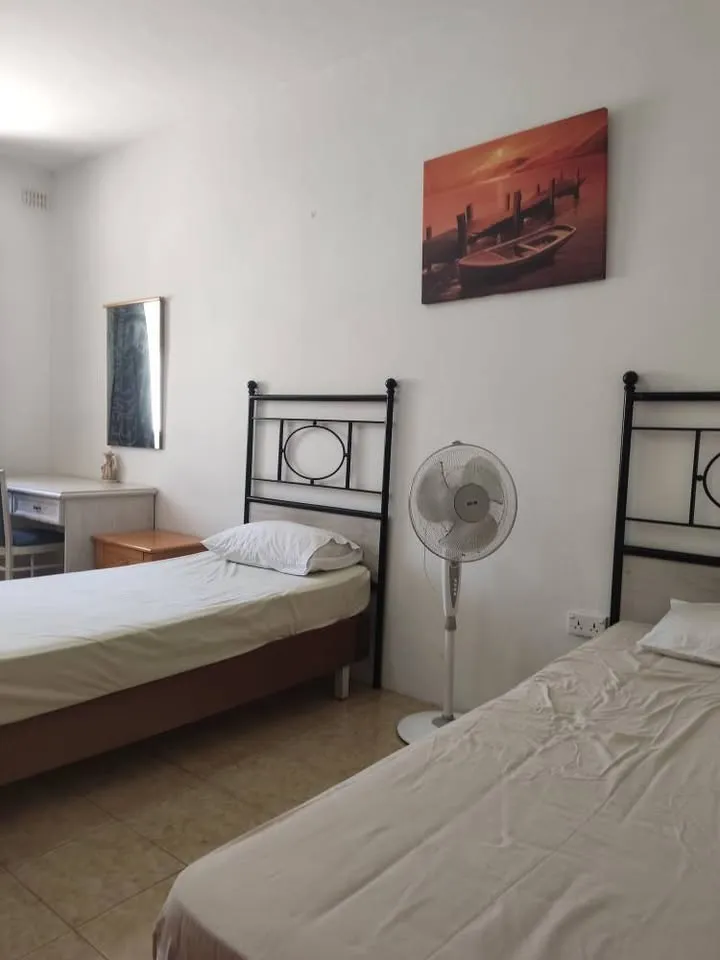
St. Paul's Bay (57 listings)
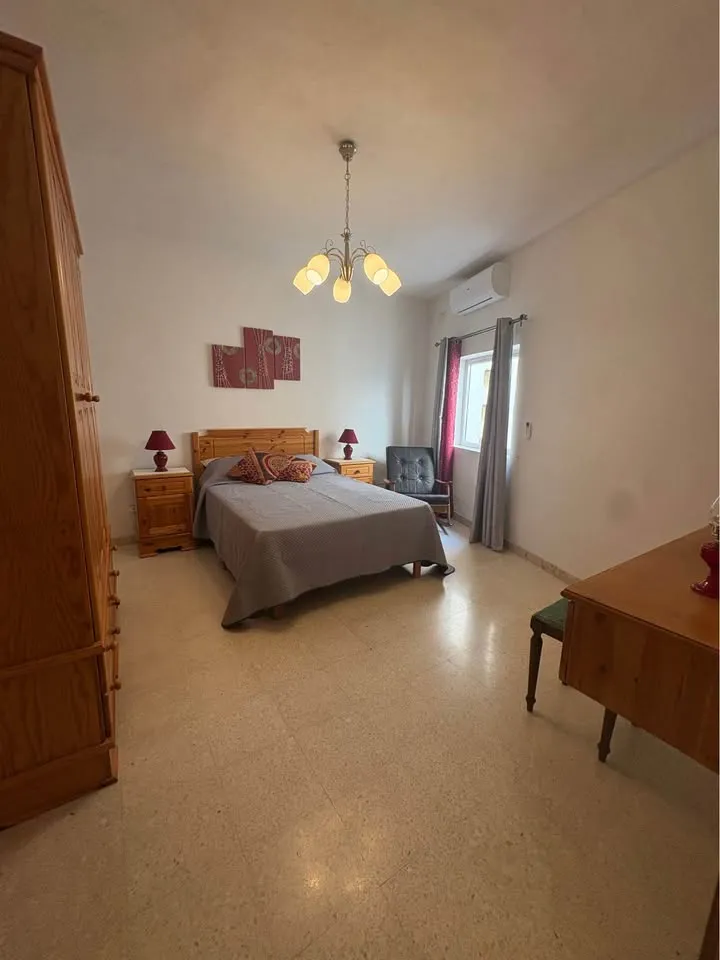
Qawra - two bedrooms and one bathroom apartment
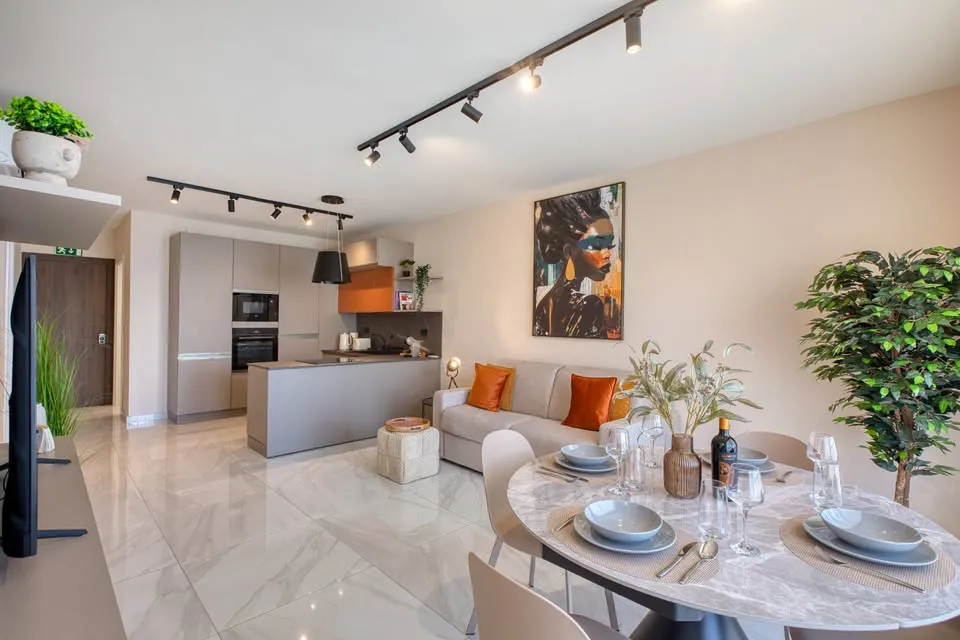
Brand new 2 Bedroom, 2 bathroom Apartment
SEA VIEW !! 2 Bedroom 2 bathroom