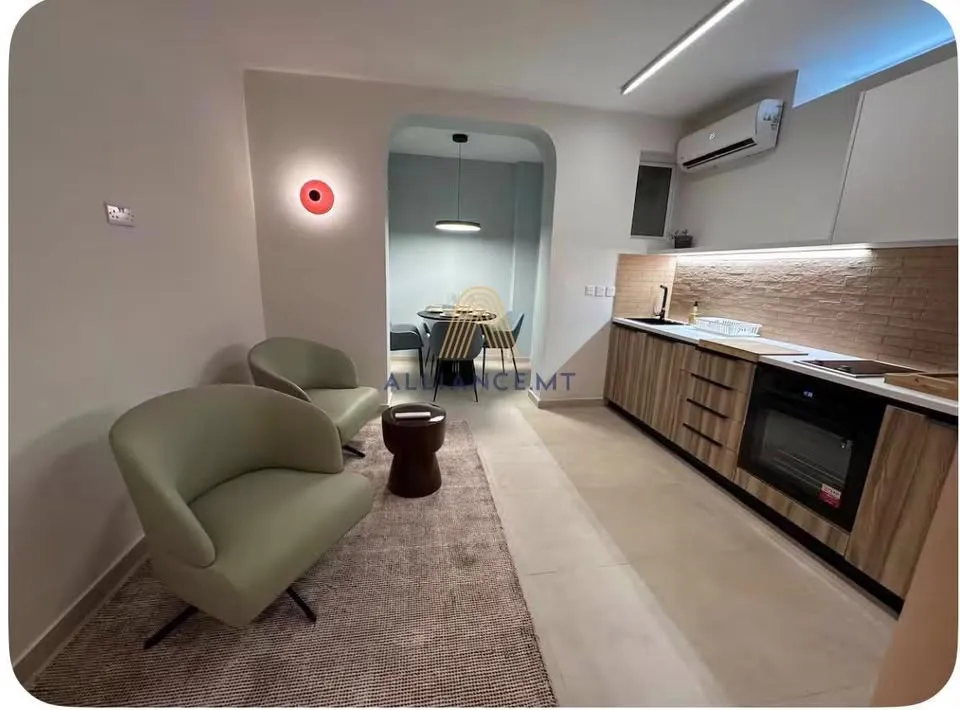
Marsaskala vs Pembroke
Side-by-side comparison of property prices, lifestyle, and practical info to help you choose the right area.
Summary
Living in Marsaskala
Marsaskala is Malta's southeastern seaside town — a former fishing village that grew into a residential community with a seafront promenade, a string of restaurants, and a loyal local following. The name means 'Siqalli's harbour' in Arabic, a reference to a Sicilian merchant who once operated from the bay, and fishing boats still bob in the harbour alongside pleasure craft. The town wraps around a sheltered bay, with a promenade that runs the length of the waterfront connecting restaurants, cafes, and swimming spots. St. Thomas Bay, on the eastern edge, is one of Malta's quieter swimming areas — a stretch of sand and rocks with shallow water that's popular with families. The surrounding coastline is rugged and undeveloped compared to the northern resorts, with walking trails along the cliff tops toward Zonqor Point. Marsaskala has become increasingly popular with young families and first-time buyers priced out of the central and northern coast. Property here is significantly more affordable than Sliema or St. Julian's, and you get the seafront lifestyle without the premium. The town has all essential amenities — supermarkets, pharmacies, schools — but lacks the commercial density of larger towns. A car is recommended for commuting, though buses connect to Valletta in about 30 minutes.
Highlights
- Sheltered bay with fishing boats and waterfront restaurants
- St. Thomas Bay — quieter swimming beach
- Significantly more affordable than northern coastal areas
- Growing family-oriented community
- Cliff-top walking trails along undeveloped coastline
Living in Pembroke
Pembroke is one of Malta's newest towns, built on land that served as a British military base from the 1860s until the navy left in 1979. Named after the 12th Earl of Pembroke, the area still bears visible traces of its military past — coastal fortifications, Victorian-era barracks, and gun emplacements that once guarded the approach to the Grand Harbour. The town has developed rapidly since the 1990s into a residential area popular with middle-class Maltese families and expat professionals. The housing stock is predominantly modern apartment blocks and terraced houses, with some newer villa developments on the eastern edge. Pembroke's big advantage is greenspace — the town sits adjacent to the Pembroke Garigue Nature Reserve, a protected area of rocky coastline and wild garigue habitat that's one of the few remaining natural spaces in urban Malta. Pembroke occupies a strategic position between St. Julian's and the northern coast. It's close enough to Paceville and Sliema to benefit from their amenities but far enough to escape the noise and congestion. Property prices sit in the mid-range — above the southern towns but below the premium coastal strip.
Highlights
- Pembroke Garigue Nature Reserve — protected coastline
- Former British military base with Victorian fortifications
- Mid-range property between St. Julian's and the north
- Popular with families and expat professionals
- Greenspace rare in this part of Malta
Lifestyle Comparison
Which Area Is Right For You?
Choose Marsaskala
Marsaskala comes out ahead in dining, nightlife .
Choose Pembroke
Pembroke comes out ahead in transport .
Frequently Asked Questions
Available Properties
Marsaskala (11 listings)
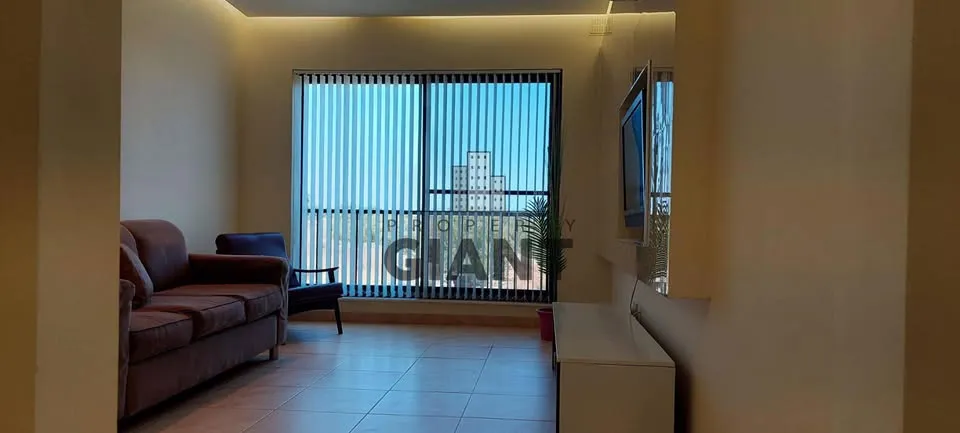
Modern 3-Bedroom Apartment in Marsaskala
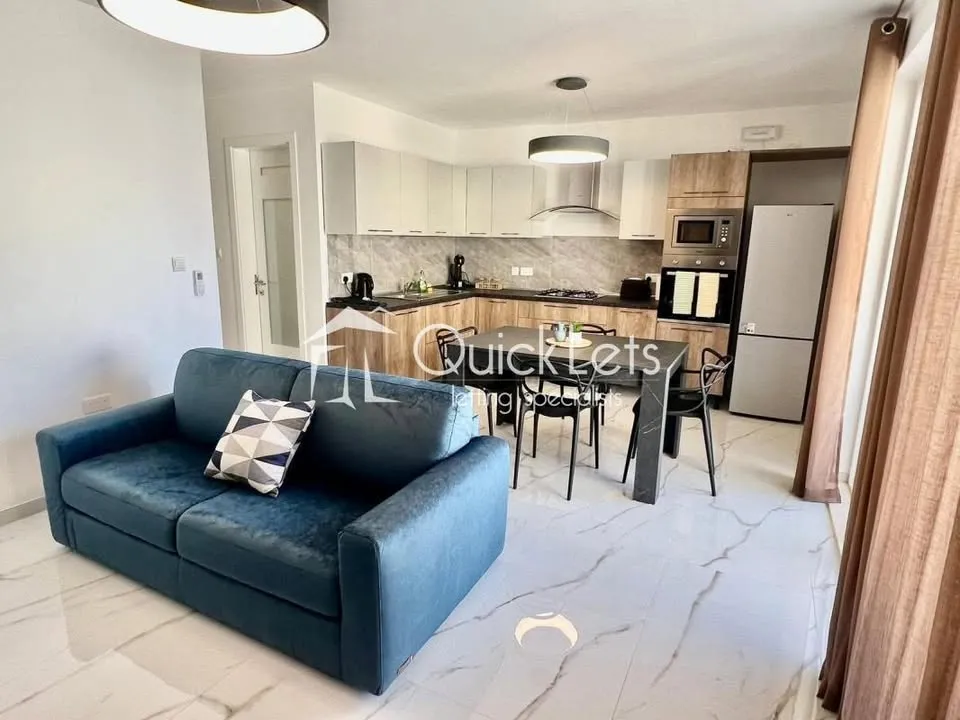
2-Bedroom Apartment – Marsaskala
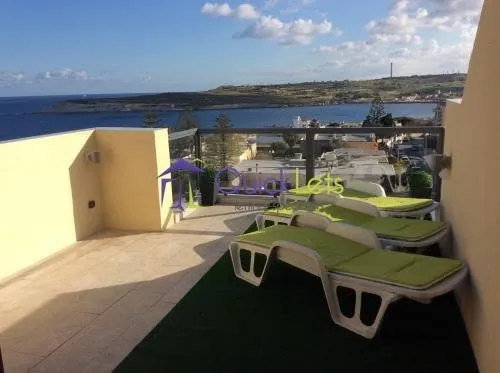
2 bedroom Penthouse in Marsaskala
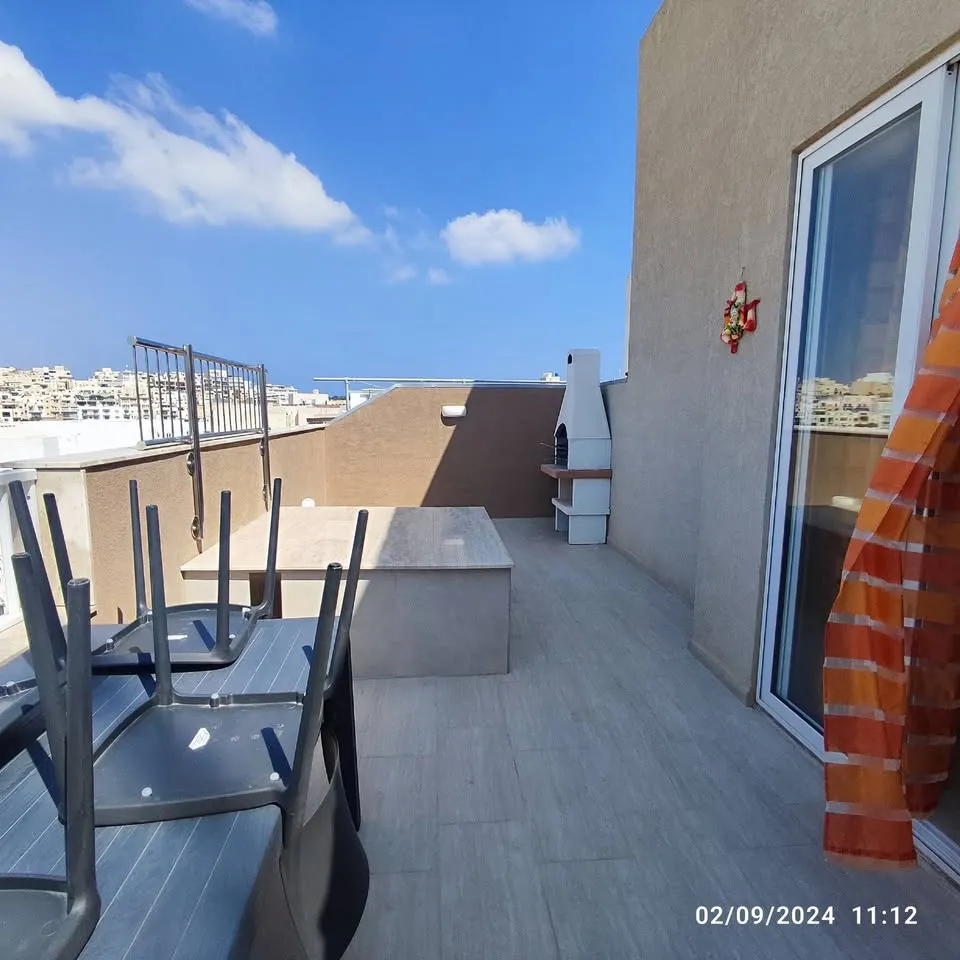
Penthouse for Rent in Marsaskala
Pembroke (6 listings)
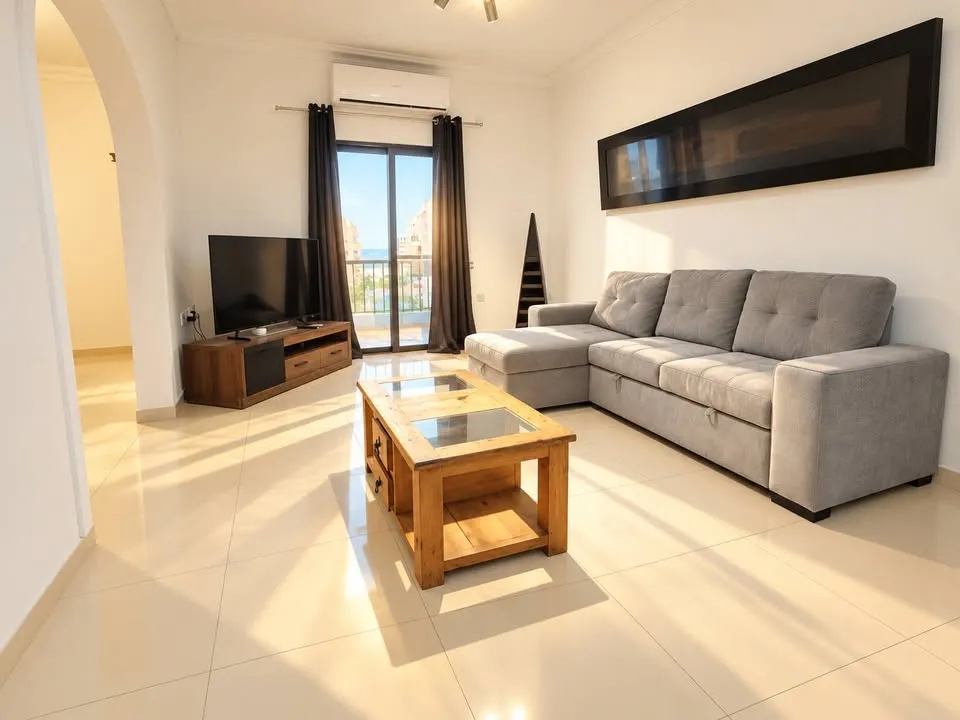
For Rent in Pembroke
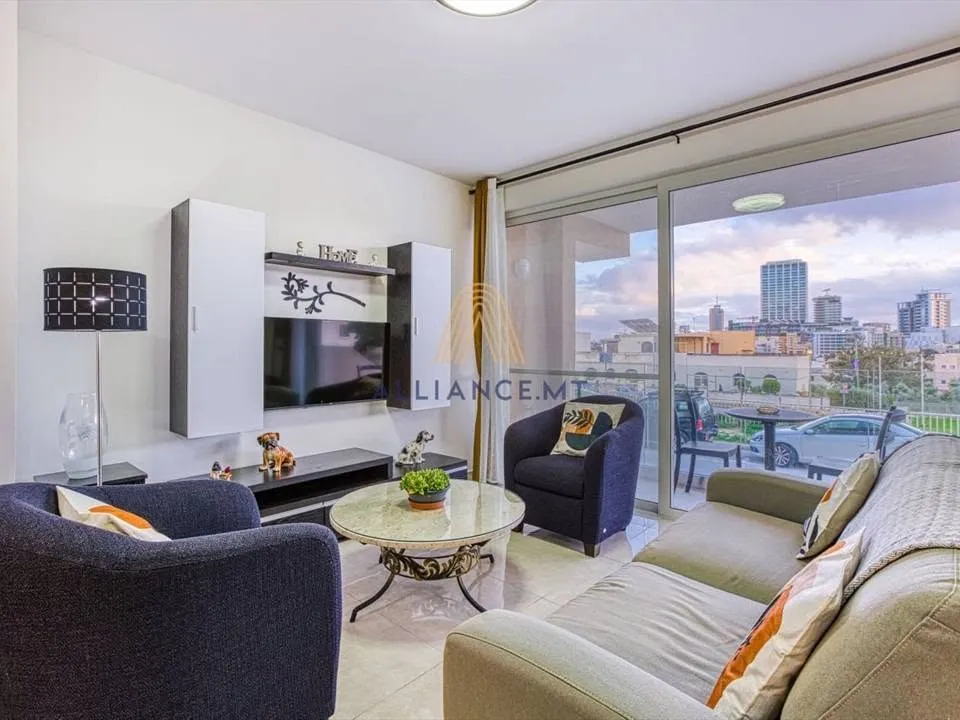
Property in Pembroke, Reġjun tal-Lvant
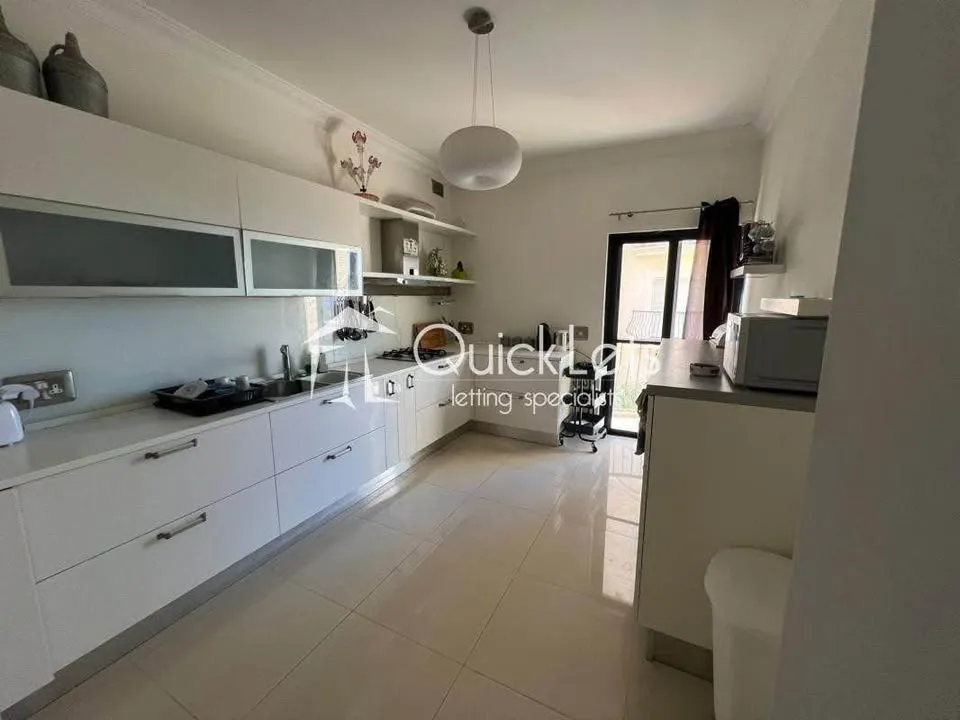
2 Bedrooms in Pembroke, Malta