Marsaxlokk vs Mdina
Side-by-side comparison of property prices, lifestyle, and practical info to help you choose the right area.
Summary
Living in Marsaxlokk
Marsaxlokk is Malta's most photographed fishing village — a crescent harbour filled with traditional luzzu boats painted in bright blues, reds, and yellows, each bearing the Eye of Osiris on the bow to ward off evil. The Sunday fish market draws visitors from across the island, and waterfront restaurants serve the freshest seafood in Malta directly off the boats. Despite its tourist appeal, Marsaxlokk remains a working fishing port. It's the largest fishing harbour in Malta, and the community of full-time fishermen who operate from here are among the last traditional seafarers on the island. The village clusters around the harbour in a single sweep of pastel-coloured houses, backed by low hills that shelter the bay from prevailing winds. Living in Marsaxlokk is a lifestyle choice rather than a practical one. Properties are predominantly traditional village houses, and the pace of life is slow. Tourists flood the waterfront on Sundays but the village is quiet the rest of the week. The south-facing position means Marsaxlokk gets the full Mediterranean sun but is exposed to the hot, humid xlokk wind that gives the village its name.
Highlights
- Colourful luzzu fishing boats with Eyes of Osiris
- Famous Sunday fish market
- Best seafood restaurants in Malta
- Working fishing harbour — not just tourist scenery
- Classic Mediterranean village atmosphere
Living in Mdina
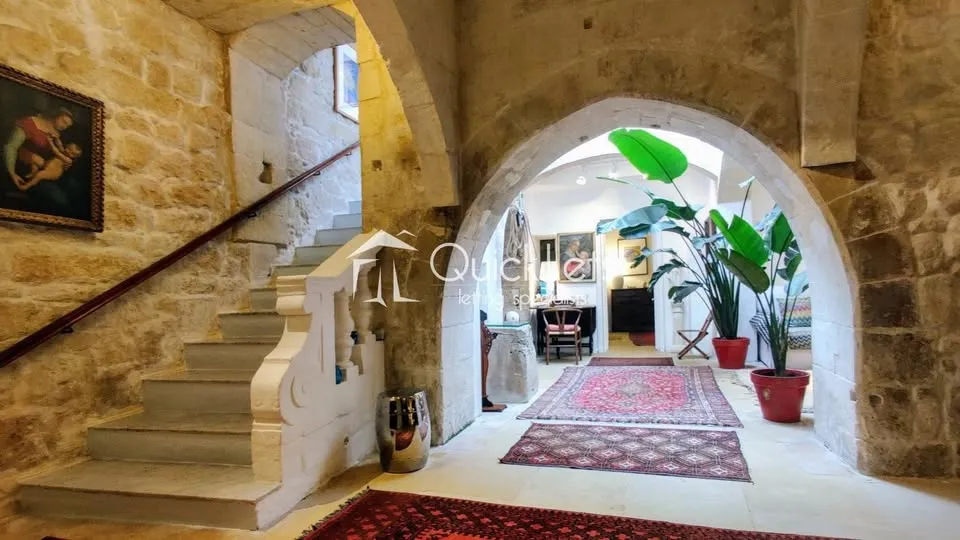
Mdina is the Silent City — a walled medieval citadel on a hilltop in central Malta where cars are banned, tourists whisper, and the only sound is the click of footsteps on golden limestone. Home to fewer than 300 residents, it is one of Europe's smallest inhabited cities and arguably its most atmospheric. The city's history predates the Knights of St. John by centuries. Originally a Phoenician settlement, then a Roman city, then the Arab capital of Malta, Mdina has layer upon layer of history compressed into its tiny footprint. The narrow streets are deliberately non-linear — a defensive trick to confuse invaders, now a maze that delights visitors. Palaces line every alley, many still privately owned by Maltese noble families who've held them for generations. Property in Mdina is rare and tightly regulated. The few apartments and townhouses that come up for sale are heritage-listed, requiring strict adherence to conservation rules. Buyers are getting a piece of history — original stone arches, tiled floors, and walls thick enough to withstand cannon fire. It's not for everyone: no parking, limited amenities, and constant tourist foot traffic. But for a small number of buyers, the chance to live in an 8,000-year-old fortress city is worth every restriction.
Highlights
- Cars banned — one of Europe's few car-free cities
- Fewer than 300 residents in an 8,000-year-old city
- St. Paul's Cathedral — baroque masterpiece
- Panoramic views from the city bastions
- Featured as King's Landing in Game of Thrones Season 1
Lifestyle Comparison
Which Area Is Right For You?
Choose Marsaxlokk
Marsaxlokk comes out ahead in dining, family, beaches .
Choose Mdina
Mdina comes out ahead in safety .