Mdina vs Mellieha
Side-by-side comparison of property prices, lifestyle, and practical info to help you choose the right area.
Summary
Living in Mdina
Mdina is the Silent City — a walled medieval citadel on a hilltop in central Malta where cars are banned, tourists whisper, and the only sound is the click of footsteps on golden limestone. Home to fewer than 300 residents, it is one of Europe's smallest inhabited cities and arguably its most atmospheric. The city's history predates the Knights of St. John by centuries. Originally a Phoenician settlement, then a Roman city, then the Arab capital of Malta, Mdina has layer upon layer of history compressed into its tiny footprint. The narrow streets are deliberately non-linear — a defensive trick to confuse invaders, now a maze that delights visitors. Palaces line every alley, many still privately owned by Maltese noble families who've held them for generations. Property in Mdina is rare and tightly regulated. The few apartments and townhouses that come up for sale are heritage-listed, requiring strict adherence to conservation rules. Buyers are getting a piece of history — original stone arches, tiled floors, and walls thick enough to withstand cannon fire. It's not for everyone: no parking, limited amenities, and constant tourist foot traffic. But for a small number of buyers, the chance to live in an 8,000-year-old fortress city is worth every restriction.
Highlights
- Cars banned — one of Europe's few car-free cities
- Fewer than 300 residents in an 8,000-year-old city
- St. Paul's Cathedral — baroque masterpiece
- Panoramic views from the city bastions
- Featured as King's Landing in Game of Thrones Season 1
Living in Mellieha
Mellieha is where Malta goes to the beach. Perched on a hilltop in the far north of the island, the town overlooks Mellieha Bay — the largest sandy beach in Malta and the reason this area became a tourism hotspot. The bay stretches for nearly a kilometre of golden sand with shallow, warm water that makes it the top choice for families with children. The town itself has a slower, more rural character than the congested central coast. Mellieha's old core is a network of steep streets anchored by the Sanctuary of Our Lady of Mellieha, a pilgrimage site said to contain a fresco painted by St. Luke. The newer developments spread down the hillside toward the beach, a mix of apartment blocks, holiday lets, and villa communities — particularly the Santa Maria Estate, one of Malta's most sought-after residential addresses. Life in Mellieha revolves around the seasons. Summers bring an influx of tourists and a vibrant beach-town atmosphere. Winters are quiet — almost too quiet for some, with many businesses closing and the population settling back to its resident core. The trade-off is space: Mellieha offers larger properties, gardens, and sea views that would cost multiples more in Sliema or St. Julian's.
Highlights
- Mellieha Bay — Malta's longest sandy beach
- Santa Maria Estate — exclusive villa community
- Cirkewwa ferry terminal for Gozo trips
- Diving and water sports hub
- More space and larger properties than central Malta
Lifestyle Comparison
Which Area Is Right For You?
Choose Mdina
Mdina comes out ahead in dining, safety .
Choose Mellieha
Mellieha comes out ahead in family, beaches, nightlife, transport .
Frequently Asked Questions
Available Properties
Mdina (1 listings)
View all Mdina properties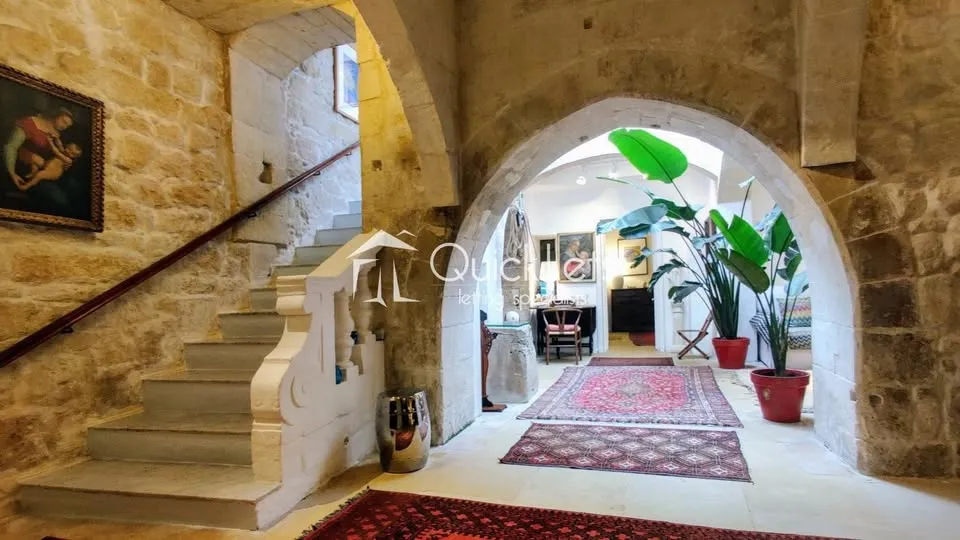
Mellieha (9 listings)
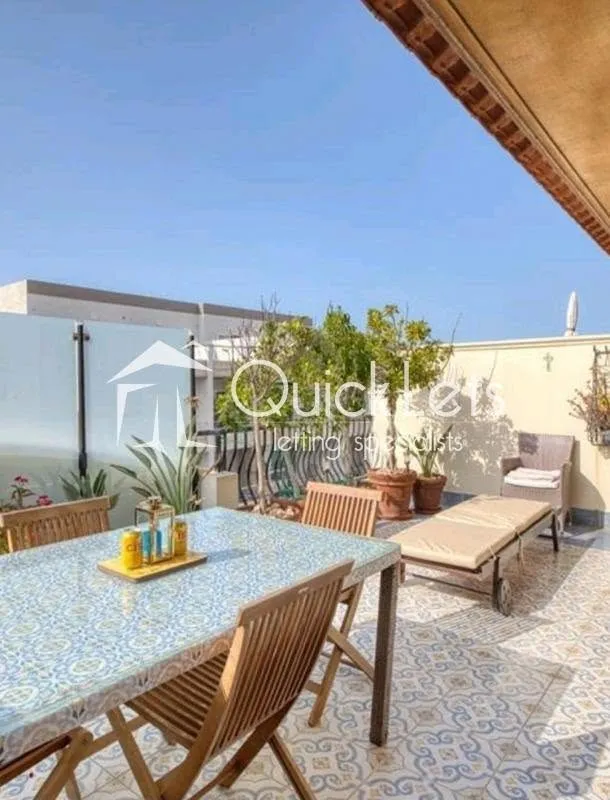
Modern Penthouse in Mellieħa
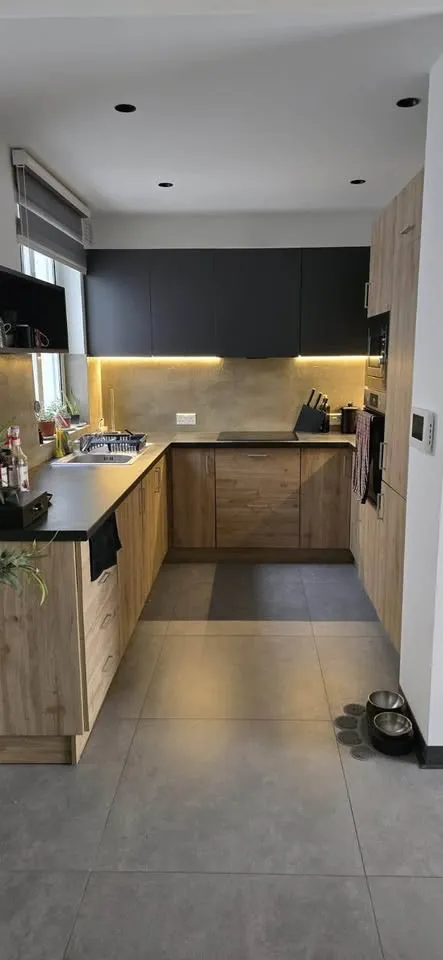
3 bedroom flat for rent in mellieħa
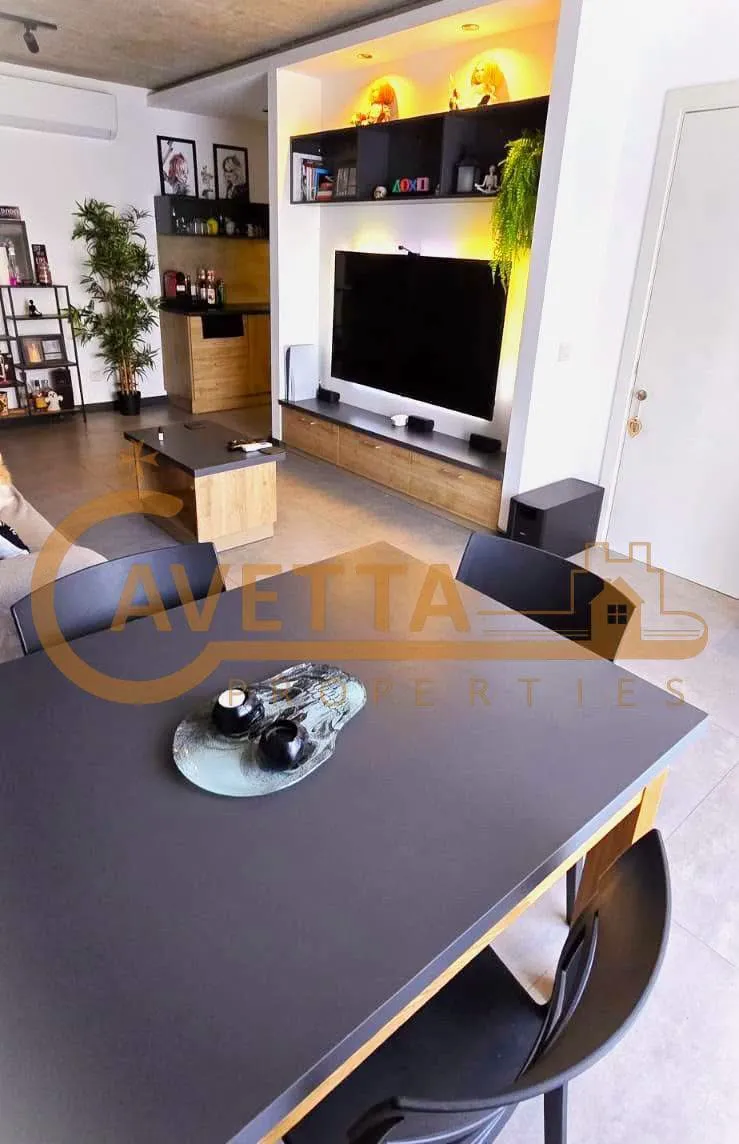
Mellieha Apartment