Mdina vs Msida
Side-by-side comparison of property prices, lifestyle, and practical info to help you choose the right area.
Summary
Mdina houses just 245 residents inside a car-free medieval citadel, scoring a perfect 10 for safety and 7 for dining. The trade-off is limited nightlife (2/10), strict conservation rules on properties, and dependence on adjacent Rabat for daily shopping. Mdina sits 25 minutes from the airport by car, with bus routes 51 and 52 connecting through Rabat.
Msida's population of 9,500 centres around the University of Malta, creating strong student rental demand and a vibrant atmosphere. It scores 10/10 for transport thanks to a major bus interchange serving routes across Malta, and reaches the airport in just 15 minutes by car. Parking is notoriously difficult and noise levels run high during term time. Property prices sit below neighbouring Sliema and Gzira, making Msida a practical choice for buyers prioritising connectivity over character.
Living in Mdina
Mdina is the Silent City — a walled medieval citadel on a hilltop in central Malta where cars are banned, tourists whisper, and the only sound is the click of footsteps on golden limestone. Home to fewer than 300 residents, it is one of Europe's smallest inhabited cities and arguably its most atmospheric. The city's history predates the Knights of St. John by centuries. Originally a Phoenician settlement, then a Roman city, then the Arab capital of Malta, Mdina has layer upon layer of history compressed into its tiny footprint. The narrow streets are deliberately non-linear — a defensive trick to confuse invaders, now a maze that delights visitors. Palaces line every alley, many still privately owned by Maltese noble families who've held them for generations. Property in Mdina is rare and tightly regulated. The few apartments and townhouses that come up for sale are heritage-listed, requiring strict adherence to conservation rules. Buyers are getting a piece of history — original stone arches, tiled floors, and walls thick enough to withstand cannon fire. It's not for everyone: no parking, limited amenities, and constant tourist foot traffic. But for a small number of buyers, the chance to live in an 8,000-year-old fortress city is worth every restriction.
Highlights
- Cars banned — one of Europe's few car-free cities
- Fewer than 300 residents in an 8,000-year-old city
- St. Paul's Cathedral — baroque masterpiece
- Panoramic views from the city bastions
- Featured as King's Landing in Game of Thrones Season 1
Living in Msida
Msida is a compact harbour-side town that serves as one of Malta's key transport nodes — the junction where routes from the north, south, and centre converge on their way to Valletta. The University of Malta campus sits at the top of the hill, making Msida the natural base for Malta's 12,000-strong student population. The town clusters around a small marina and a busy junction that's both Msida's lifeblood and its curse — it connects everything but traffic backs up at peak hours to legendary proportions. A flood relief project recently converted the main road from a chronic flooding zone (Msida sits at the bottom of a natural valley) into a more manageable thoroughfare, though the town still feels more functional than charming. Property in Msida is driven by student demand. Rental apartments near the university command consistent yields, and the area is popular with young professionals who work in the nearby hospital or in Valletta. Prices sit below Sliema and Gzira but above the southern towns. It's a practical choice — not a lifestyle one.
Highlights
- University of Malta campus
- Strong student rental market
- Key transport junction for the whole island
- Marina and waterfront
- More affordable than Sliema and Gzira
Lifestyle Comparison
Which Area Is Right For You?
Choose Mdina
Mdina comes out ahead in dining, safety, beaches .
Choose Msida
Msida comes out ahead in nightlife, transport .
Frequently Asked Questions
Available Properties
Mdina (1 listings)
View all Mdina properties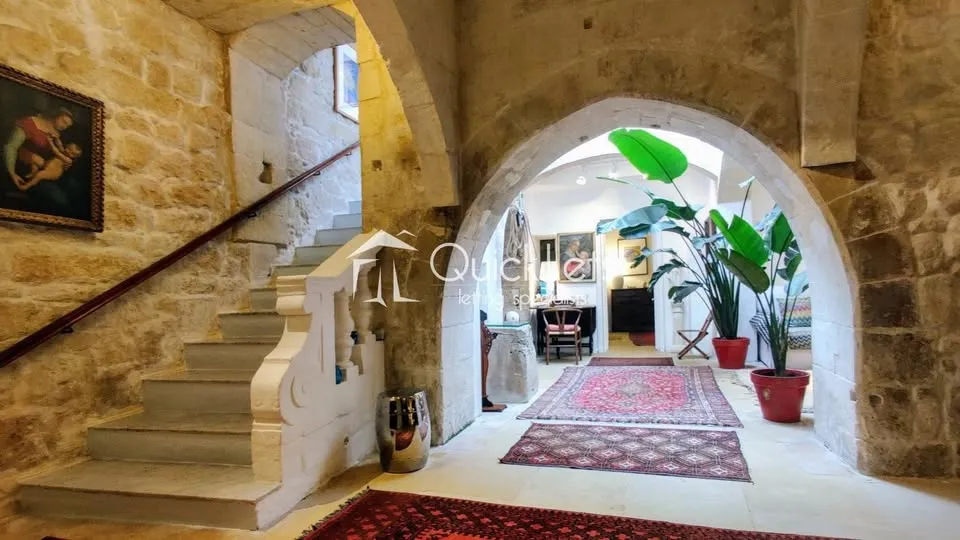
Msida (8 listings)
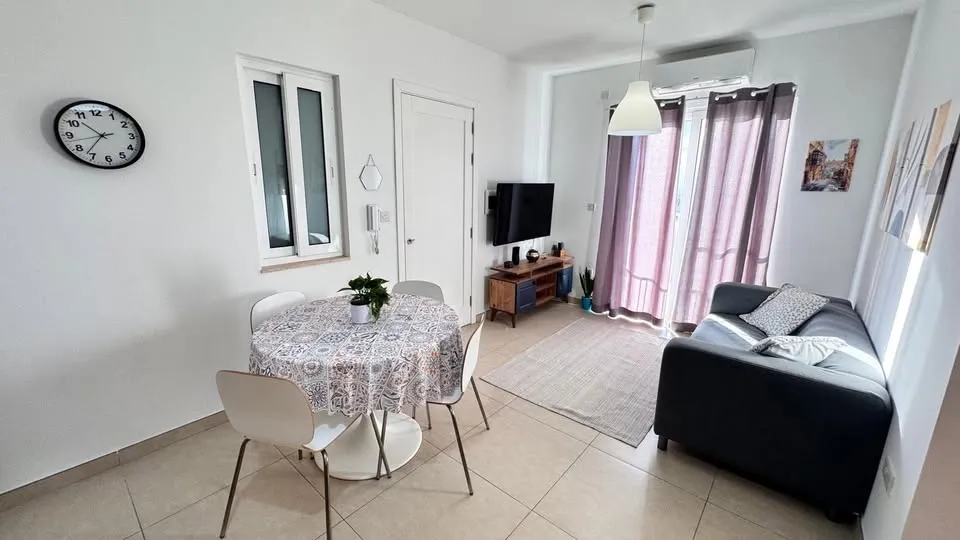
Apartment in Msida
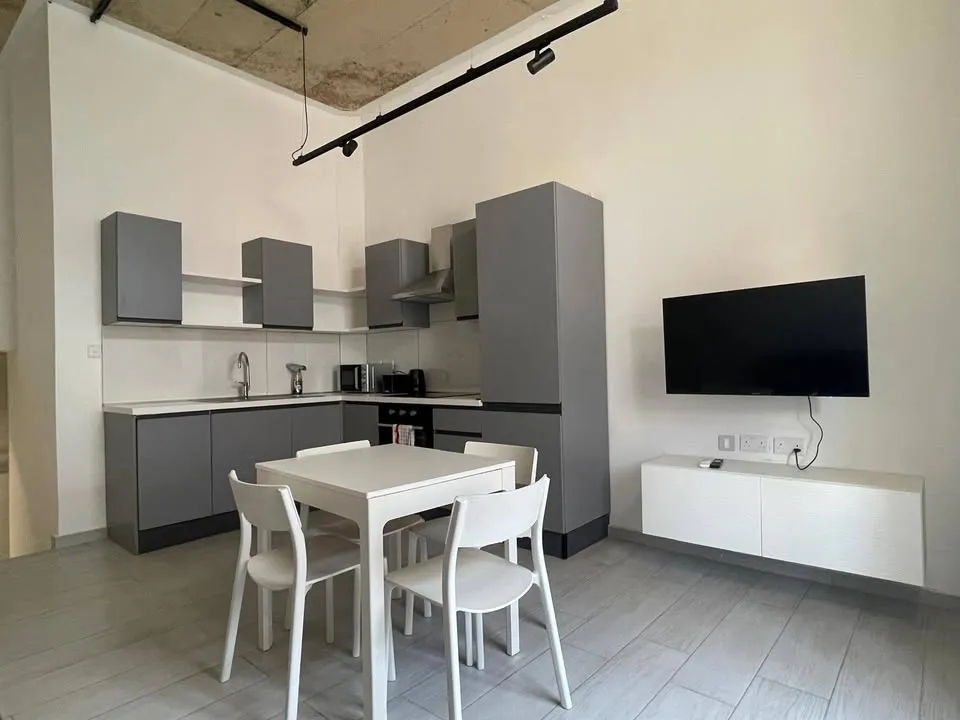
MSIDA/TA XBIEX MODERN NEW APARTMENT
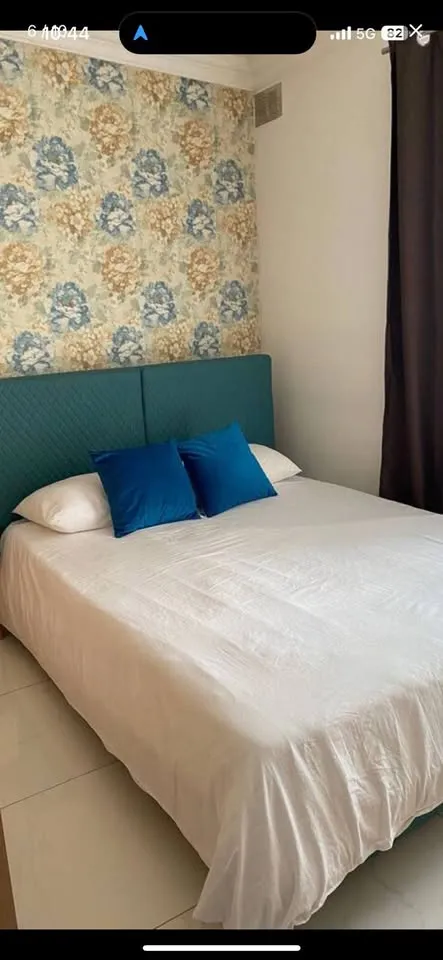
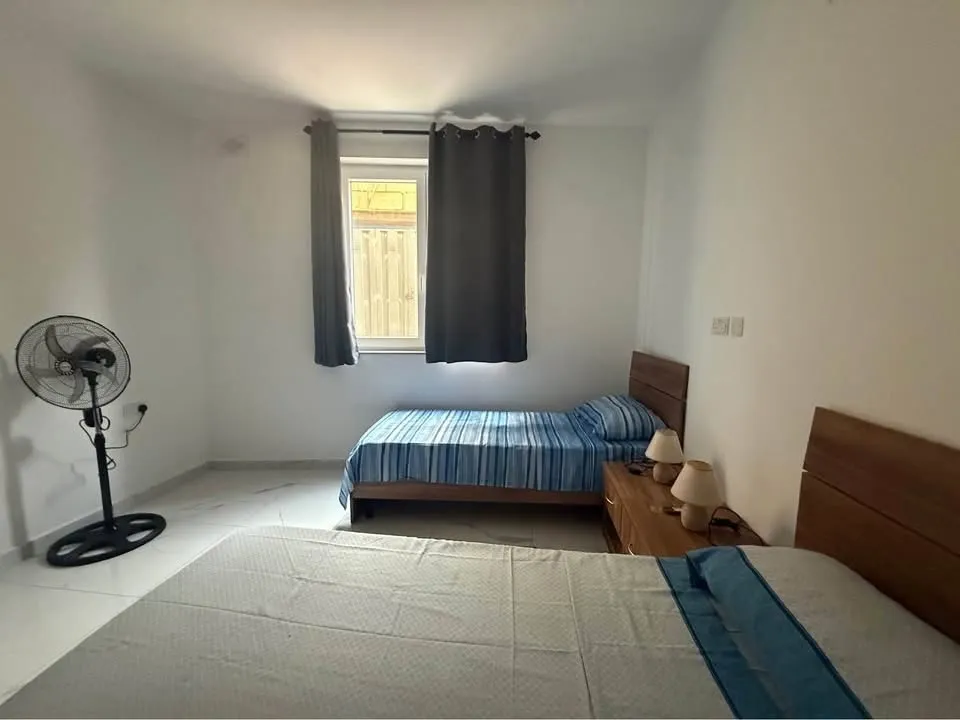
Spacious 2-Bedroom Apartment in Msida