Mdina vs Nadur
Side-by-side comparison of property prices, lifestyle, and practical info to help you choose the right area.
Summary
Mdina is better for culture lovers seeking a car-free, medieval lifestyle, while Nadur wins for families wanting beach access and a strong community. Mdina, the Silent City, houses fewer than 300 residents within UNESCO-listed fortifications where cars are banned. It scores a perfect 10 for safety and 7 for dining, featuring fine establishments like De Mondion. In contrast, Nadur is a hilltop village above Gozo's harbour with 4,900 residents and scores 10 for beaches, thanks to direct access to Ramla l-Hamra, Gozo's best sandy beach. Nadur also rates 8 for family-friendliness compared to Mdina's 5.
The areas differ sharply in convenience. Mdina is 25 minutes from Malta's airport and connected to Valletta by bus routes 51 and 52. Nadur requires an 80-minute journey to the airport, including the Gozo ferry crossing. Mdina residents depend on adjacent Rabat for shopping and face constant tourist foot traffic. Nadur offers full village amenities and a mix of affordable and premium properties, though coastal homes command rising prices.
Mdina suits culture-focused buyers prepared for strict conservation rules, heritage property premiums, and limited parking outside city gates. Nadur suits families and tourists prioritizing coastal living, sea views, and outdoor space, accepting the ferry dependency and steep terrain.
Living in Mdina
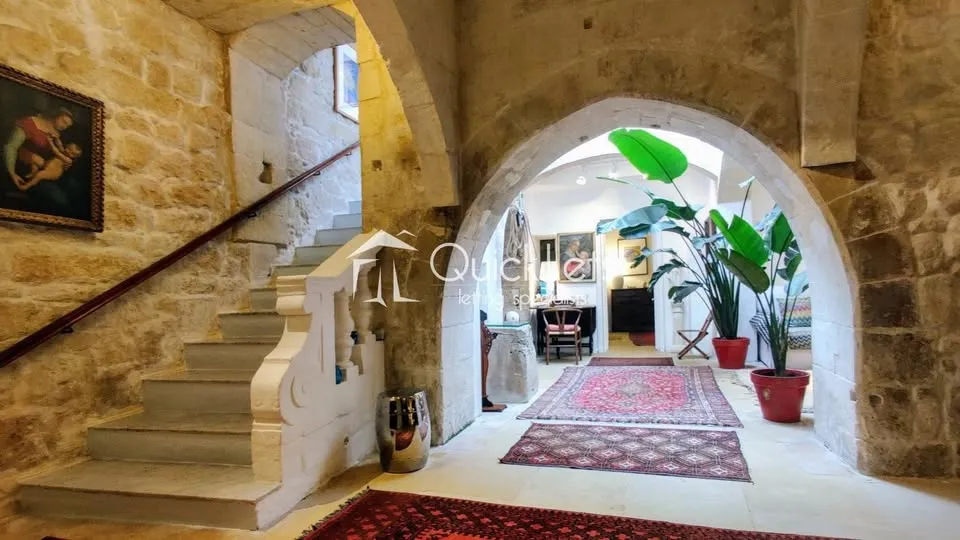
Mdina is the Silent City — a walled medieval citadel on a hilltop in central Malta where cars are banned, tourists whisper, and the only sound is the click of footsteps on golden limestone. Home to fewer than 300 residents, it is one of Europe's smallest inhabited cities and arguably its most atmospheric. The city's history predates the Knights of St. John by centuries. Originally a Phoenician settlement, then a Roman city, then the Arab capital of Malta, Mdina has layer upon layer of history compressed into its tiny footprint. The narrow streets are deliberately non-linear — a defensive trick to confuse invaders, now a maze that delights visitors. Palaces line every alley, many still privately owned by Maltese noble families who've held them for generations. Property in Mdina is rare and tightly regulated. The few apartments and townhouses that come up for sale are heritage-listed, requiring strict adherence to conservation rules. Buyers are getting a piece of history — original stone arches, tiled floors, and walls thick enough to withstand cannon fire. It's not for everyone: no parking, limited amenities, and constant tourist foot traffic. But for a small number of buyers, the chance to live in an 8,000-year-old fortress city is worth every restriction.
Highlights
- Cars banned — one of Europe's few car-free cities
- Fewer than 300 residents in an 8,000-year-old city
- St. Paul's Cathedral — baroque masterpiece
- Panoramic views from the city bastions
- Featured as King's Landing in Game of Thrones Season 1
Living in Nadur
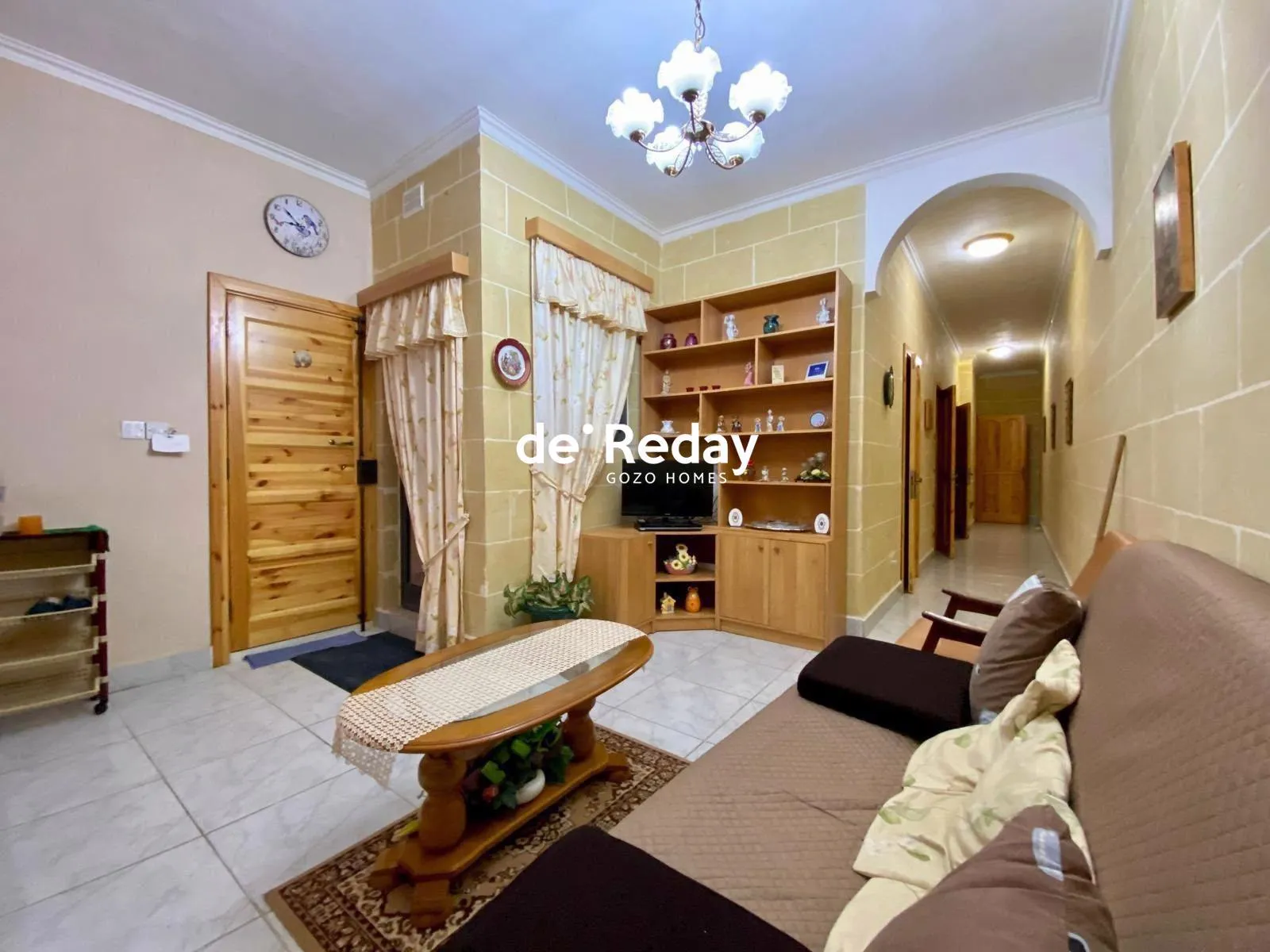
Nadur perches on a hilltop overlooking the Mgarr harbour — the first Gozitan village you see when arriving by ferry. The name means 'lookout' in Arabic, and the hilltop position has served as a watchpoint for approaching ships for over a thousand years. The massive baroque parish church, dedicated to Sts. Peter and Paul, dominates the skyline and is visible from across the Gozo Channel. Nadur is one of Gozo's largest villages, with a split personality that makes it distinctive. The old core is a traditional hilltop settlement with narrow streets and limestone houses. The newer areas spread toward the coast include some of Gozo's most desirable properties — particularly the bayside homes near San Blas and Ramla l-Hamra, Gozo's finest sandy beach. The village is known across Malta for its unique festa tradition. Rather than the standard religious procession, Nadur's fiesta features masked revelers in outrageous costumes who parody village life through satirical skits — a tradition that predates Carnival and is unique to this one village. Property in Nadur ranges from affordable village houses to premium coastal properties near the beaches.
Highlights
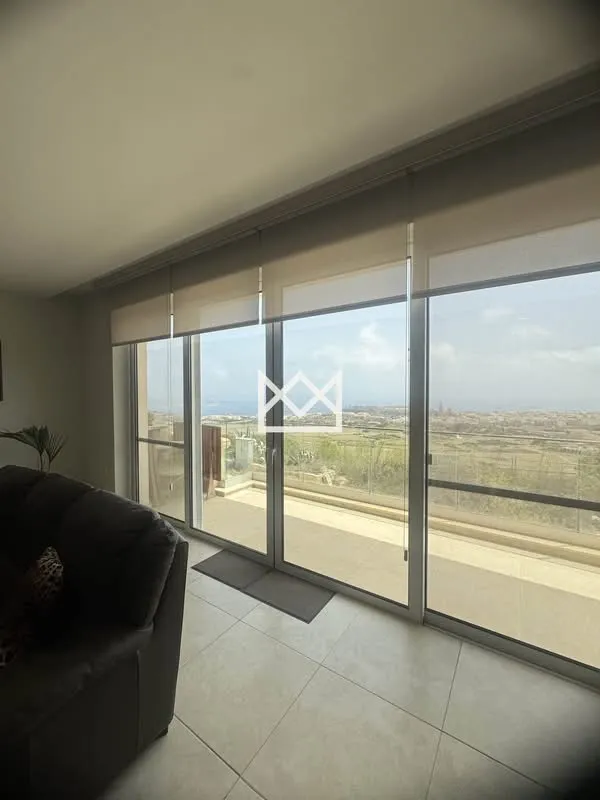
- Panoramic views over Mgarr harbour and the Gozo Channel
- Access to Ramla l-Hamra — Gozo's finest sandy beach
- Unique masked festa tradition found nowhere else in Malta
- One of Gozo's largest villages with full amenities
- Mix of affordable village houses and premium coastal property
Lifestyle Comparison
Which Area Is Right For You?
Choose Mdina
Mdina comes out ahead in dining, safety .
Choose Nadur
Nadur comes out ahead in family, beaches, nightlife, transport .