Mdina vs Pieta
Side-by-side comparison of property prices, lifestyle, and practical info to help you choose the right area.
Summary
Living in Mdina
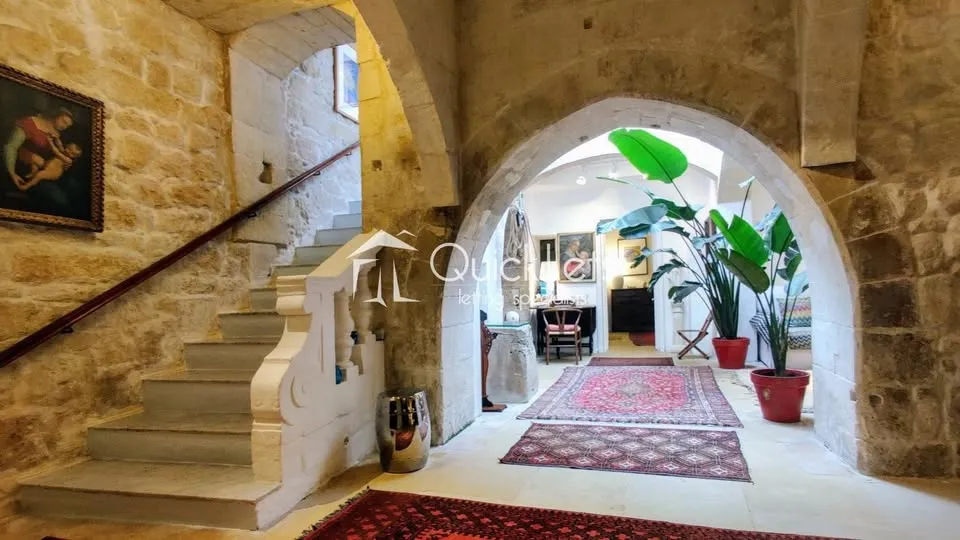
Mdina is the Silent City — a walled medieval citadel on a hilltop in central Malta where cars are banned, tourists whisper, and the only sound is the click of footsteps on golden limestone. Home to fewer than 300 residents, it is one of Europe's smallest inhabited cities and arguably its most atmospheric. The city's history predates the Knights of St. John by centuries. Originally a Phoenician settlement, then a Roman city, then the Arab capital of Malta, Mdina has layer upon layer of history compressed into its tiny footprint. The narrow streets are deliberately non-linear — a defensive trick to confuse invaders, now a maze that delights visitors. Palaces line every alley, many still privately owned by Maltese noble families who've held them for generations. Property in Mdina is rare and tightly regulated. The few apartments and townhouses that come up for sale are heritage-listed, requiring strict adherence to conservation rules. Buyers are getting a piece of history — original stone arches, tiled floors, and walls thick enough to withstand cannon fire. It's not for everyone: no parking, limited amenities, and constant tourist foot traffic. But for a small number of buyers, the chance to live in an 8,000-year-old fortress city is worth every restriction.
Highlights
- Cars banned — one of Europe's few car-free cities
- Fewer than 300 residents in an 8,000-year-old city
- St. Paul's Cathedral — baroque masterpiece
- Panoramic views from the city bastions
- Featured as King's Landing in Game of Thrones Season 1
Living in Pieta
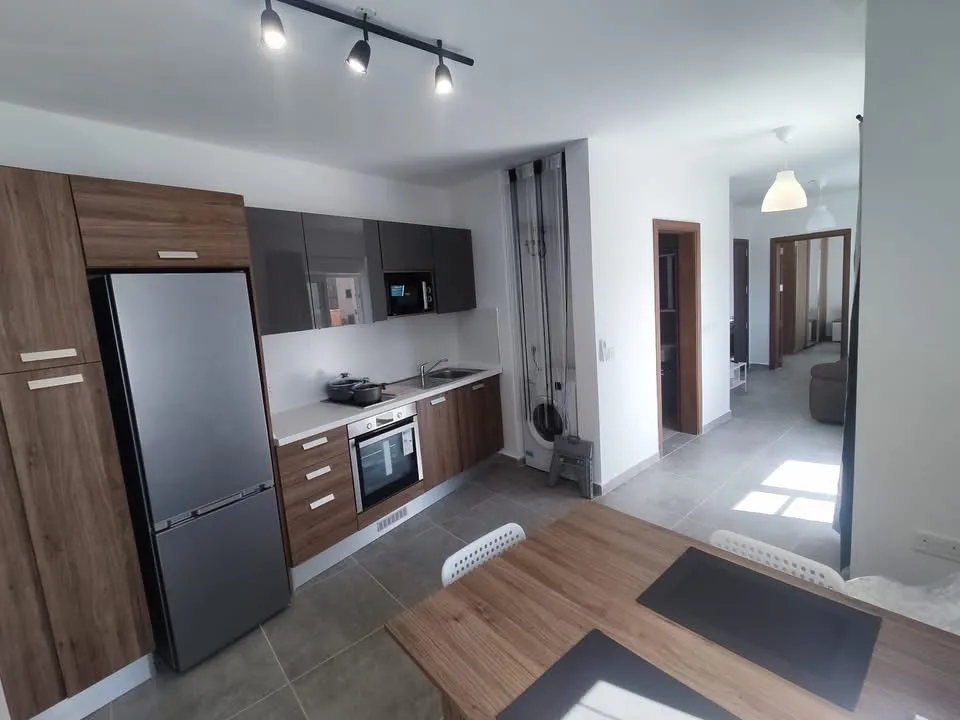
Pietà is a small harbourside locality that sits on the inlet between Msida and Floriana — a narrow strip of waterfront that packs in Malta's general hospital, a yacht marina, and a stretch of seafront promenade into a compact area. The name means 'piety' in Italian, taken from the Wayside Chapel of Our Lady of Sorrows that once served sailors entering Marsamxett Harbour. The town's significance is out of proportion to its size. Mater Dei Hospital is Malta's primary healthcare facility, and the surrounding area has developed to serve the thousands of staff, patients, and visitors who pass through daily. The yacht marina sits on the opposite side of the inlet, with boatyards and chandleries that serve Malta's sizeable recreational sailing community. Property in Pietà is functional and mid-priced. The hospital drives rental demand from medical staff, and the seafront location adds modest premium. It's not a destination neighbourhood, but it's well-positioned — walkable to Msida, the university, and a short bus ride to Valletta.
Highlights
- Mater Dei Hospital — Malta's primary healthcare facility
- Yacht marina and boatyard
- Walkable to the University of Malta
- Seafront promenade
- Strong rental demand from medical professionals
Lifestyle Comparison
Which Area Is Right For You?
Choose Mdina
Mdina comes out ahead in dining, safety .
Choose Pieta
Pieta comes out ahead in family, nightlife, transport .