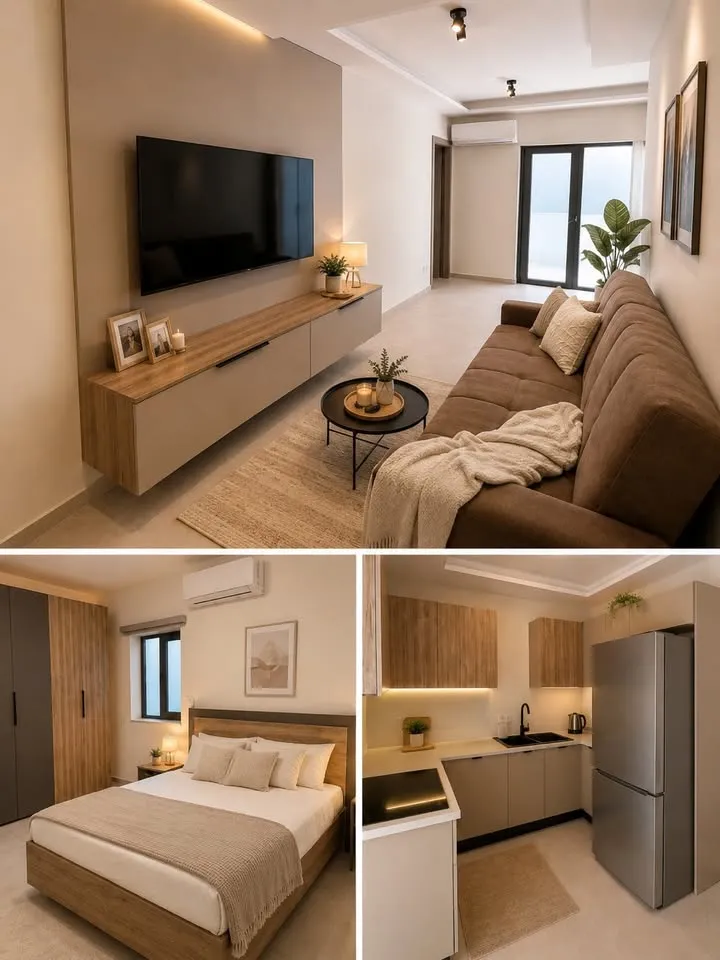
Mdina vs St. Julian's
Side-by-side comparison of property prices, lifestyle, and practical info to help you choose the right area.
Summary
Living in Mdina
Mdina is the Silent City — a walled medieval citadel on a hilltop in central Malta where cars are banned, tourists whisper, and the only sound is the click of footsteps on golden limestone. Home to fewer than 300 residents, it is one of Europe's smallest inhabited cities and arguably its most atmospheric. The city's history predates the Knights of St. John by centuries. Originally a Phoenician settlement, then a Roman city, then the Arab capital of Malta, Mdina has layer upon layer of history compressed into its tiny footprint. The narrow streets are deliberately non-linear — a defensive trick to confuse invaders, now a maze that delights visitors. Palaces line every alley, many still privately owned by Maltese noble families who've held them for generations. Property in Mdina is rare and tightly regulated. The few apartments and townhouses that come up for sale are heritage-listed, requiring strict adherence to conservation rules. Buyers are getting a piece of history — original stone arches, tiled floors, and walls thick enough to withstand cannon fire. It's not for everyone: no parking, limited amenities, and constant tourist foot traffic. But for a small number of buyers, the chance to live in an 8,000-year-old fortress city is worth every restriction.
Highlights
- Cars banned — one of Europe's few car-free cities
- Fewer than 300 residents in an 8,000-year-old city
- St. Paul's Cathedral — baroque masterpiece
- Panoramic views from the city bastions
- Featured as King's Landing in Game of Thrones Season 1
Living in St. Julian's
St. Julian's is where Malta goes to play. By day it's a pleasant coastal town spread around Spinola Bay — one of the most photographed fishing boat harbours on the island — and Balluta Bay with its grand art nouveau houses. By night it becomes Paceville, the island's densest concentration of bars, clubs, casinos, and restaurants, drawing revellers from across Malta until the early hours. The town has a split personality that works in its favour. The Paceville side is loud, youthful, and commercial, home to international hotel chains and the Dragonara Casino. The Spinola and Balluta side is refined, with upscale restaurants housed in converted townhouses and a promenade that connects westward to Sliema. Portomaso, with its signature tower and marina, sits between the two — a luxury residential and commercial complex that symbolises the area's premium positioning. St. Julian's is the heart of Malta's iGaming and tech industries. Office buildings cluster around the Mriehel area and along the coast, making it the most convenient base for professionals working in these sectors. Property here commands some of the highest rents on the island, particularly in developments with sea views.
Highlights
- Spinola Bay — iconic fishing boat harbour lined with restaurants
- Paceville — Malta's nightlife district with dozens of bars and clubs
- Portomaso Marina and luxury tower
- Heart of Malta's iGaming industry
- Balluta Bay with its art nouveau buildings
Lifestyle Comparison
Which Area Is Right For You?
Choose Mdina
Mdina comes out ahead in family, safety .
Choose St. Julian's
St. Julian's comes out ahead in dining, beaches, nightlife, transport .
Frequently Asked Questions
Available Properties
Mdina (1 listings)
View all Mdina properties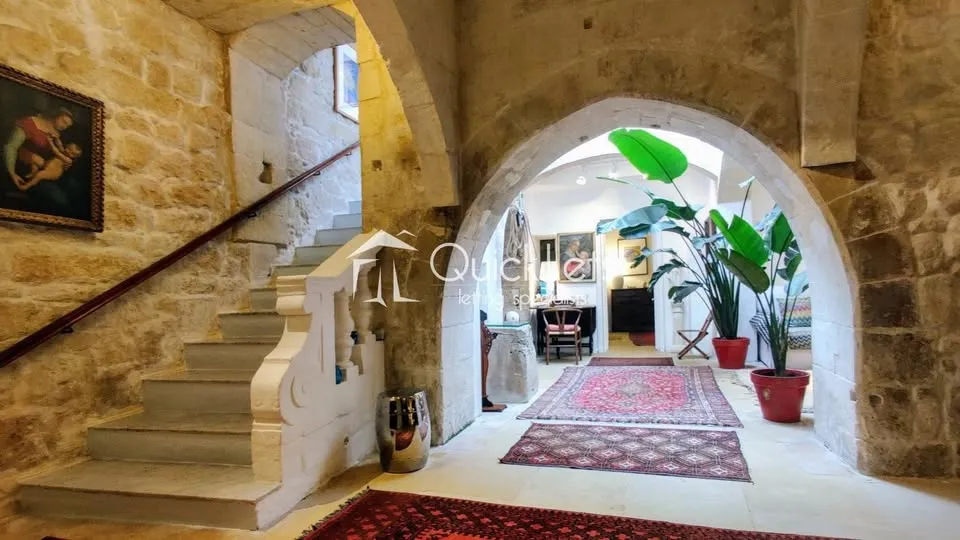
St. Julian's (8 listings)
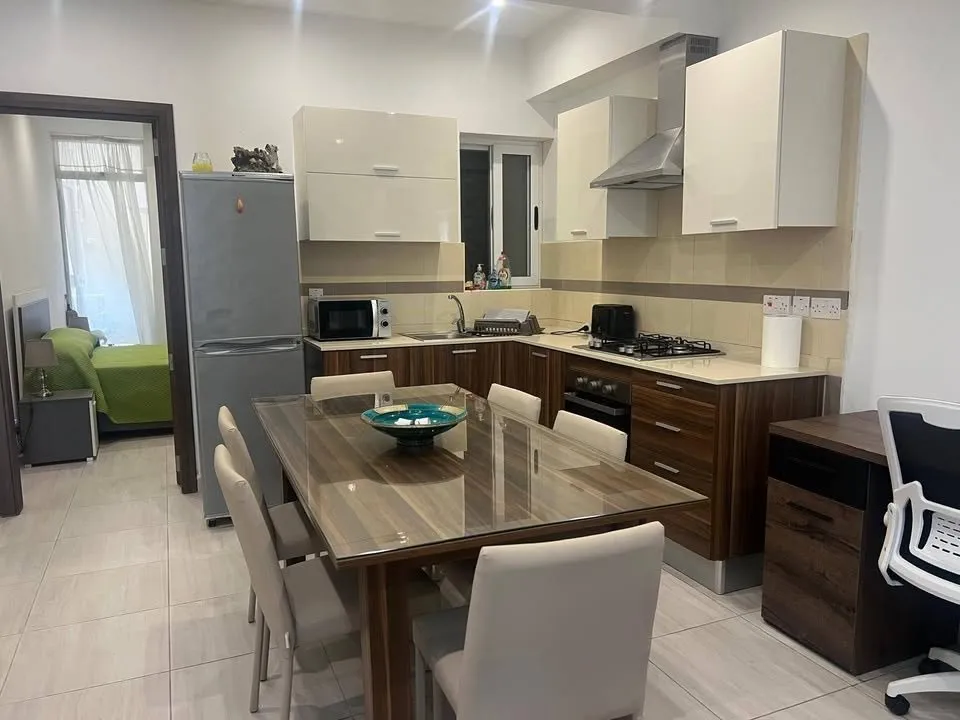
Modern Maisonette in St. Julians
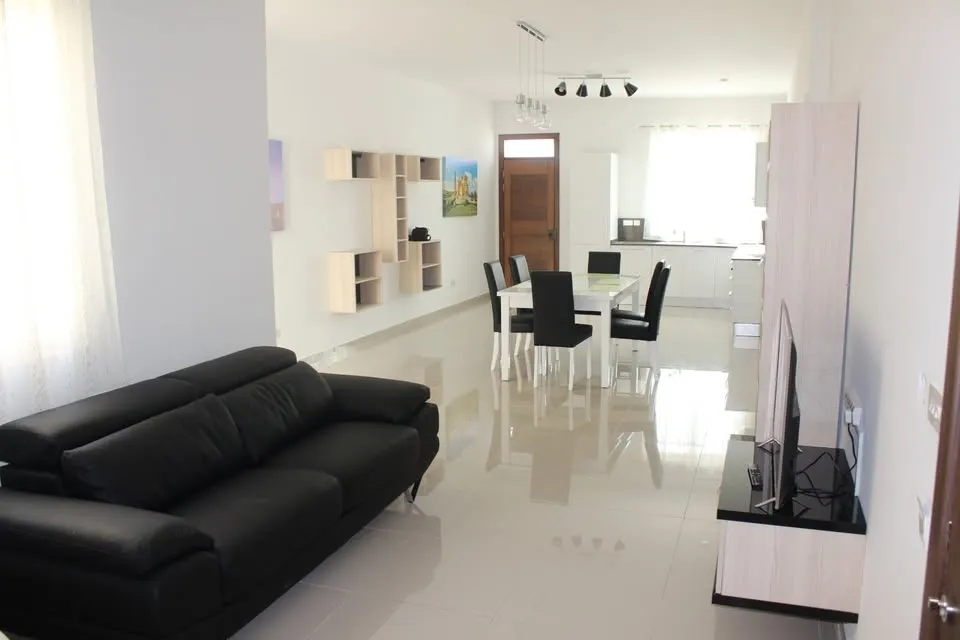
3-Bedroom Apartment for Rent in St. Julian’s
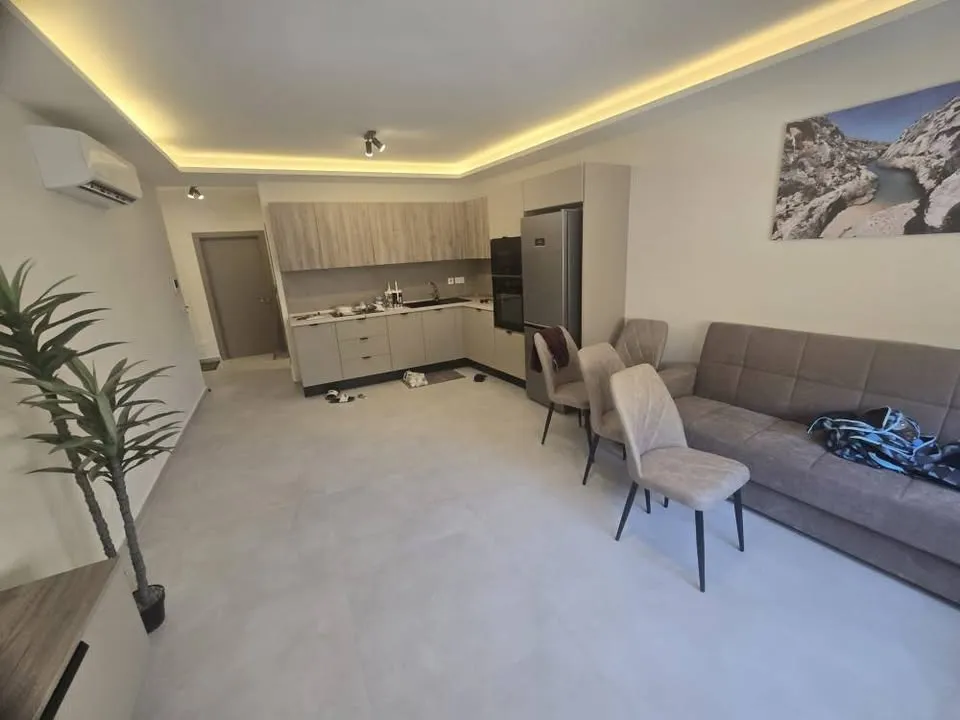
1 Bedroom Apartment in St. Julian's