Mdina vs St. Paul's Bay
Side-by-side comparison of property prices, lifestyle, and practical info to help you choose the right area.
Summary
Living in Mdina
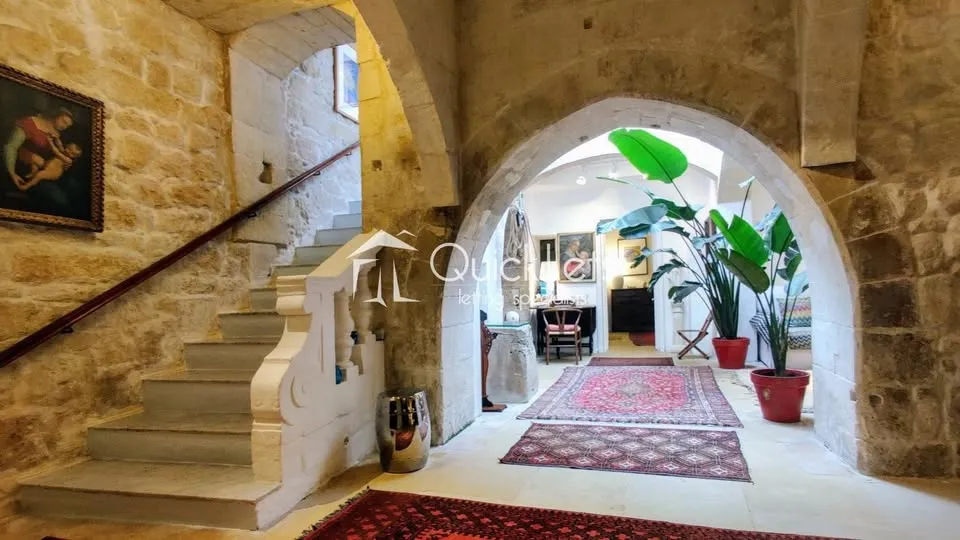
Mdina is the Silent City — a walled medieval citadel on a hilltop in central Malta where cars are banned, tourists whisper, and the only sound is the click of footsteps on golden limestone. Home to fewer than 300 residents, it is one of Europe's smallest inhabited cities and arguably its most atmospheric. The city's history predates the Knights of St. John by centuries. Originally a Phoenician settlement, then a Roman city, then the Arab capital of Malta, Mdina has layer upon layer of history compressed into its tiny footprint. The narrow streets are deliberately non-linear — a defensive trick to confuse invaders, now a maze that delights visitors. Palaces line every alley, many still privately owned by Maltese noble families who've held them for generations. Property in Mdina is rare and tightly regulated. The few apartments and townhouses that come up for sale are heritage-listed, requiring strict adherence to conservation rules. Buyers are getting a piece of history — original stone arches, tiled floors, and walls thick enough to withstand cannon fire. It's not for everyone: no parking, limited amenities, and constant tourist foot traffic. But for a small number of buyers, the chance to live in an 8,000-year-old fortress city is worth every restriction.
Highlights
- Cars banned — one of Europe's few car-free cities
- Fewer than 300 residents in an 8,000-year-old city
- St. Paul's Cathedral — baroque masterpiece
- Panoramic views from the city bastions
- Featured as King's Landing in Game of Thrones Season 1
Living in St. Paul's Bay
St. Paul's Bay is Malta's largest northern coastal town — a sprawling stretch of shoreline that encompasses the old fishing village of Xemxija, the tourist strips of Bugibba and Qawra, and the residential community of Burmarrad inland. According to the Bible, St. Paul was shipwrecked here in AD 60, an event that brought Christianity to Malta and gave the area its name. The town has grown explosively over the past two decades, transforming from a quiet seasonal resort into a year-round community of over 25,000 residents. Retired British expats, Maltese families priced out of the central coast, and a growing number of foreign workers have all settled here, drawn by coastal living at more manageable prices than Sliema or St. Julian's. The waterfront is the town's main asset — a long promenade connecting the old fisherman's quay to Bugibba's square to Qawra's rocky beaches. The Malta National Aquarium sits at the Bugibba end, and the Xemxija Heritage Walk traces ancient cart ruts and Roman roads into the hills. Properties range from modern seafront apartments to older terraced houses inland, with prices significantly below the central coast.
Highlights
- Malta's largest coastal town by population
- Biblical shipwreck site of St. Paul
- Malta National Aquarium at Bugibba
- Rocky beaches and coastal promenade
- More affordable than the central coast
Lifestyle Comparison
Which Area Is Right For You?
Choose Mdina
Mdina comes out ahead in dining, safety .
Choose St. Paul's Bay
St. Paul's Bay comes out ahead in family, beaches, nightlife, transport .