Mdina vs Valletta
Side-by-side comparison of property prices, lifestyle, and practical info to help you choose the right area.
Summary
Valletta is better for cultural engagement and transport connectivity, while Mdina wins for absolute peace and car-free heritage living. Valletta scores 10/10 for transport with its central bus terminus and direct ferry links to Sliema and the Three Cities, compared to Mdina's 4/10 rating. Valletta also leads on nightlife (8/10 vs 2/10) and dining (10/10 vs 7/10). Mdina rates 10/10 for safety to Valletta's 9/10. The drive between the two areas takes roughly 15 minutes.
Valletta is best for luxury buyers and tourists needing a walkable base. A population of 5,157 sustains year-round amenities within its 1 square kilometre, and the airport is a 20-minute drive. Property here commands premium prices due to international demand and UNESCO World Heritage status.
Mdina is best for culture lovers and tourists seeking seclusion. Fewer than 300 residents occupy this 8,000-year-old citadel where cars are banned entirely. Residents park outside the city gates, with the airport accessible in 25 minutes by car. Strict conservation rules govern all property alterations, and the tightly regulated environment prevents overdevelopment.
Living in Mdina
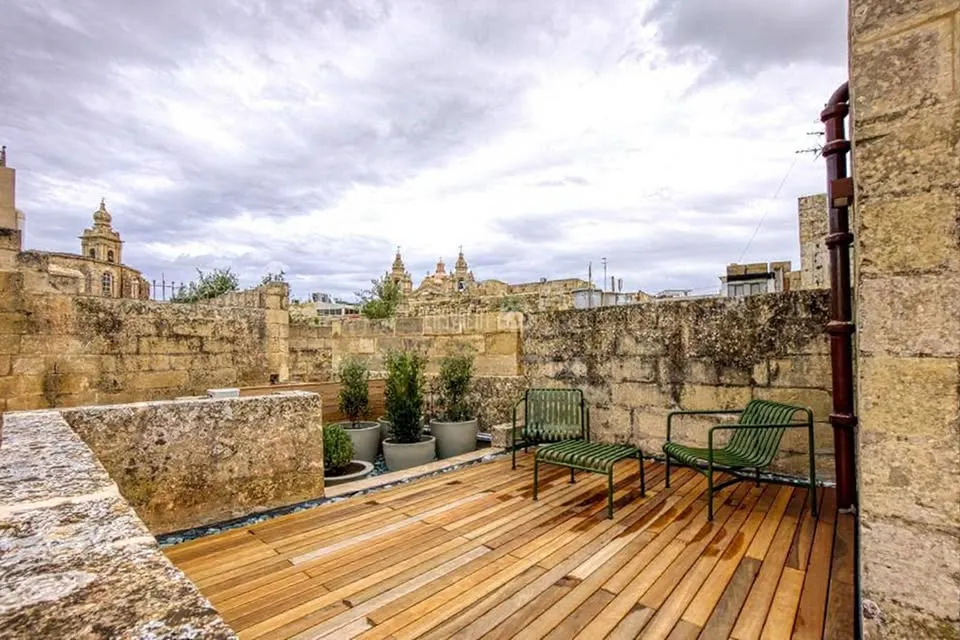
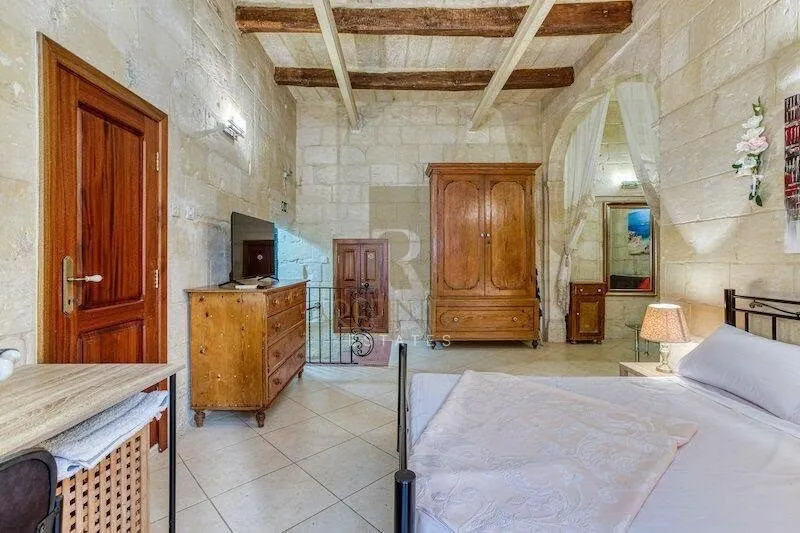
Mdina is the Silent City — a walled medieval citadel on a hilltop in central Malta where cars are banned, tourists whisper, and the only sound is the click of footsteps on golden limestone. Home to fewer than 300 residents, it is one of Europe's smallest inhabited cities and arguably its most atmospheric. The city's history predates the Knights of St. John by centuries. Originally a Phoenician settlement, then a Roman city, then the Arab capital of Malta, Mdina has layer upon layer of history compressed into its tiny footprint. The narrow streets are deliberately non-linear — a defensive trick to confuse invaders, now a maze that delights visitors. Palaces line every alley, many still privately owned by Maltese noble families who've held them for generations. Property in Mdina is rare and tightly regulated. The few apartments and townhouses that come up for sale are heritage-listed, requiring strict adherence to conservation rules. Buyers are getting a piece of history — original stone arches, tiled floors, and walls thick enough to withstand cannon fire. It's not for everyone: no parking, limited amenities, and constant tourist foot traffic. But for a small number of buyers, the chance to live in an 8,000-year-old fortress city is worth every restriction.
Highlights
- Cars banned — one of Europe's few car-free cities
- Fewer than 300 residents in an 8,000-year-old city
- St. Paul's Cathedral — baroque masterpiece
- Panoramic views from the city bastions
- Featured as King's Landing in Game of Thrones Season 1
Living in Valletta
Valletta is a living museum — a UNESCO World Heritage city built by the Knights of St. John in the 16th century, designed on a grid plan so ahead of its time that it's still functional 450 years later. Every street reveals something remarkable: baroque churches with Caravaggio paintings inside, grand auberges that housed the knightly orders, and rooftop terraces with views across two harbours that have shaped Mediterranean history. As Malta's capital and administrative centre, Valletta punches well above its size. It packs government buildings, foreign embassies, boutique hotels, and a thriving restaurant scene into less than a square kilometre. The city went through a renaissance after its 2018 European Capital of Culture year — old buildings were restored, pedestrian zones expanded, and a creative community took root alongside the traditional Maltese families who've lived here for generations. Living in Valletta is a specific choice. Properties are predominantly historic townhouses and converted palazzos, often with original stone floors and enclosed wooden balconies. Space is at a premium, parking is almost nonexistent, and grocery shopping means visiting small shops rather than supermarkets. But residents gain something rare — a walkable city where the sea is always two streets away, where culture is on the doorstep, and where the evening paseggiata along the bastions at golden hour never gets old.
Highlights
- UNESCO World Heritage Site — entire city
- St. John's Co-Cathedral with Caravaggio's Beheading of St. John
- Barrakka Gardens with panoramic Grand Harbour views
- Grid-plan streets designed in 1566, still functional today
- 2018 European Capital of Culture
Lifestyle Comparison
Which Area Is Right For You?
Choose Mdina
Mdina comes out ahead in family, safety, beaches .
Choose Valletta
Valletta comes out ahead in dining, nightlife, transport .