Mdina vs Zejtun
Side-by-side comparison of property prices, lifestyle, and practical info to help you choose the right area.
Summary
Mdina is a car-free medieval citadel with under 300 residents, offering unmatched safety (10/10), exceptional fine dining (7/10), and panoramic views from fortified bastions. Heritage properties command premium prices and face strict conservation rules. Żejtun houses 11,800 residents and scores 8/10 for family suitability compared to Mdina's 5/10. Property prices rank among Malta's most affordable for an urban area, with comprehensive local amenities and schools on hand.
Mdina relies on adjacent Rabat for daily shopping, with buses to Valletta taking routes 51 and 52 from the interchange. Żejtun sits just 10 minutes from Malta International Airport by car versus Mdina's 25 minutes, though buses to Valletta (routes 81, 82, 85) take 25–30 minutes. Żejtun's nightlife (3/10) slightly edges Mdina's (2/10), but both areas suit residents who prioritise character over evening entertainment. Żejtun delivers hotter summers with less sea breeze, while Mdina's thick stone walls retain winter cold.
Living in Mdina
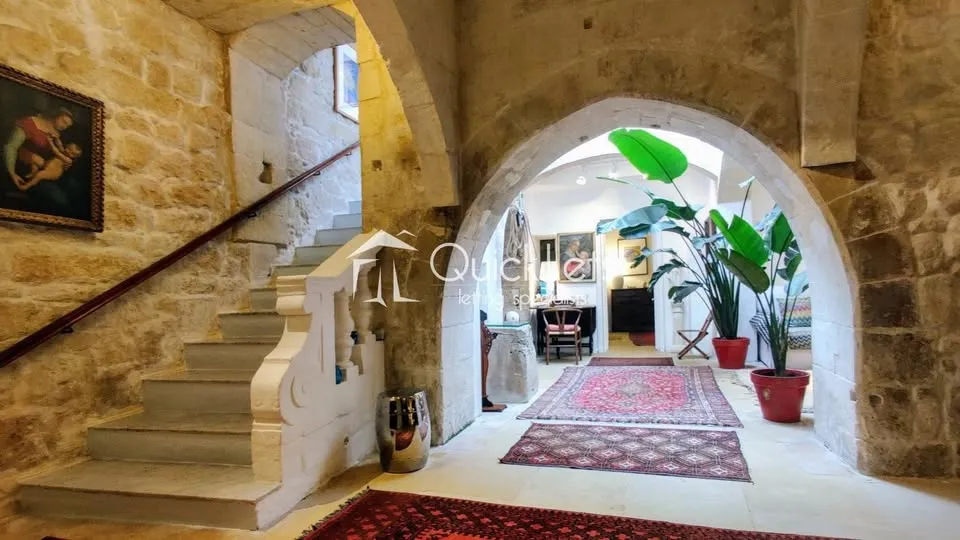
Mdina is the Silent City — a walled medieval citadel on a hilltop in central Malta where cars are banned, tourists whisper, and the only sound is the click of footsteps on golden limestone. Home to fewer than 300 residents, it is one of Europe's smallest inhabited cities and arguably its most atmospheric. The city's history predates the Knights of St. John by centuries. Originally a Phoenician settlement, then a Roman city, then the Arab capital of Malta, Mdina has layer upon layer of history compressed into its tiny footprint. The narrow streets are deliberately non-linear — a defensive trick to confuse invaders, now a maze that delights visitors. Palaces line every alley, many still privately owned by Maltese noble families who've held them for generations. Property in Mdina is rare and tightly regulated. The few apartments and townhouses that come up for sale are heritage-listed, requiring strict adherence to conservation rules. Buyers are getting a piece of history — original stone arches, tiled floors, and walls thick enough to withstand cannon fire. It's not for everyone: no parking, limited amenities, and constant tourist foot traffic. But for a small number of buyers, the chance to live in an 8,000-year-old fortress city is worth every restriction.
Highlights
- Cars banned — one of Europe's few car-free cities
- Fewer than 300 residents in an 8,000-year-old city
- St. Paul's Cathedral — baroque masterpiece
- Panoramic views from the city bastions
- Featured as King's Landing in Game of Thrones Season 1
Living in Zejtun
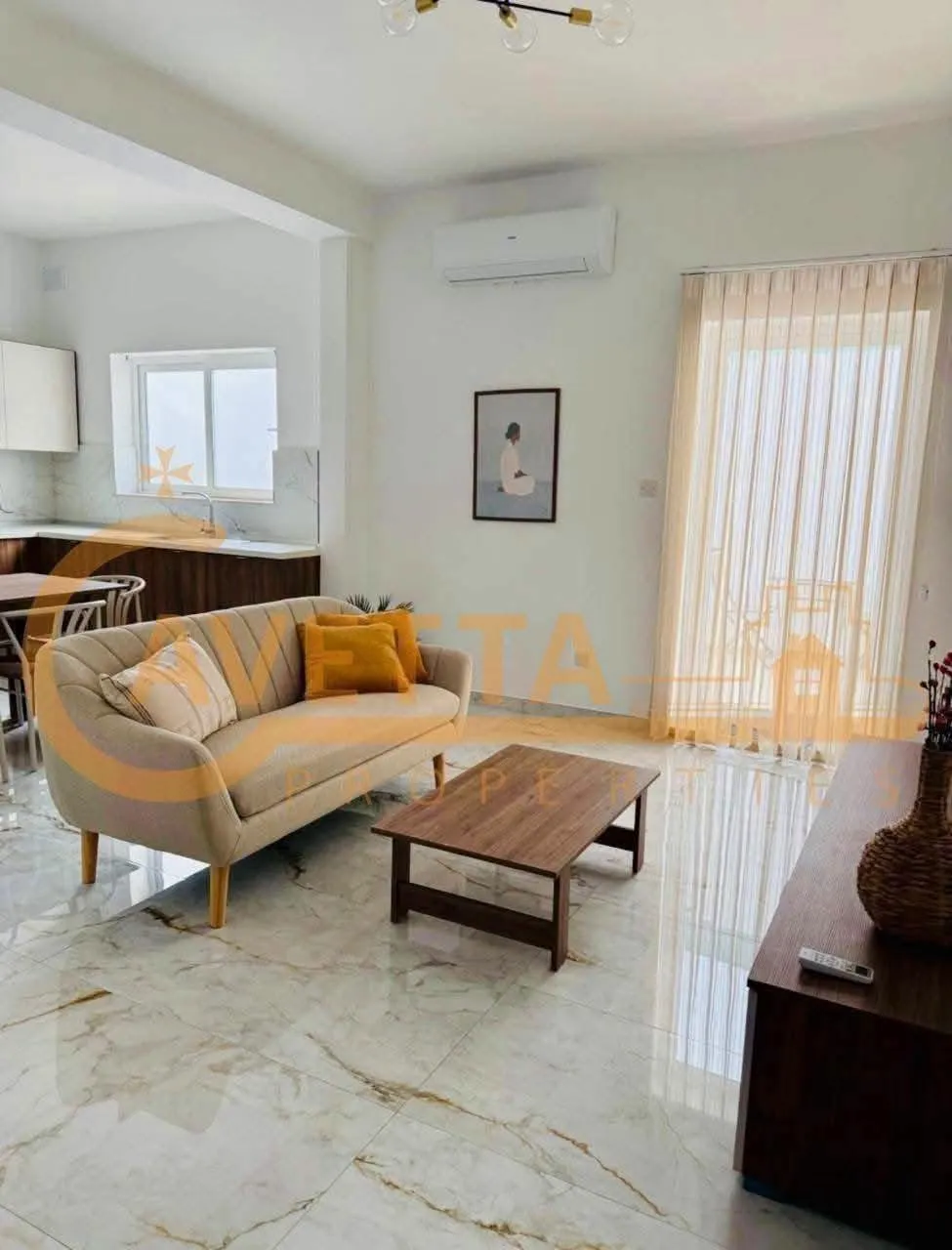
Zejtun is a substantial southern town that takes its name from the Maltese word for olive oil — zejt — a reminder that this area was once covered in olive groves supplying oil across the Mediterranean. The town is one of Malta's largest and has a distinctly southern identity, with strong festa traditions, a sprawling residential area, and a historic core that's among the best-preserved in the south. The old centre clusters around the impressive parish church of St. Catherine, a baroque building with one of the finest church facades in Malta. The surrounding streets contain substantial townhouses with enclosed courtyards, some dating back to the Knights' period. The village of Birzebbuga, Hal Far industrial estate, and the Freeport all sit within Zejtun's broader boundaries. Property in Zejtun is very affordable — among the lowest prices in urbanised Malta. The town has all essential amenities and good road connections, but public transport to Valletta takes 25–30 minutes and the tourist appeal is minimal. It's a practical choice for local buyers and budget-conscious investors.
Highlights
- Named after centuries of olive oil production
- One of Malta's finest baroque church facades
- Among the most affordable property in urban Malta
- Strong festa and community traditions
- Good road connections to the south and harbour area
Lifestyle Comparison
Which Area Is Right For You?
Choose Mdina
Mdina comes out ahead in dining, safety .
Choose Zejtun
Zejtun comes out ahead in family, beaches, nightlife, transport .