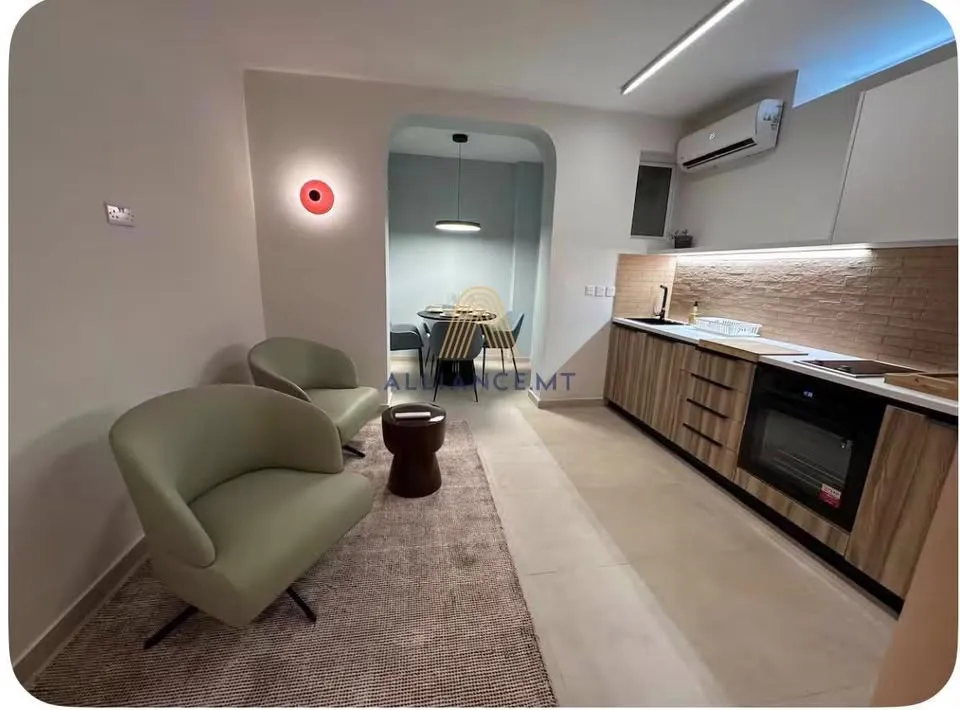
Mosta vs Pembroke
Side-by-side comparison of property prices, lifestyle, and practical info to help you choose the right area.
Summary
Mosta is better for families seeking affordable, central living with island-wide access, while Pembroke suits families and nature lovers wanting coastal proximity near St. Julian's. Mosta sits at Malta's geographic centre, with bus routes 41, 42, 44, and 45 connecting directly to Valletta in 20 minutes by car. Pembroke sits between St. Julian's and northern beaches, reaching the Sliema ferry in 10 minutes by bus, with Malta International Airport 30 minutes away by car.
Both areas score 8 for family-friendliness and safety, but diverge significantly on coastline. Pembroke scores 7 for beaches and borders the protected Pembroke Garigue Nature Reserve, offering greenspace rare in this part of Malta. Mosta scores 2 for beaches, requiring a 15–20 minute drive to reach the coast. Mosta features the iconic Rotunda church, a traditional town centre, and more affordable property with larger floor plans. Pembroke has modern housing stock with parking but lacks a walkable village square or historic character. Nightlife is limited in both, with Mosta scoring 2 and Pembroke 4.
Mosta's population of 22,800 supports stronger local commerce and community infrastructure. Pembroke, at 4,200 residents, delivers a quieter residential atmosphere close to St. Andrew's International School and the entertainment hubs of neighbouring St. Julian's.
Traditional central town with landmark church
Modern residential town with military heritage
Living in Mosta
Mosta is defined by one building. The Rotunda of Mosta — a massive domed church modelled on the Pantheon in Rome — dominates the town's skyline and its identity. The dome is one of the largest unsupported church domes in the world, and its story is remarkable: during WWII, a German bomb pierced the dome during a packed Mass and skidded across the floor without exploding. A replica is still on display inside. Beyond the Rotunda, Mosta is a substantial residential town in central Malta with a character that sits between urban and rural. The town centre has a traditional Maltese market area and commercial strip, while the outskirts blend into farmland and open countryside. Ta' Qali, Malta's national stadium and sports complex, sits at the edge of town alongside the Crafts Village and Malta's aviation museum. Mosta appeals to families and professionals who want space without being far from the action. Property here is more affordable than the coastal hotspots, and you get more square metreage for your money. The town has a strong community feel, good schools, and enough restaurants and shops that daily life doesn't require a trip to Sliema or Valletta.
Highlights
- The Rotunda — one of the world's largest unsupported domes
- Ta' Qali national stadium and sports complex
- More affordable property with larger living spaces
- Central location — 20 min to anywhere on Malta
- Strong community atmosphere and local markets
Living in Pembroke
Pembroke is one of Malta's newest towns, built on land that served as a British military base from the 1860s until the navy left in 1979. Named after the 12th Earl of Pembroke, the area still bears visible traces of its military past — coastal fortifications, Victorian-era barracks, and gun emplacements that once guarded the approach to the Grand Harbour. The town has developed rapidly since the 1990s into a residential area popular with middle-class Maltese families and expat professionals. The housing stock is predominantly modern apartment blocks and terraced houses, with some newer villa developments on the eastern edge. Pembroke's big advantage is greenspace — the town sits adjacent to the Pembroke Garigue Nature Reserve, a protected area of rocky coastline and wild garigue habitat that's one of the few remaining natural spaces in urban Malta. Pembroke occupies a strategic position between St. Julian's and the northern coast. It's close enough to Paceville and Sliema to benefit from their amenities but far enough to escape the noise and congestion. Property prices sit in the mid-range — above the southern towns but below the premium coastal strip.
Highlights
- Pembroke Garigue Nature Reserve — protected coastline
- Former British military base with Victorian fortifications
- Mid-range property between St. Julian's and the north
- Popular with families and expat professionals
- Greenspace rare in this part of Malta
Lifestyle Comparison
Which Area Is Right For You?
Choose Mosta
Mosta comes out ahead in transport .
Choose Pembroke
Pembroke comes out ahead in beaches, nightlife .
Frequently Asked Questions
Available Properties
Mosta (25 listings)
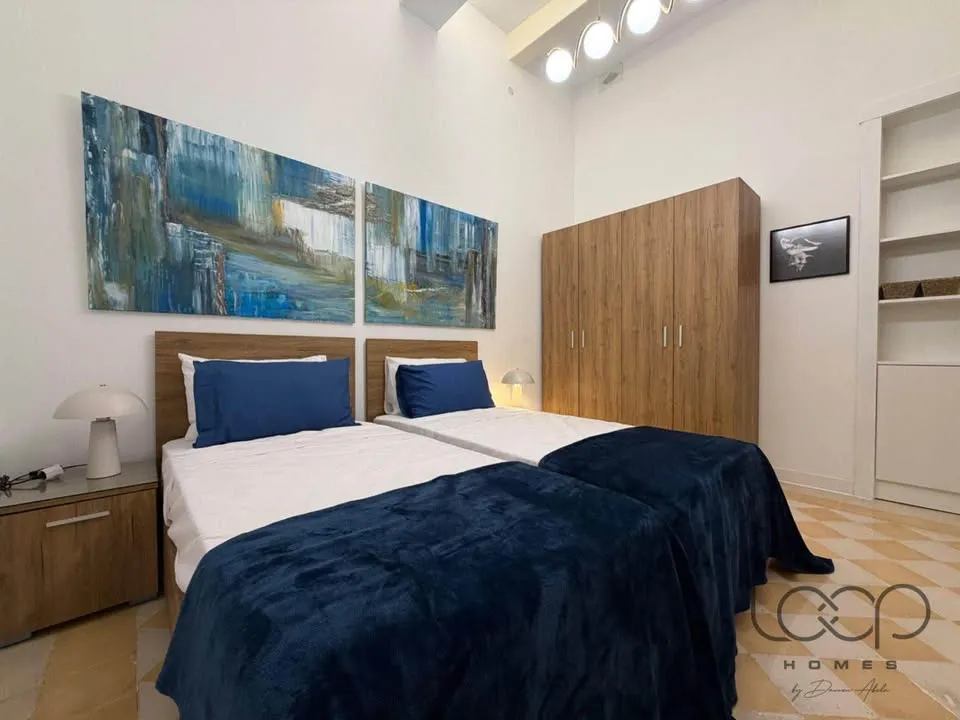
Recently Refurbished 2 Bedroom House of Character in Mosta
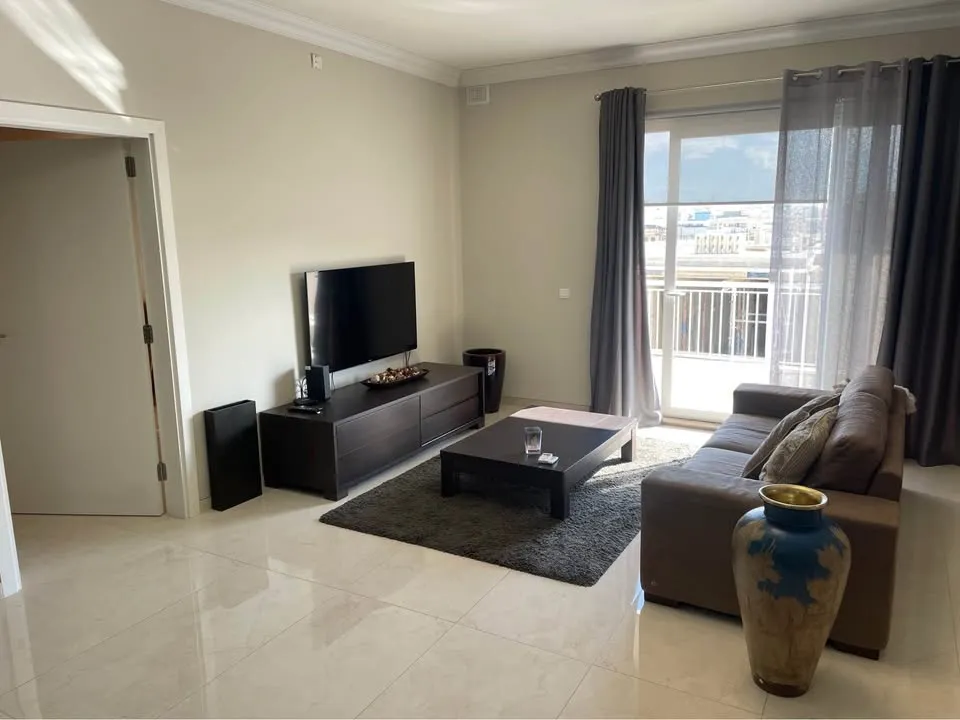
Squarish Apartment in Mosta with Terrace
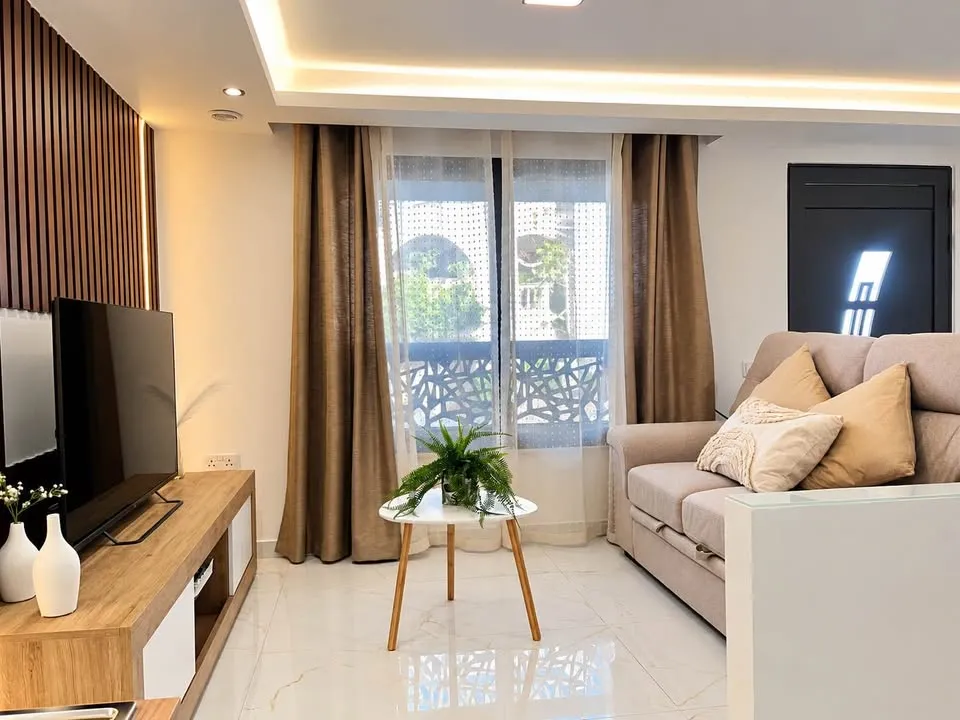
Mosta Brand New & Ultra Modern Maisonette
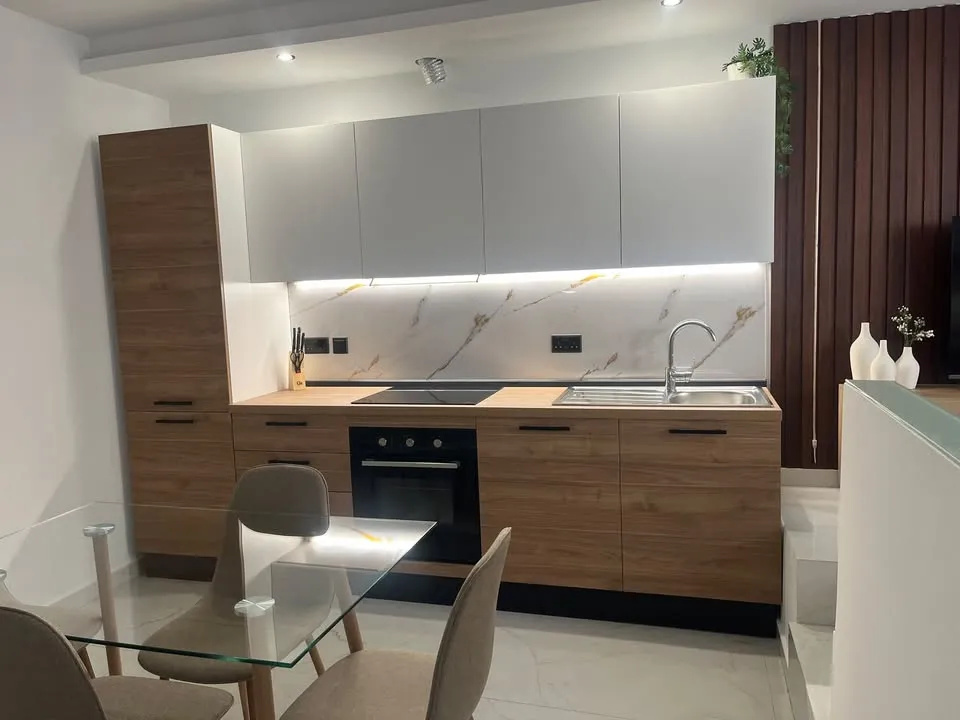
MOSTA MODERN MAISONNETE
Pembroke (6 listings)
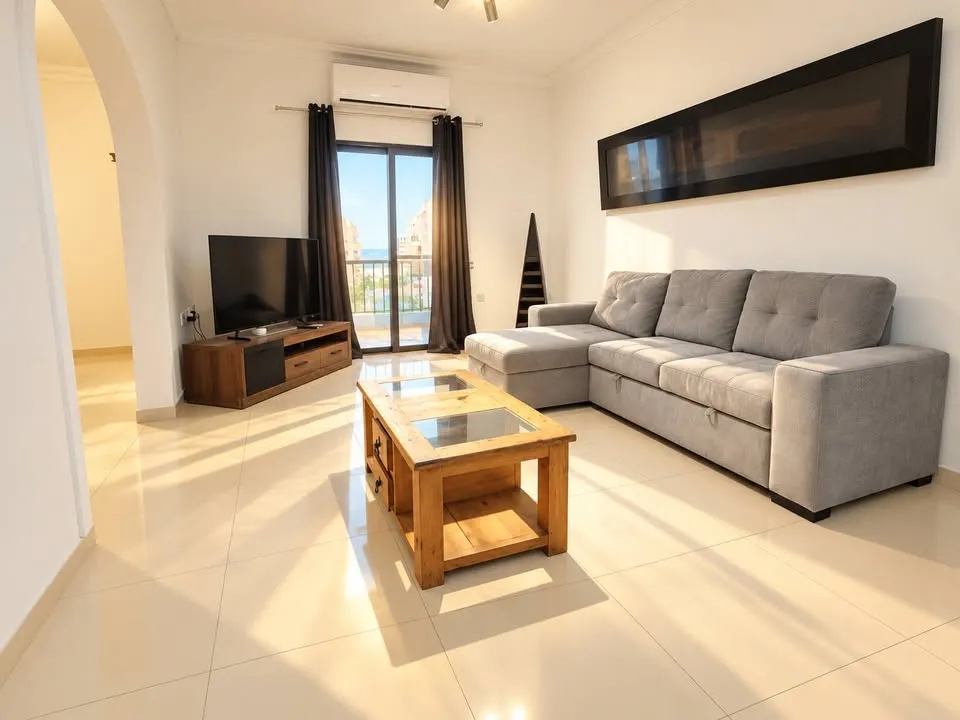
For Rent in Pembroke
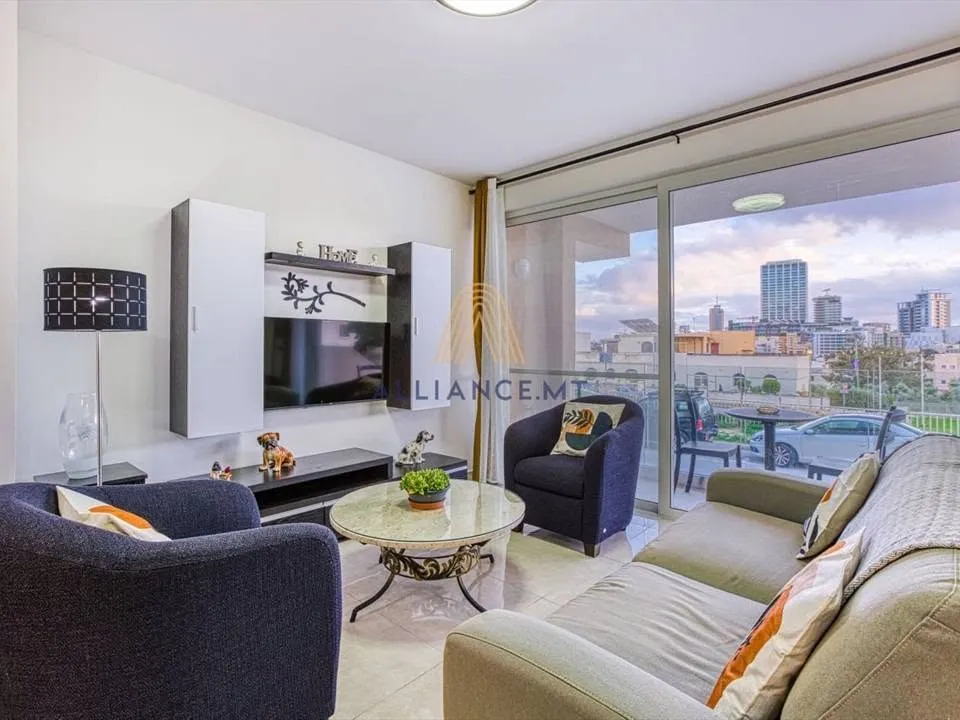
Property in Pembroke, Reġjun tal-Lvant
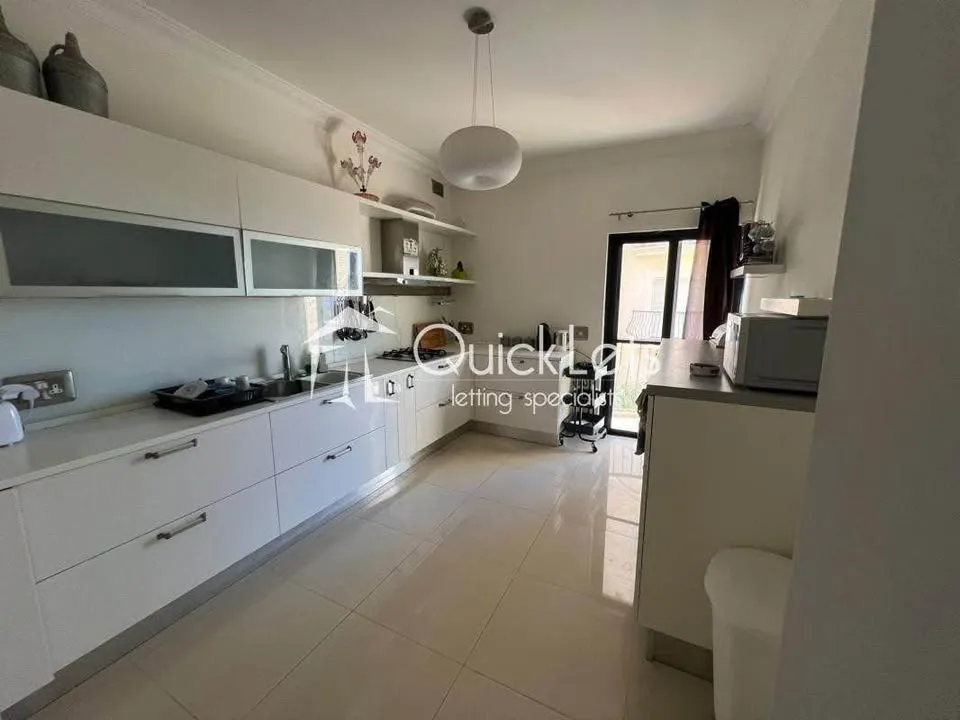
2 Bedrooms in Pembroke, Malta