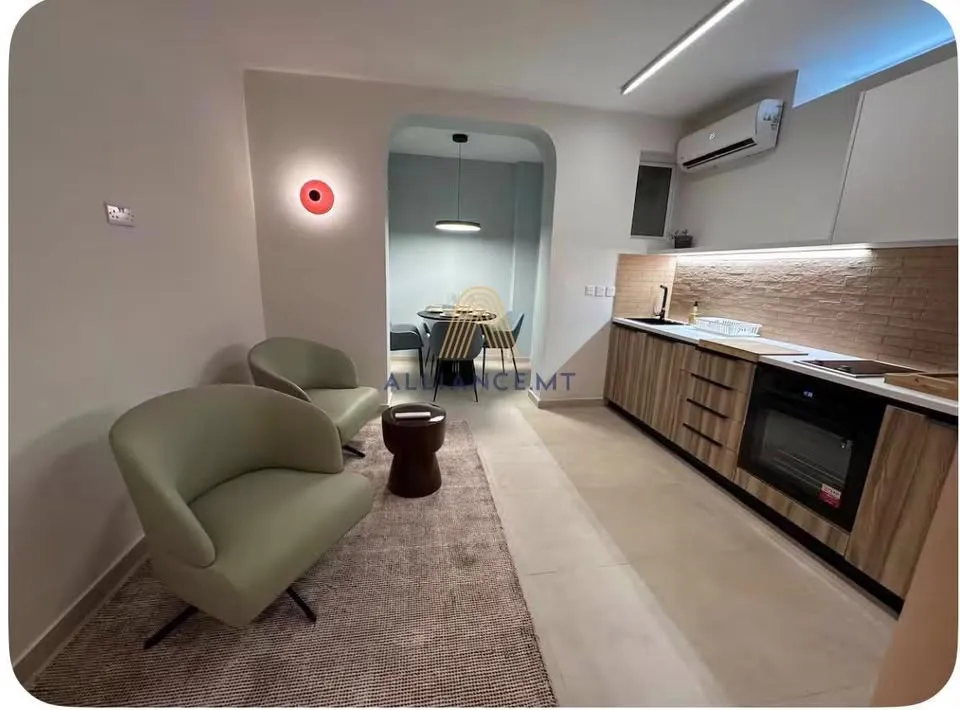
Msida vs Pembroke
Side-by-side comparison of property prices, lifestyle, and practical info to help you choose the right area.
Summary
Msida is better for students and young professionals who need transport links and affordability, while Pembroke suits families and nature lovers seeking quieter residential living near coastal greenspace.
Msida scores 10/10 for transport thanks to its major bus interchange serving routes across Malta, compared to Pembroke's 7/10 rating with fewer connecting routes. Msida sits just 15 minutes from Malta International Airport by car, versus Pembroke's 30-minute journey. Property in Msida benefits from strong student rental demand driven by the nearby University of Malta campus with its 12,000 students, keeping prices below neighbouring Sliema and Gzira. Pembroke offers mid-range property with modern housing stock, contemporary layouts, and included parking — a significant advantage given Msida's severe parking constraints.
Lifestyle priorities diverge sharply. Msida rates 7/10 for nightlife but just 5/10 for family suitability and 2/10 for beaches. Pembroke flips this with 8/10 for families, 7/10 for beaches, and 8/10 for safety, but only 4/10 for nightlife. Pembroke Garigue Nature Reserve provides protected coastal greenspace rare in this region, while Msida's waterfront promenade and marina offer a busier, more urban atmosphere.
Busy university town and transport hub
Modern residential town with military heritage
Living in Msida
Msida is a compact harbour-side town that serves as one of Malta's key transport nodes — the junction where routes from the north, south, and centre converge on their way to Valletta. The University of Malta campus sits at the top of the hill, making Msida the natural base for Malta's 12,000-strong student population. The town clusters around a small marina and a busy junction that's both Msida's lifeblood and its curse — it connects everything but traffic backs up at peak hours to legendary proportions. A flood relief project recently converted the main road from a chronic flooding zone (Msida sits at the bottom of a natural valley) into a more manageable thoroughfare, though the town still feels more functional than charming. Property in Msida is driven by student demand. Rental apartments near the university command consistent yields, and the area is popular with young professionals who work in the nearby hospital or in Valletta. Prices sit below Sliema and Gzira but above the southern towns. It's a practical choice — not a lifestyle one.
Highlights
- University of Malta campus
- Strong student rental market
- Key transport junction for the whole island
- Marina and waterfront
- More affordable than Sliema and Gzira
Living in Pembroke
Pembroke is one of Malta's newest towns, built on land that served as a British military base from the 1860s until the navy left in 1979. Named after the 12th Earl of Pembroke, the area still bears visible traces of its military past — coastal fortifications, Victorian-era barracks, and gun emplacements that once guarded the approach to the Grand Harbour. The town has developed rapidly since the 1990s into a residential area popular with middle-class Maltese families and expat professionals. The housing stock is predominantly modern apartment blocks and terraced houses, with some newer villa developments on the eastern edge. Pembroke's big advantage is greenspace — the town sits adjacent to the Pembroke Garigue Nature Reserve, a protected area of rocky coastline and wild garigue habitat that's one of the few remaining natural spaces in urban Malta. Pembroke occupies a strategic position between St. Julian's and the northern coast. It's close enough to Paceville and Sliema to benefit from their amenities but far enough to escape the noise and congestion. Property prices sit in the mid-range — above the southern towns but below the premium coastal strip.
Highlights
- Pembroke Garigue Nature Reserve — protected coastline
- Former British military base with Victorian fortifications
- Mid-range property between St. Julian's and the north
- Popular with families and expat professionals
- Greenspace rare in this part of Malta
Lifestyle Comparison
Which Area Is Right For You?
Choose Msida
Msida comes out ahead in dining, nightlife, transport .
Choose Pembroke
Pembroke comes out ahead in family, safety, beaches .
Frequently Asked Questions
Available Properties
Msida (49 listings)
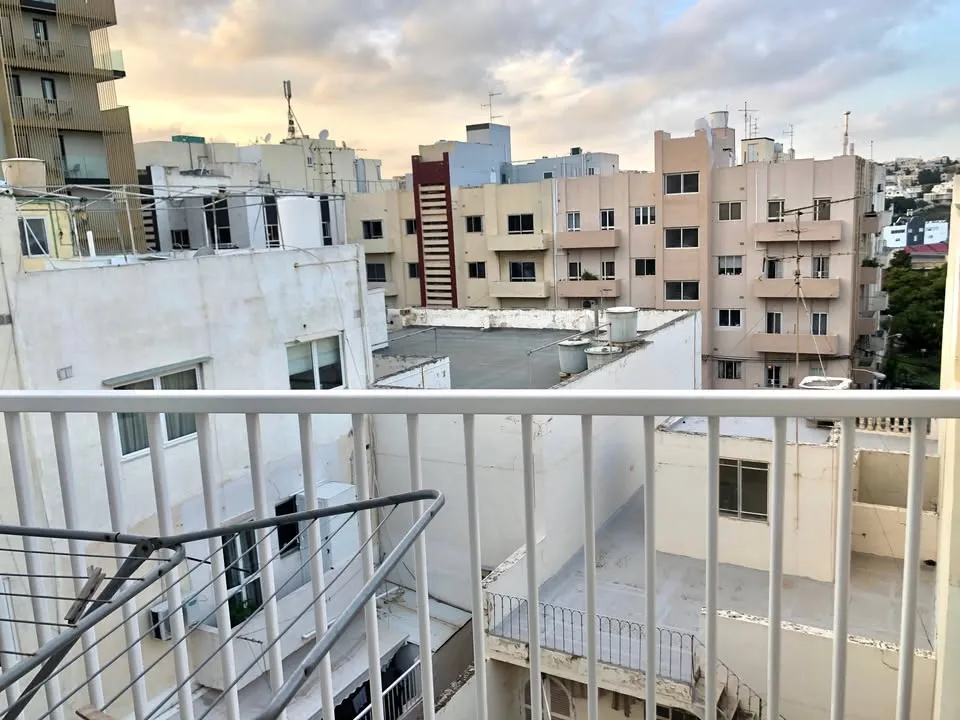
Msida Modern Apartment
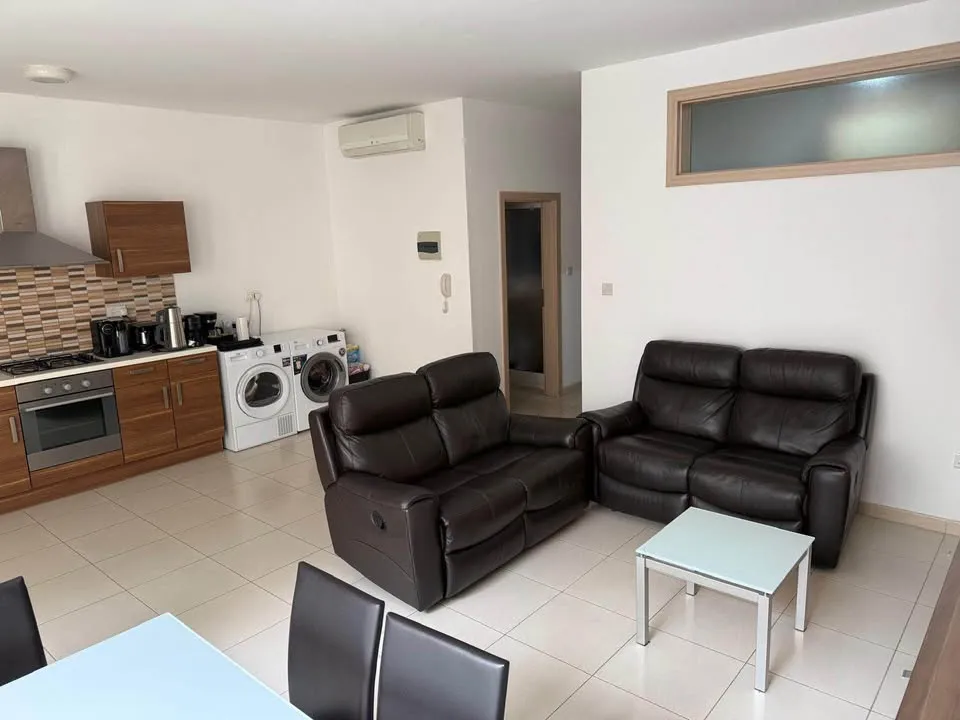
Msida apartment
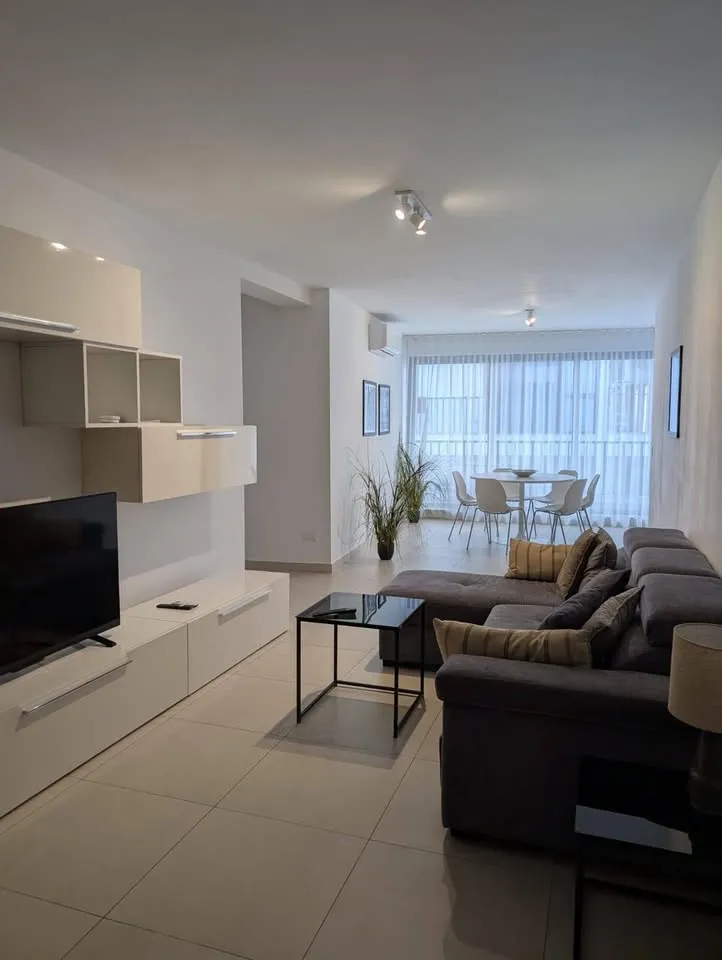
Modern Apartment in Msida
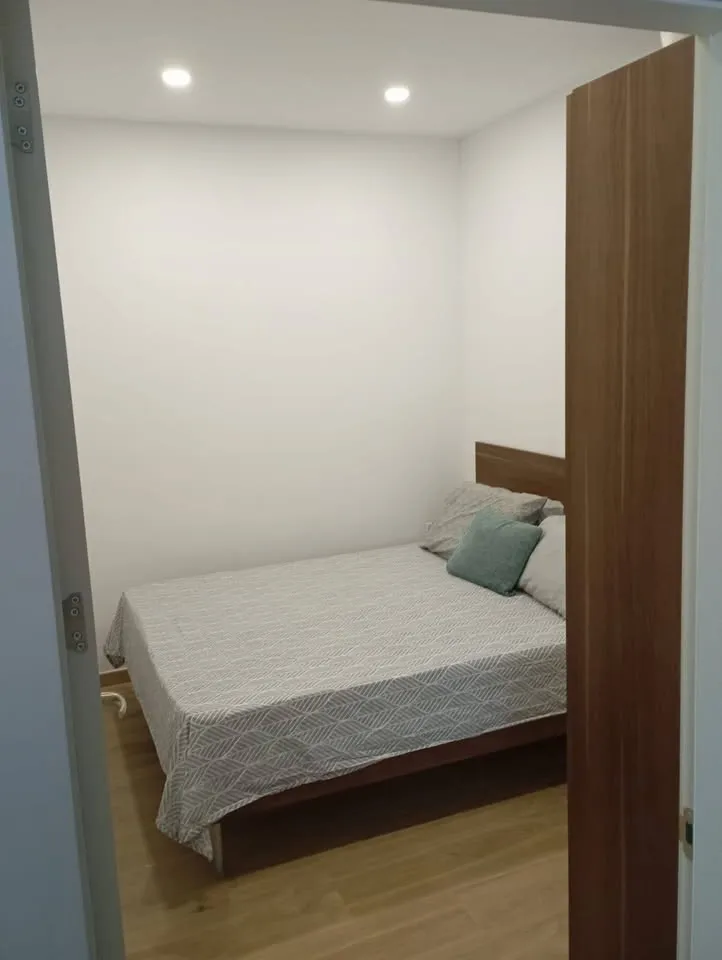
2-BEDROOM APARTMENT FOR RENT IN MSIDA
Pembroke (6 listings)
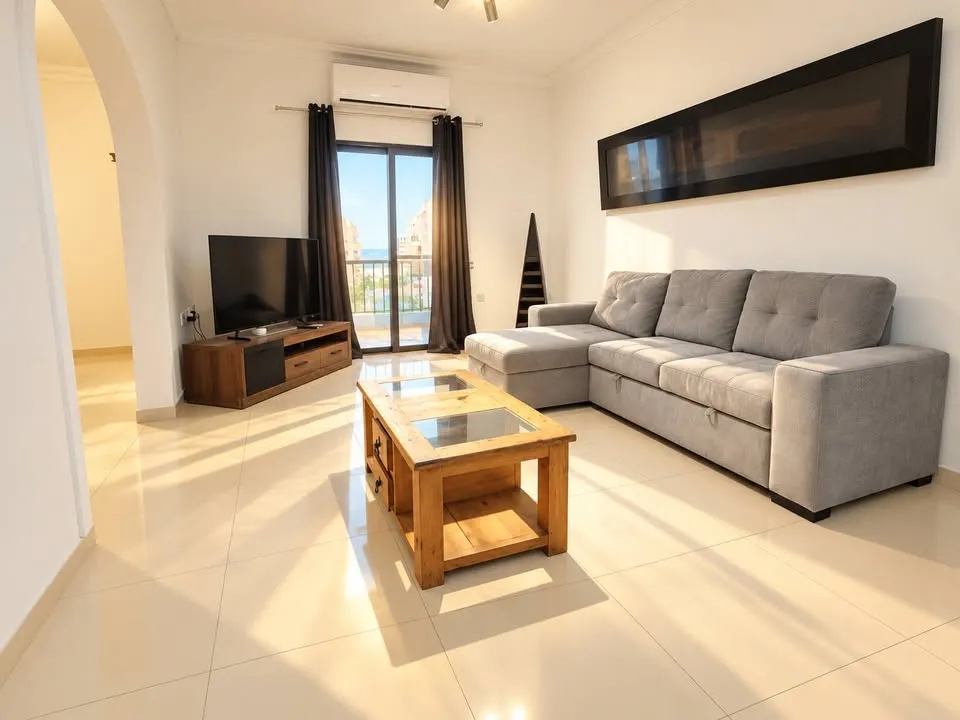
For Rent in Pembroke
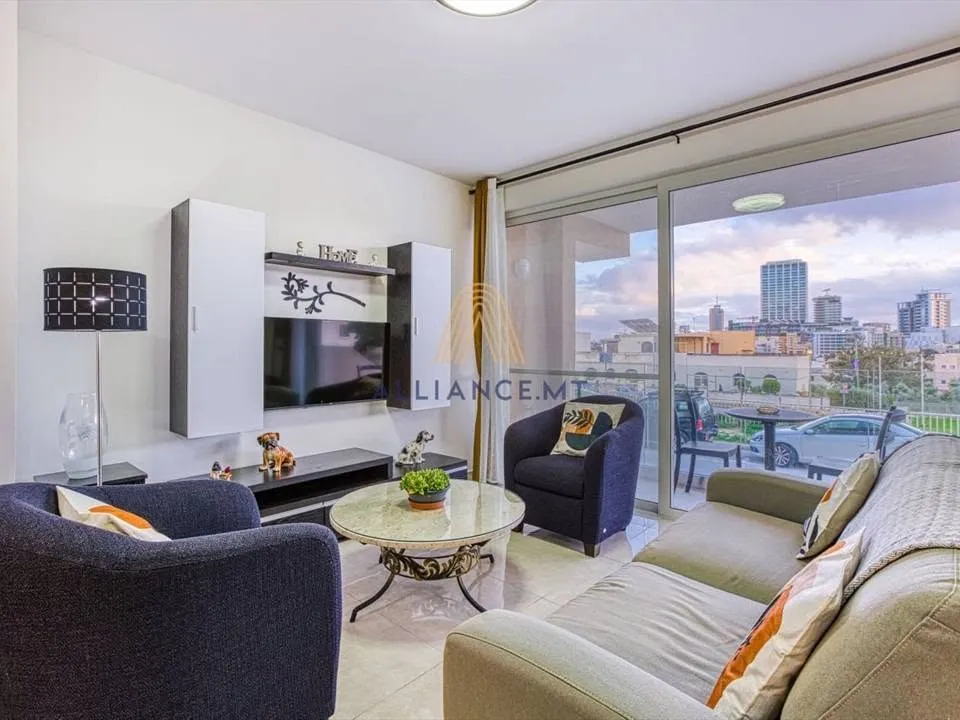
Property in Pembroke, Reġjun tal-Lvant
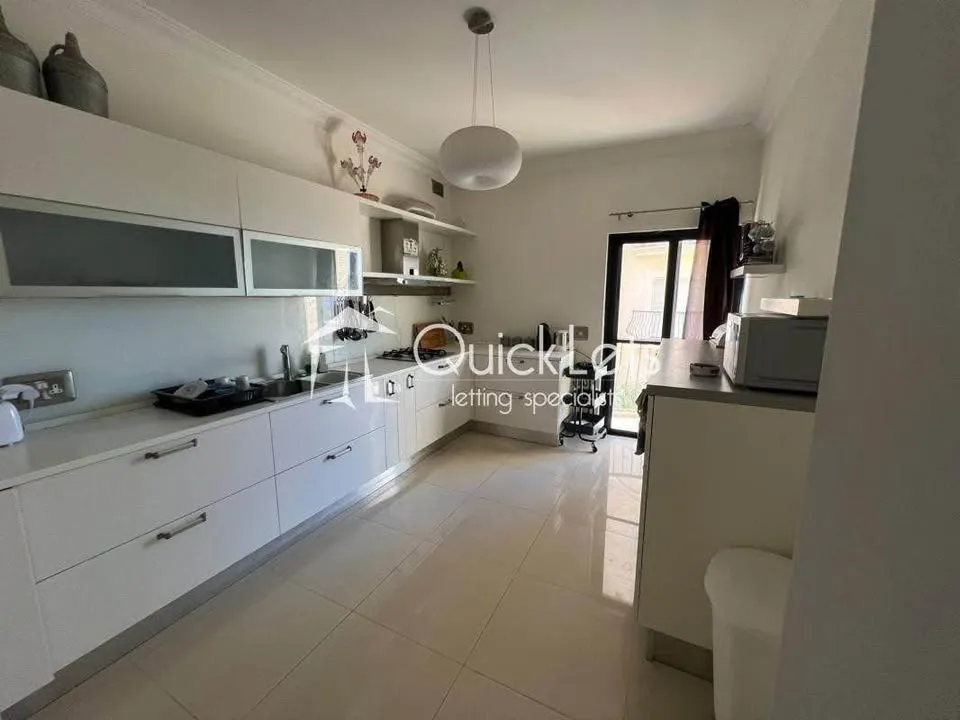
2 Bedrooms in Pembroke, Malta