Pembroke vs Sliema
Side-by-side comparison of property prices, lifestyle, and practical info to help you choose the right area.
Summary
Living in Pembroke
Pembroke is one of Malta's newest towns, built on land that served as a British military base from the 1860s until the navy left in 1979. Named after the 12th Earl of Pembroke, the area still bears visible traces of its military past — coastal fortifications, Victorian-era barracks, and gun emplacements that once guarded the approach to the Grand Harbour. The town has developed rapidly since the 1990s into a residential area popular with middle-class Maltese families and expat professionals. The housing stock is predominantly modern apartment blocks and terraced houses, with some newer villa developments on the eastern edge. Pembroke's big advantage is greenspace — the town sits adjacent to the Pembroke Garigue Nature Reserve, a protected area of rocky coastline and wild garigue habitat that's one of the few remaining natural spaces in urban Malta. Pembroke occupies a strategic position between St. Julian's and the northern coast. It's close enough to Paceville and Sliema to benefit from their amenities but far enough to escape the noise and congestion. Property prices sit in the mid-range — above the southern towns but below the premium coastal strip.
Highlights
- Pembroke Garigue Nature Reserve — protected coastline
- Former British military base with Victorian fortifications
- Mid-range property between St. Julian's and the north
- Popular with families and expat professionals
- Greenspace rare in this part of Malta
Living in Sliema
Sliema is Malta's premier waterfront district, a vibrant stretch of coastline where modern apartment towers meet historic townhouses along a sweeping seafront promenade. Once a quiet fishing village favoured by Valletta's upper class as a summer retreat, Sliema transformed in the 20th century into the island's commercial and residential hub. The Strand and Tower Road form the backbone of daily life here, lined with cafes, restaurants, and retail chains that draw both locals and tourists year-round. The area is defined by its rocky beaches and swimming spots — no sand, but plenty of lidos and concrete platforms where residents take their morning dip with views across to Valletta's Grand Harbour. The Ferries terminal connects Sliema to the capital in under ten minutes by boat, making it one of the best-connected spots on the island. Tigne Point and The Point Shopping Mall anchor the northern end, while the quieter Exiles and Qui-Si-Sana areas offer respite from the commercial buzz. Sliema is the default choice for expats relocating to Malta, particularly those working in the gaming, finance, and tech sectors. The property market here is the most active on the island, with a high turnover of rental apartments and a steady pipeline of new developments. Parking is notoriously difficult and traffic congestion is a daily reality, but most residents find that walkability and proximity to everything compensate.
Highlights
- Seafront promenade stretching 3km along the coast
- 10-minute ferry to Valletta
- The Point — Malta's largest shopping mall
- Rocky beaches and swimming lidos
- Highest concentration of modern apartments on the island
Lifestyle Comparison
Which Area Is Right For You?
Choose Pembroke
Pembroke comes out ahead in family, safety, beaches .
Choose Sliema
Sliema comes out ahead in dining, nightlife, transport .
Frequently Asked Questions
Available Properties
Pembroke (6 listings)
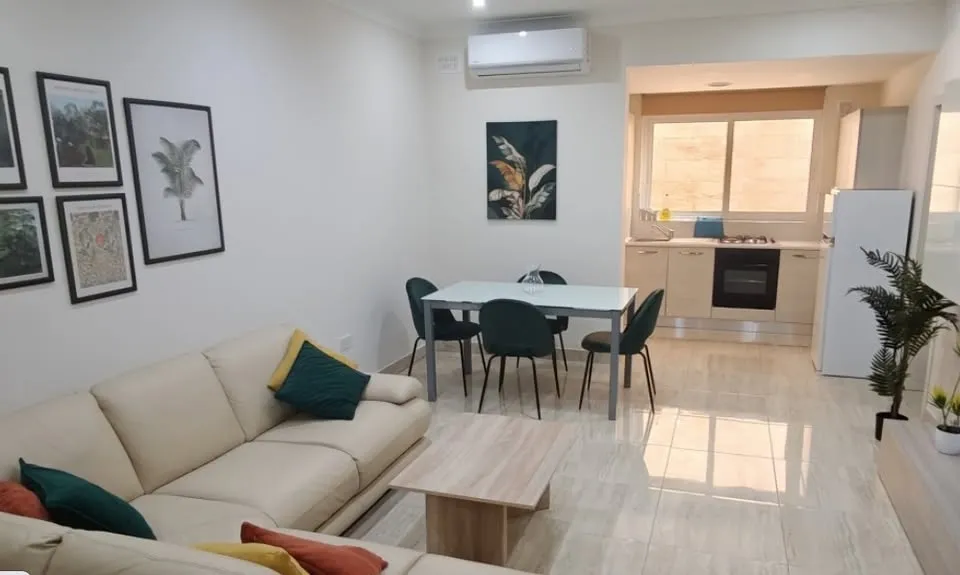
For Rent in Pembroke
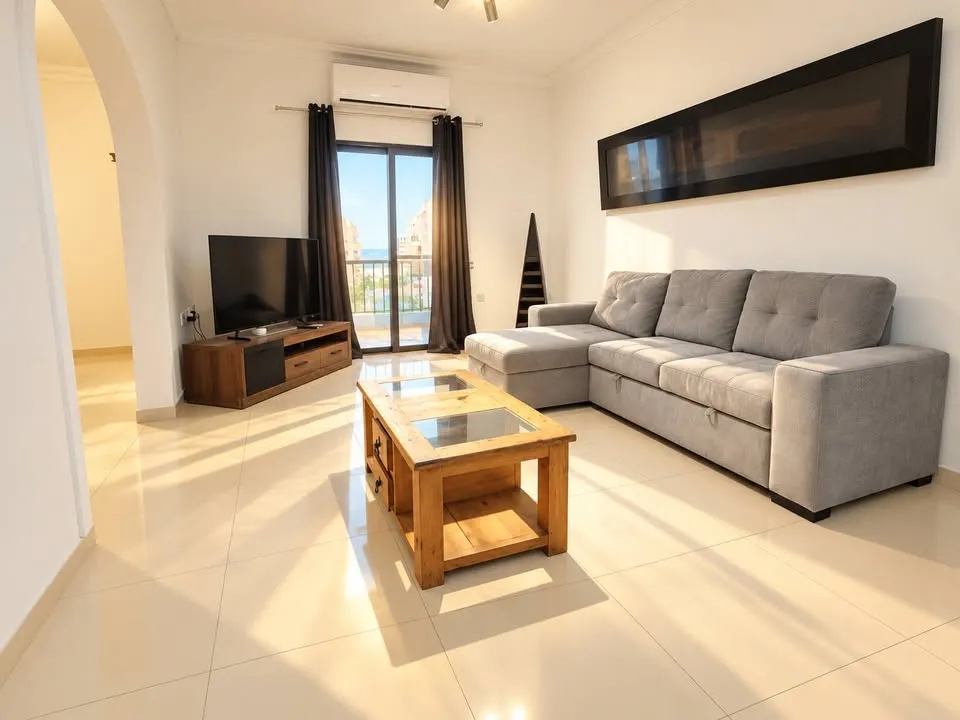
Property in Pembroke, Reġjun tal-Lvant
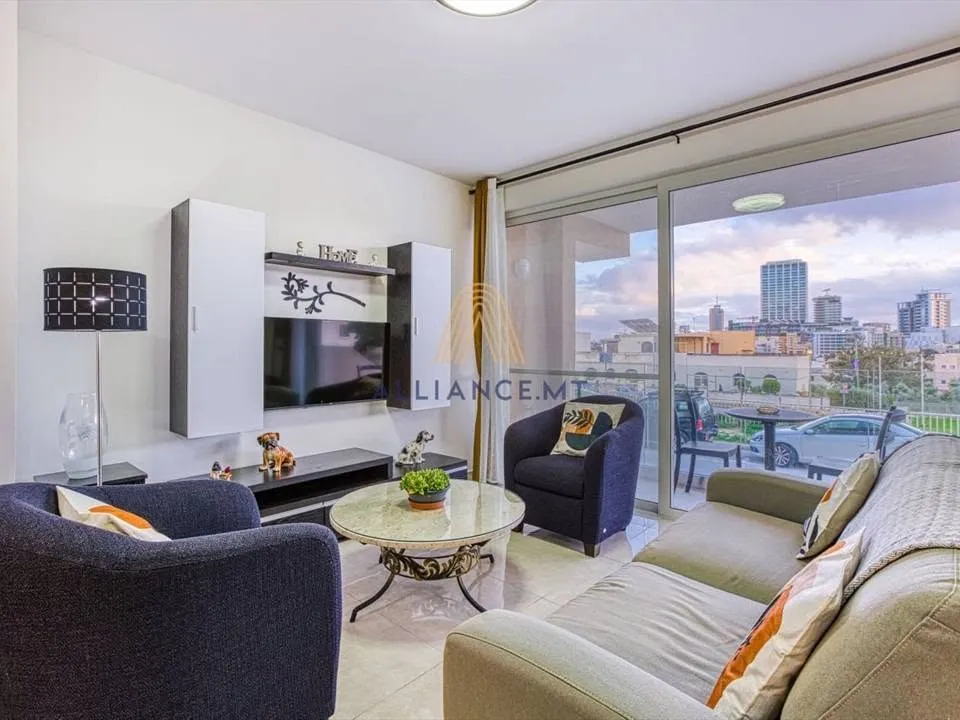
2 Bedrooms in Pembroke, Malta
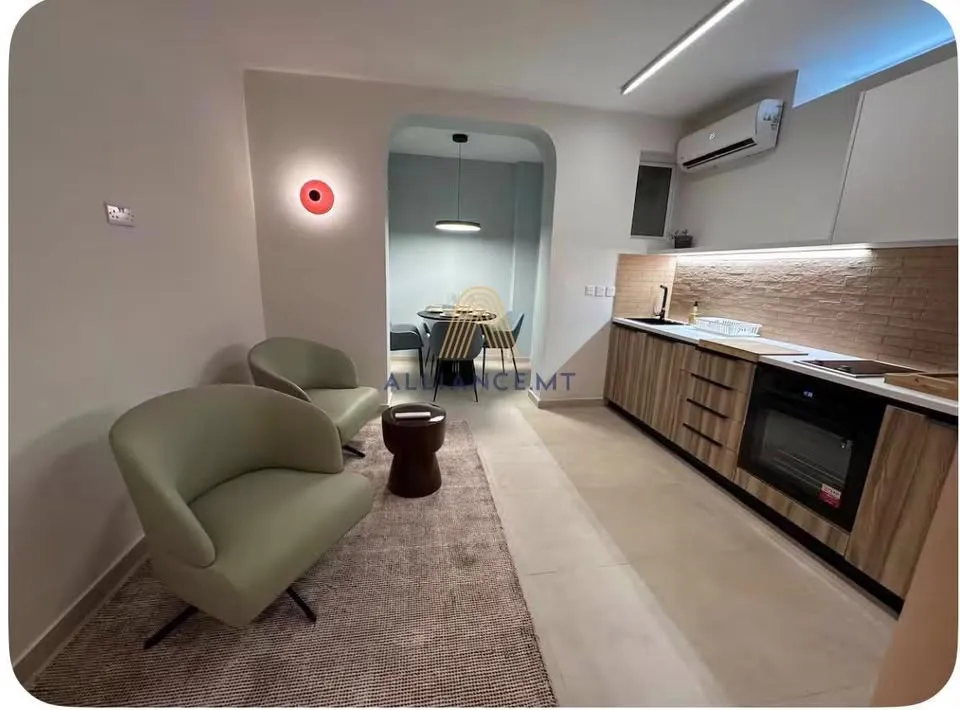
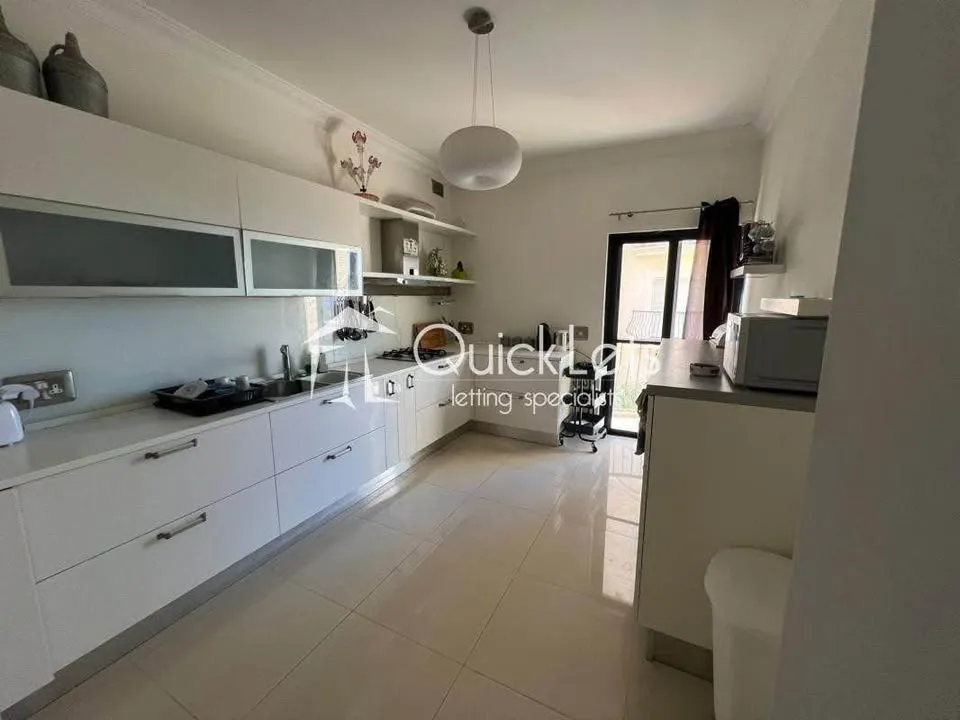
HIGH END 1-Bedroom Maisonette in Pembroke!
Sliema (81 listings)
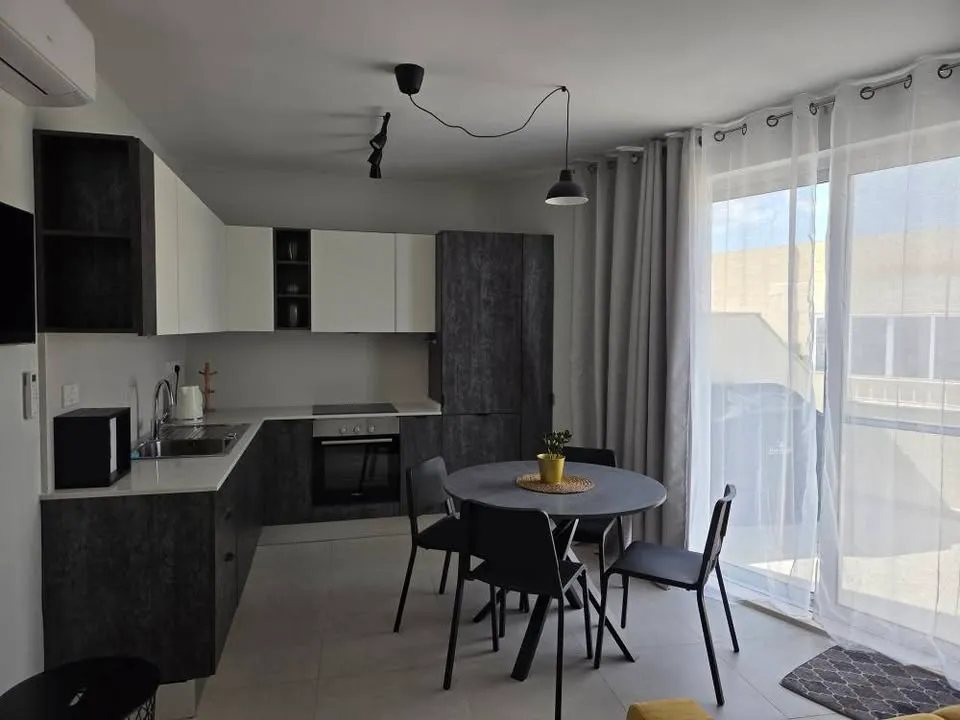
Newly finished two bedroom duplex penthouse in Sliema
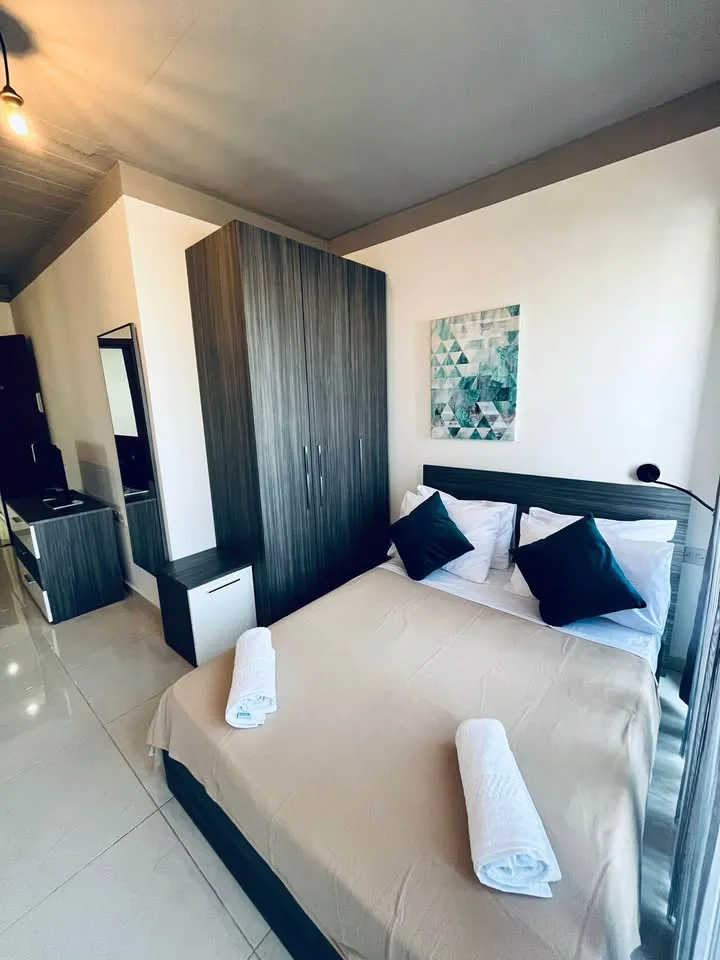
1 Bedroom in Sliema
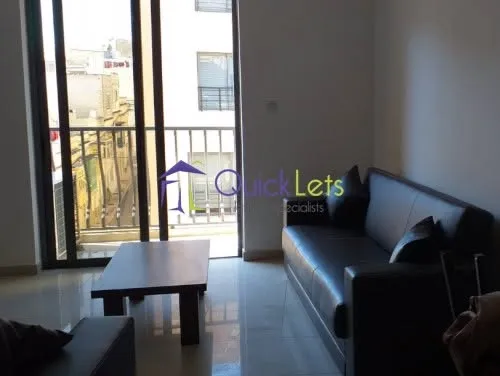
SLIEMA | 3-Bedroom Apartment Near Balluta Bay