Pembroke vs St. Paul's Bay
Side-by-side comparison of property prices, lifestyle, and practical info to help you choose the right area.
Summary
Modern residential town with military heritage
Expansive northern coastal community
Living in Pembroke
Pembroke is one of Malta's newest towns, built on land that served as a British military base from the 1860s until the navy left in 1979. Named after the 12th Earl of Pembroke, the area still bears visible traces of its military past — coastal fortifications, Victorian-era barracks, and gun emplacements that once guarded the approach to the Grand Harbour. The town has developed rapidly since the 1990s into a residential area popular with middle-class Maltese families and expat professionals. The housing stock is predominantly modern apartment blocks and terraced houses, with some newer villa developments on the eastern edge. Pembroke's big advantage is greenspace — the town sits adjacent to the Pembroke Garigue Nature Reserve, a protected area of rocky coastline and wild garigue habitat that's one of the few remaining natural spaces in urban Malta. Pembroke occupies a strategic position between St. Julian's and the northern coast. It's close enough to Paceville and Sliema to benefit from their amenities but far enough to escape the noise and congestion. Property prices sit in the mid-range — above the southern towns but below the premium coastal strip.
Highlights
- Pembroke Garigue Nature Reserve — protected coastline
- Former British military base with Victorian fortifications
- Mid-range property between St. Julian's and the north
- Popular with families and expat professionals
- Greenspace rare in this part of Malta
Living in St. Paul's Bay
St. Paul's Bay is Malta's largest northern coastal town — a sprawling stretch of shoreline that encompasses the old fishing village of Xemxija, the tourist strips of Bugibba and Qawra, and the residential community of Burmarrad inland. According to the Bible, St. Paul was shipwrecked here in AD 60, an event that brought Christianity to Malta and gave the area its name. The town has grown explosively over the past two decades, transforming from a quiet seasonal resort into a year-round community of over 25,000 residents. Retired British expats, Maltese families priced out of the central coast, and a growing number of foreign workers have all settled here, drawn by coastal living at more manageable prices than Sliema or St. Julian's. The waterfront is the town's main asset — a long promenade connecting the old fisherman's quay to Bugibba's square to Qawra's rocky beaches. The Malta National Aquarium sits at the Bugibba end, and the Xemxija Heritage Walk traces ancient cart ruts and Roman roads into the hills. Properties range from modern seafront apartments to older terraced houses inland, with prices significantly below the central coast.
Highlights
- Malta's largest coastal town by population
- Biblical shipwreck site of St. Paul
- Malta National Aquarium at Bugibba
- Rocky beaches and coastal promenade
- More affordable than the central coast
Lifestyle Comparison
Which Area Is Right For You?
Choose Pembroke
Pembroke comes out ahead in family .
Choose St. Paul's Bay
St. Paul's Bay comes out ahead in dining, nightlife, transport .
Frequently Asked Questions
Available Properties
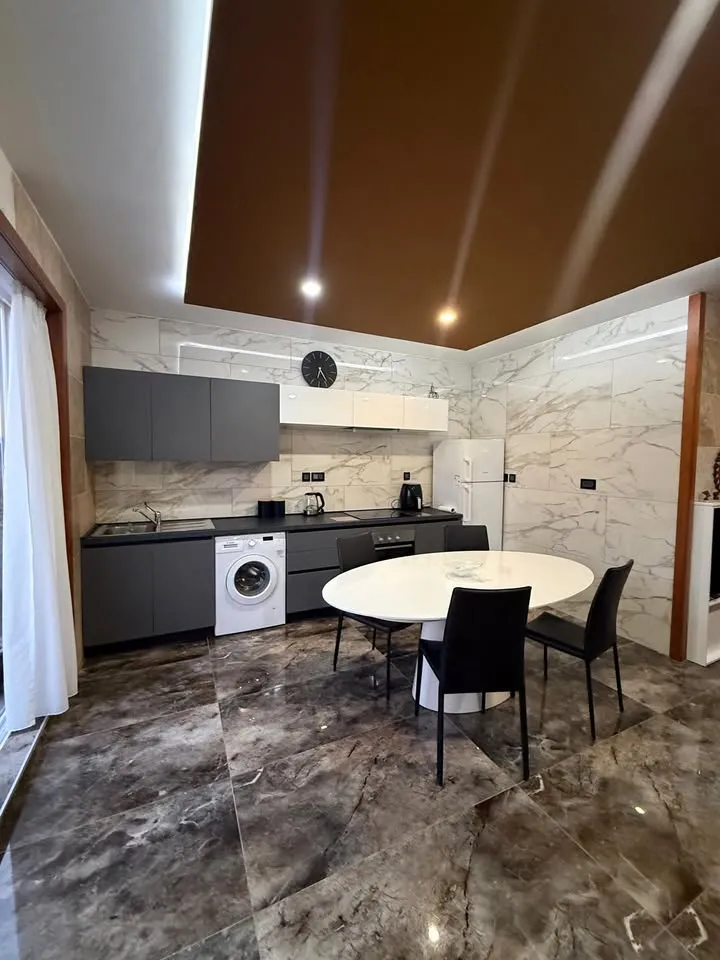
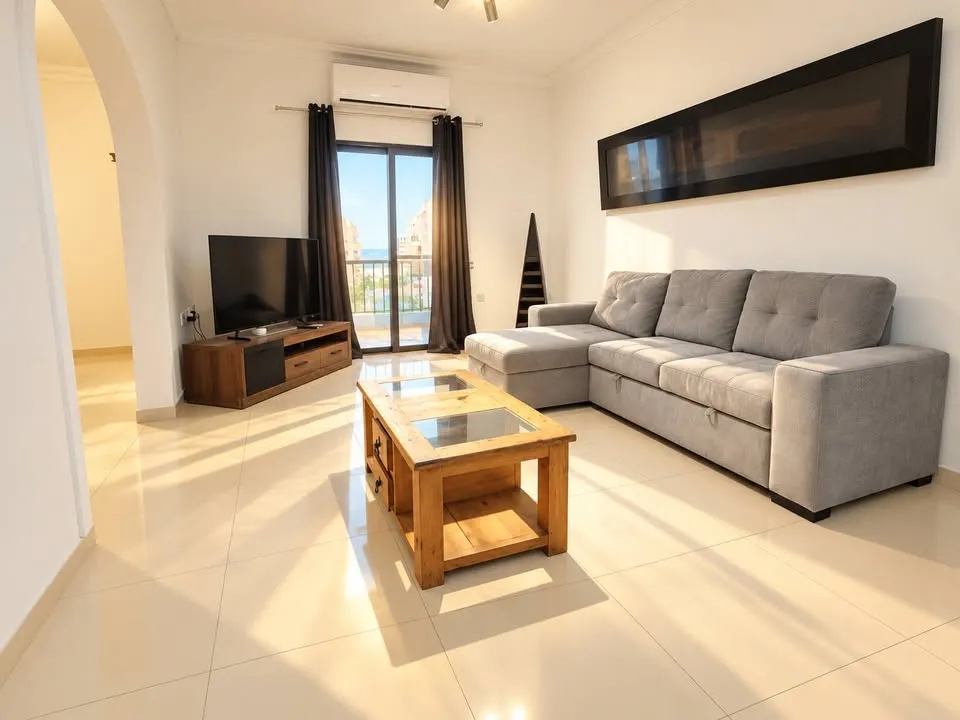
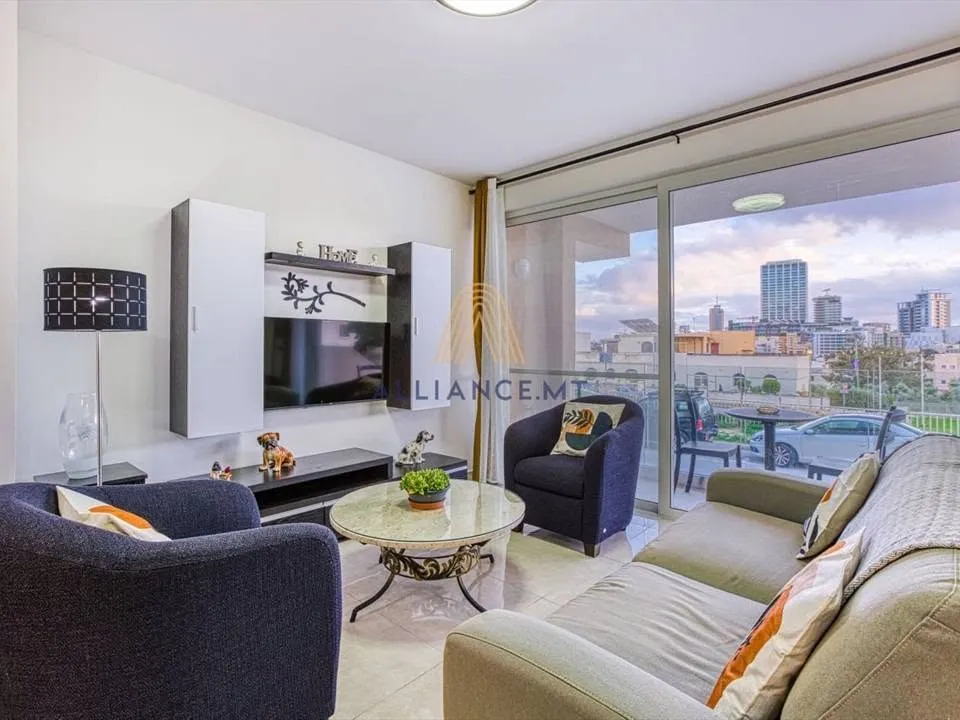
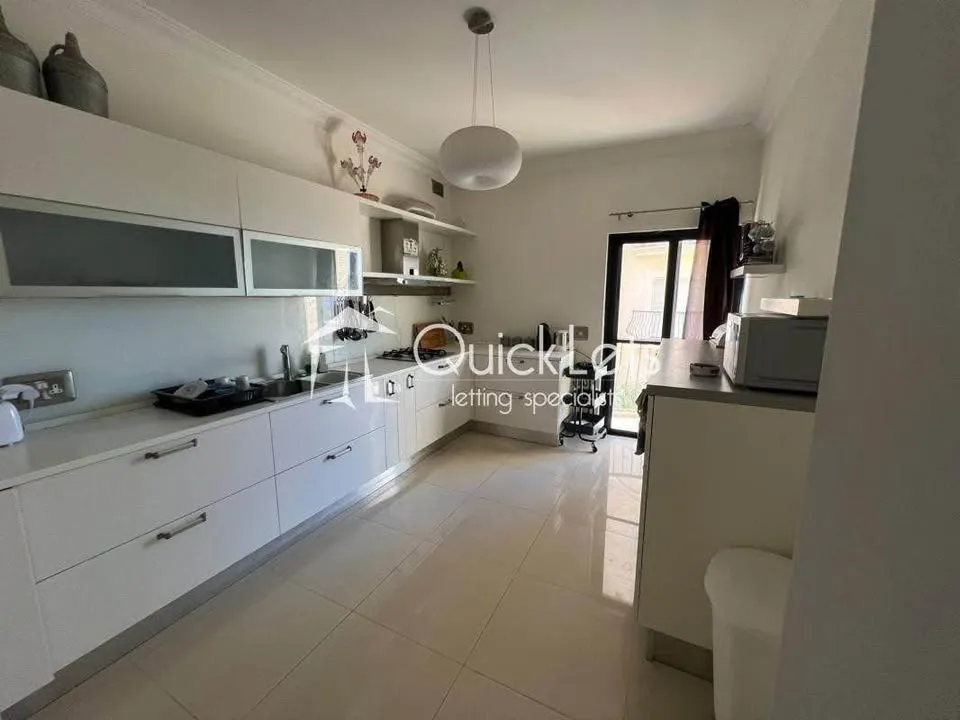
Pembroke (6 listings)
For Rent in Pembroke
Property in Pembroke, Reġjun tal-Lvant
2 Bedrooms in Pembroke, Malta
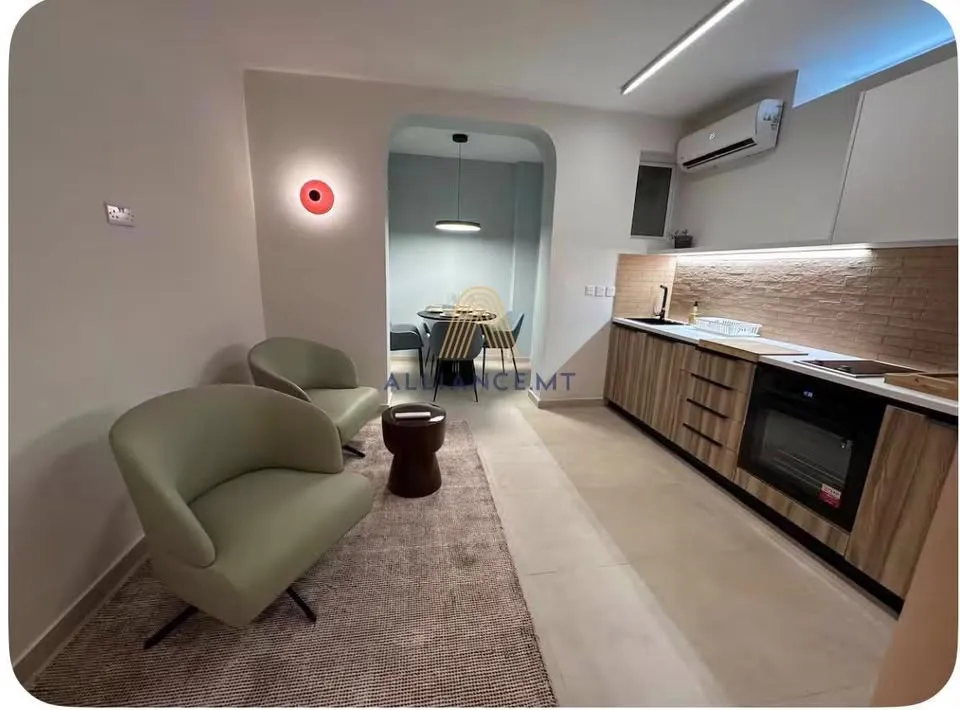
HIGH END 1-Bedroom Maisonette in Pembroke!
St. Paul's Bay (46 listings)
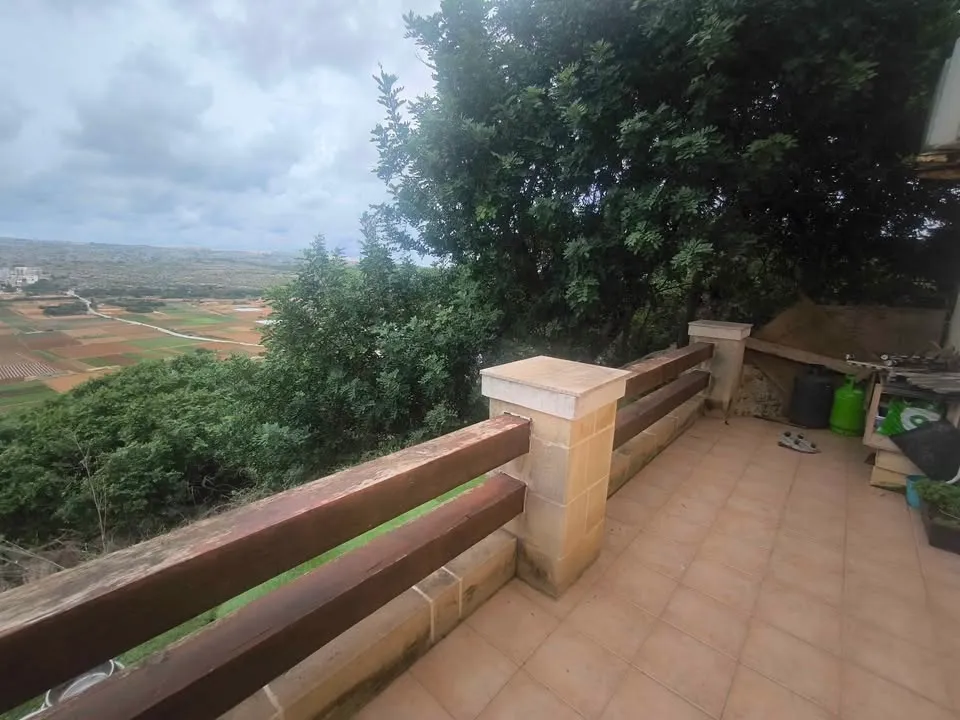
Tuffieha Farm House in San Pawl il-Baħar
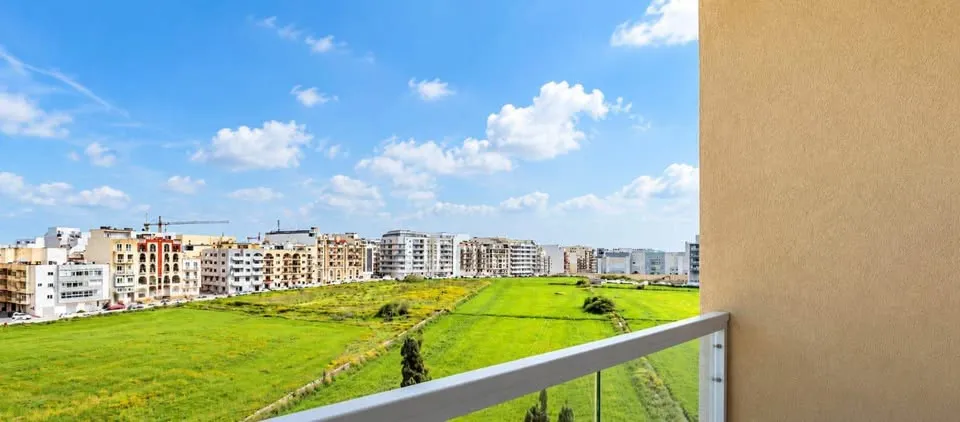
Brand-new 2-bedroom apartment in Qawra
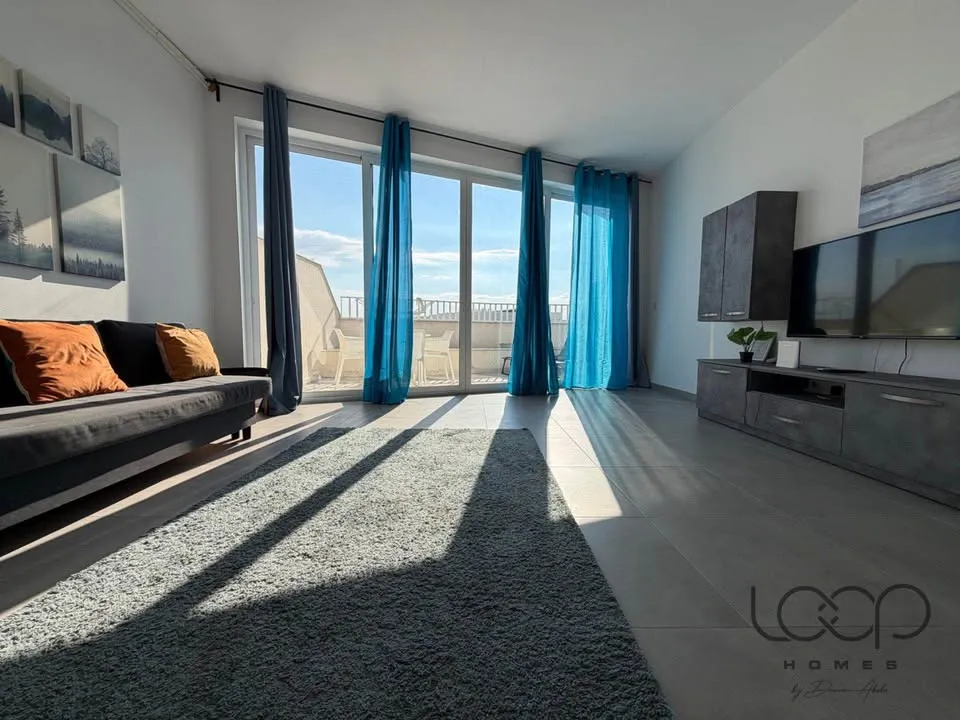
Modern 2 Bedroom Penthouse in Qawra/San Pawl il-Baħar