Pembroke vs Valletta
Side-by-side comparison of property prices, lifestyle, and practical info to help you choose the right area.
Summary
Living in Pembroke
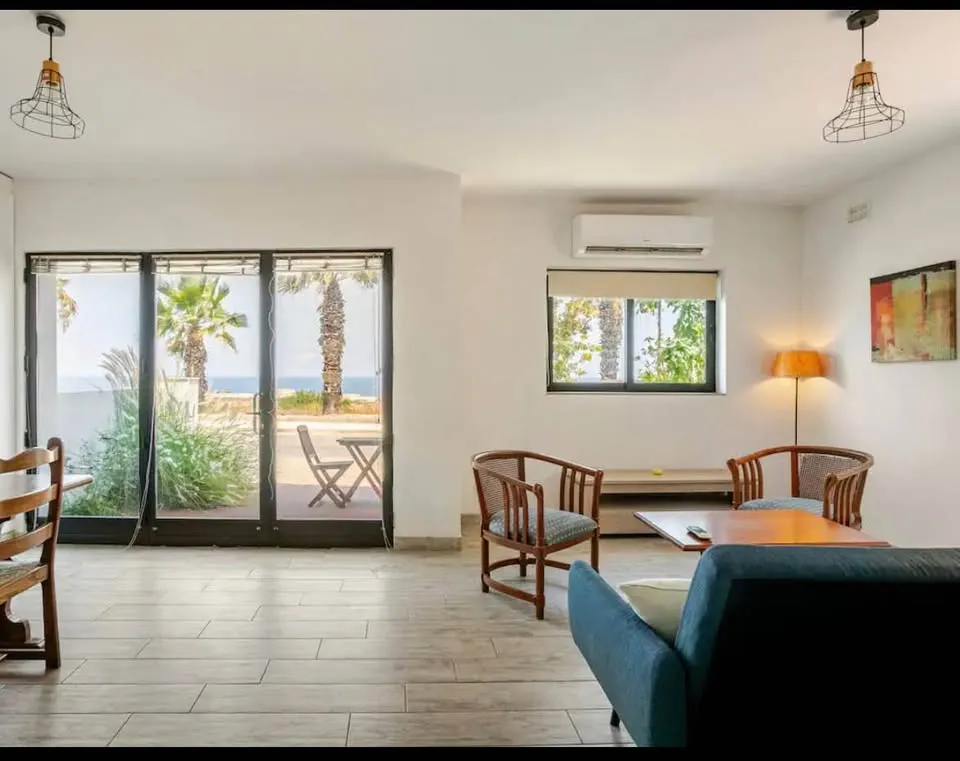
Pembroke is one of Malta's newest towns, built on land that served as a British military base from the 1860s until the navy left in 1979. Named after the 12th Earl of Pembroke, the area still bears visible traces of its military past — coastal fortifications, Victorian-era barracks, and gun emplacements that once guarded the approach to the Grand Harbour. The town has developed rapidly since the 1990s into a residential area popular with middle-class Maltese families and expat professionals. The housing stock is predominantly modern apartment blocks and terraced houses, with some newer villa developments on the eastern edge. Pembroke's big advantage is greenspace — the town sits adjacent to the Pembroke Garigue Nature Reserve, a protected area of rocky coastline and wild garigue habitat that's one of the few remaining natural spaces in urban Malta. Pembroke occupies a strategic position between St. Julian's and the northern coast. It's close enough to Paceville and Sliema to benefit from their amenities but far enough to escape the noise and congestion. Property prices sit in the mid-range — above the southern towns but below the premium coastal strip.
Highlights
- Pembroke Garigue Nature Reserve — protected coastline
- Former British military base with Victorian fortifications
- Mid-range property between St. Julian's and the north
- Popular with families and expat professionals
- Greenspace rare in this part of Malta
Living in Valletta
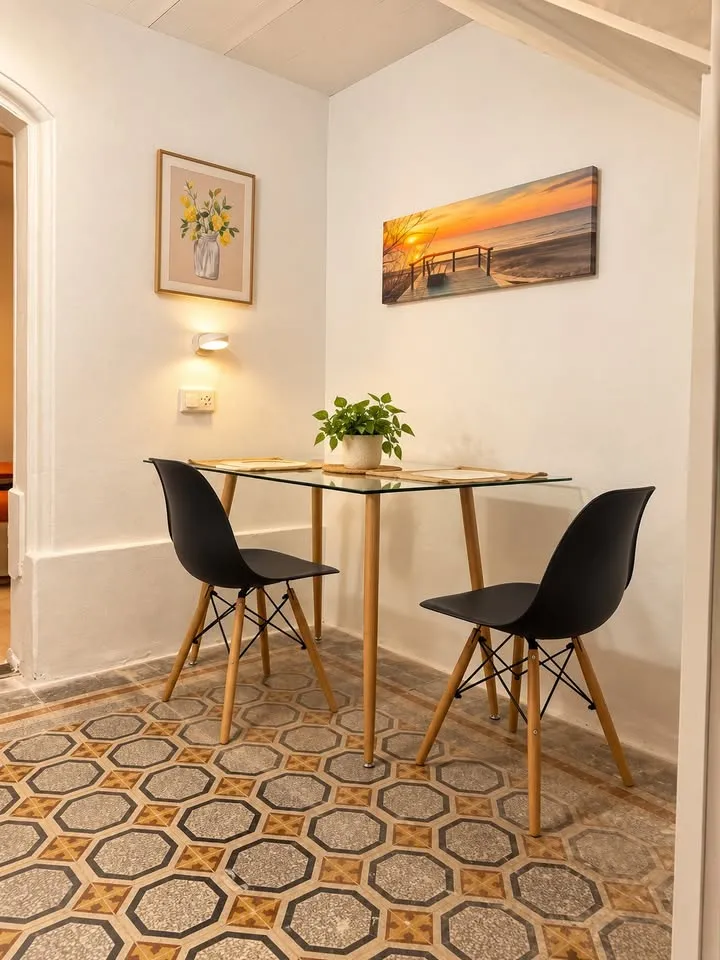
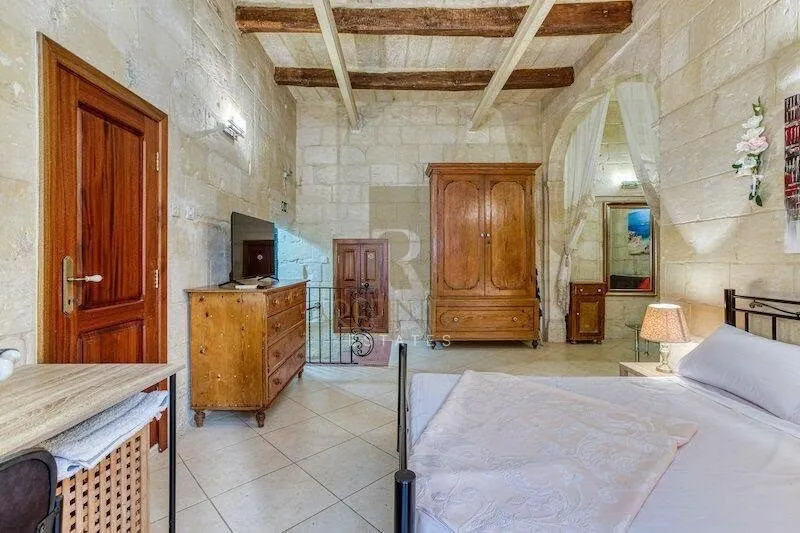
Valletta is a living museum — a UNESCO World Heritage city built by the Knights of St. John in the 16th century, designed on a grid plan so ahead of its time that it's still functional 450 years later. Every street reveals something remarkable: baroque churches with Caravaggio paintings inside, grand auberges that housed the knightly orders, and rooftop terraces with views across two harbours that have shaped Mediterranean history. As Malta's capital and administrative centre, Valletta punches well above its size. It packs government buildings, foreign embassies, boutique hotels, and a thriving restaurant scene into less than a square kilometre. The city went through a renaissance after its 2018 European Capital of Culture year — old buildings were restored, pedestrian zones expanded, and a creative community took root alongside the traditional Maltese families who've lived here for generations. Living in Valletta is a specific choice. Properties are predominantly historic townhouses and converted palazzos, often with original stone floors and enclosed wooden balconies. Space is at a premium, parking is almost nonexistent, and grocery shopping means visiting small shops rather than supermarkets. But residents gain something rare — a walkable city where the sea is always two streets away, where culture is on the doorstep, and where the evening paseggiata along the bastions at golden hour never gets old.
Highlights
- UNESCO World Heritage Site — entire city
- St. John's Co-Cathedral with Caravaggio's Beheading of St. John
- Barrakka Gardens with panoramic Grand Harbour views
- Grid-plan streets designed in 1566, still functional today
- 2018 European Capital of Culture
Lifestyle Comparison
Which Area Is Right For You?
Choose Pembroke
Pembroke comes out ahead in family, beaches .
Choose Valletta
Valletta comes out ahead in dining, safety, nightlife, transport .