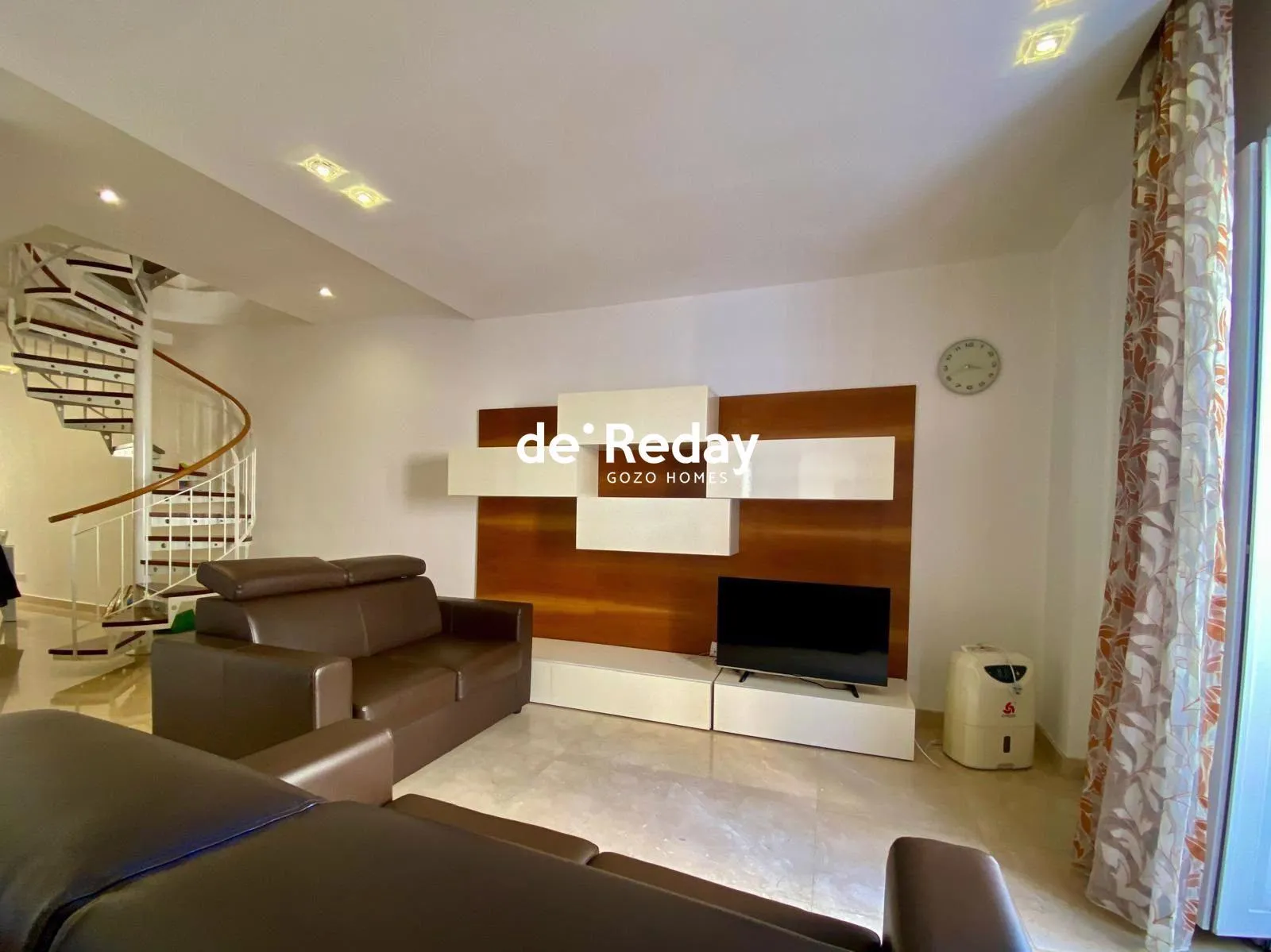
Pembroke vs Xaghra
Side-by-side comparison of property prices, lifestyle, and practical info to help you choose the right area.
Summary
Pembroke suits families and nature lovers wanting modern mainland living, while Xaghra is the clear choice for tourists and culture lovers seeking historic village life near Gozo's best beach.
Pembroke sits between St Julian's and Malta's northern beaches, with bus routes 120, 225 and 212 connecting to Sliema and Valletta in under 30 minutes. The town scores 8/10 for family appeal and safety, and 7/10 for beaches and transport. Property here is mid-range for the coastal strip, with modern housing stock, parking, and the protected Pembroke Garigue Nature Reserve on the doorstep. Xaghra is a 4,900-resident hilltop village in Gozo that scores 10/10 for beaches thanks to direct access to Ramla l-Hamra, and 9/10 for safety. Home to the 5,500-year-old Ggantija Temples, it rates just 2/10 for nightlife and 5/10 for transport. Reaching Valletta takes over 90 minutes including the ferry crossing.
Pembroke suits expat professionals and families who want quiet residential living within commuting distance of Sliema and Valletta, with contemporary properties at accessible prices. Xaghra appeals to buyers prioritising heritage, coastal scenery, and traditional village community over convenience — ideal as a holiday home or permanent base for those who do not need mainland access.
Modern residential town with military heritage
Ancient hilltop village above Gozo's finest beach
Living in Pembroke
Pembroke is one of Malta's newest towns, built on land that served as a British military base from the 1860s until the navy left in 1979. Named after the 12th Earl of Pembroke, the area still bears visible traces of its military past — coastal fortifications, Victorian-era barracks, and gun emplacements that once guarded the approach to the Grand Harbour. The town has developed rapidly since the 1990s into a residential area popular with middle-class Maltese families and expat professionals. The housing stock is predominantly modern apartment blocks and terraced houses, with some newer villa developments on the eastern edge. Pembroke's big advantage is greenspace — the town sits adjacent to the Pembroke Garigue Nature Reserve, a protected area of rocky coastline and wild garigue habitat that's one of the few remaining natural spaces in urban Malta. Pembroke occupies a strategic position between St. Julian's and the northern coast. It's close enough to Paceville and Sliema to benefit from their amenities but far enough to escape the noise and congestion. Property prices sit in the mid-range — above the southern towns but below the premium coastal strip.
Highlights
- Pembroke Garigue Nature Reserve — protected coastline
- Former British military base with Victorian fortifications
- Mid-range property between St. Julian's and the north
- Popular with families and expat professionals
- Greenspace rare in this part of Malta
Living in Xaghra
Xaghra (pronounced 'shara') is a hilltop village in northern Gozo that sits above two of the island's most remarkable attractions: Ggantija Temples — the oldest freestanding stone structures in the world, built 1,000 years before the Egyptian pyramids — and Ramla l-Hamra, Gozo's sweep of red-gold sand that's widely considered the best beach in the Maltese islands. The village itself is a pleasant, sleepy Gozitan settlement with a large central square, a parish church, and a few cafes. Ggantija — meaning 'giant's tower' — dominates the local identity. Legend holds that the temples were built by a giantess who carried the massive stone blocks on her head while nursing a baby. The reality is arguably more impressive: a society sophisticated enough to carve and position 50-tonne limestone blocks 5,500 years ago. Property in Xaghra offers a rare combination — village living with direct access to Gozo's best beach. Prices are moderate by Gozo standards, and the village has enough year-round residents to maintain basic amenities. It's quiet in winter and busy in summer, with the beach drawing day-trippers from across Malta.
Highlights
- Ggantija Temples — oldest freestanding structures on Earth
- Ramla l-Hamra — Gozo's best sandy beach
- 5,500-year-old history beneath a quiet village
- Calypso's Cave — legendary home of Homer's nymph
- Moderate property prices with beach access
Lifestyle Comparison
Which Area Is Right For You?
Choose Pembroke
Pembroke comes out ahead in nightlife, transport .
Choose Xaghra
Xaghra comes out ahead in dining, safety, beaches .
Frequently Asked Questions
Available Properties
Pembroke (6 listings)
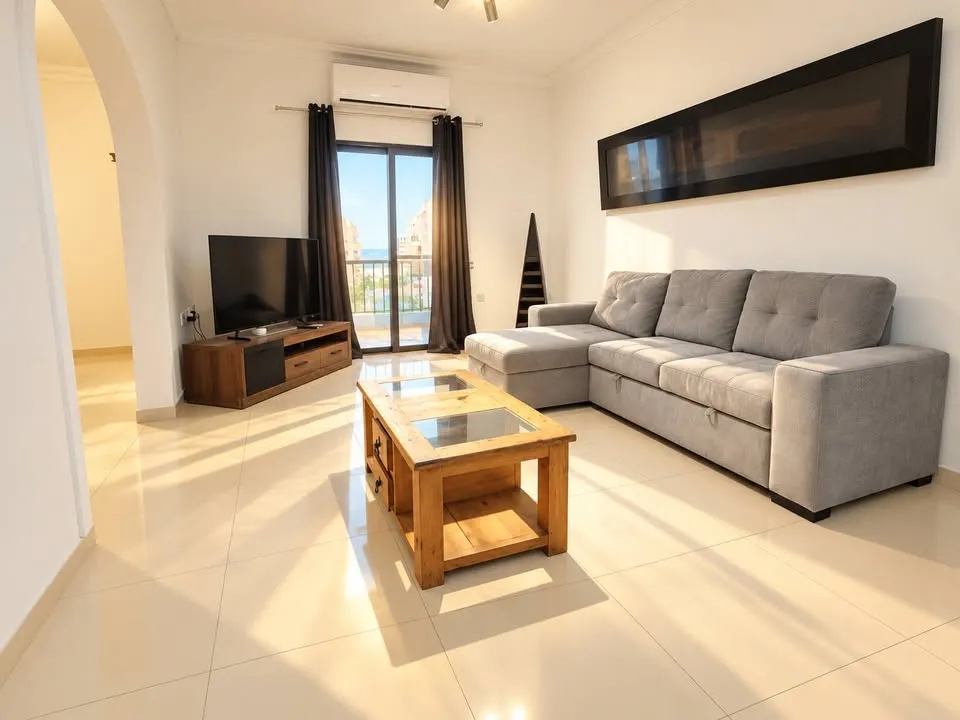
For Rent in Pembroke
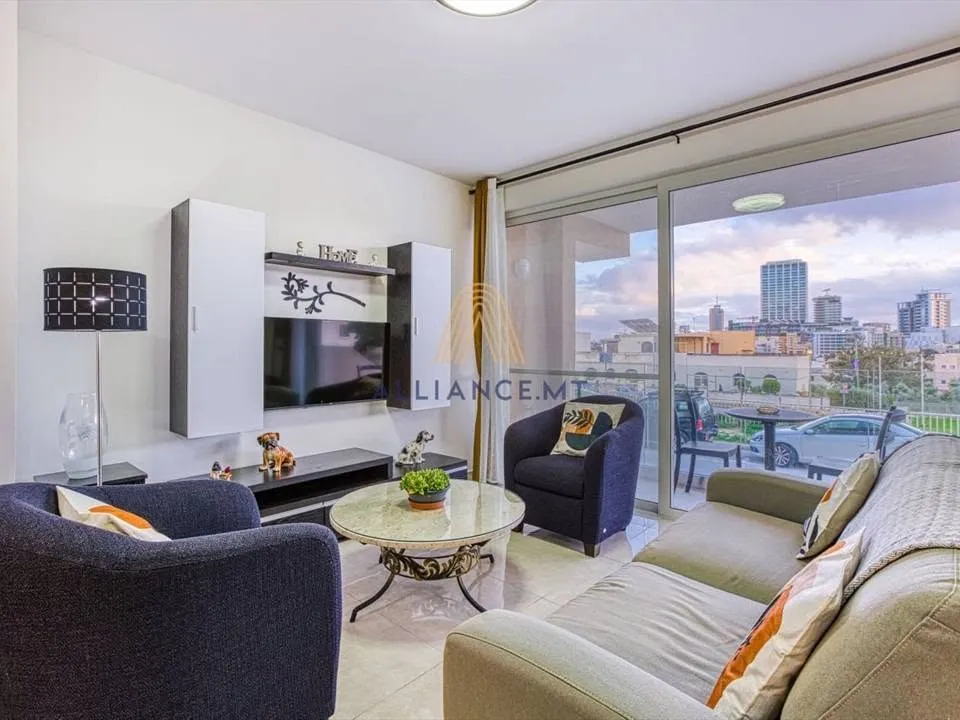
Property in Pembroke, Reġjun tal-Lvant
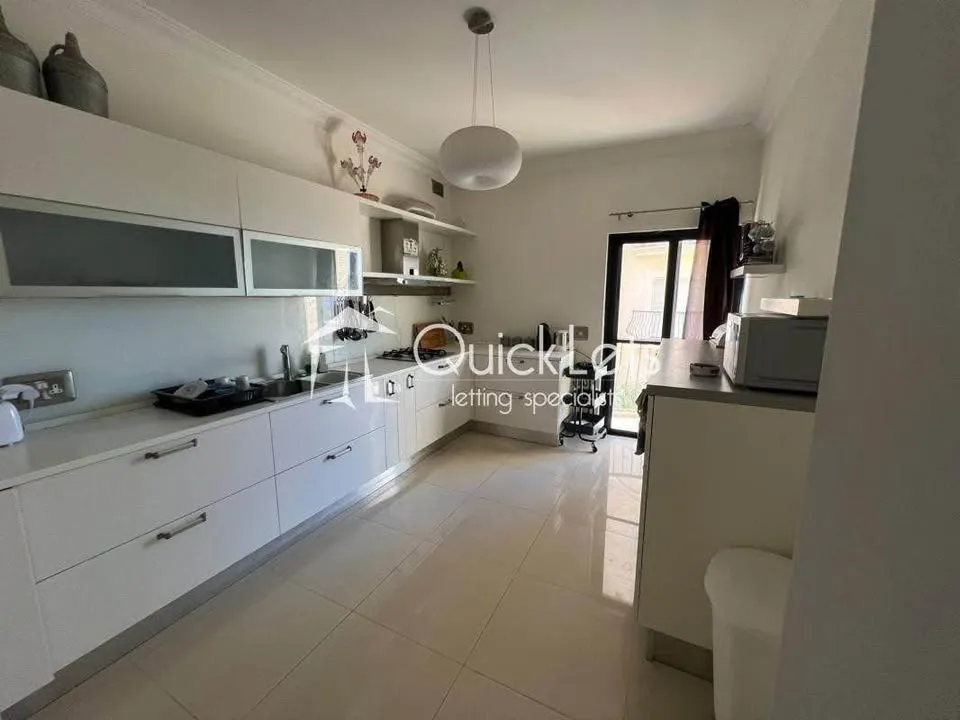
2 Bedrooms in Pembroke, Malta
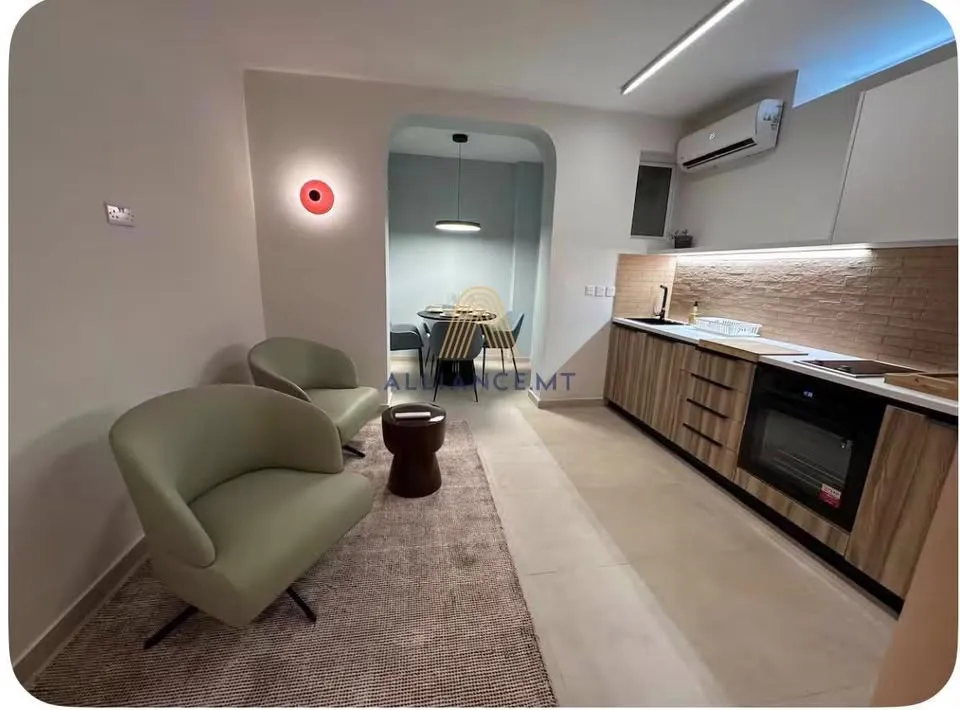
HIGH END 1-Bedroom Maisonette in Pembroke!
Xaghra (4 listings)
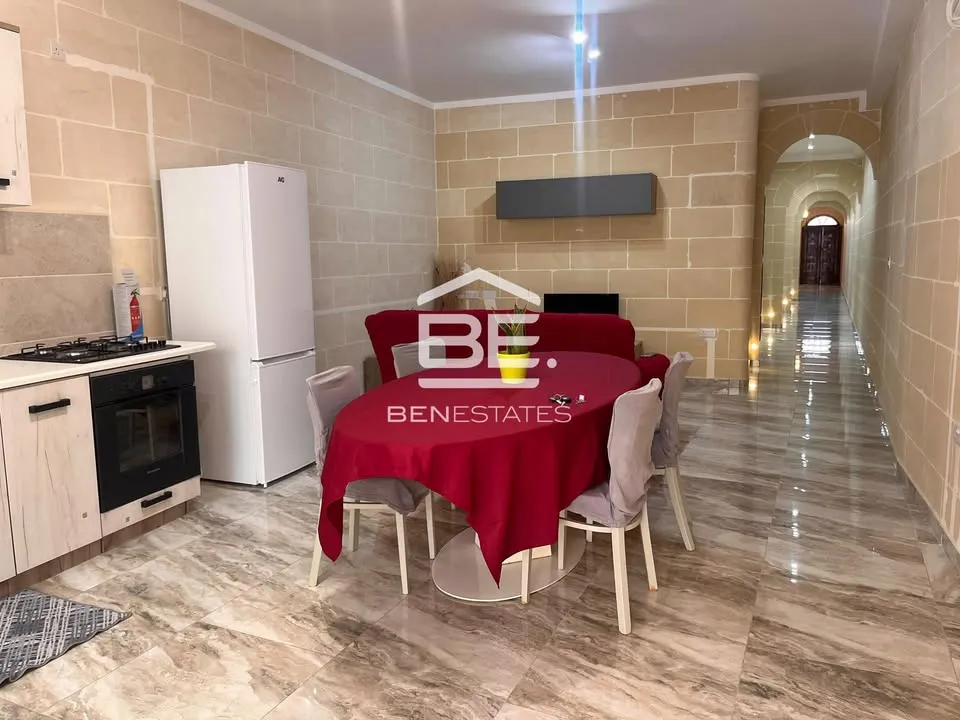
Large Massionette in Xaghra, Gozo
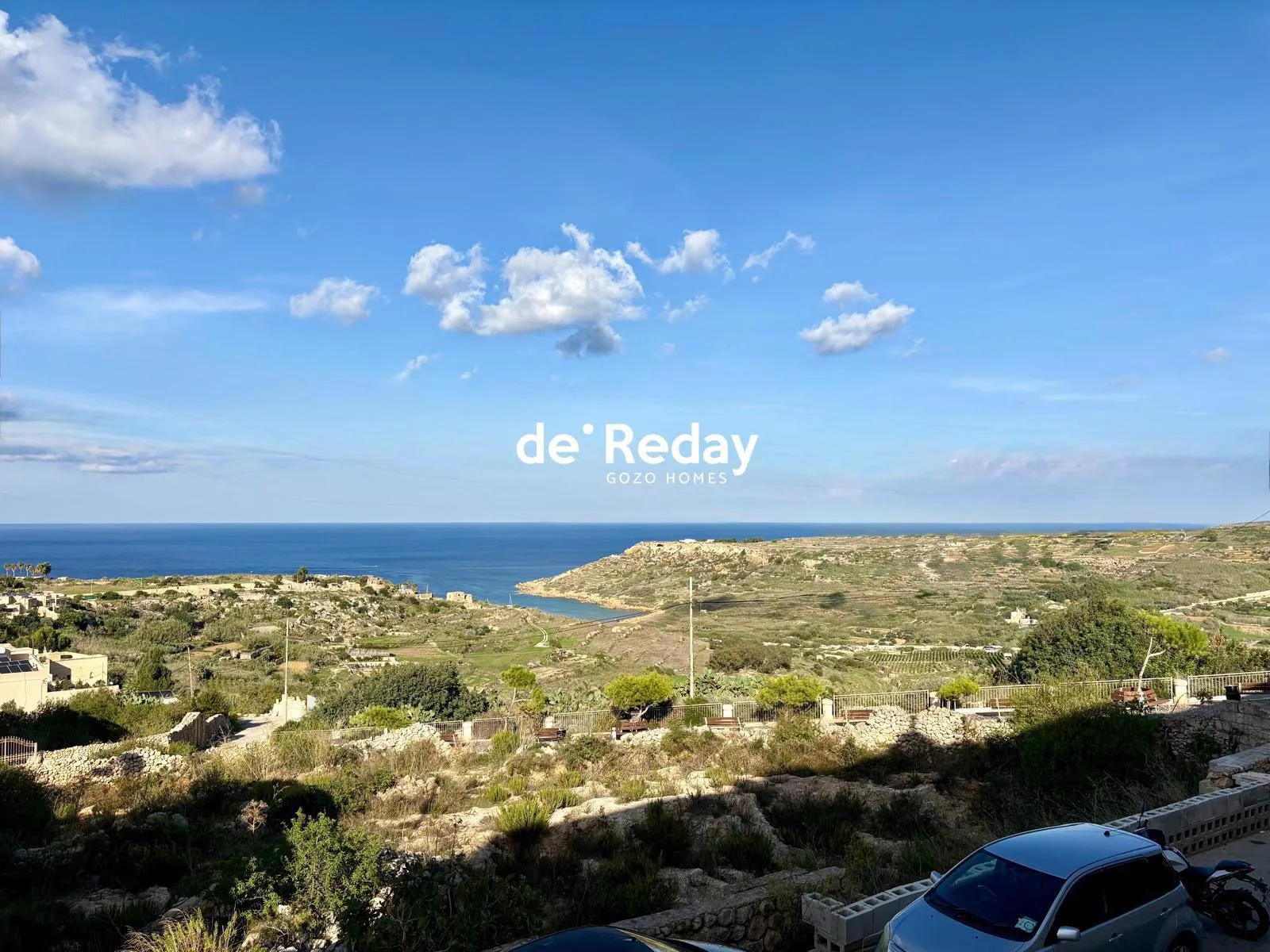
Modern Apartment in Xaghra with Views
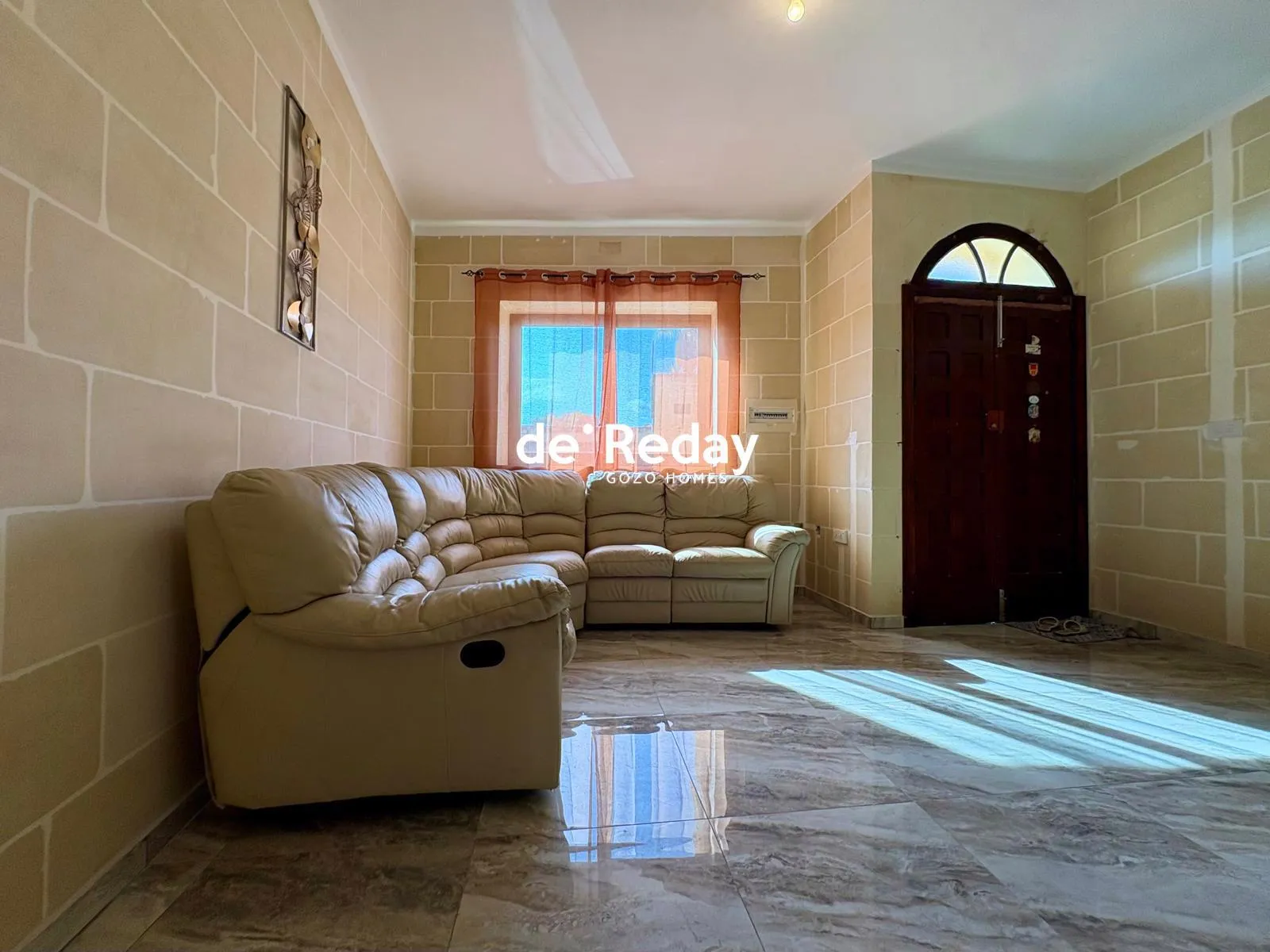
Brand New 3 Bedroom Maisonette