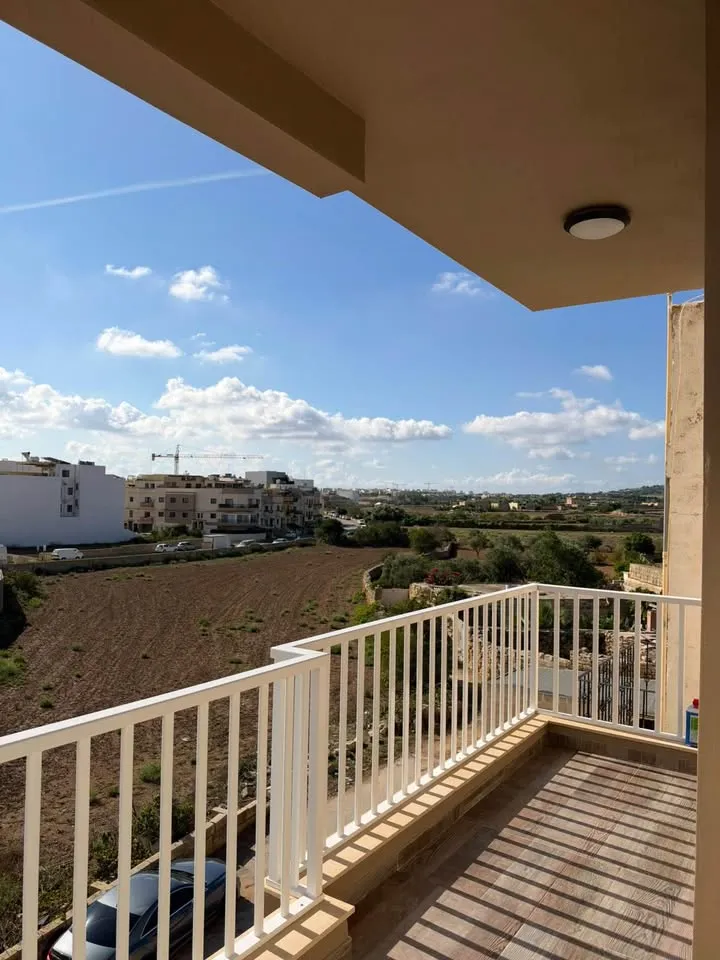
Pembroke vs Zebbug
Side-by-side comparison of property prices, lifestyle, and practical info to help you choose the right area.
Summary
Living in Pembroke
Pembroke is one of Malta's newest towns, built on land that served as a British military base from the 1860s until the navy left in 1979. Named after the 12th Earl of Pembroke, the area still bears visible traces of its military past — coastal fortifications, Victorian-era barracks, and gun emplacements that once guarded the approach to the Grand Harbour. The town has developed rapidly since the 1990s into a residential area popular with middle-class Maltese families and expat professionals. The housing stock is predominantly modern apartment blocks and terraced houses, with some newer villa developments on the eastern edge. Pembroke's big advantage is greenspace — the town sits adjacent to the Pembroke Garigue Nature Reserve, a protected area of rocky coastline and wild garigue habitat that's one of the few remaining natural spaces in urban Malta. Pembroke occupies a strategic position between St. Julian's and the northern coast. It's close enough to Paceville and Sliema to benefit from their amenities but far enough to escape the noise and congestion. Property prices sit in the mid-range — above the southern towns but below the premium coastal strip.
Highlights
- Pembroke Garigue Nature Reserve — protected coastline
- Former British military base with Victorian fortifications
- Mid-range property between St. Julian's and the north
- Popular with families and expat professionals
- Greenspace rare in this part of Malta
Living in Zebbug
Haz-Zebbug is one of Malta's largest inland towns — a substantial hilltop community on the western side of the island with a history stretching back to Phoenician times. The name means 'olives' in Maltese, and the town was once surrounded by olive groves that produced oil exported across the Mediterranean. A Phoenician tomb discovered in the town centre contained gold jewellery now displayed in the Valletta museum. The town centre is built around a large square with an impressive parish church dedicated to St. Philip. The church contains works by Mattia Preti and other notable Maltese artists, reflecting the town's historical wealth from olive oil and cotton production. The surrounding streets have a mix of traditional townhouses and modern developments, though Zebbug retains a stronger village character than its size would suggest. Property in Zebbug is affordable and practical. The hilltop position offers views and cooler breezes, and the town has full amenities including schools, shops, and medical services. It's a 20-minute drive to Valletta, and the western position gives easy access to Rabat, Mdina, and Dingli.
Highlights
- Phoenician gold jewellery discovered in town-centre tomb
- One of Malta's largest inland towns
- Parish church with works by Mattia Preti
- Hilltop position with views and breezes
- Affordable property with full amenities
Lifestyle Comparison
Which Area Is Right For You?
Choose Pembroke
Pembroke comes out ahead in beaches, nightlife, transport .
Choose Zebbug
Zebbug comes out ahead in dining .
Frequently Asked Questions
Available Properties
Pembroke (6 listings)
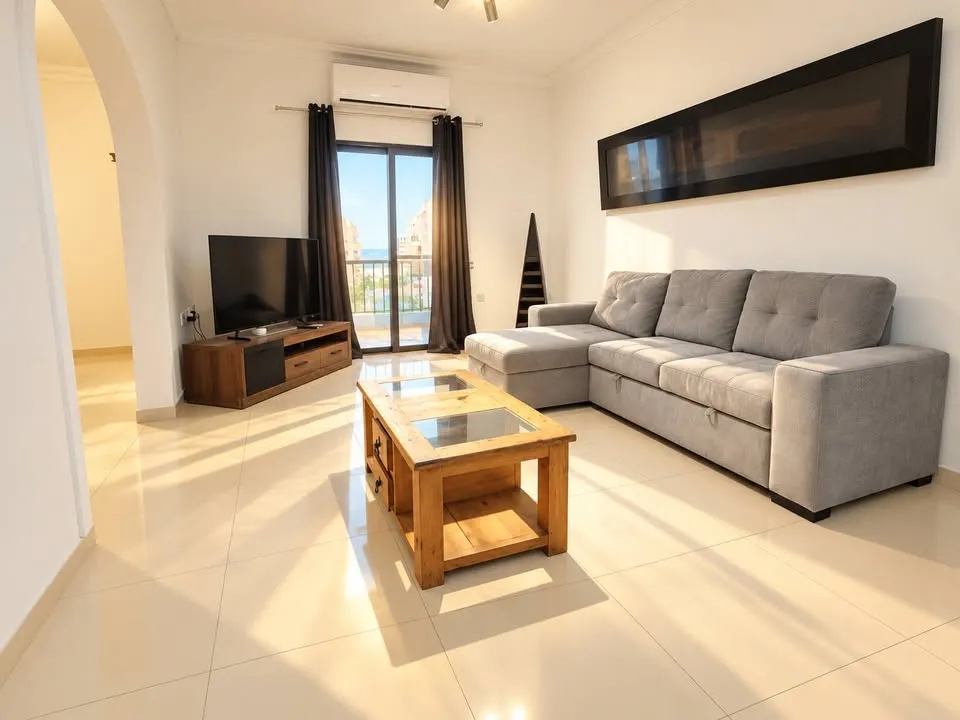
For Rent in Pembroke
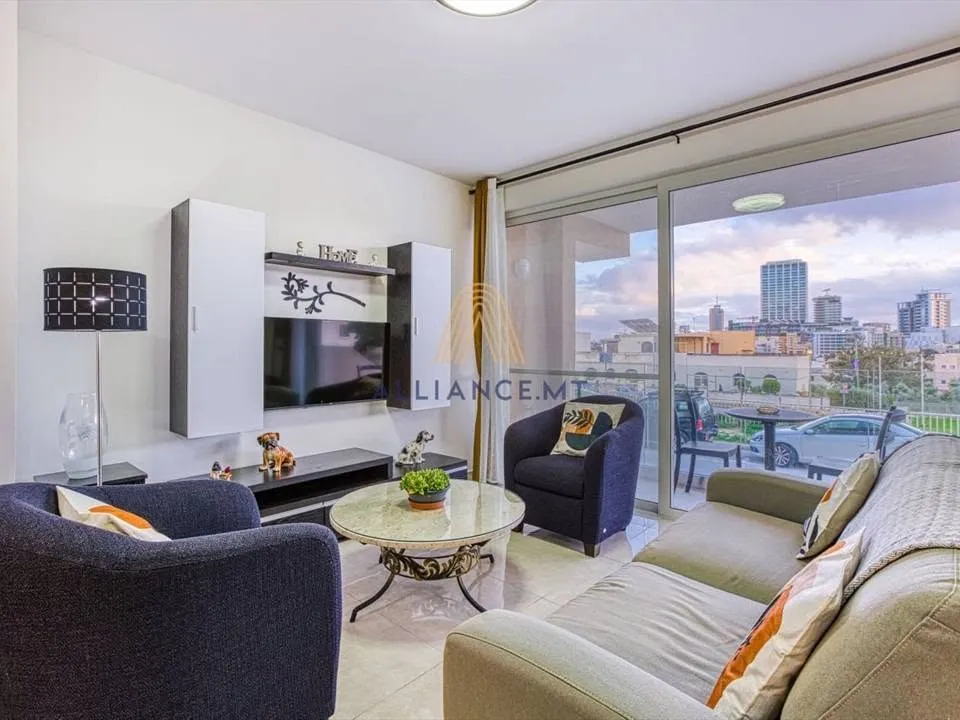
Property in Pembroke, Reġjun tal-Lvant
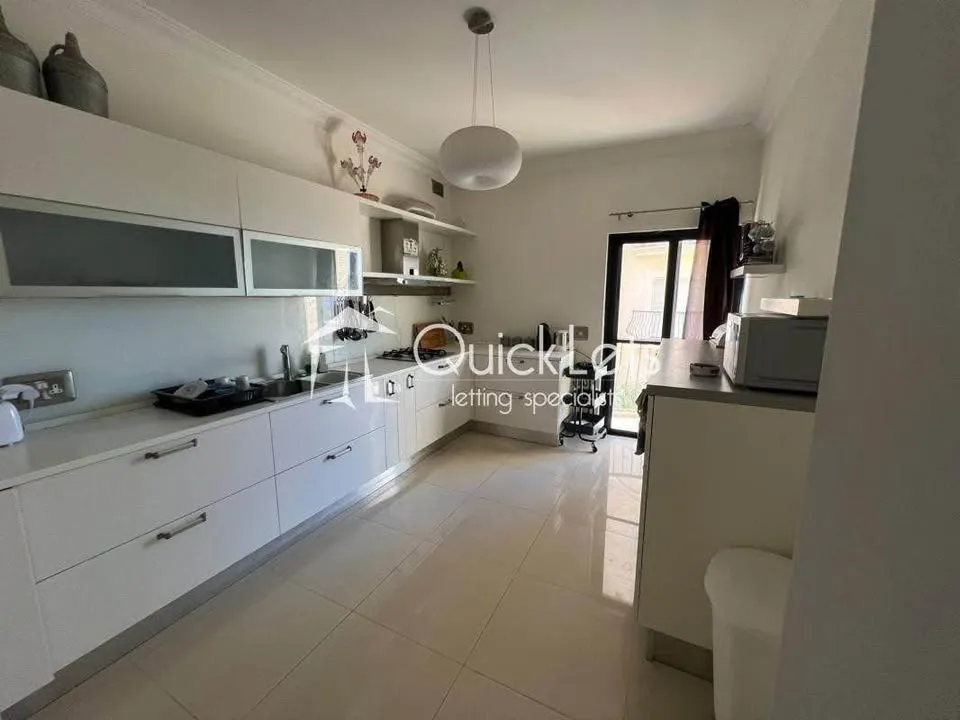
2 Bedrooms in Pembroke, Malta
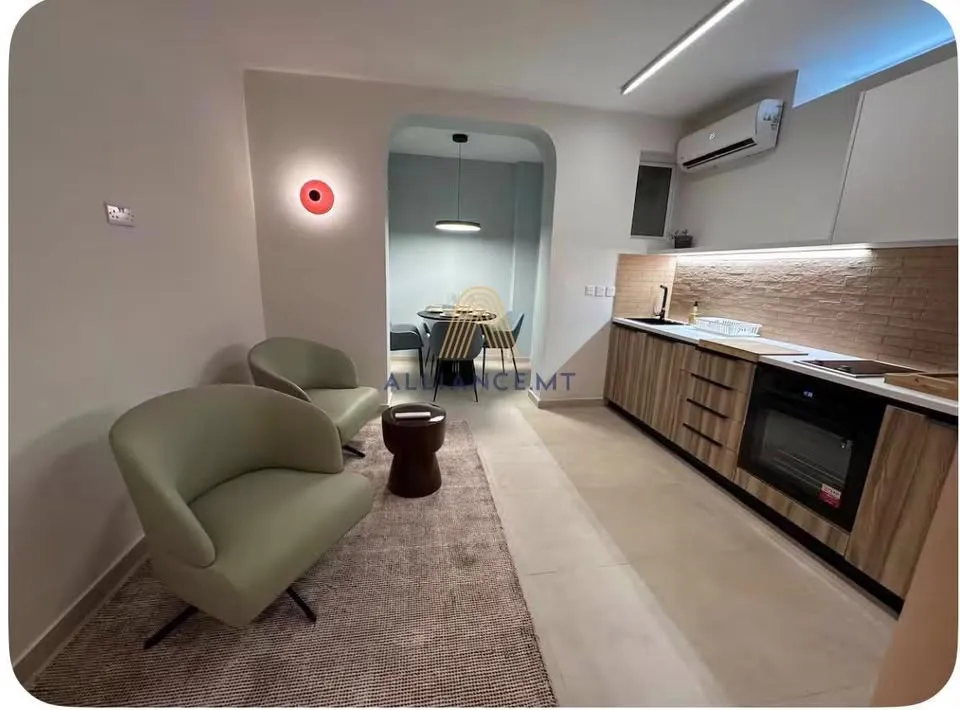
HIGH END 1-Bedroom Maisonette in Pembroke!
Zebbug (9 listings)
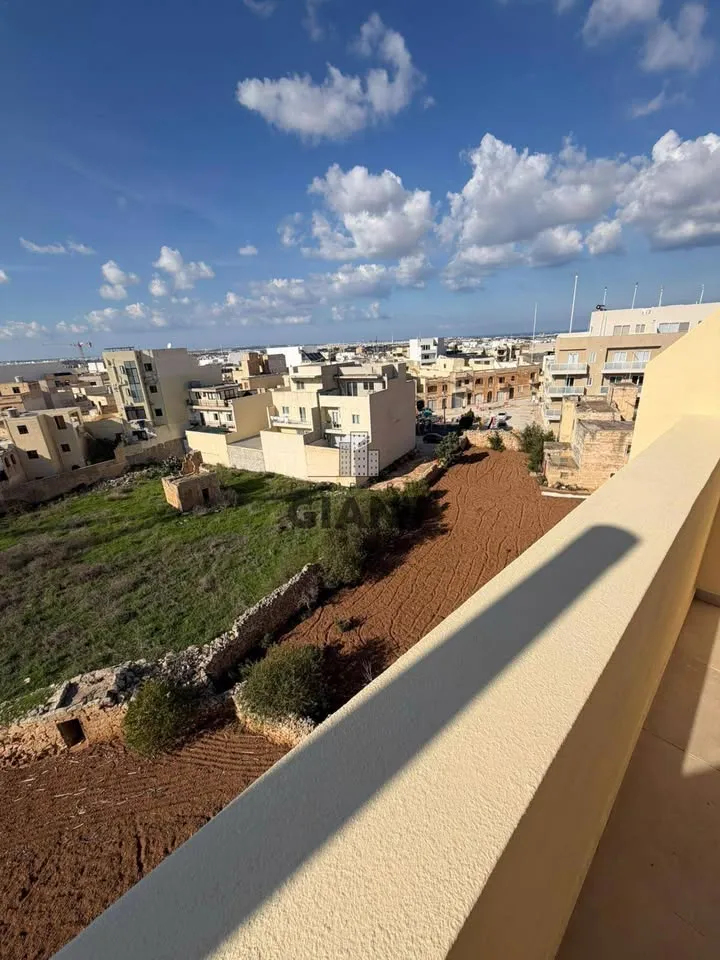
3 Bedroom Penthouse in Żebbuġ
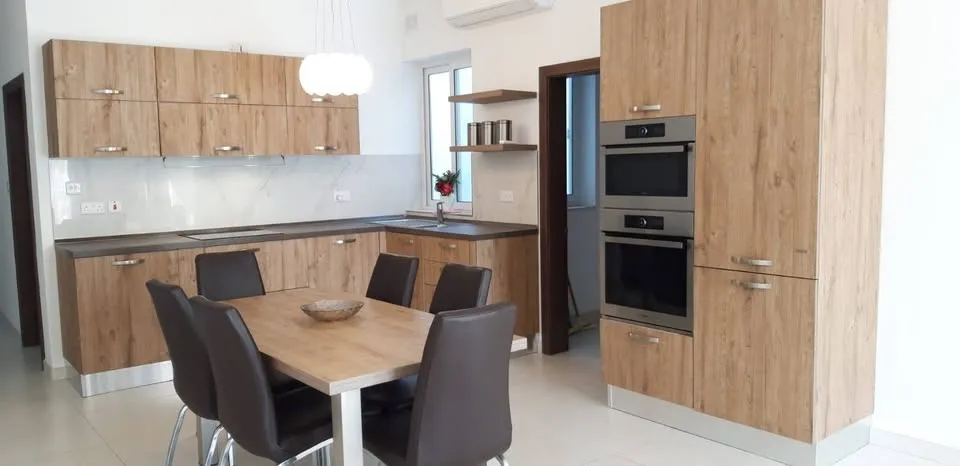
3-Bedroom Apartment in Żebbuġ
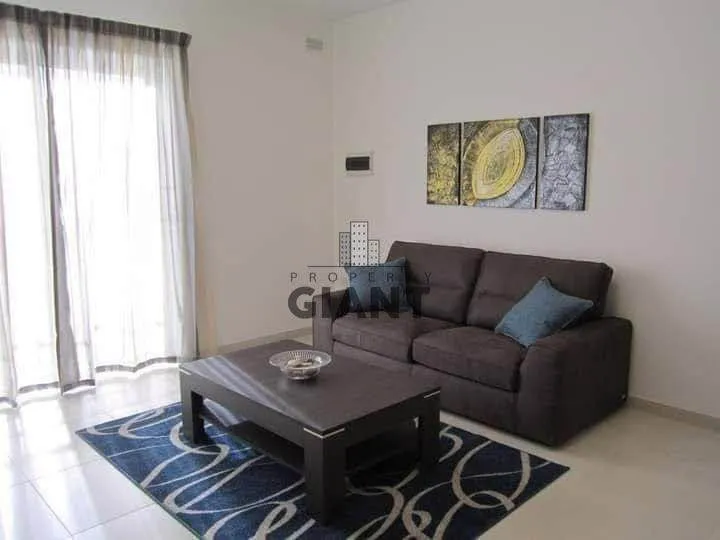
3 Bedroom Apartment in Zebbug