Mellieha vs Qawra
Side-by-side comparison of property prices, lifestyle, and practical info to help you choose the right area.
Summary
Mellieħa scores 9/10 for family-friendliness and beaches, home to Mellieħa Bay — Malta's largest sandy beach with shallow, family-friendly water. Properties here are larger, often with gardens, and include the exclusive Santa Maria Estate villa community. However, the 45–60 minute bus commute to Valletta and very hilly terrain make it impractical for daily commuters. The town scores 6/10 for transport and 3/10 for nightlife, reflecting its quiet winter season when many businesses close.
Qawra scores 4/10 for beaches due to its rocky swimming, but offers some of Malta's most affordable coastal rents. The area features northern Malta's longest seafront promenade and scores 7/10 for dining and transport, with bus routes connecting to Valletta in 50–60 minutes. Qawra attracts a loyal retiree community that provides consistent rental demand. Its nightlife rating (6/10) exceeds Mellieħa's (3/10), though it remains predominantly modern apartment blocks rather than character property.
Living in Mellieha
Mellieha is where Malta goes to the beach. Perched on a hilltop in the far north of the island, the town overlooks Mellieha Bay — the largest sandy beach in Malta and the reason this area became a tourism hotspot. The bay stretches for nearly a kilometre of golden sand with shallow, warm water that makes it the top choice for families with children. The town itself has a slower, more rural character than the congested central coast. Mellieha's old core is a network of steep streets anchored by the Sanctuary of Our Lady of Mellieha, a pilgrimage site said to contain a fresco painted by St. Luke. The newer developments spread down the hillside toward the beach, a mix of apartment blocks, holiday lets, and villa communities — particularly the Santa Maria Estate, one of Malta's most sought-after residential addresses. Life in Mellieha revolves around the seasons. Summers bring an influx of tourists and a vibrant beach-town atmosphere. Winters are quiet — almost too quiet for some, with many businesses closing and the population settling back to its resident core. The trade-off is space: Mellieha offers larger properties, gardens, and sea views that would cost multiples more in Sliema or St. Julian's.
Highlights
- Mellieha Bay — Malta's longest sandy beach
- Santa Maria Estate — exclusive villa community
- Cirkewwa ferry terminal for Gozo trips
- Diving and water sports hub
- More space and larger properties than central Malta
Living in Qawra
Qawra is the quieter neighbour of Bugibba — a coastal resort area on St. Paul's Bay that shares the same tourist infrastructure but with a more relaxed pace. The name means 'rounded' in Maltese, referring to the shape of the rocky peninsula that juts into the sea. Where Bugibba is loud and commercial, Qawra is slightly more subdued, with a long coastal promenade, rocky swimming platforms, and a cluster of hotels and apartment blocks. The Qawra promenade is one of the longest continuous seafront walks in Malta, stretching from Bugibba's aquarium all the way to Salina Bay. The salt pans at Salina are one of the oldest in Malta, still producing sea salt using traditional methods. The Qawra Point tower, a Knights-era watchtower, sits at the tip of the peninsula. Property in Qawra mirrors Bugibba's market — affordable purchase prices and solid rental yields from tourist demand. The area is popular with British retirees and long-stay visitors who prefer Qawra's slightly calmer atmosphere over Bugibba's bustle. Winter occupancy is better than most Maltese resorts thanks to the retiree community.
Highlights
- Longest seafront promenade in northern Malta
- Salina salt pans — traditional sea salt production
- Knights-era watchtower at Qawra Point
- Steady rental yields from retiree community
- Slightly quieter alternative to neighbouring Bugibba
Lifestyle Comparison
Which Area Is Right For You?
Choose Mellieha
Mellieha comes out ahead in family, safety, beaches .
Choose Qawra
Qawra comes out ahead in dining, nightlife, transport .
Frequently Asked Questions
Available Properties
Mellieha (28 listings)
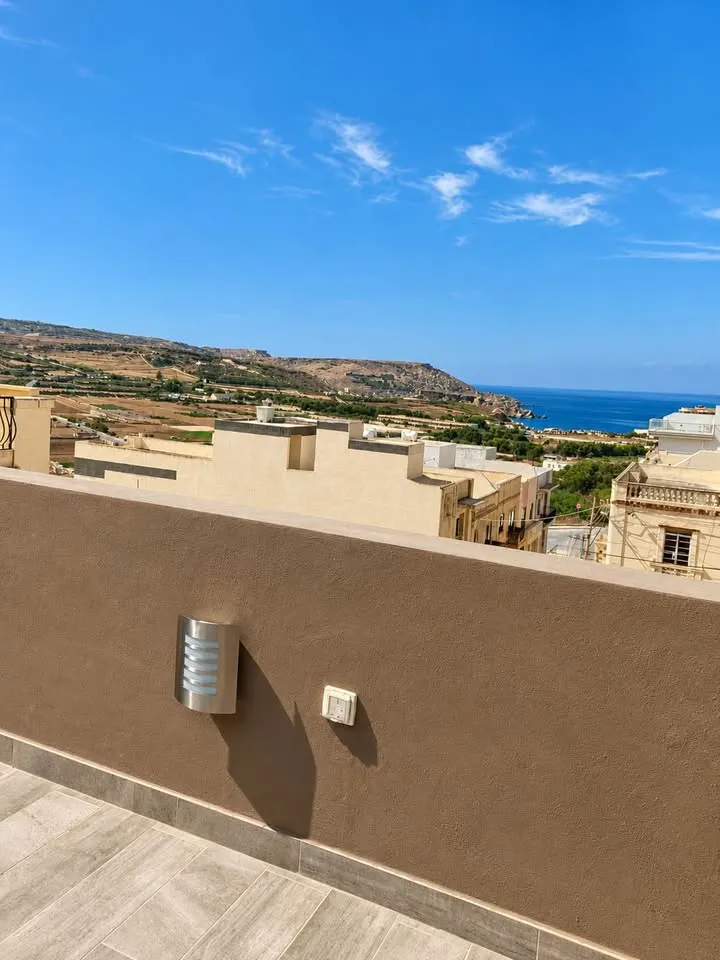
Spacious & Highly finished 3-bedroom penthouse in Manikata
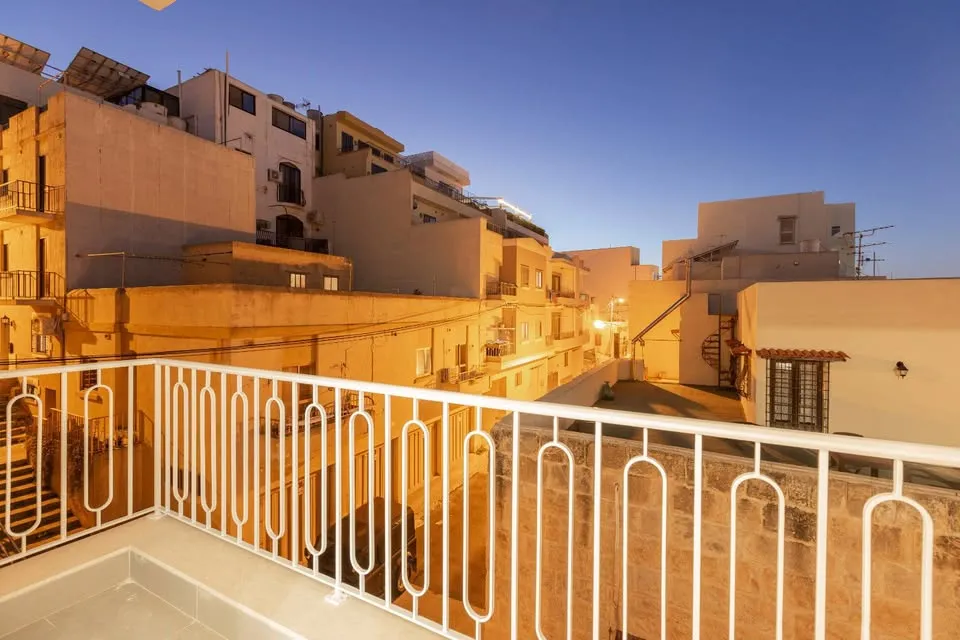
Spacious 3-Bedroom Apartment in Mellieħa
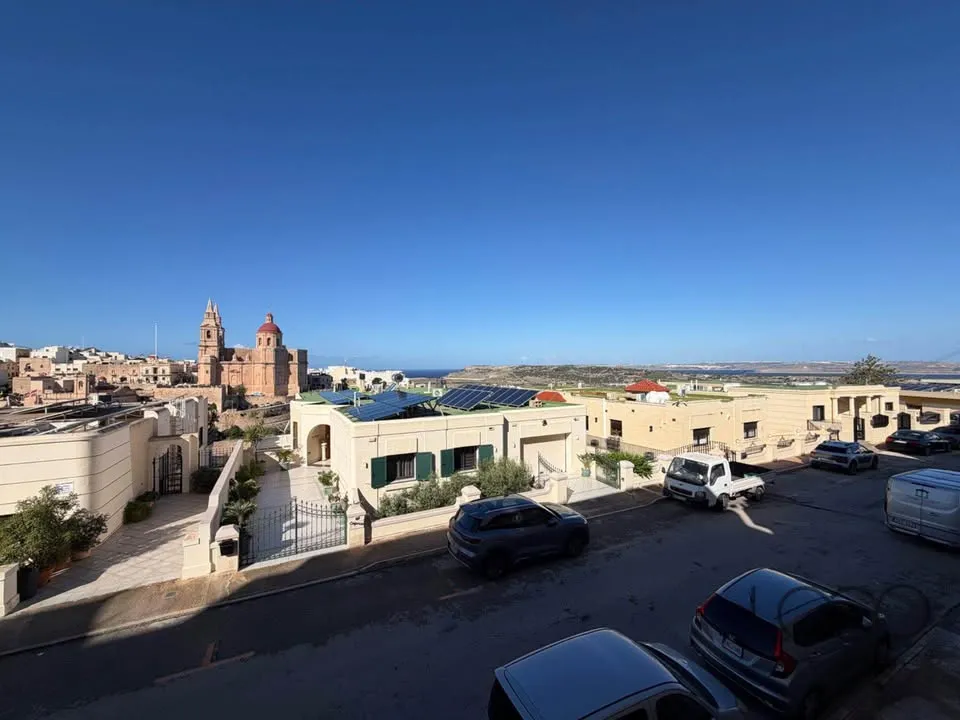
Highly Finished 3 Bedroom Elevated Maisonette in Mellieha
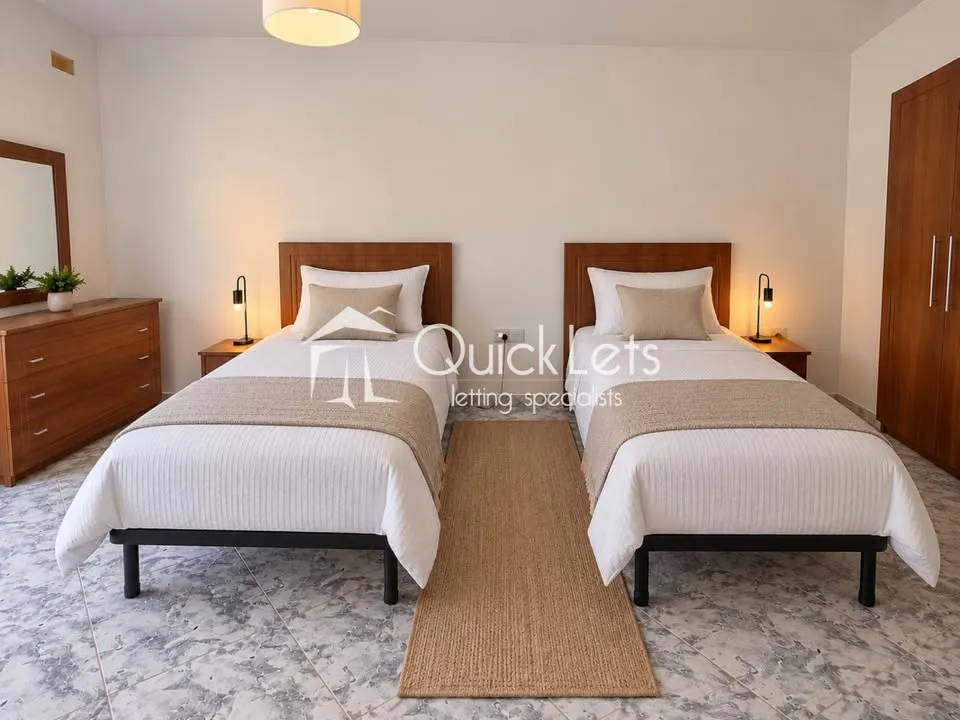
COSY 2-BEDROOM APARTMENT IN MELLIEĦA WITH SEA VIEWS
Qawra (22 listings)
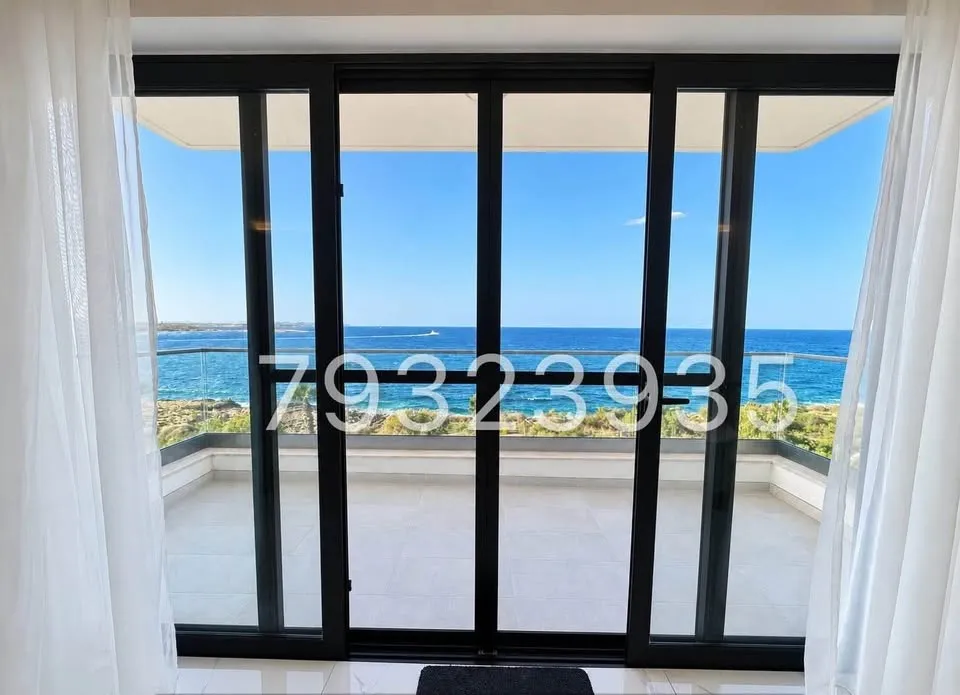
Seafront Apartment for Long Let in Qawra
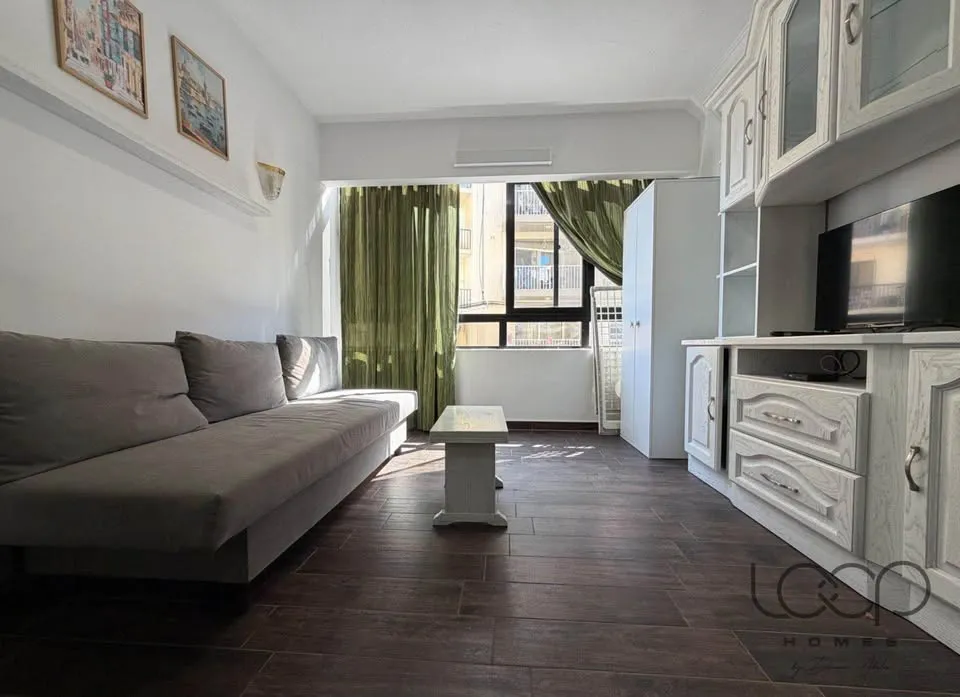
Modern 2 Bedroom Apartment in Qawra
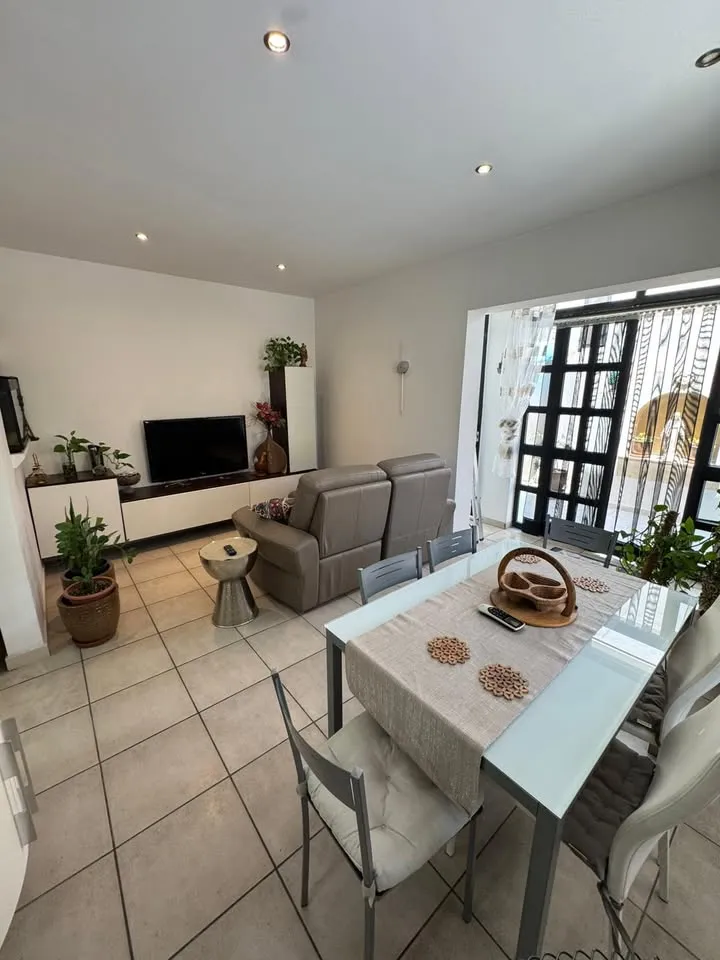
Terraced House - Qawra - 3 bedrooms