Qawra vs Valletta
Side-by-side comparison of property prices, lifestyle, and practical info to help you choose the right area.
Summary
Living in Qawra
Qawra is the quieter neighbour of Bugibba — a coastal resort area on St. Paul's Bay that shares the same tourist infrastructure but with a more relaxed pace. The name means 'rounded' in Maltese, referring to the shape of the rocky peninsula that juts into the sea. Where Bugibba is loud and commercial, Qawra is slightly more subdued, with a long coastal promenade, rocky swimming platforms, and a cluster of hotels and apartment blocks. The Qawra promenade is one of the longest continuous seafront walks in Malta, stretching from Bugibba's aquarium all the way to Salina Bay. The salt pans at Salina are one of the oldest in Malta, still producing sea salt using traditional methods. The Qawra Point tower, a Knights-era watchtower, sits at the tip of the peninsula. Property in Qawra mirrors Bugibba's market — affordable purchase prices and solid rental yields from tourist demand. The area is popular with British retirees and long-stay visitors who prefer Qawra's slightly calmer atmosphere over Bugibba's bustle. Winter occupancy is better than most Maltese resorts thanks to the retiree community.
Highlights
- Longest seafront promenade in northern Malta
- Salina salt pans — traditional sea salt production
- Knights-era watchtower at Qawra Point
- Steady rental yields from retiree community
- Slightly quieter alternative to neighbouring Bugibba
Living in Valletta
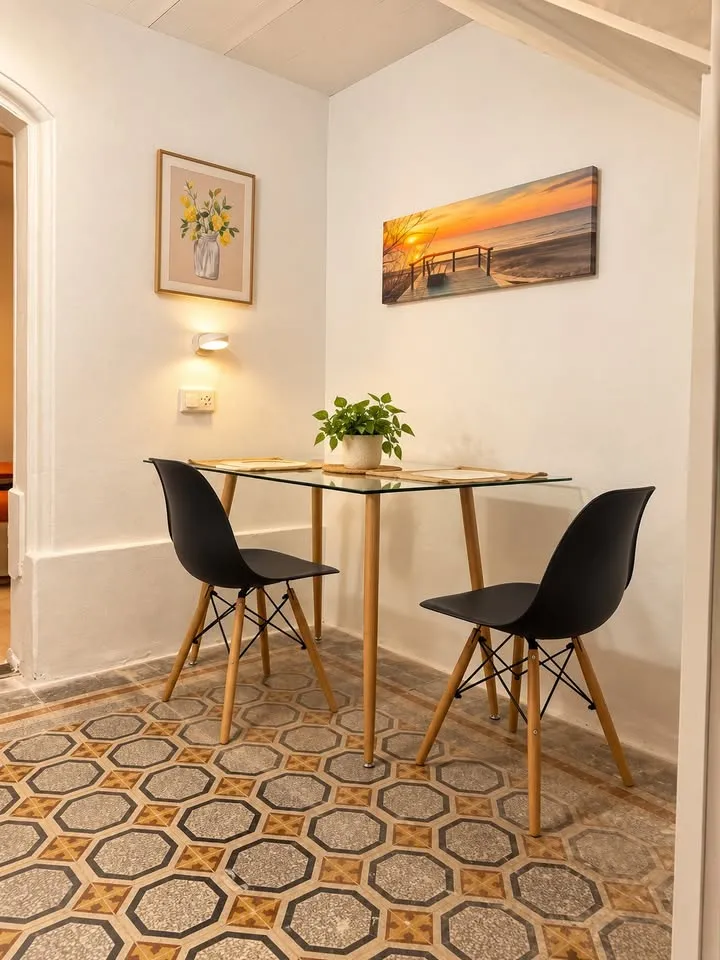
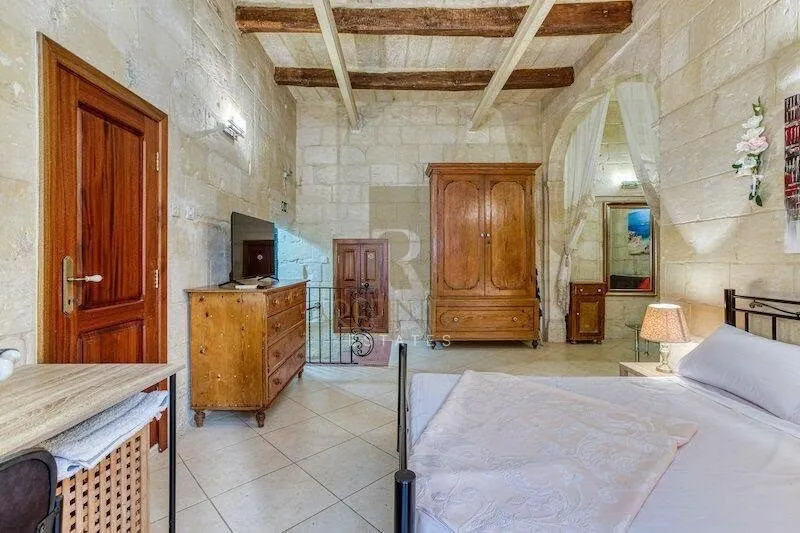
Valletta is a living museum — a UNESCO World Heritage city built by the Knights of St. John in the 16th century, designed on a grid plan so ahead of its time that it's still functional 450 years later. Every street reveals something remarkable: baroque churches with Caravaggio paintings inside, grand auberges that housed the knightly orders, and rooftop terraces with views across two harbours that have shaped Mediterranean history. As Malta's capital and administrative centre, Valletta punches well above its size. It packs government buildings, foreign embassies, boutique hotels, and a thriving restaurant scene into less than a square kilometre. The city went through a renaissance after its 2018 European Capital of Culture year — old buildings were restored, pedestrian zones expanded, and a creative community took root alongside the traditional Maltese families who've lived here for generations. Living in Valletta is a specific choice. Properties are predominantly historic townhouses and converted palazzos, often with original stone floors and enclosed wooden balconies. Space is at a premium, parking is almost nonexistent, and grocery shopping means visiting small shops rather than supermarkets. But residents gain something rare — a walkable city where the sea is always two streets away, where culture is on the doorstep, and where the evening paseggiata along the bastions at golden hour never gets old.
Highlights
- UNESCO World Heritage Site — entire city
- St. John's Co-Cathedral with Caravaggio's Beheading of St. John
- Barrakka Gardens with panoramic Grand Harbour views
- Grid-plan streets designed in 1566, still functional today
- 2018 European Capital of Culture
Lifestyle Comparison
Which Area Is Right For You?
Choose Qawra
Qawra comes out ahead in family, beaches .
Choose Valletta
Valletta comes out ahead in dining, safety, nightlife, transport .
Frequently Asked Questions
Available Properties
Qawra (24 listings)
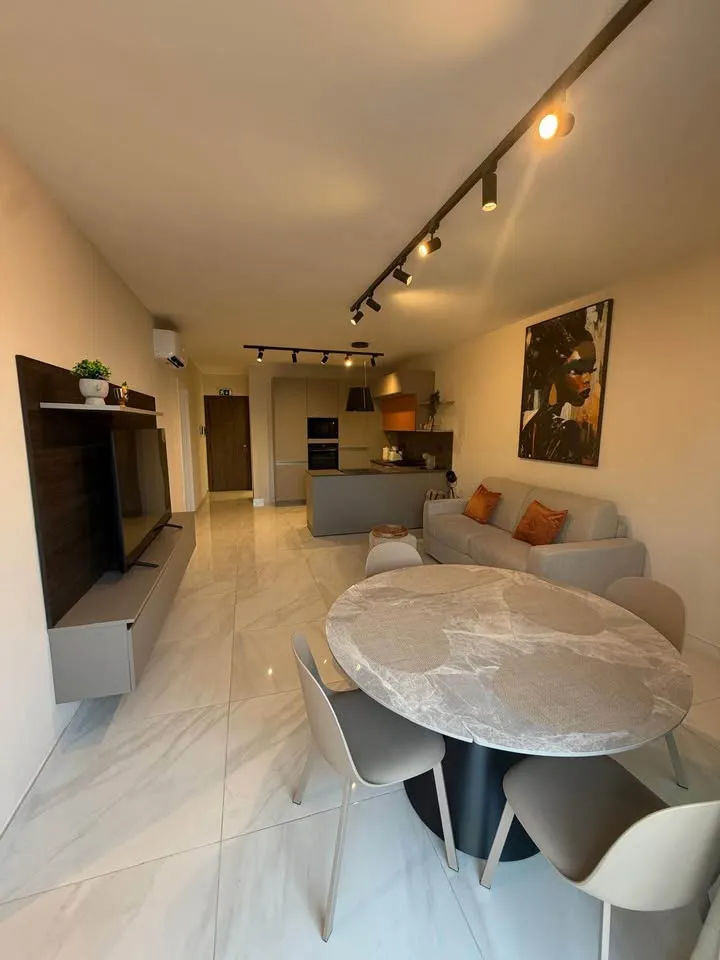
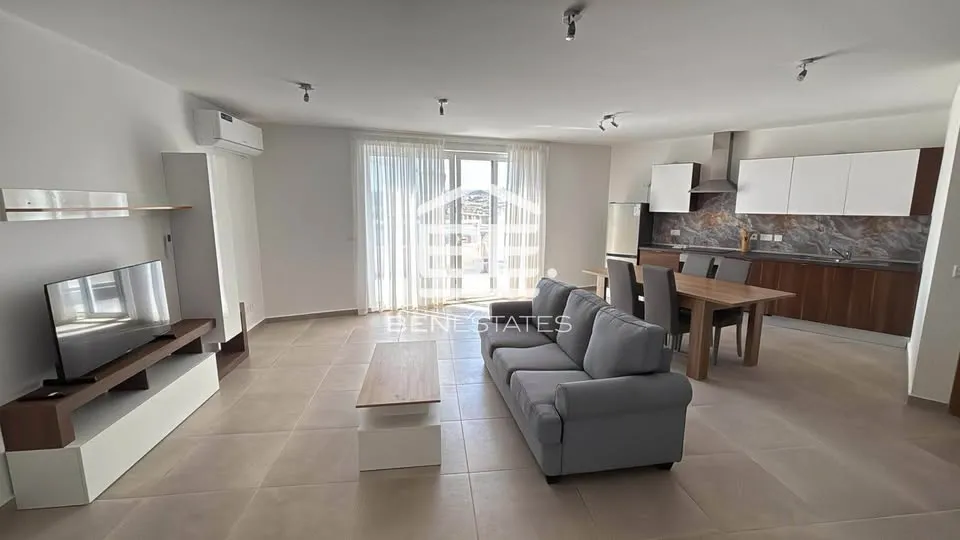
Brand-New 2-Bedroom Apartment for Rent – Qawra
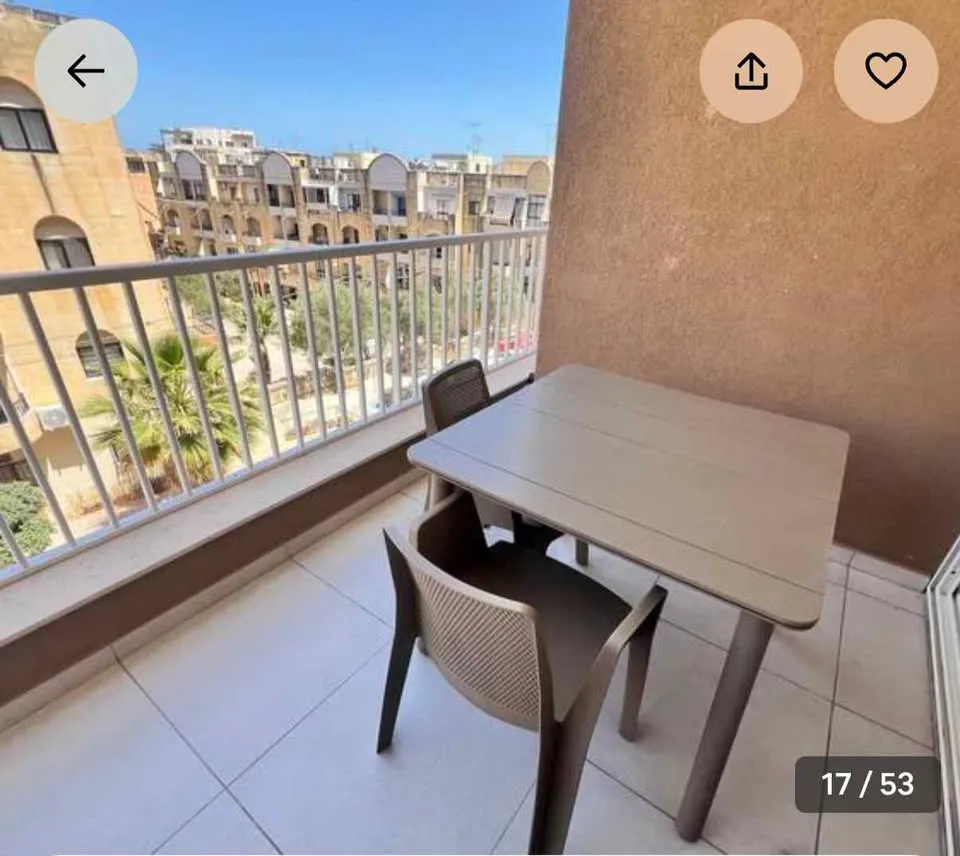
Modern apartment in Qawra
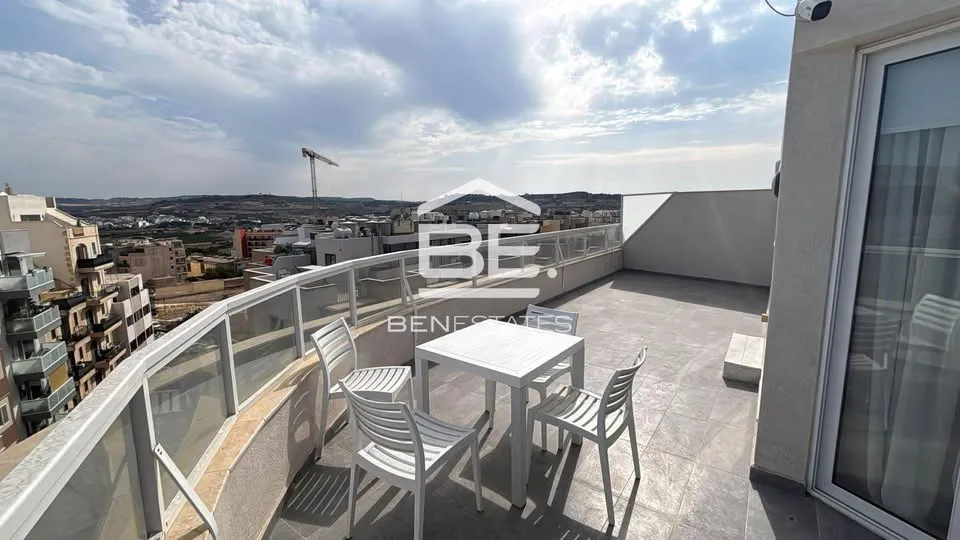
Modern, spacious and fully furnished penthouse in Qawra