Birkirkara vs Qormi
Side-by-side comparison of property prices, lifestyle, and practical info to help you choose the right area.
Summary
Birkirkara is the better choice for transport connectivity and access to schools, while Qormi wins for lower property prices and a quieter community feel. Both central Maltese towns suit families and budget buyers, but Birkirkara holds a clear transport advantage with a rating of 9/10 versus Qormi's 8/10. Birkirkara sits on the north–south bus corridor with routes reaching Valletta in 20–25 minutes, Sliema in 15 minutes, and the airport in 20 minutes by car. Qormi connects to Valletta via routes 61 and 62, with the airport just 15 minutes away by car.
Birkirkara, Malta's largest town with 24,300 residents, offers stronger family infrastructure including well-regarded schools like St. Aloysius College. It scores 8/10 for family suitability. Housing is spacious and significantly cheaper than coastal areas. Qormi, home to 17,300 residents, matches the 8/10 family rating and delivers some of the island's lowest property prices. It also scores slightly higher for dining (7/10 vs 6/10), bolstered by its renowned generational bakeries. Both towns score 3/10 for nightlife and lack coastal access.
Qormi has notable drawbacks: historical flooding in low-lying areas and industrial zones that affect air quality. Birkirkara suffers from rush-hour congestion and a functional, sprawling landscape. Parking is easier in both towns compared to coastal alternatives.
Living in Birkirkara
Birkirkara is Malta's largest town by population — a sprawling residential centre in the heart of the island that most tourists never visit but most Maltese have a connection to. It's not picturesque in the way Valletta or Mdina are, but it's real, working-class Malta: bakeries that have been open for generations, parish churches that anchor entire neighbourhoods, and streets where everyone knows everyone. The town's geography is varied. The old centre clusters around the imposing St. Helen's Basilica, one of the largest churches on the island. Ta' Paris and Swatar are more modern residential areas with apartment blocks popular with young professionals. The Imrieher industrial zone sits on the edge, a reminder that Birkirkara has always been a working town. The Valley Road area, running through a natural watercourse, is one of the few green corridors in central Malta. Property in Birkirkara offers the best value proposition in central Malta. Rents and purchase prices sit well below Sliema and St. Julian's while keeping you within 15 minutes of both by car or bus. The town has its own commercial strip, good schools, and a market that sells everything from fresh fish to furniture. It's not a lifestyle choice — it's a practical one, and that's why it's the island's most populated town.
Highlights
- Most populated town in Malta
- Significantly more affordable than coastal areas
- St. Helen's Basilica — one of Malta's largest churches
- Central location with 15-min access to most of the island
- Traditional Maltese town life with modern amenities
Living in Qormi
Qormi is Malta's bakery town — the island's traditional centre of bread-making, with family-run bakeries that have produced the daily hobz (Maltese bread) for generations. The town sits in a valley between Birkirkara and the southern towns, and its low-lying position has made it historically prone to flooding — a problem that recent drainage projects have begun to address. The town is substantial — one of Malta's largest — with a split identity. The old centre clusters around two parish churches (Qormi is divided into two parishes, an unusual arrangement) and a maze of traditional streets. The newer areas extend toward the harbour, including industrial zones and the Marsa sports complex. Qormi's bakeries still produce the crusty sourdough loaves that are a staple of Maltese cuisine. Property in Qormi is affordable and practical. The town's central valley location puts it within 15 minutes of both Valletta and the southern coast, and prices are well below the coastal strip. The town has full amenities — schools, shops, a hospital outpatient clinic, and Malta's only horse-racing track at Marsa.
Highlights
- Malta's bread-making capital — family bakeries spanning generations
- Two parish churches — unusual dual-parish arrangement
- Central valley location with good connectivity
- Affordable property with full amenities
- Marsa horse-racing track nearby
Lifestyle Comparison
Which Area Is Right For You?
Choose Birkirkara
Birkirkara comes out ahead in transport .
Choose Qormi
Qormi comes out ahead in dining, beaches .
Frequently Asked Questions
Available Properties
Birkirkara (16 listings)
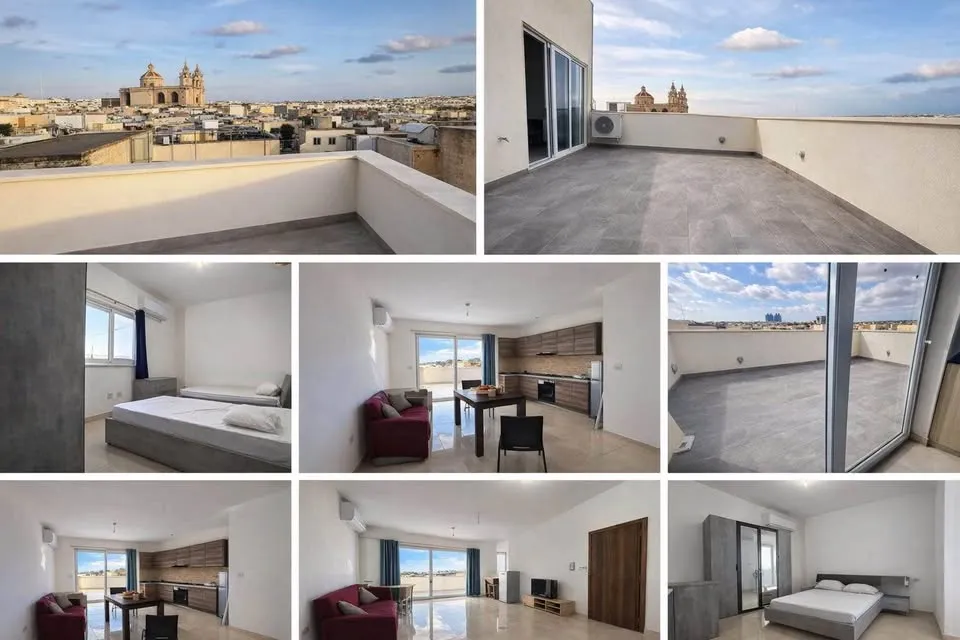
Modern and very spacious 4-bedroom penthouse
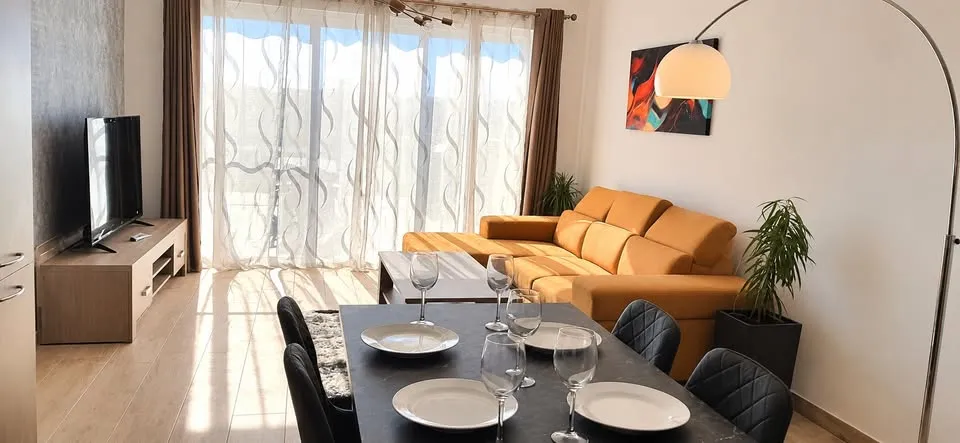
Apartment in Swatar, Birkirkara
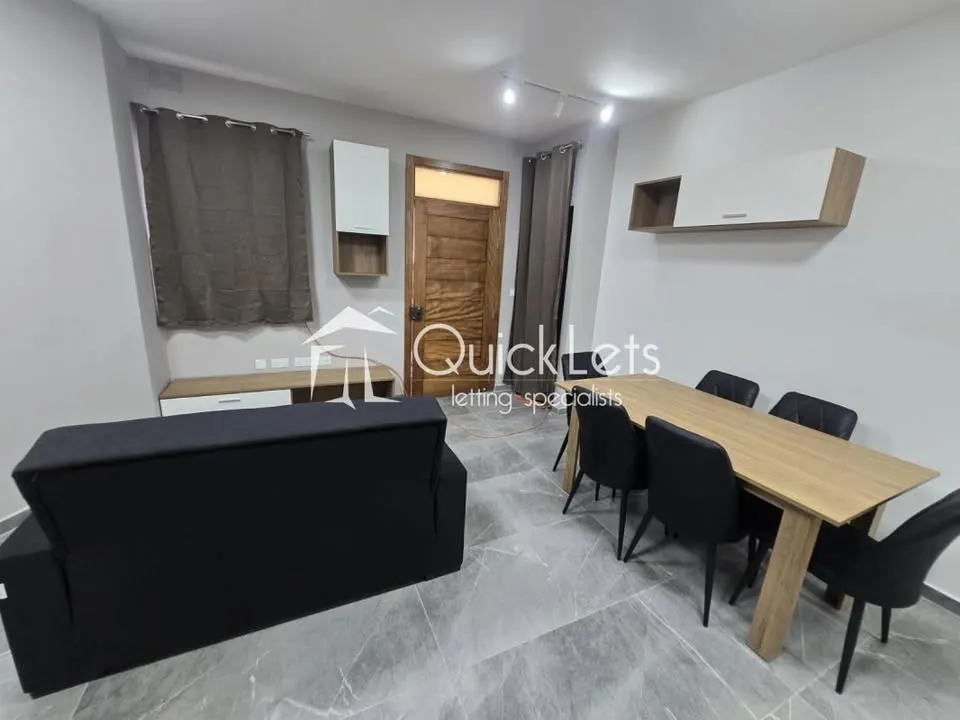
PET-FRIENDLY*BRAND NEW MAISONETTE – HIGHLY FINISHED | 3 BEDROOMS | 2-CAR GARAGE | PET-FRIENDLY