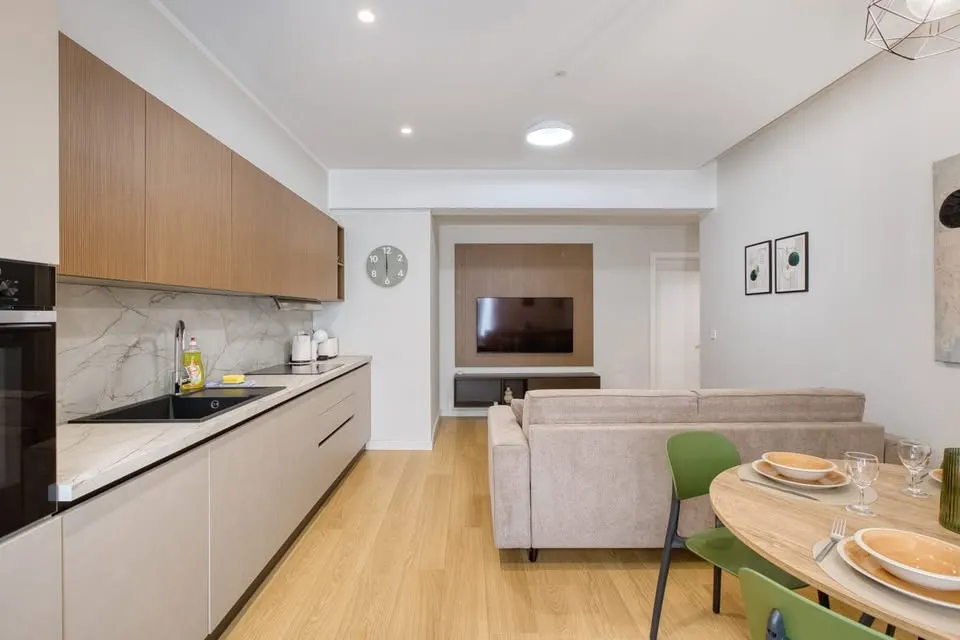
Rabat vs St. Julian's
Side-by-side comparison of property prices, lifestyle, and practical info to help you choose the right area.
Summary
Transport and lifestyle differ markedly. St. Julian's scores 8/10 for transport with multiple bus routes to Valletta and Sliema five minutes away, but suffers from heavy traffic, limited parking, and weekend noise. Rabat scores 6/10 for transport with a 25-30 minute commute to Sliema or Valletta by car, though airport access is identical at 25 minutes. Rabat has no sea access, with beaches requiring a 15-20 minute drive, while St. Julian's has waterfront at Balluta and Spinola Bays.
Rabat suits families and culture-focused buyers prioritising space, affordability, and community. St. Julian's fits young professionals working in iGaming, tourists, and those who prioritise walkability to restaurants, bars, and employers. Both areas are 25 minutes from the airport by car.
Living in Rabat
Rabat is Mdina's neighbour — where the Silent City's walls end, Rabat begins. But where Mdina is a museum piece, Rabat is a living town. The name means 'suburb' in Arabic, a reference to its origins as the residential quarter outside the old capital's walls. Today it's one of Malta's most characterful towns, with a mix of historic architecture, traditional village life, and a growing food scene that draws Maltese from across the island. The town is built on top of a network of catacombs — underground burial chambers dating back to Roman times. St. Paul's Catacombs, where the apostle is said to have sheltered after his shipwreck on Malta, are the most famous, but there are several sites open to visitors. Above ground, Rabat's narrow streets hide grand palazzos, wayside chapels, and the Domus Romana, a reconstructed Roman townhouse with some of the finest mosaics in the Mediterranean. Rabat offers a different pace of life from the coastal towns. Property is more affordable, streets are quieter, and there's a genuine village atmosphere that's disappearing from much of Malta. The trade-off is distance — Rabat sits inland, and reaching Sliema or Valletta takes 25–30 minutes by car. For some, that distance is exactly the point.
Highlights
- St. Paul's Catacombs — underground Roman burial chambers
- Adjacent to Mdina's city walls
- Growing restaurant and cafe scene
- More affordable property than coastal Malta
- Authentic Maltese village atmosphere
Living in St. Julian's
St. Julian's is where Malta goes to play. By day it's a pleasant coastal town spread around Spinola Bay — one of the most photographed fishing boat harbours on the island — and Balluta Bay with its grand art nouveau houses. By night it becomes Paceville, the island's densest concentration of bars, clubs, casinos, and restaurants, drawing revellers from across Malta until the early hours. The town has a split personality that works in its favour. The Paceville side is loud, youthful, and commercial, home to international hotel chains and the Dragonara Casino. The Spinola and Balluta side is refined, with upscale restaurants housed in converted townhouses and a promenade that connects westward to Sliema. Portomaso, with its signature tower and marina, sits between the two — a luxury residential and commercial complex that symbolises the area's premium positioning. St. Julian's is the heart of Malta's iGaming and tech industries. Office buildings cluster around the Mriehel area and along the coast, making it the most convenient base for professionals working in these sectors. Property here commands some of the highest rents on the island, particularly in developments with sea views.
Highlights
- Spinola Bay — iconic fishing boat harbour lined with restaurants
- Paceville — Malta's nightlife district with dozens of bars and clubs
- Portomaso Marina and luxury tower
- Heart of Malta's iGaming industry
- Balluta Bay with its art nouveau buildings
Lifestyle Comparison
Which Area Is Right For You?
Choose Rabat
Rabat comes out ahead in family, safety .
Choose St. Julian's
St. Julian's comes out ahead in dining, beaches, nightlife, transport .
Frequently Asked Questions
Available Properties
Rabat (9 listings)
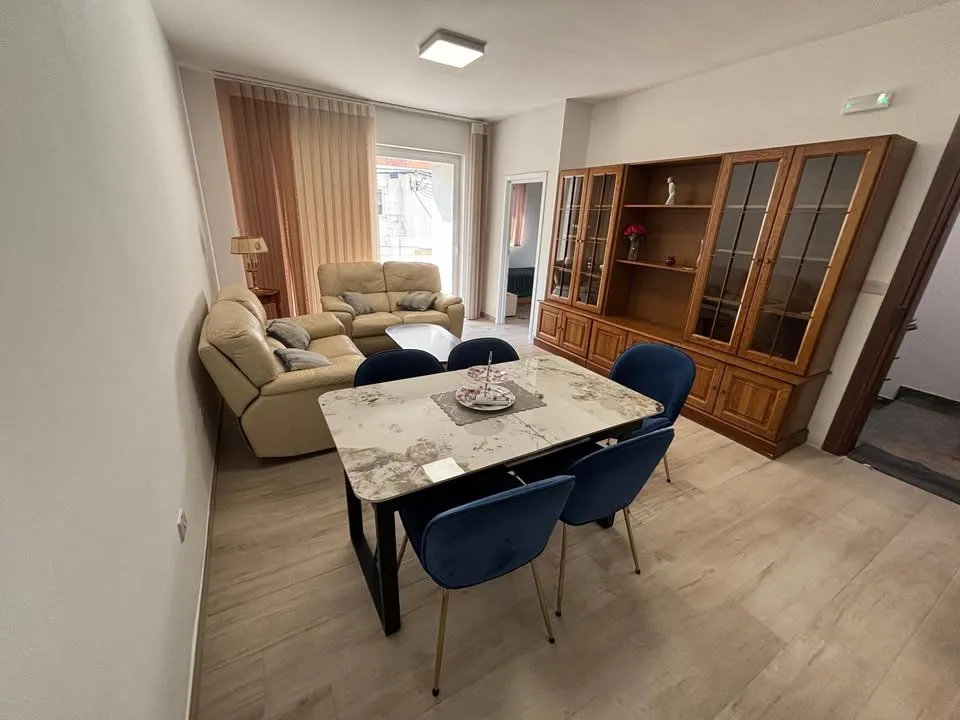
Brand new Property in RABAT
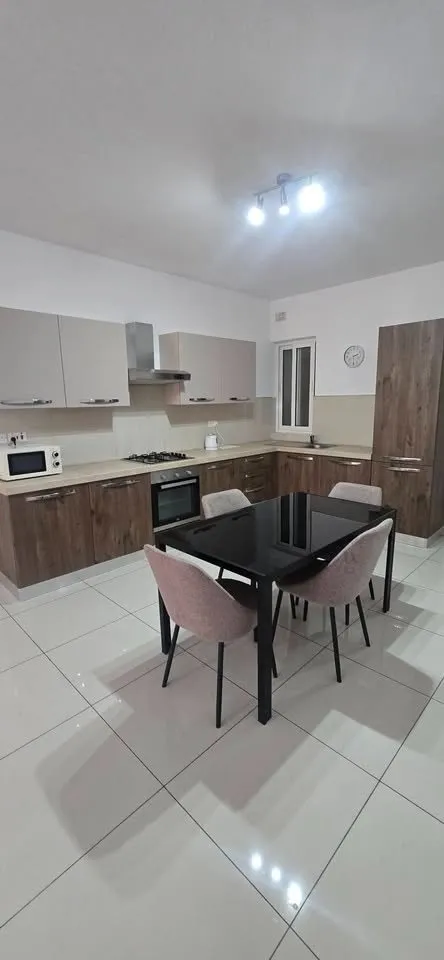
Bahrija Modern Apartment : Bargain!
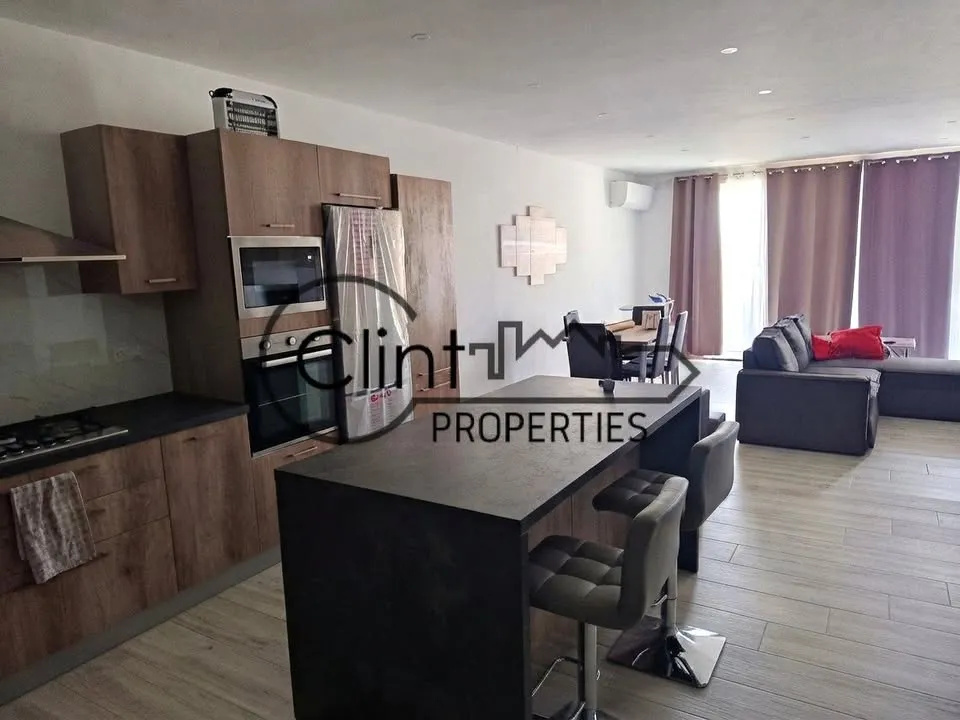
Three Bedroom Apartment in Rabat (Bahrija Area) for Rent
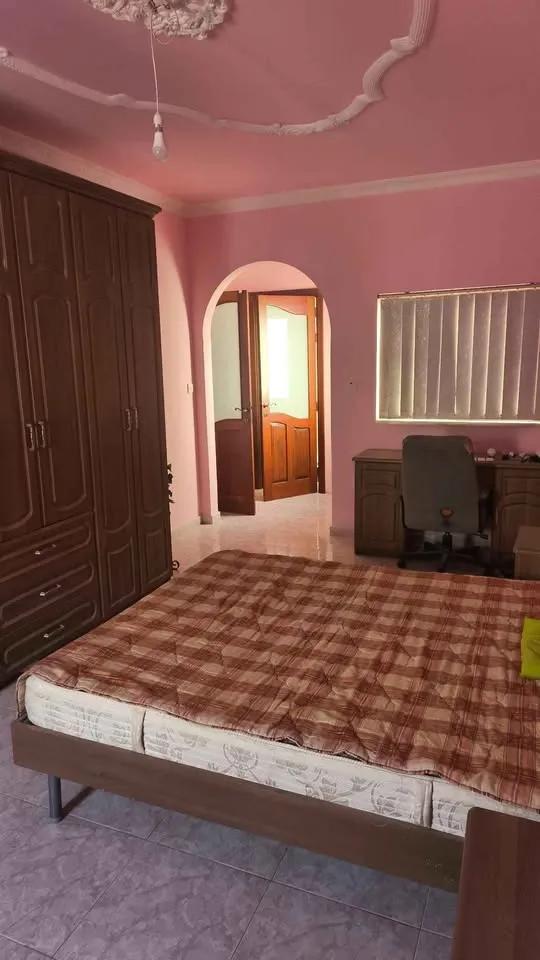
Bedroom for rent
St. Julian's (53 listings)
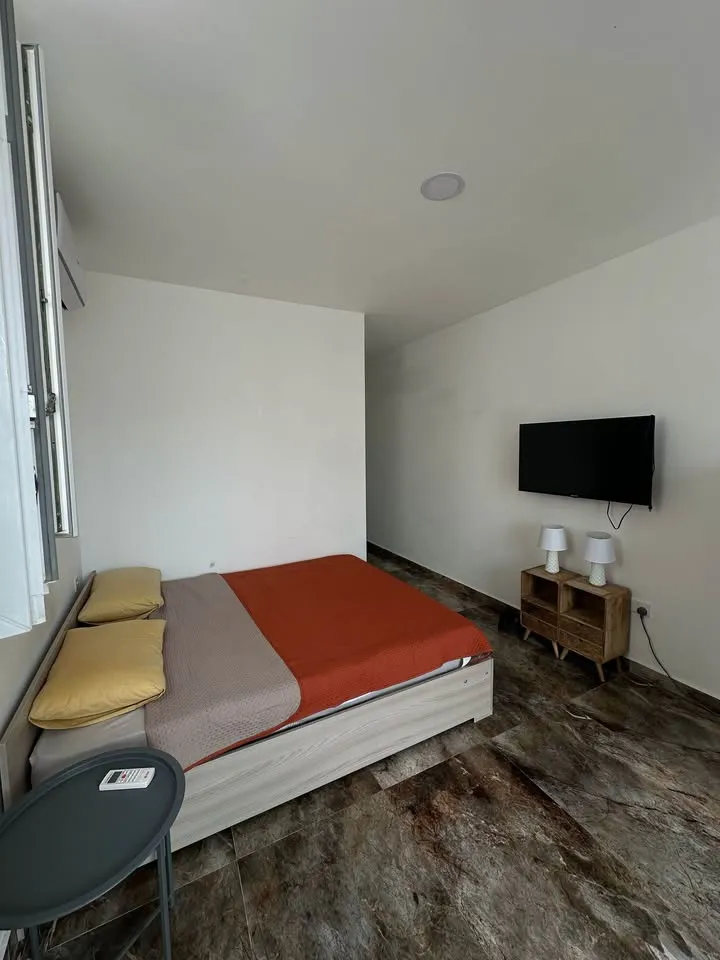
Studio apartment in the heart of St Julian’s
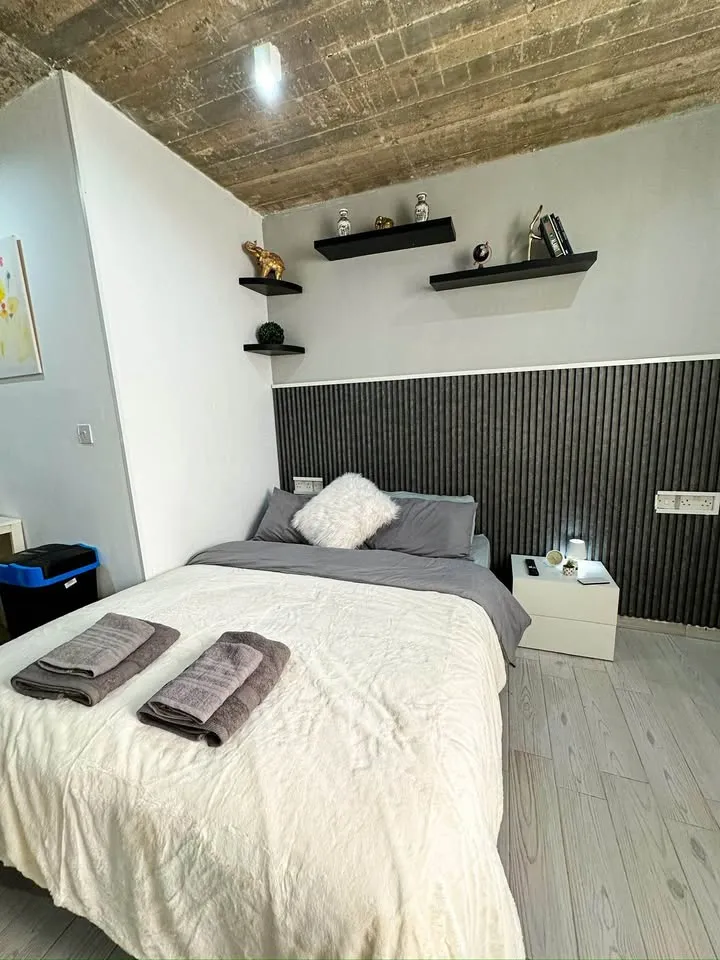
Modern Studio Apartment in St. Julian’s
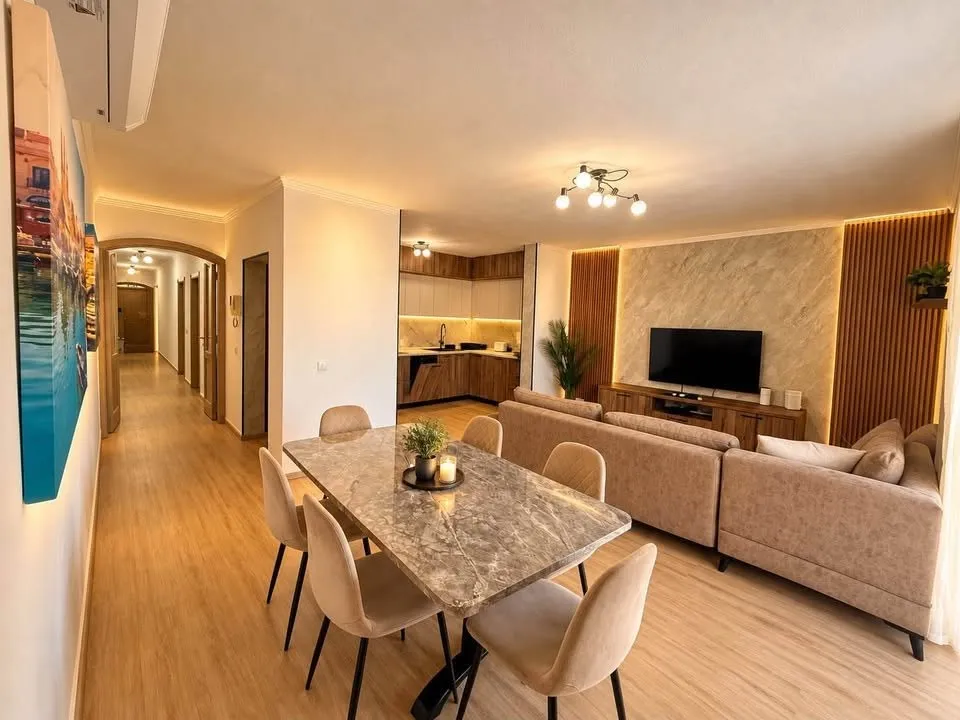
ST JULIANS PRIME LOCATION