St. Paul's Bay vs Xewkija
Side-by-side comparison of property prices, lifestyle, and practical info to help you choose the right area.
Summary
St. Paul's Bay scores highly for transport (8/10) and safety (8/10), with direct buses to Valletta, rocky beaches, and a 30-minute drive to the airport. The area's nightlife (5/10) and dining (6/10) reflect its established tourist infrastructure in Bugibba and Qawra. Property ranges from budget apartments to premium villas in Wardija Heights, with a population of 25,700 supporting year-round supermarkets, healthcare, and schools.
Xewkija rates 9/10 for both family-friendliness and safety but just 2/10 for nightlife and 5/10 for transport. A car is essential — the village has limited dining and no coastal access. The Mgarr ferry terminal is 10 minutes away by car, with the full journey to Malta's airport taking 80+ minutes. With only 3,300 residents, Xewkija offers traditional Gozitan community life and some of the island's most affordable property, centred around the iconic 74m Rotunda dome.
Expansive northern coastal community
Historic village dominated by monumental church dome
Living in St. Paul's Bay
St. Paul's Bay is Malta's largest northern coastal town — a sprawling stretch of shoreline that encompasses the old fishing village of Xemxija, the tourist strips of Bugibba and Qawra, and the residential community of Burmarrad inland. According to the Bible, St. Paul was shipwrecked here in AD 60, an event that brought Christianity to Malta and gave the area its name. The town has grown explosively over the past two decades, transforming from a quiet seasonal resort into a year-round community of over 25,000 residents. Retired British expats, Maltese families priced out of the central coast, and a growing number of foreign workers have all settled here, drawn by coastal living at more manageable prices than Sliema or St. Julian's. The waterfront is the town's main asset — a long promenade connecting the old fisherman's quay to Bugibba's square to Qawra's rocky beaches. The Malta National Aquarium sits at the Bugibba end, and the Xemxija Heritage Walk traces ancient cart ruts and Roman roads into the hills. Properties range from modern seafront apartments to older terraced houses inland, with prices significantly below the central coast.
Highlights
- Malta's largest coastal town by population
- Biblical shipwreck site of St. Paul
- Malta National Aquarium at Bugibba
- Rocky beaches and coastal promenade
- More affordable than the central coast
Living in Xewkija
Xewkija is one of Gozo's oldest villages, sitting on a plateau between Victoria and the eastern coast. The village is dominated by the Rotunda of St. John the Baptist — a colossal church whose dome is visible from nearly every point on the island. At 74 metres in diameter, it is one of the largest unsupported domes in Europe, exceeding St. Peter's Basilica in diameter, and it serves as a landmark for sailors approaching Gozo from the east. The village has a quiet, traditional character with narrow streets of old stone houses radiating from the church square. Xewkija is believed to be the first settlement established outside Victoria after the arrival of the Knights of St. John, and its name derives from the Maltese word for thorny bushes that once covered the area. The village retains a strong agricultural identity, with surrounding fields producing fruit, vegetables, and grapes for local wine. Property in Xewkija offers some of the best value in Gozo. Traditional townhouses with original stone arches and internal courtyards can be found at prices well below the coast. Newer developments have appeared along the main road toward Mgarr harbour, but the village core remains authentically Gozitan. The location is strategic — equidistant from Victoria, Mgarr ferry terminal, and the beaches of Ramla Bay.
Highlights
- The Rotunda — one of Europe's largest unsupported church domes at 74m diameter
- One of Gozo's oldest settlements, dating to the Knights of St. John era
- Strategic location between Victoria, Mgarr ferry, and Ramla Bay
- Some of the most affordable traditional property in Gozo
- Strong agricultural heritage with surrounding vineyards and fields
Lifestyle Comparison
Which Area Is Right For You?
Choose St. Paul's Bay
St. Paul's Bay comes out ahead in dining, nightlife, transport .
Choose Xewkija
Xewkija comes out ahead in family, safety .
Frequently Asked Questions
Available Properties
St. Paul's Bay (39 listings)
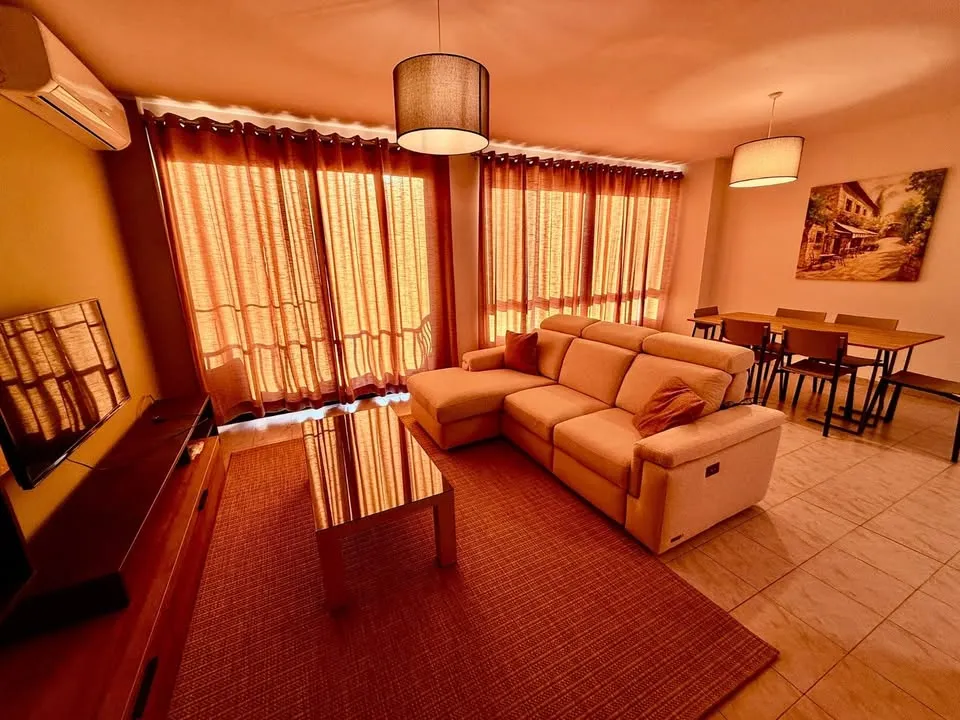
3 bedroom & 2 bathroom Apartment in St Pauls Bay
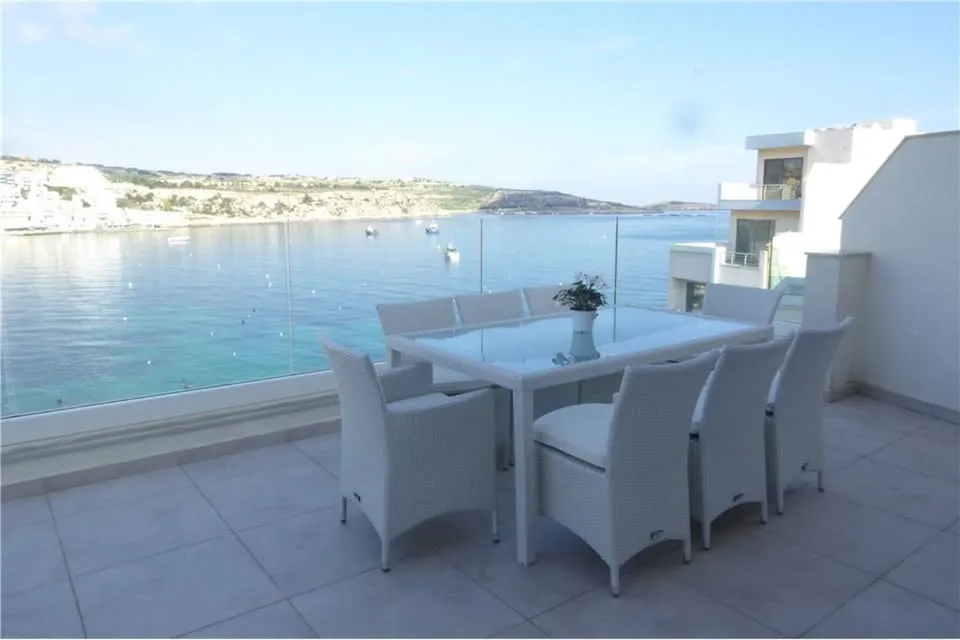
St. Paul's Bay 3 Bedroom Corner Apartment with Sea Views
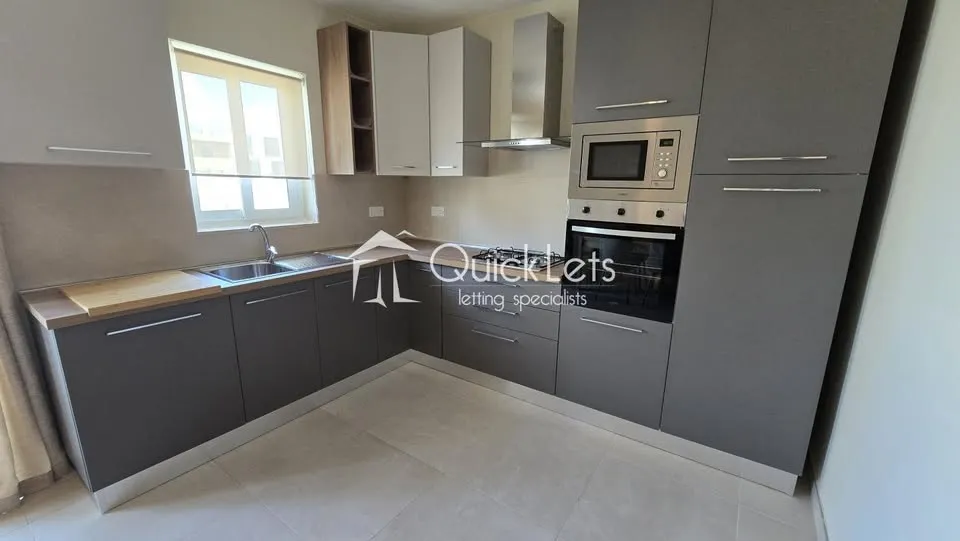
St. Paul’s Bay – Brand New 2-Bedroom Apartment
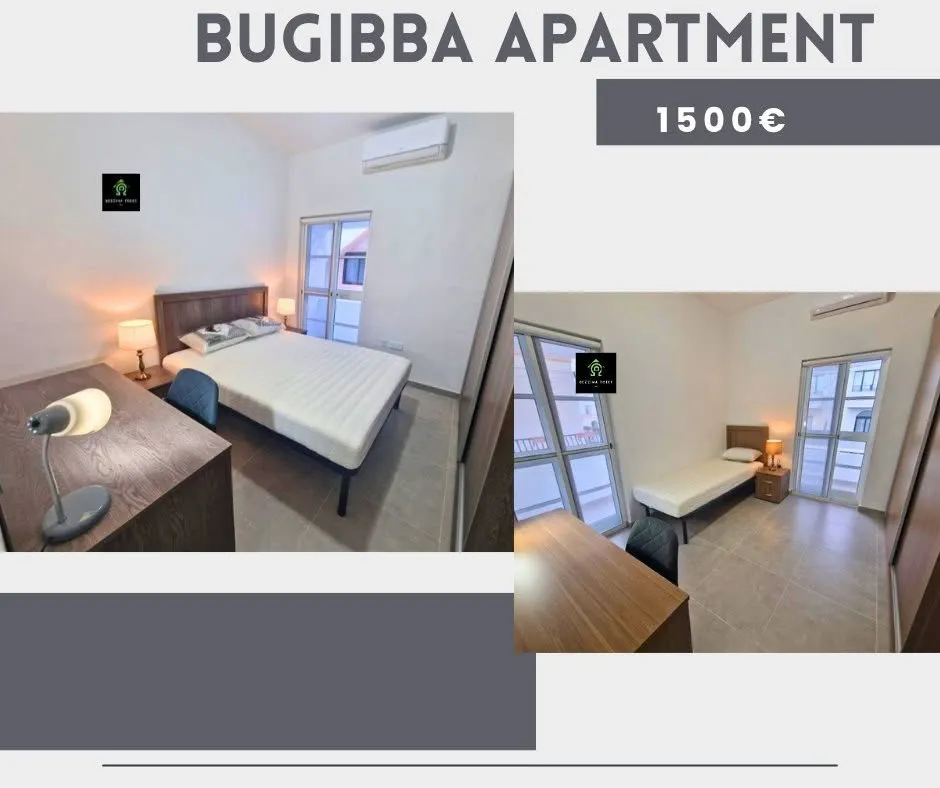
Bugibba Modern Apartment
Xewkija (4 listings)
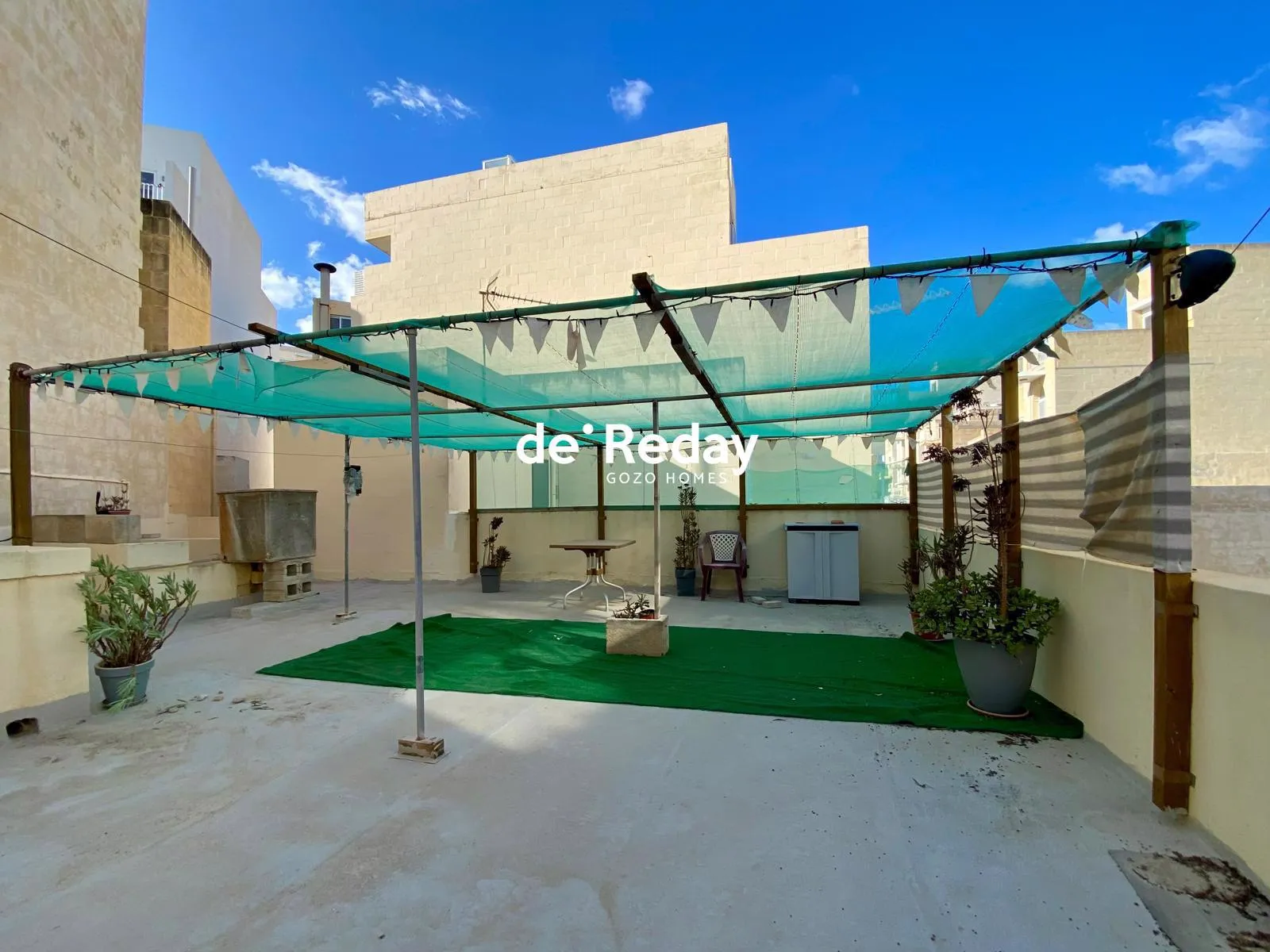
Charming Elevated Maisonette
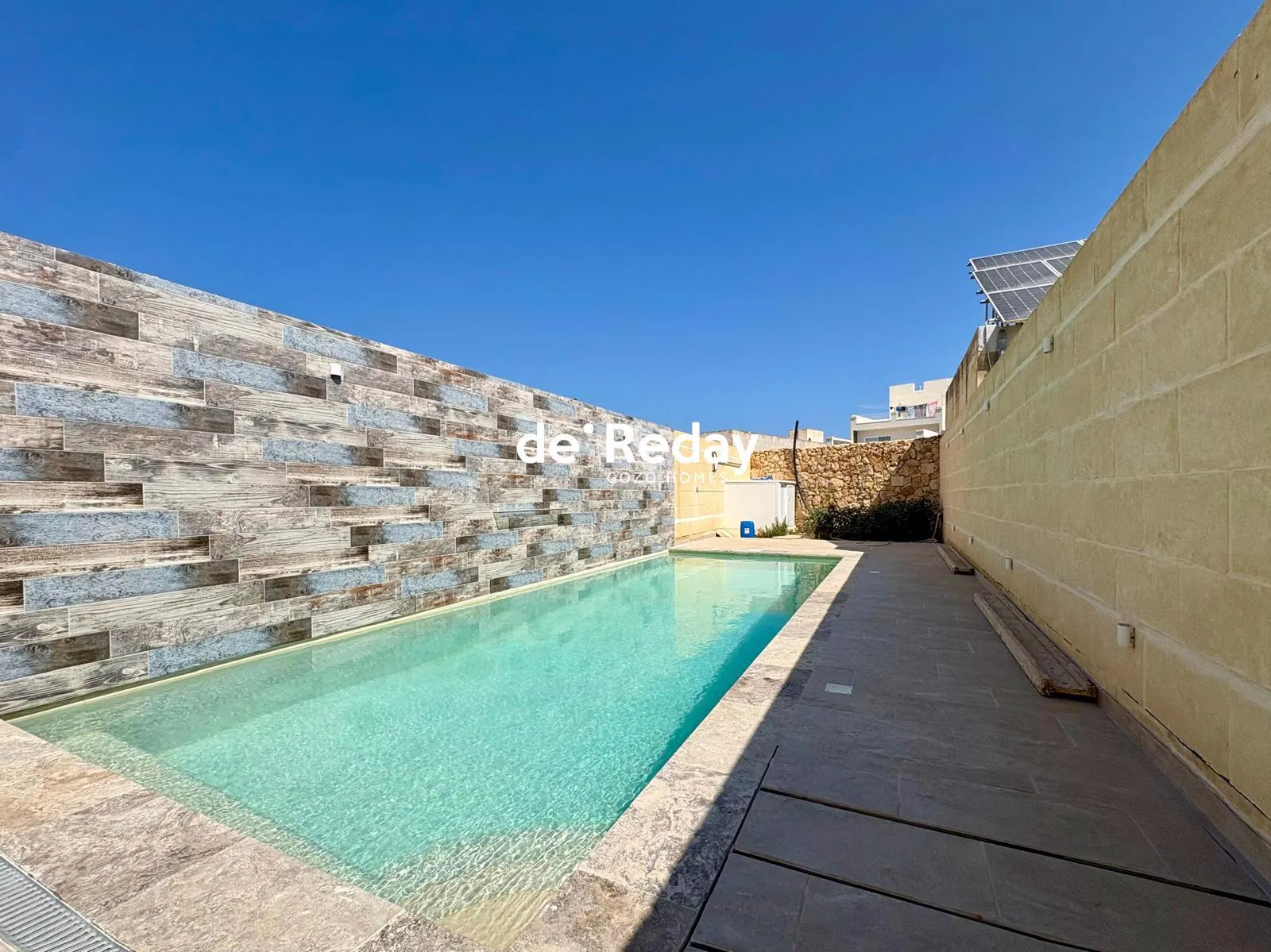
Brand New Maisonette with Pool
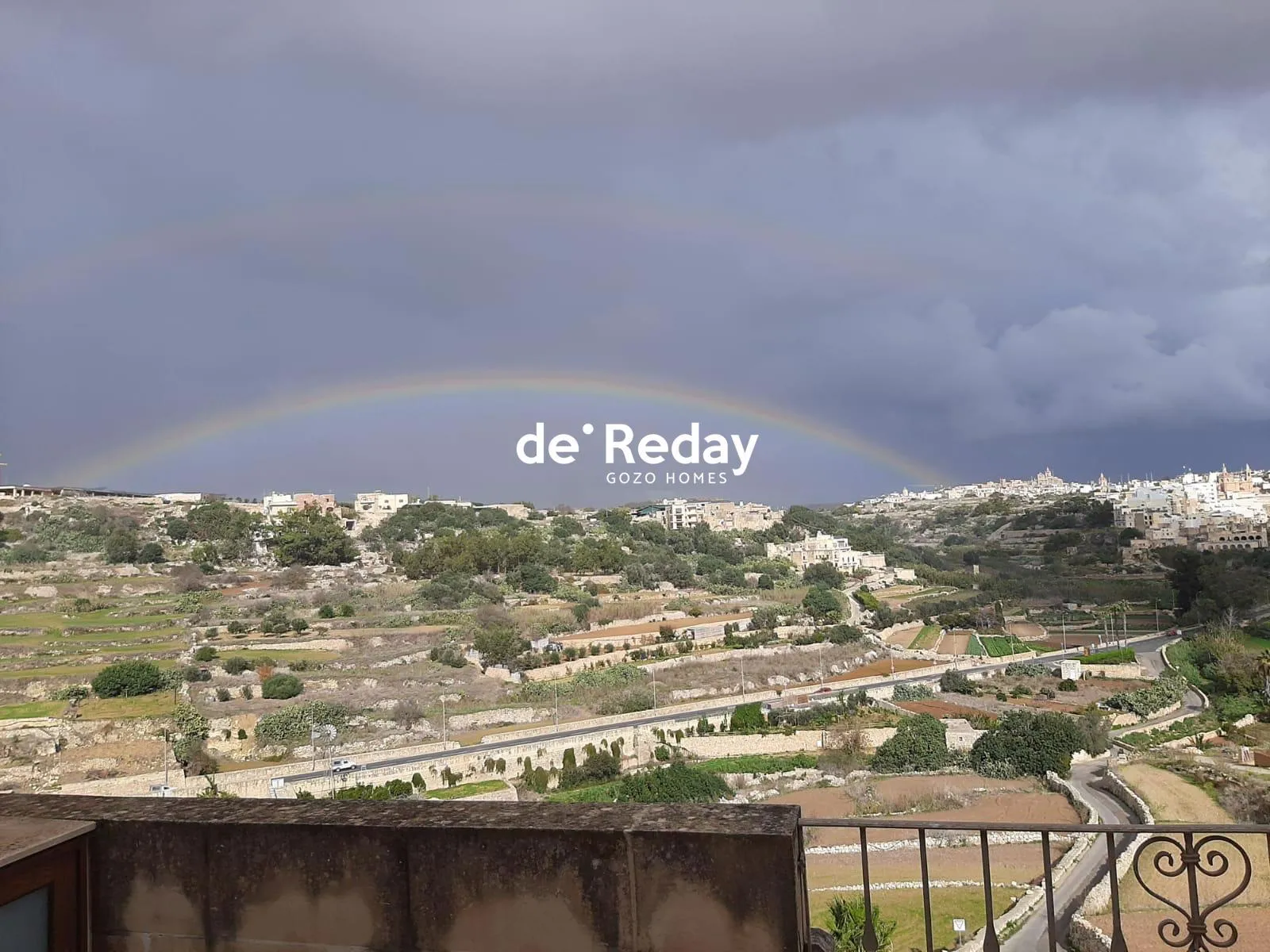
Charming 1 Bedroom Apartment in Munxar with Views