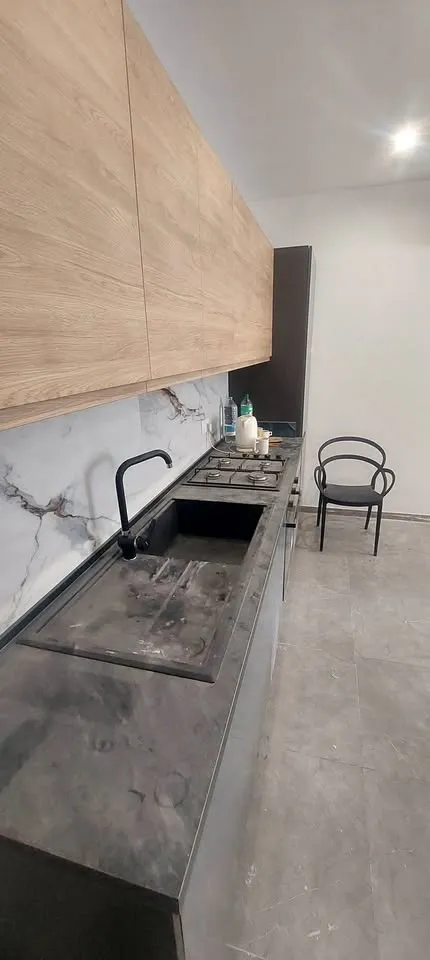
Fgura vs Tarxien
Side-by-side comparison of property prices, lifestyle, and practical info to help you choose the right area.
Summary
Living in Fgura
Fgura is a compact residential town sandwiched between the Three Cities and Zabbar — a primarily residential area that grew rapidly in the post-war period as housing spread outward from the harbour. It's one of Malta's newer towns, with most development dating from the 1960s onward, which gives it a different character from the ancient harbour cities next door. The town's landmark is a striking bronze monument of Christ the King that stands at the main junction, visible from the approach roads and a reference point for anyone navigating the area. Fgura's parish church, dedicated to St. Mary, has a distinctive modernist design that stands out among Malta's predominantly baroque churches. Fgura's appeal is straightforward: affordable housing close to both the harbour area and the southern towns. Property here is modestly priced, and the location is practical — a short drive to the Three Cities, Paola, and the arterial roads heading south and north. It's a commuter town, pure and simple, with no tourist pretensions.
Highlights
- Affordable housing close to the harbour area
- Christ the King monument — local landmark
- Quick access to Three Cities and Paola
- Modernist parish church — unusual for Malta
- No tourist premium on property prices
Living in Tarxien
Tarxien is a small town in Malta's south that punches well above its weight in historical significance. The Tarxien Temples — a UNESCO World Heritage Site sitting in the middle of a residential neighbourhood — are among the oldest freestanding stone structures on Earth, predating the Egyptian pyramids by over a thousand years. The temples feature intricate stone carvings of animals and spiral patterns that have become symbols of Malta's ancient heritage. The town itself is a typical southern Maltese residential area — modest townhouses, apartment blocks, and a parish church dedicated to the Annunciation. The Hypogeum of Hal Saflieni, an underground necropolis carved from solid rock around 3000 BC, sits just outside Tarxien's boundary and is one of the most extraordinary archaeological sites in the world. Tickets to visit it sell out months in advance. Property in Tarxien is among the most affordable in urban Malta. It's a no-frills residential area with good connections to Paola, the Three Cities, and Valletta. The appeal is purely practical — low prices, decent location, daily amenities on the doorstep. The ancient temples in the back garden are a bonus.
Highlights
- Tarxien Temples — older than the Egyptian pyramids
- Hal Saflieni Hypogeum nearby — underground ancient necropolis
- Among the most affordable property in urban Malta
- Good connections to Paola and the Three Cities
- Authentic southern Maltese residential life
Lifestyle Comparison
Which Area Is Right For You?
Choose Fgura
Fgura comes out ahead in dining, family, beaches, nightlife .
Choose Tarxien
Tarxien comes out ahead in transport .
Frequently Asked Questions
Available Properties
Fgura (4 listings)
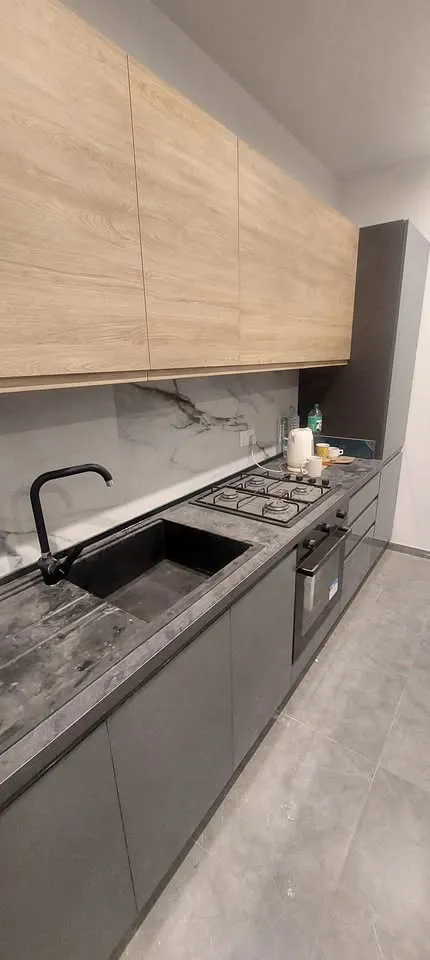
Fgura 1 Bedroom Apartment
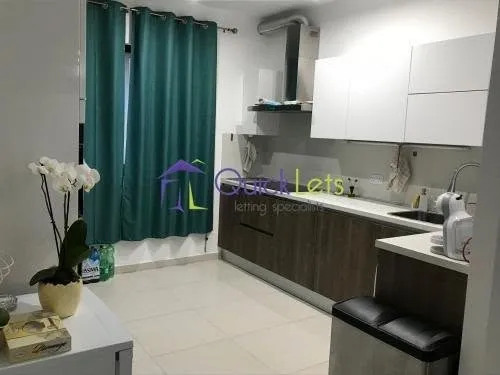
Modern, spacious, fully furnished 3-bedroom apartment in Fgura
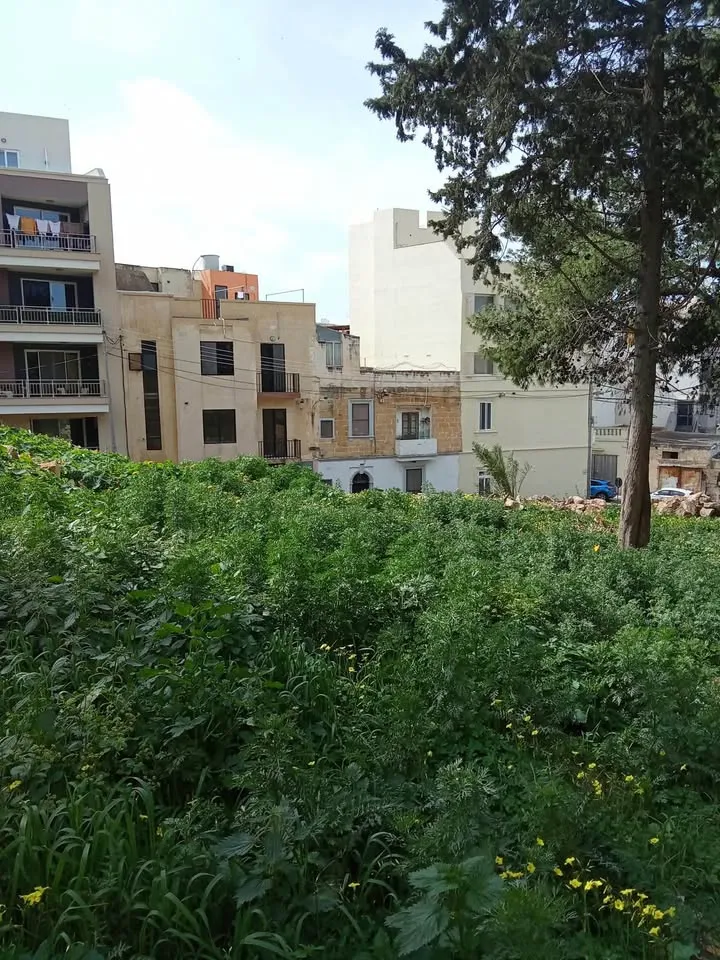
2 Bedroom Apartment in Fgura