Xaghra vs Xewkija
Side-by-side comparison of property prices, lifestyle, and practical info to help you choose the right area.
Summary
Xaghra is better for beach access and cultural heritage, while Xewkija wins for central convenience and family-friendly property value. Xaghra sits above Ramla l-Hamra, Gozo's best sandy beach (rated 10/10), beside the 5,500-year-old Ggantija Temples. Xewkija is dominated by the monumental Rotunda dome and occupies a strategic central position equidistant from Victoria, Mgarr ferry, and Ramla Bay.
Xaghra suits tourists and culture lovers with direct beach access and UNESCO heritage, though the walk back from Ramla is 15+ minutes uphill. Xewkija suits families and tourists seeking affordable traditional property with flat terrain, easy parking, and a 10-minute drive to the ferry versus Xaghra's 15 minutes. Xewkija's family rating is 9/10 compared to Xaghra's 8/10.
Both villages require 80–90+ minutes to reach Valletta including the ferry crossing and are connected to Victoria by bus (routes 301 and 302). Neither offers nightlife (both rated 2/10). Xaghra has stronger dining options (6/10 versus 4/10) and beach proximity, while Xewkija provides better value and easier island-wide access from its central plateau location.
Ancient hilltop village above Gozo's finest beach
Historic village dominated by monumental church dome
Living in Xaghra
Xaghra (pronounced 'shara') is a hilltop village in northern Gozo that sits above two of the island's most remarkable attractions: Ggantija Temples — the oldest freestanding stone structures in the world, built 1,000 years before the Egyptian pyramids — and Ramla l-Hamra, Gozo's sweep of red-gold sand that's widely considered the best beach in the Maltese islands. The village itself is a pleasant, sleepy Gozitan settlement with a large central square, a parish church, and a few cafes. Ggantija — meaning 'giant's tower' — dominates the local identity. Legend holds that the temples were built by a giantess who carried the massive stone blocks on her head while nursing a baby. The reality is arguably more impressive: a society sophisticated enough to carve and position 50-tonne limestone blocks 5,500 years ago. Property in Xaghra offers a rare combination — village living with direct access to Gozo's best beach. Prices are moderate by Gozo standards, and the village has enough year-round residents to maintain basic amenities. It's quiet in winter and busy in summer, with the beach drawing day-trippers from across Malta.
Highlights
- Ggantija Temples — oldest freestanding structures on Earth
- Ramla l-Hamra — Gozo's best sandy beach
- 5,500-year-old history beneath a quiet village
- Calypso's Cave — legendary home of Homer's nymph
- Moderate property prices with beach access
Living in Xewkija
Xewkija is one of Gozo's oldest villages, sitting on a plateau between Victoria and the eastern coast. The village is dominated by the Rotunda of St. John the Baptist — a colossal church whose dome is visible from nearly every point on the island. At 74 metres in diameter, it is one of the largest unsupported domes in Europe, exceeding St. Peter's Basilica in diameter, and it serves as a landmark for sailors approaching Gozo from the east. The village has a quiet, traditional character with narrow streets of old stone houses radiating from the church square. Xewkija is believed to be the first settlement established outside Victoria after the arrival of the Knights of St. John, and its name derives from the Maltese word for thorny bushes that once covered the area. The village retains a strong agricultural identity, with surrounding fields producing fruit, vegetables, and grapes for local wine. Property in Xewkija offers some of the best value in Gozo. Traditional townhouses with original stone arches and internal courtyards can be found at prices well below the coast. Newer developments have appeared along the main road toward Mgarr harbour, but the village core remains authentically Gozitan. The location is strategic — equidistant from Victoria, Mgarr ferry terminal, and the beaches of Ramla Bay.
Highlights
- The Rotunda — one of Europe's largest unsupported church domes at 74m diameter
- One of Gozo's oldest settlements, dating to the Knights of St. John era
- Strategic location between Victoria, Mgarr ferry, and Ramla Bay
- Some of the most affordable traditional property in Gozo
- Strong agricultural heritage with surrounding vineyards and fields
Lifestyle Comparison
Which Area Is Right For You?
Choose Xaghra
Xaghra comes out ahead in dining, beaches .
Choose Xewkija
Xewkija comes out ahead in family .
Frequently Asked Questions
Available Properties
Xaghra (4 listings)
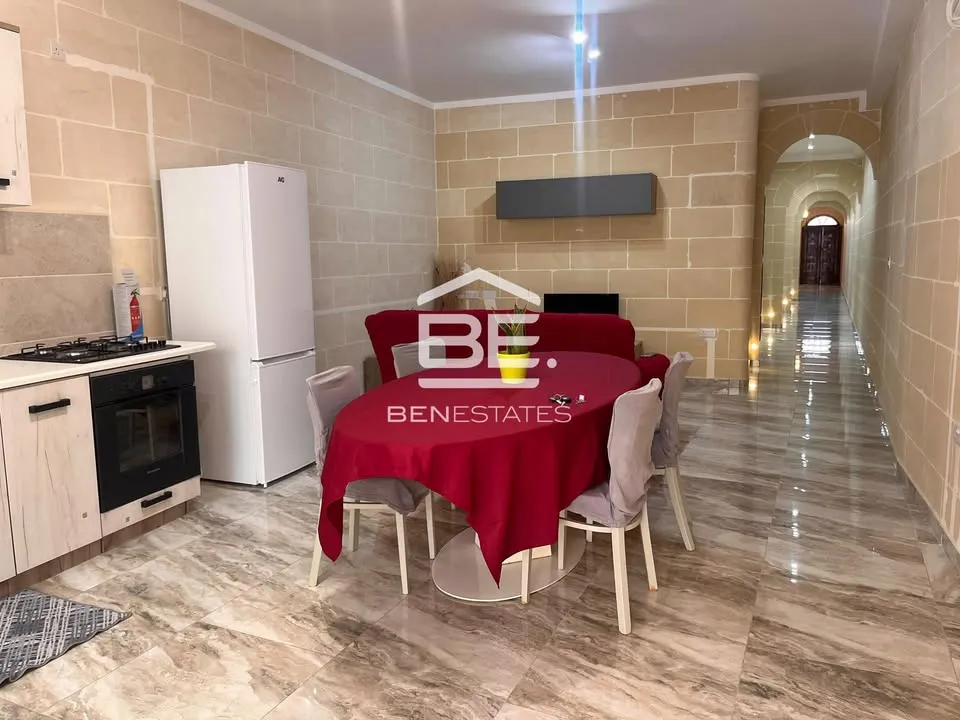
Large Massionette in Xaghra, Gozo
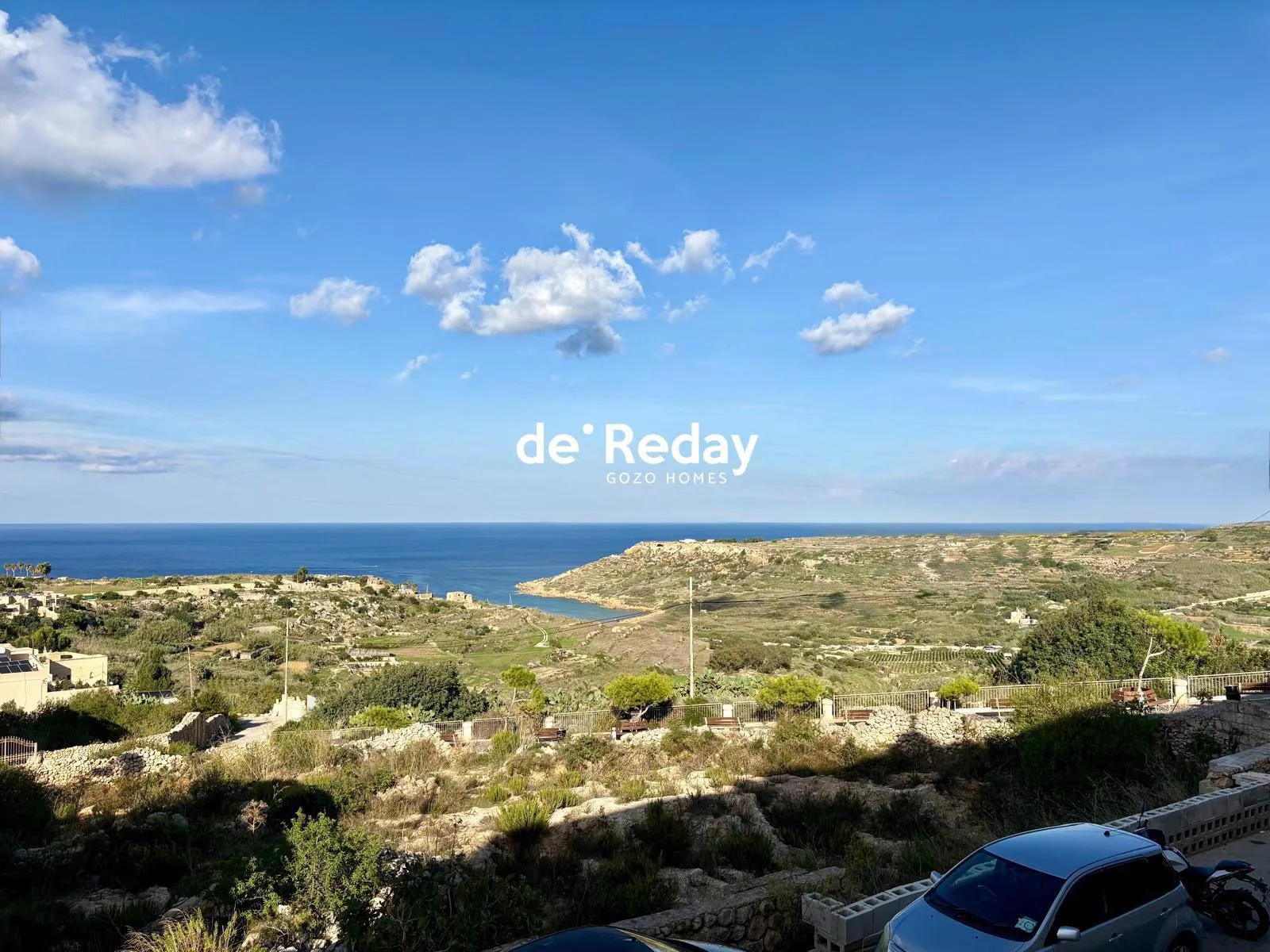
Modern Apartment in Xaghra with Views
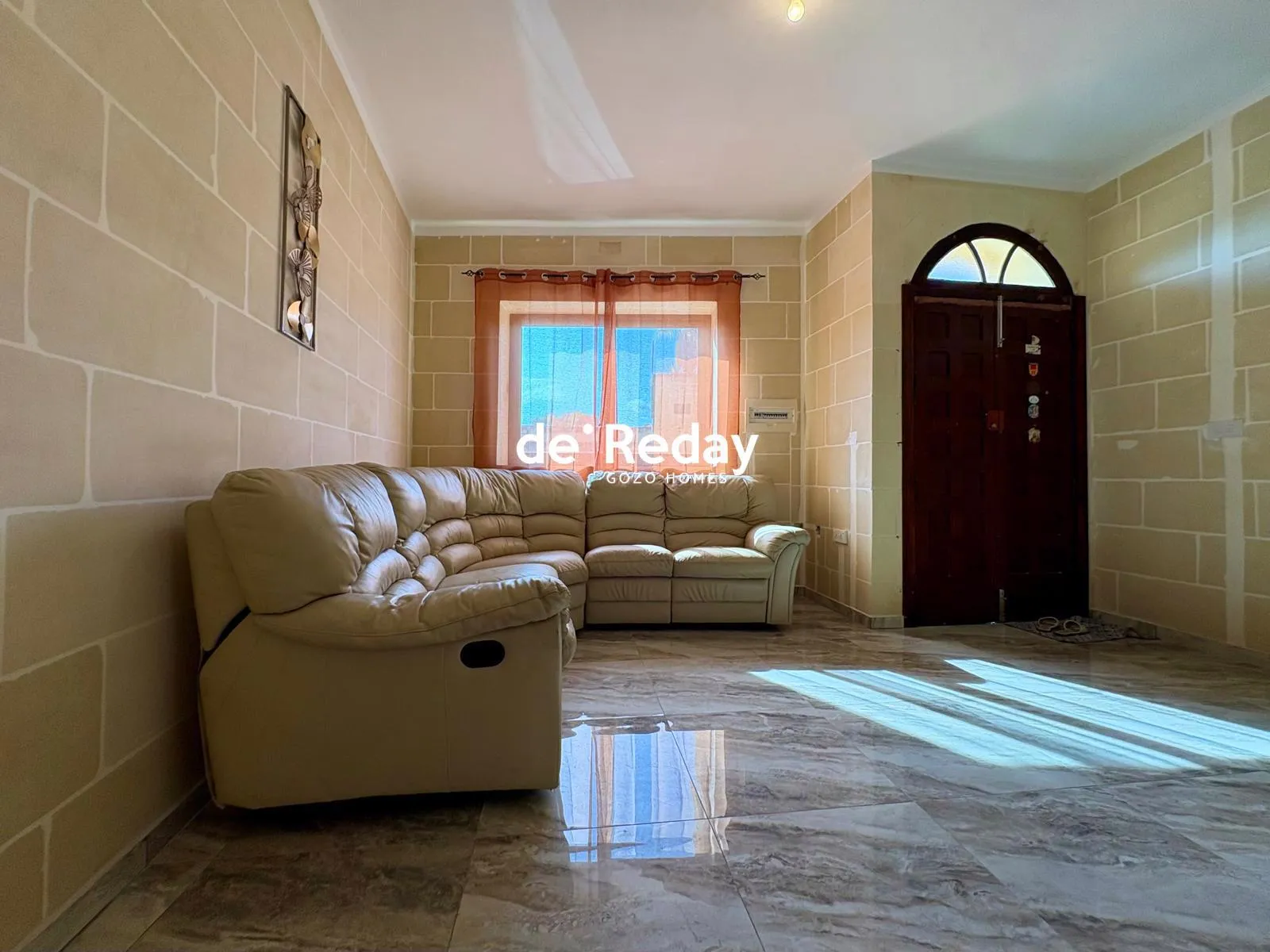
Brand New 3 Bedroom Maisonette
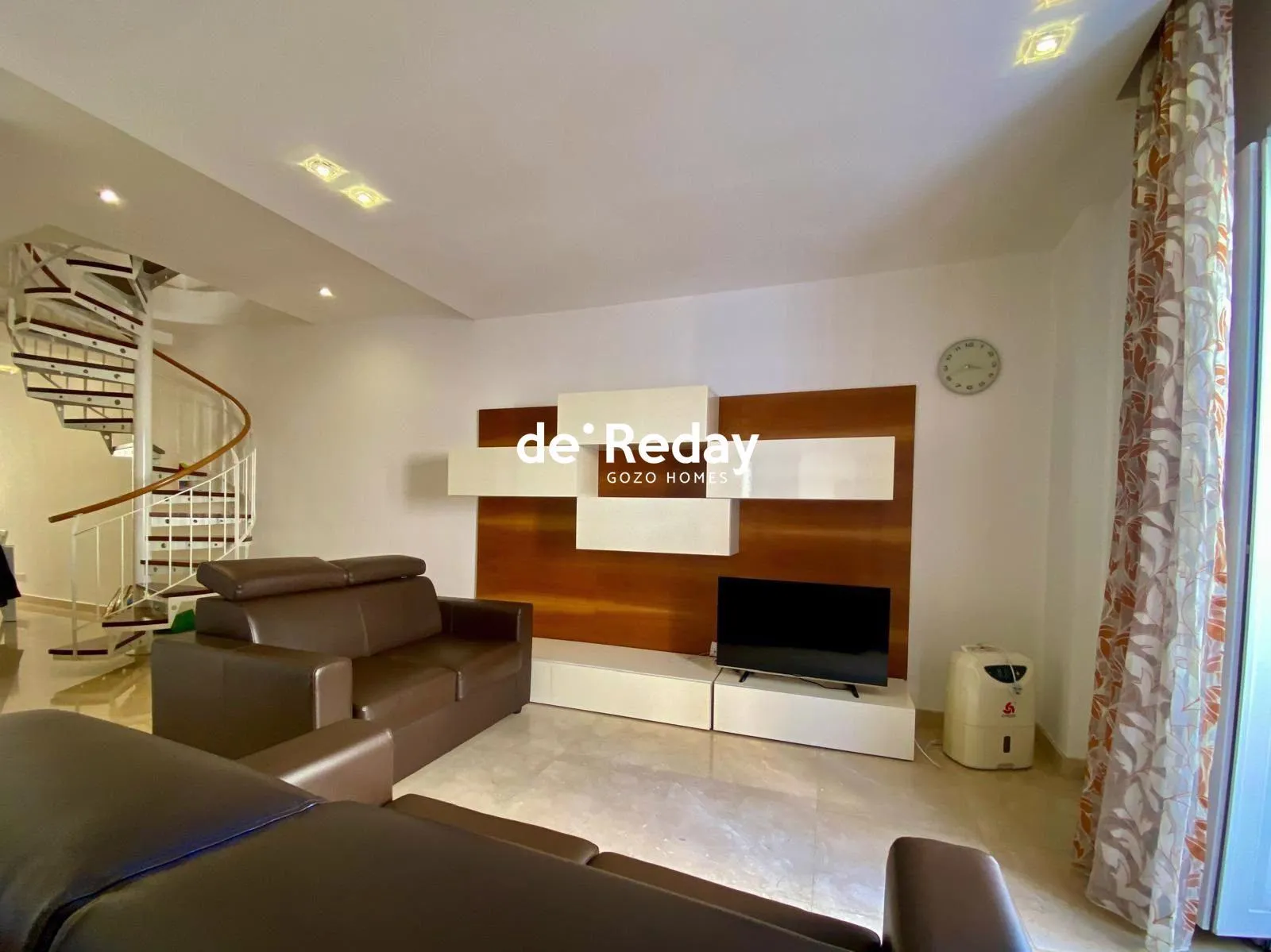
Duplex 2 Bedroom Apartment in Xaghra
Xewkija (10 listings)
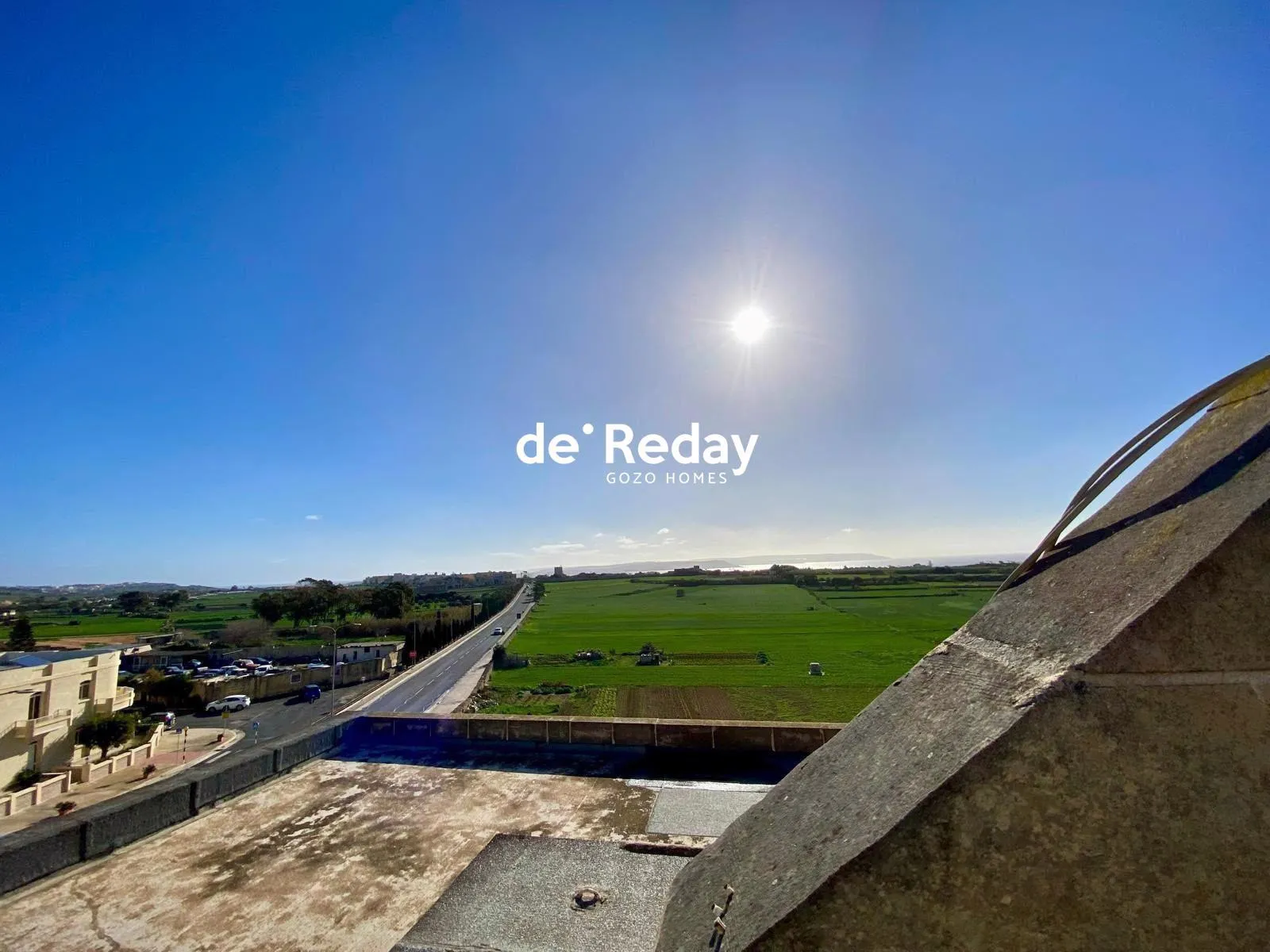
Charming House in Xewkija
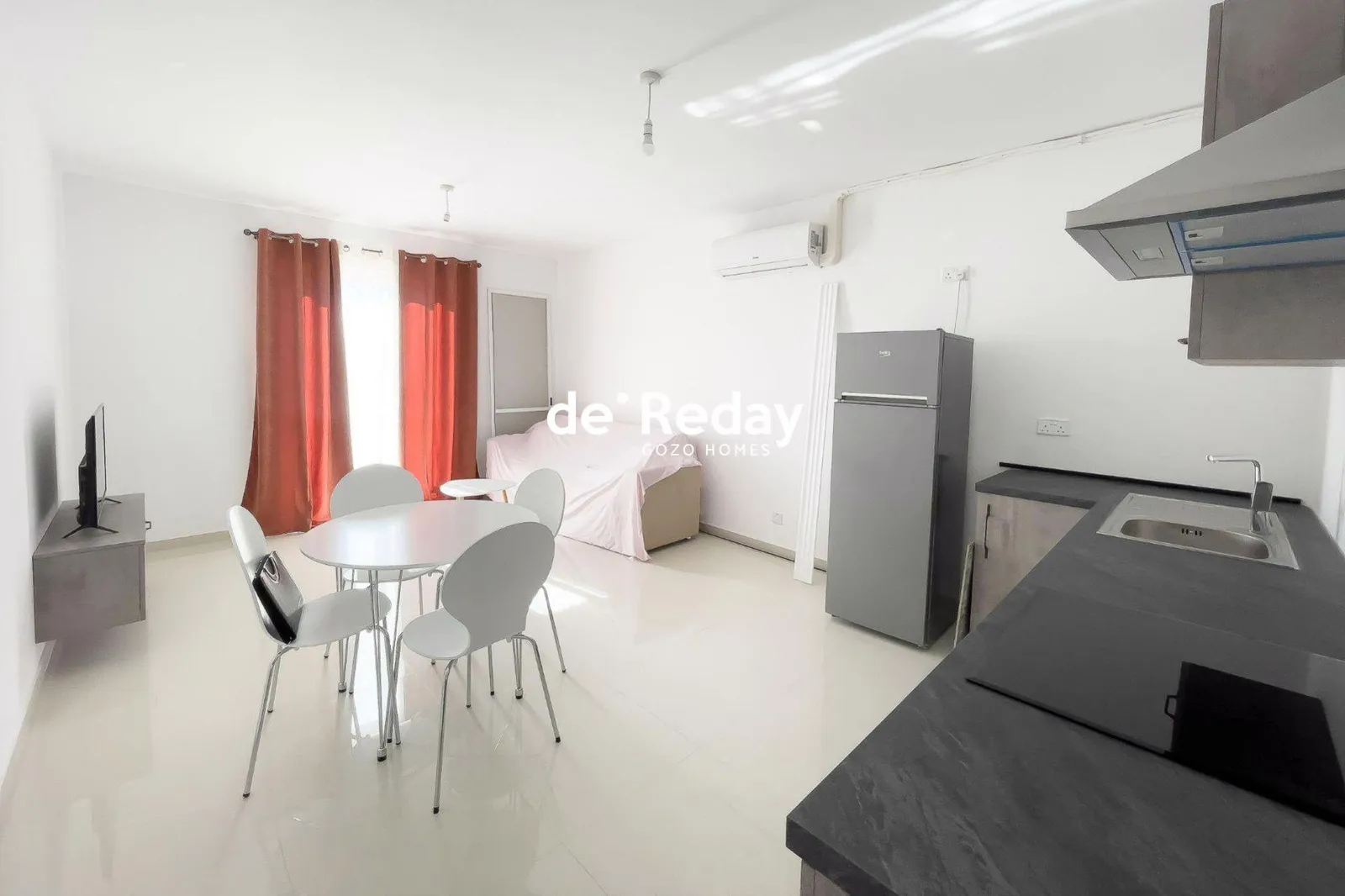
Charming 1 Bedroom Apartment in Xaghra
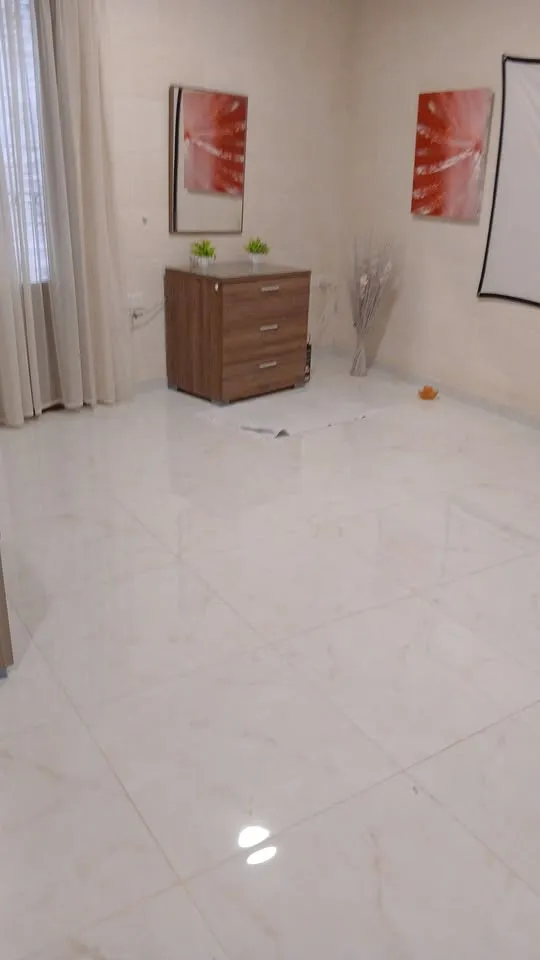
Room for rent in brand-new house in Xewkija