Birgu vs Birkirkara
Side-by-side comparison of property prices, lifestyle, and practical info to help you choose the right area.
Summary
Living in Birgu
Birgu — also known as Vittoriosa — is the oldest of Malta's Three Cities and arguably the most historically significant town on the island. Long before Valletta existed, Birgu was the base of the Knights of St. John when they arrived in 1530. Fort St. Angelo, the fortress at the tip of the peninsula, commanded the Grand Harbour and became the Knights' headquarters during the Great Siege of 1565, when the Ottoman Empire threw everything it had at Malta and failed. The town's narrow streets are a living archive of Maltese history. Auberges built for the Langues of the Knights, restored palazzos with painted ceilings, and centuries-old churches sit alongside traditional Maltese houses with their characteristic enclosed wooden balconies. The waterfront has been beautifully restored into a marina and promenade — the Couvre Porte gate marks the entrance to the old Collacchio, the original knights' quarter. Birgu is experiencing a quiet renaissance. Heritage-minded buyers are restoring old properties, a handful of excellent restaurants have opened along the marina, and the European Maritime Day put the town on the map in 2024. Property is still affordable relative to its architectural quality — you can buy a 400-year-old townhouse here for less than a modern apartment in Sliema. The trade-off is distance from the commercial north and limited parking in the historic core.
Highlights
- Fort St. Angelo — HQ of the Knights during the Great Siege of 1565
- Restored marina and waterfront promenade
- Heritage properties at a fraction of Sliema prices
- Malta Maritime Museum and Inquisitor's Palace
- Authentic quiet streets with Grand Harbour views
Living in Birkirkara
Birkirkara is Malta's largest town by population — a sprawling residential centre in the heart of the island that most tourists never visit but most Maltese have a connection to. It's not picturesque in the way Valletta or Mdina are, but it's real, working-class Malta: bakeries that have been open for generations, parish churches that anchor entire neighbourhoods, and streets where everyone knows everyone. The town's geography is varied. The old centre clusters around the imposing St. Helen's Basilica, one of the largest churches on the island. Ta' Paris and Swatar are more modern residential areas with apartment blocks popular with young professionals. The Imrieher industrial zone sits on the edge, a reminder that Birkirkara has always been a working town. The Valley Road area, running through a natural watercourse, is one of the few green corridors in central Malta. Property in Birkirkara offers the best value proposition in central Malta. Rents and purchase prices sit well below Sliema and St. Julian's while keeping you within 15 minutes of both by car or bus. The town has its own commercial strip, good schools, and a market that sells everything from fresh fish to furniture. It's not a lifestyle choice — it's a practical one, and that's why it's the island's most populated town.
Highlights
- Most populated town in Malta
- Significantly more affordable than coastal areas
- St. Helen's Basilica — one of Malta's largest churches
- Central location with 15-min access to most of the island
- Traditional Maltese town life with modern amenities
Lifestyle Comparison
Which Area Is Right For You?
Choose Birgu
Birgu comes out ahead in dining, safety, beaches, nightlife .
Choose Birkirkara
Birkirkara comes out ahead in family, transport .
Frequently Asked Questions
Available Properties
Birgu (1 listings)
View all Birgu properties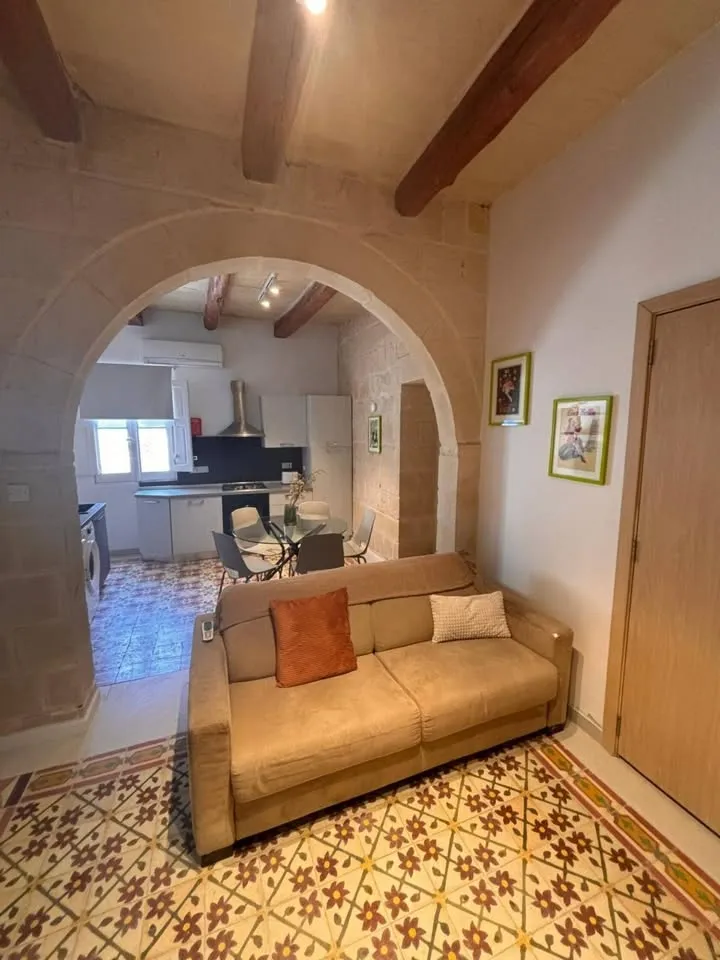
Birkirkara (18 listings)
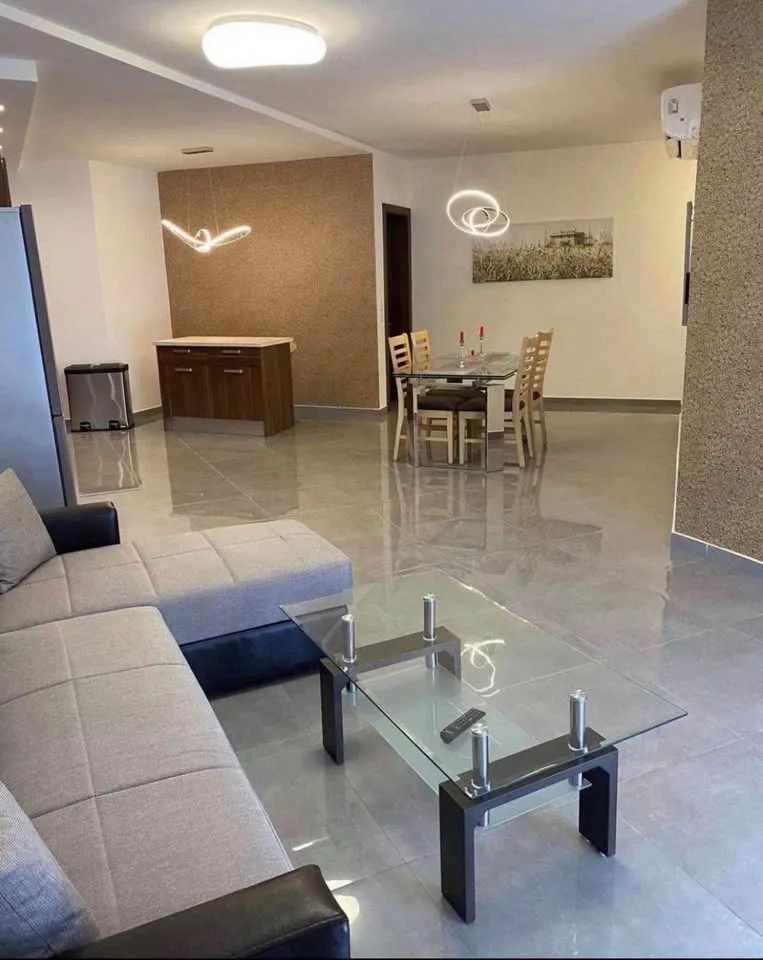
Birkirkara Rental
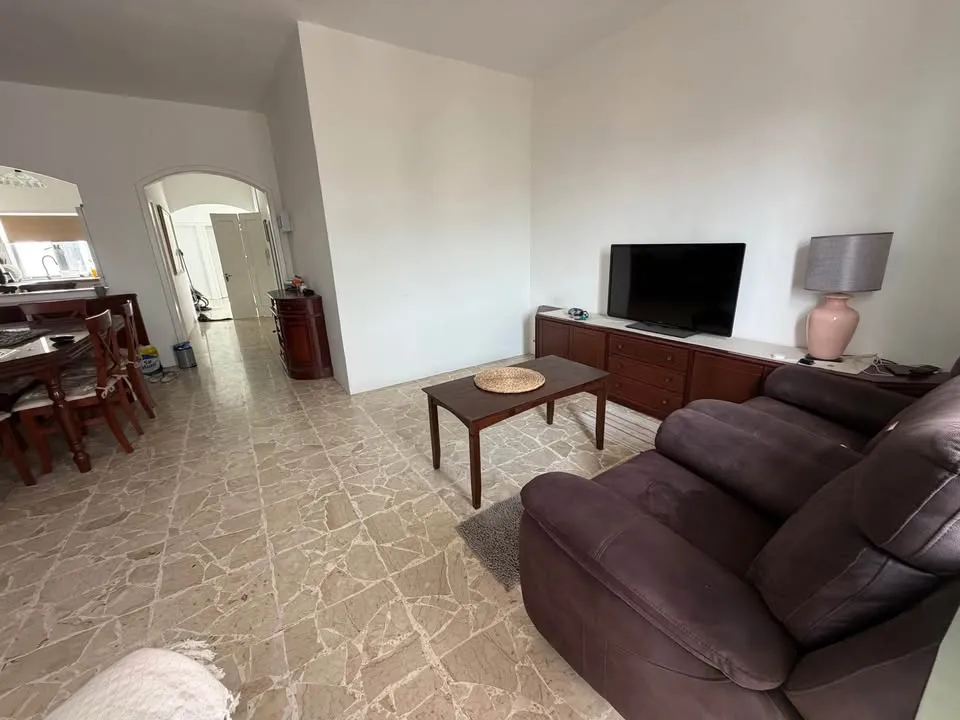
Two bedroom flat in Birkirkara
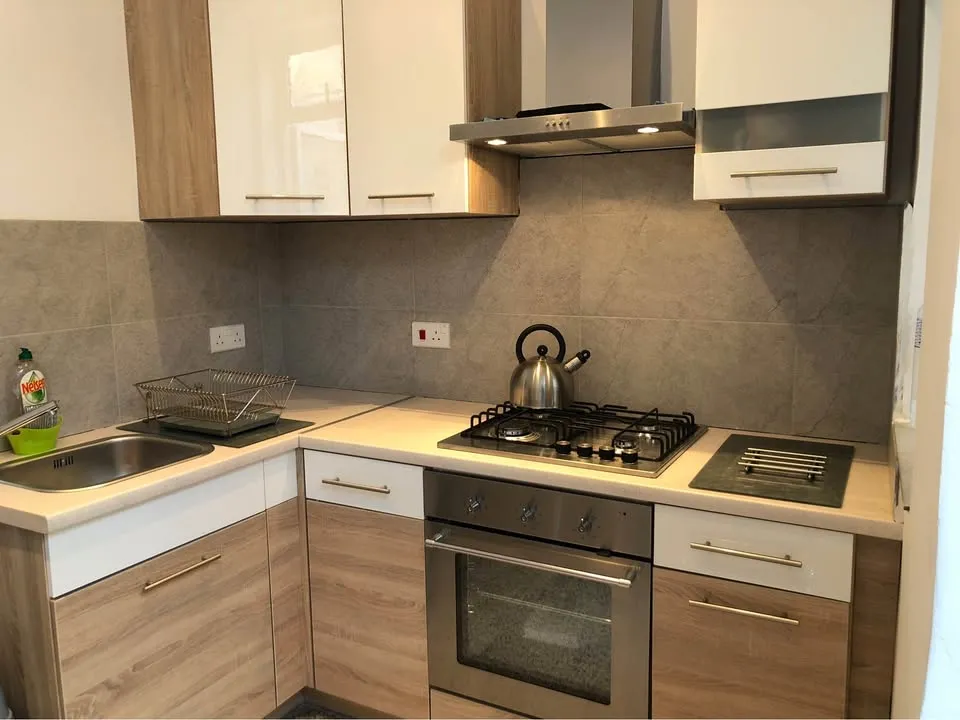
Modern refurbished Townhouse in Birkirkara