Birgu vs Mosta
Side-by-side comparison of property prices, lifestyle, and practical info to help you choose the right area.
Summary
Birgu is better for culture lovers and tourists seeking heritage waterfront living, while Mosta suits families wanting affordable, central convenience with easy island-wide access.
Birgu scores 9/10 for safety and 8/10 for dining, with a restored marina, Fort St. Angelo, and a 5-minute ferry connection to Valletta. The fortified peninsula offers heritage properties at prices below Valletta and Sliema, though parking is difficult and the commute to Sliema or St. Julian's takes 35–45 minutes. Foreign buyers can purchase without an AIP permit in the Cottonera Waterfront SDA zone. Birgu's nightlife rating is just 4/10, reflecting its quiet, residential character and population of only 2,700.
Mosta rates 8/10 for both family-friendliness and transport, with bus routes 41, 42, 44, and 45 connecting north Malta to Valletta. The town sits centrally — 20 minutes by car to Valletta, Sliema, beaches, and the airport. Property prices are generally more affordable than neighbouring towns, with larger floor spaces. However, Mosta has no coastline, a nightlife rating of just 2/10, and a dining score of 5/10. Its population of 22,800 supports strong local infrastructure including schools and the nearby Ta' Qali sports complex.
Living in Birgu
Birgu — also known as Vittoriosa — is the oldest of Malta's Three Cities and arguably the most historically significant town on the island. Long before Valletta existed, Birgu was the base of the Knights of St. John when they arrived in 1530. Fort St. Angelo, the fortress at the tip of the peninsula, commanded the Grand Harbour and became the Knights' headquarters during the Great Siege of 1565, when the Ottoman Empire threw everything it had at Malta and failed. The town's narrow streets are a living archive of Maltese history. Auberges built for the Langues of the Knights, restored palazzos with painted ceilings, and centuries-old churches sit alongside traditional Maltese houses with their characteristic enclosed wooden balconies. The waterfront has been beautifully restored into a marina and promenade — the Couvre Porte gate marks the entrance to the old Collacchio, the original knights' quarter. Birgu is experiencing a quiet renaissance. Heritage-minded buyers are restoring old properties, a handful of excellent restaurants have opened along the marina, and the European Maritime Day put the town on the map in 2024. Property is still affordable relative to its architectural quality — you can buy a 400-year-old townhouse here for less than a modern apartment in Sliema. The trade-off is distance from the commercial north and limited parking in the historic core.
Highlights
- Fort St. Angelo — HQ of the Knights during the Great Siege of 1565
- Restored marina and waterfront promenade
- Heritage properties at a fraction of Sliema prices
- Malta Maritime Museum and Inquisitor's Palace
- Authentic quiet streets with Grand Harbour views
Living in Mosta
Mosta is defined by one building. The Rotunda of Mosta — a massive domed church modelled on the Pantheon in Rome — dominates the town's skyline and its identity. The dome is one of the largest unsupported church domes in the world, and its story is remarkable: during WWII, a German bomb pierced the dome during a packed Mass and skidded across the floor without exploding. A replica is still on display inside. Beyond the Rotunda, Mosta is a substantial residential town in central Malta with a character that sits between urban and rural. The town centre has a traditional Maltese market area and commercial strip, while the outskirts blend into farmland and open countryside. Ta' Qali, Malta's national stadium and sports complex, sits at the edge of town alongside the Crafts Village and Malta's aviation museum. Mosta appeals to families and professionals who want space without being far from the action. Property here is more affordable than the coastal hotspots, and you get more square metreage for your money. The town has a strong community feel, good schools, and enough restaurants and shops that daily life doesn't require a trip to Sliema or Valletta.
Highlights
- The Rotunda — one of the world's largest unsupported domes
- Ta' Qali national stadium and sports complex
- More affordable property with larger living spaces
- Central location — 20 min to anywhere on Malta
- Strong community atmosphere and local markets
Lifestyle Comparison
Which Area Is Right For You?
Choose Birgu
Birgu comes out ahead in dining, safety, beaches, nightlife .
Choose Mosta
Mosta comes out ahead in family, transport .
Frequently Asked Questions
Available Properties
Birgu (1 listings)
View all Birgu properties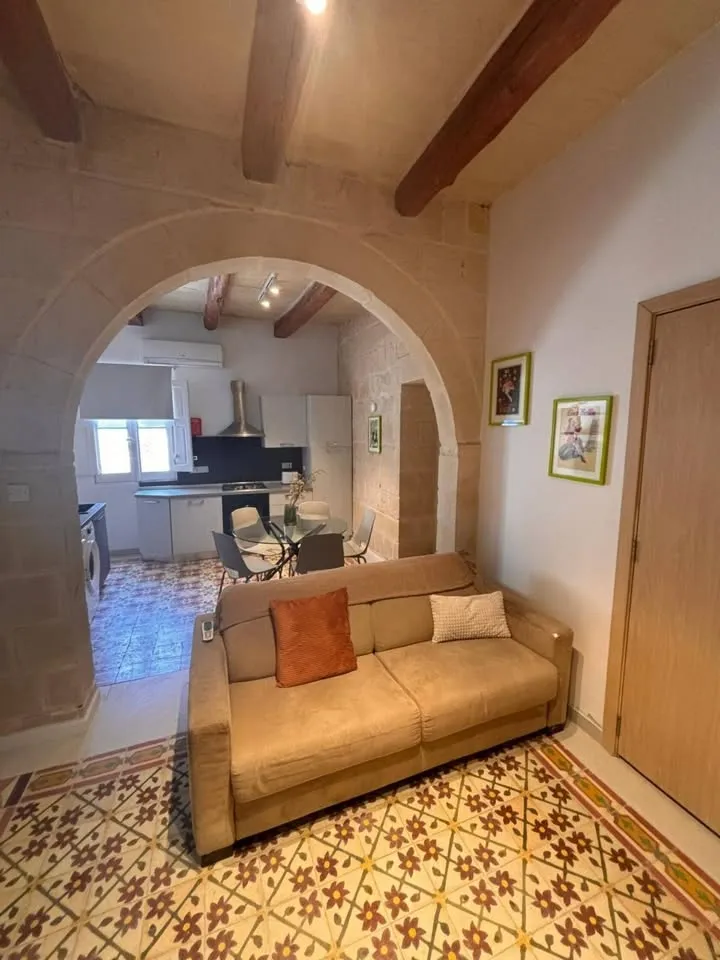
Mosta (32 listings)
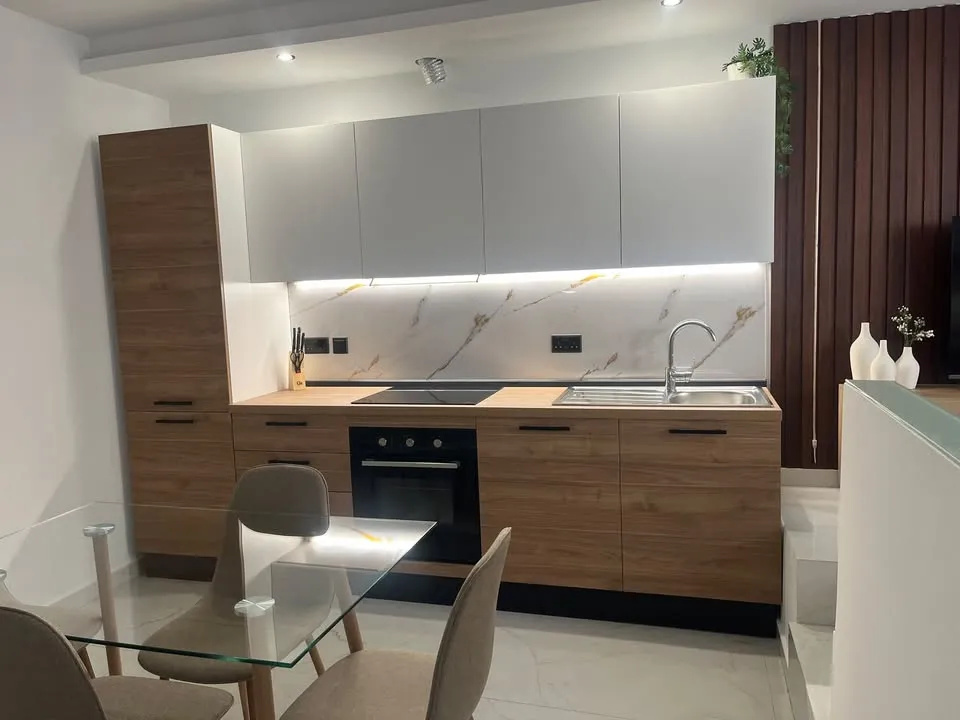
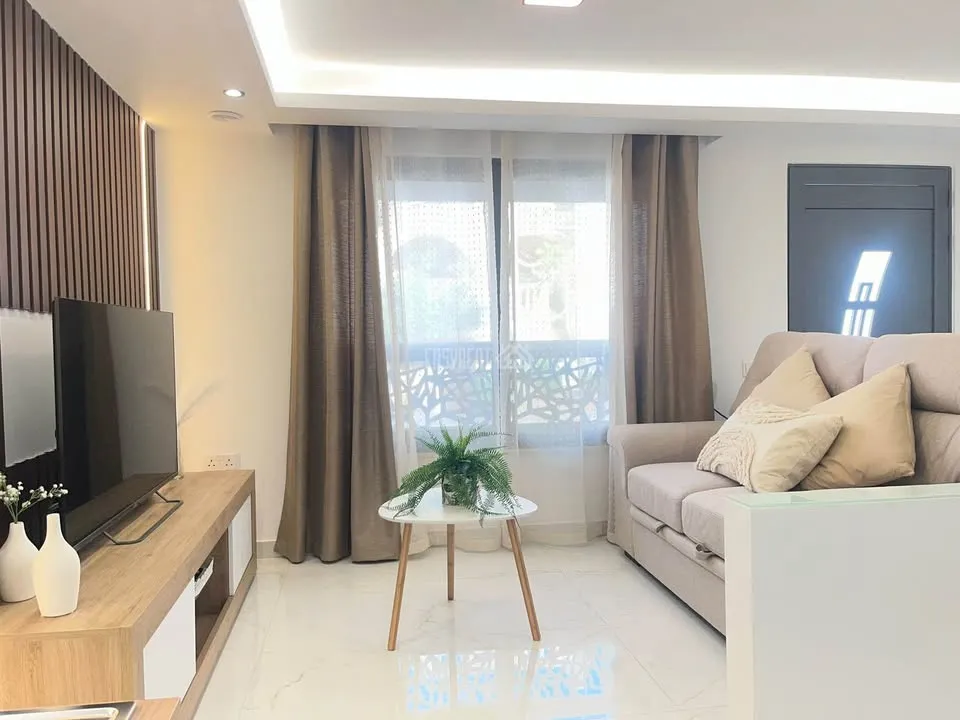
MOSTA MODERN MAISONNETE
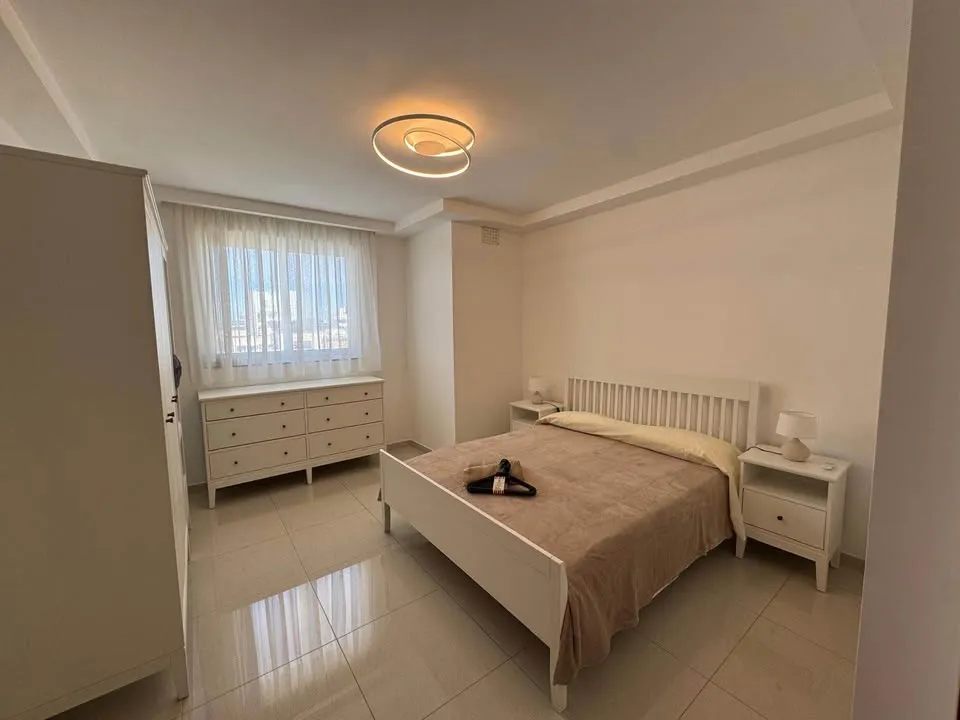
Spacious corner duplex penthouse in Mosta with enormous terrace
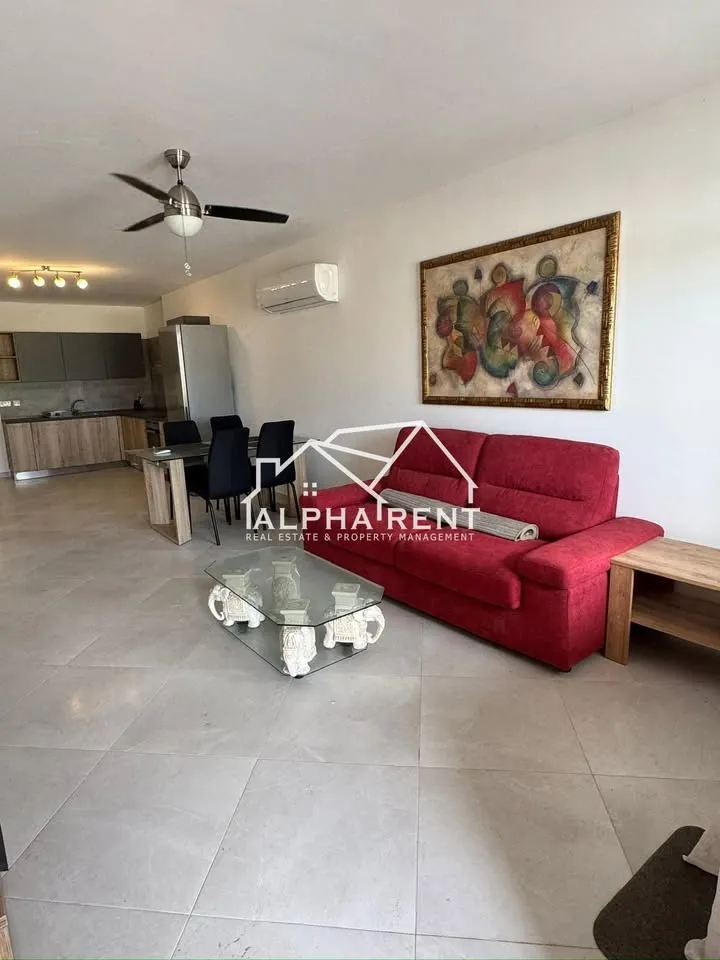
Apartment for Rent in Mosta