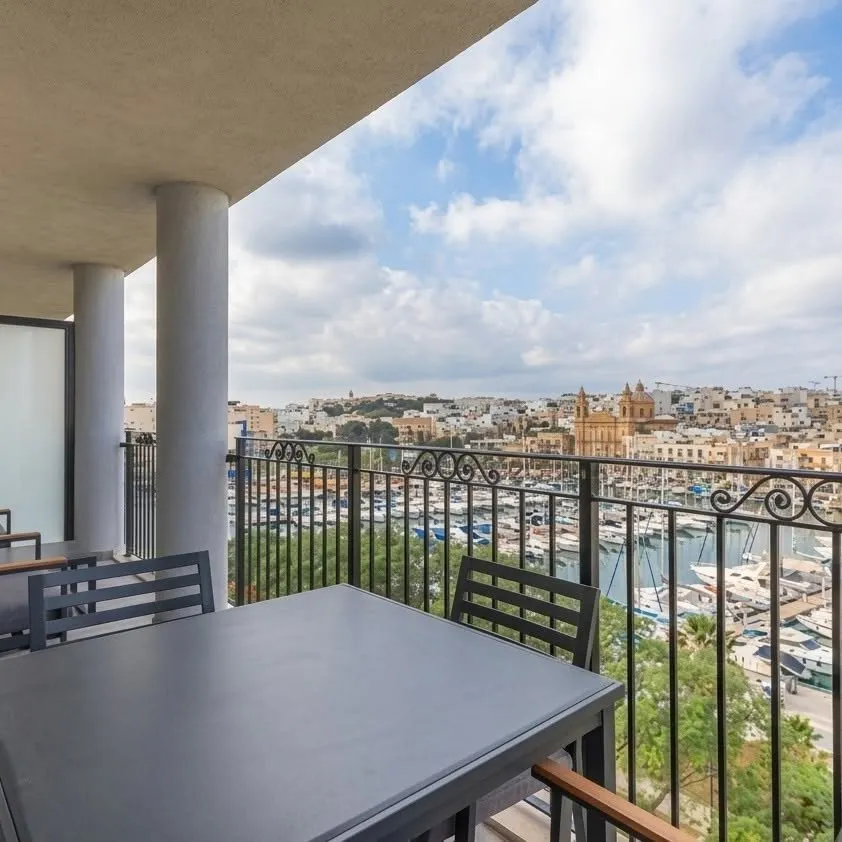
Birkirkara vs Pieta
Side-by-side comparison of property prices, lifestyle, and practical info to help you choose the right area.
Summary
Birkirkara, Malta's largest town with 24,300 residents, scores 9/10 for transport and 8/10 for family suitability. Property prices are significantly cheaper than coastal areas, with bus connections reaching Valletta in 20–25 minutes, Sliema in 15 minutes, and the airport in 20 minutes. Pieta, a compact town of 3,100 people, also scores 9/10 for transport and sits just 15 minutes from the airport by car, with buses to Valletta and Sliema passing through regularly. Pieta's seafront promenade and yacht marina give it a lifestyle edge over landlocked Birkirkara, which scores just 1/10 for beach access.
Pieta benefits from steady rental demand driven by Mater Dei Hospital staff and proximity to the University of Malta, though parking is consistently difficult due to hospital traffic. Birkirkara offers easier parking, more spacious housing, and stronger community character, but lacks nightlife and coastal amenities. Both score 6/10 for dining and share excellent central positioning, making either a practical base for accessing the rest of Malta.
Living in Birkirkara
Birkirkara is Malta's largest town by population — a sprawling residential centre in the heart of the island that most tourists never visit but most Maltese have a connection to. It's not picturesque in the way Valletta or Mdina are, but it's real, working-class Malta: bakeries that have been open for generations, parish churches that anchor entire neighbourhoods, and streets where everyone knows everyone. The town's geography is varied. The old centre clusters around the imposing St. Helen's Basilica, one of the largest churches on the island. Ta' Paris and Swatar are more modern residential areas with apartment blocks popular with young professionals. The Imrieher industrial zone sits on the edge, a reminder that Birkirkara has always been a working town. The Valley Road area, running through a natural watercourse, is one of the few green corridors in central Malta. Property in Birkirkara offers the best value proposition in central Malta. Rents and purchase prices sit well below Sliema and St. Julian's while keeping you within 15 minutes of both by car or bus. The town has its own commercial strip, good schools, and a market that sells everything from fresh fish to furniture. It's not a lifestyle choice — it's a practical one, and that's why it's the island's most populated town.
Highlights
- Most populated town in Malta
- Significantly more affordable than coastal areas
- St. Helen's Basilica — one of Malta's largest churches
- Central location with 15-min access to most of the island
- Traditional Maltese town life with modern amenities
Living in Pieta
Pietà is a small harbourside locality that sits on the inlet between Msida and Floriana — a narrow strip of waterfront that packs in Malta's general hospital, a yacht marina, and a stretch of seafront promenade into a compact area. The name means 'piety' in Italian, taken from the Wayside Chapel of Our Lady of Sorrows that once served sailors entering Marsamxett Harbour. The town's significance is out of proportion to its size. Mater Dei Hospital is Malta's primary healthcare facility, and the surrounding area has developed to serve the thousands of staff, patients, and visitors who pass through daily. The yacht marina sits on the opposite side of the inlet, with boatyards and chandleries that serve Malta's sizeable recreational sailing community. Property in Pietà is functional and mid-priced. The hospital drives rental demand from medical staff, and the seafront location adds modest premium. It's not a destination neighbourhood, but it's well-positioned — walkable to Msida, the university, and a short bus ride to Valletta.
Highlights
- Mater Dei Hospital — Malta's primary healthcare facility
- Yacht marina and boatyard
- Walkable to the University of Malta
- Seafront promenade
- Strong rental demand from medical professionals
Lifestyle Comparison
Which Area Is Right For You?
Choose Birkirkara
Birkirkara comes out ahead in family .
Choose Pieta
Pieta comes out ahead in safety, beaches, nightlife .
Frequently Asked Questions
Available Properties
Birkirkara (26 listings)
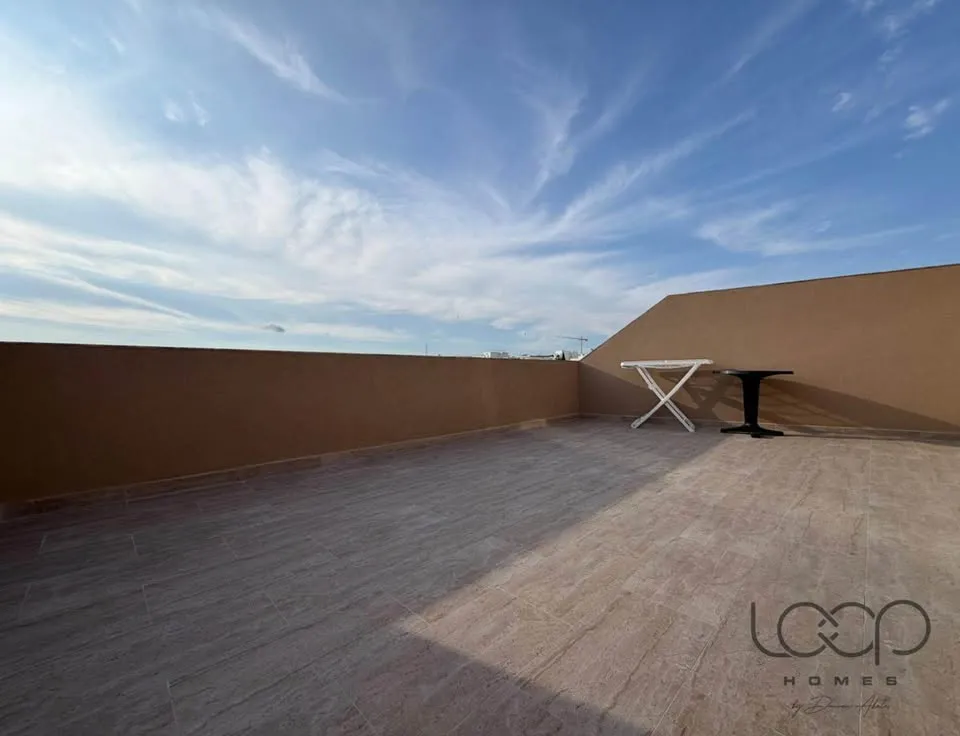
Modern 2 Bedroom Penthouse in Birkirkara
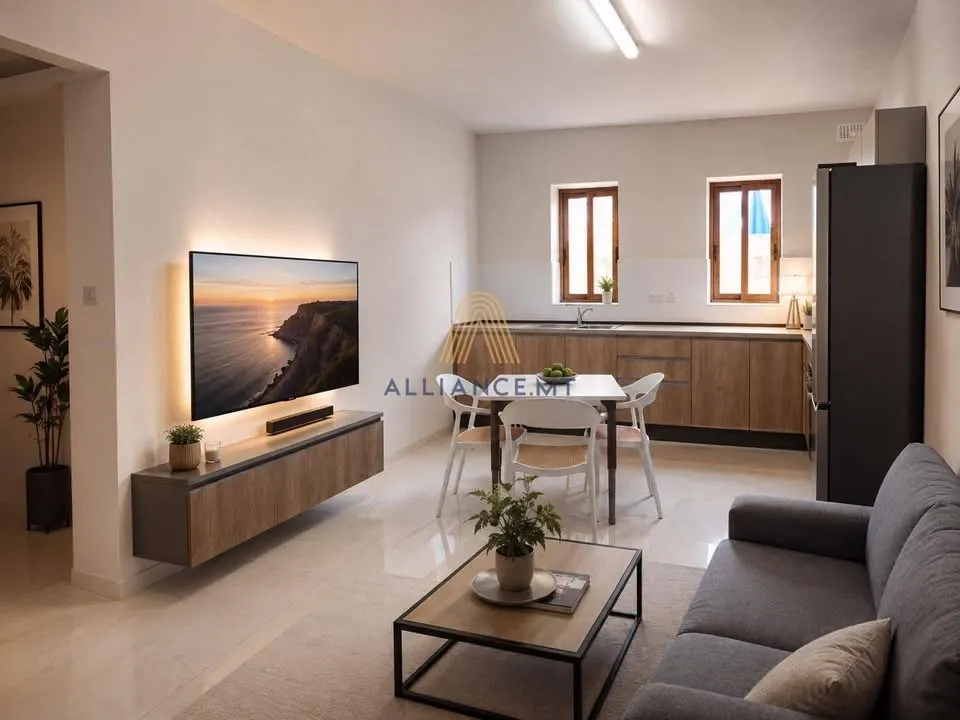
Modern 1-Bedrooms Apartment for Rent in Birkirkara
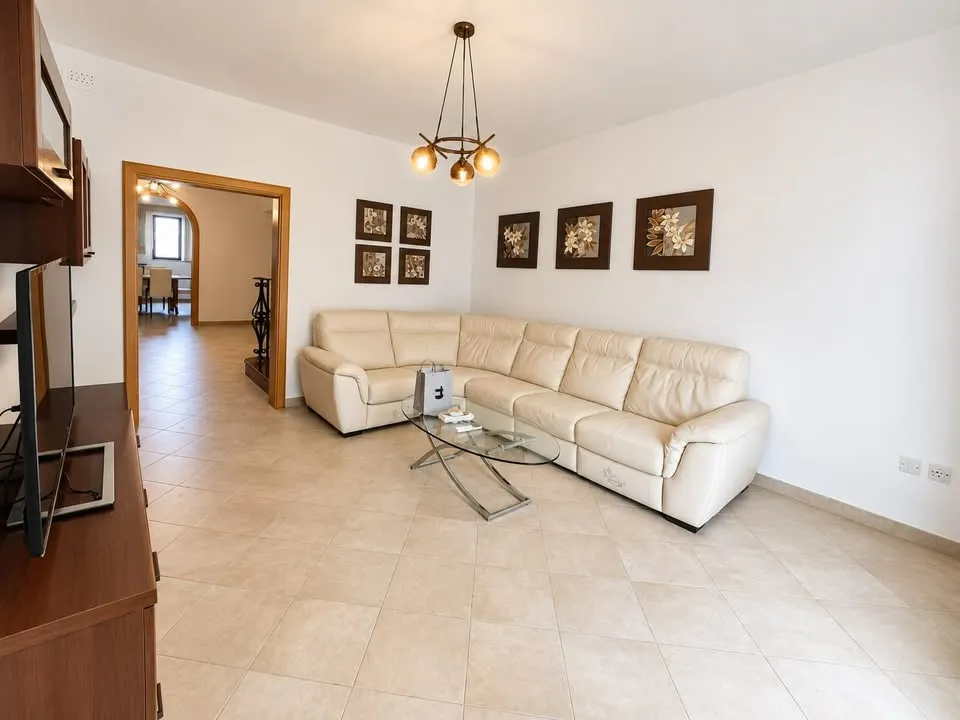
Modern 2-bedroom apartment in Birkirkara
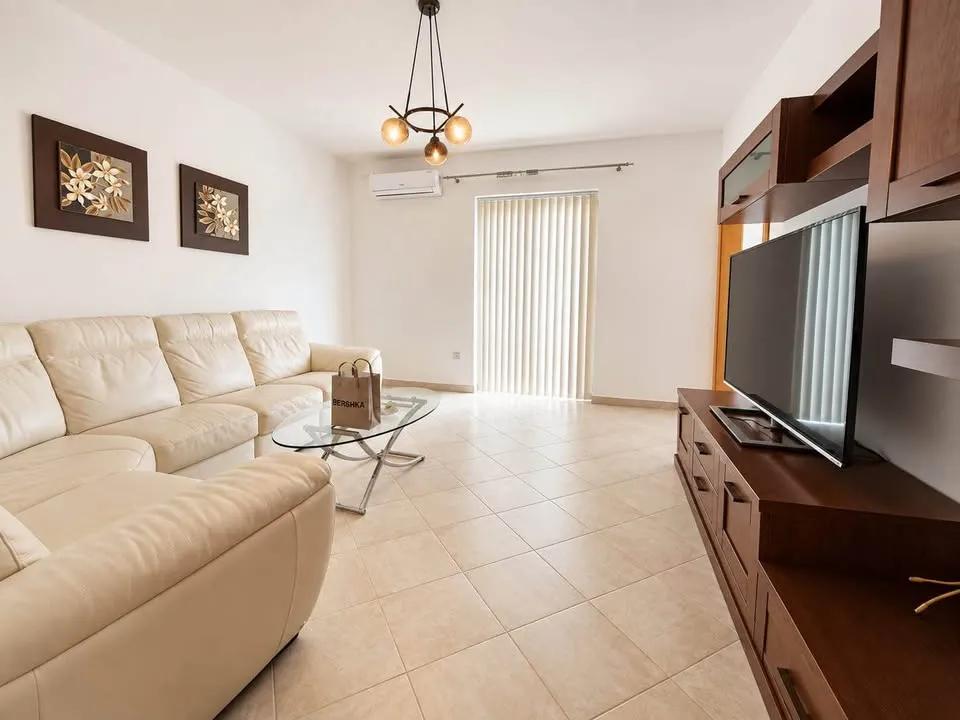
Birkirkara (For rent) - Central and spacious 3 bedroom 2 bath maisonette with roof
Pieta (12 listings)
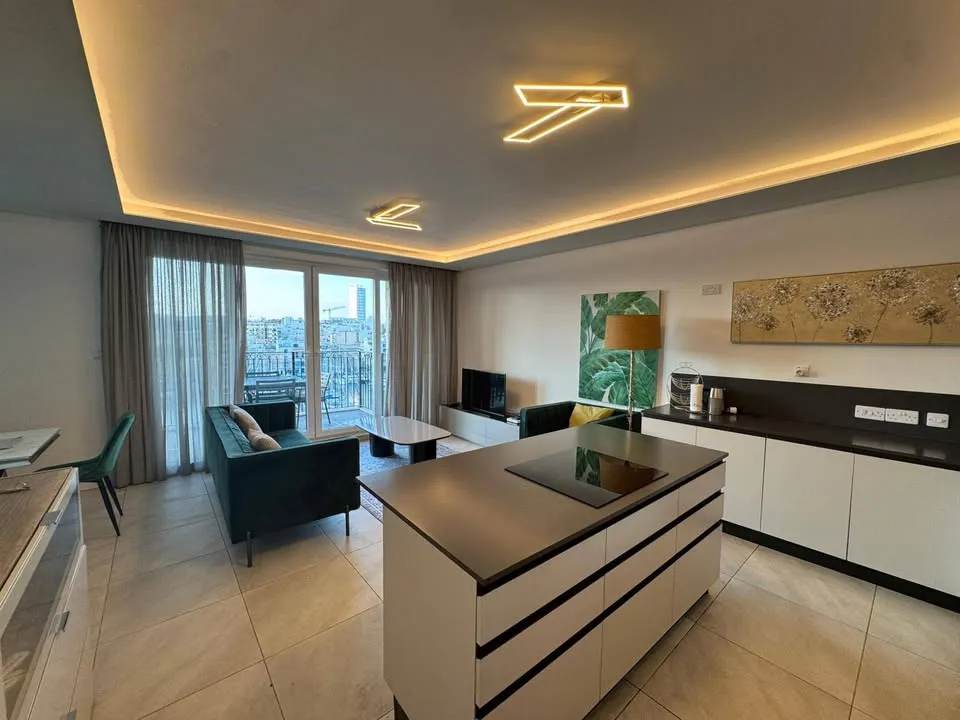
PIETÀ - SEAFRONT APARTMENT FOR RENT
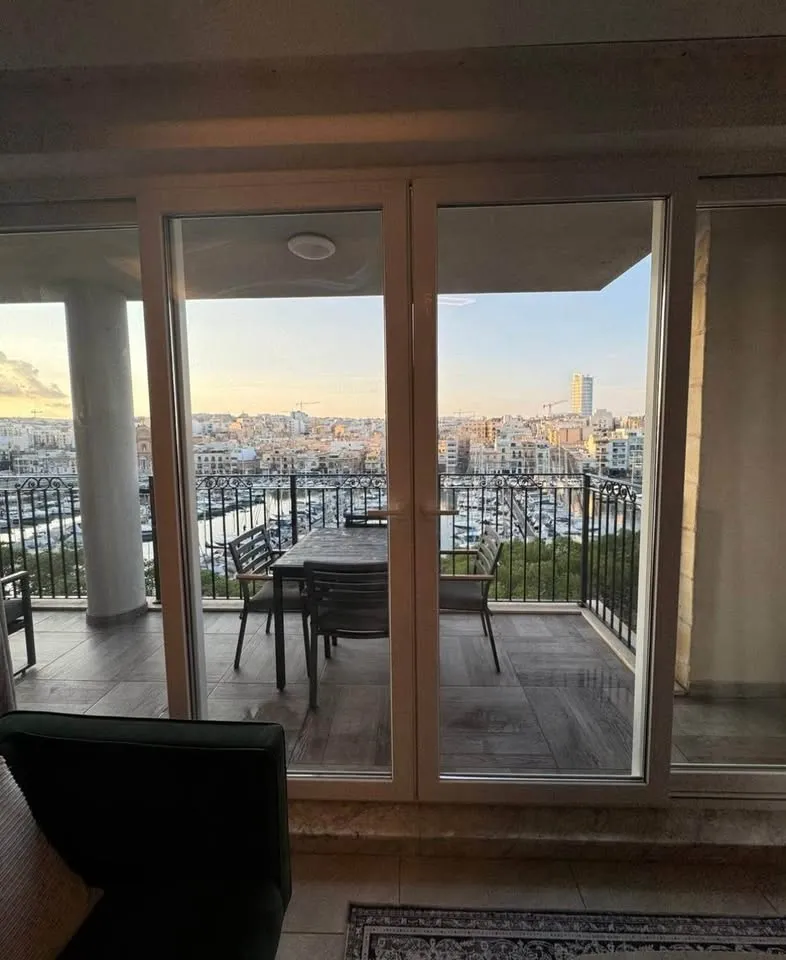
Beautiful Highly Finished 2 Bedroom Apartment in Pieta

PIETA APARTMENT FOR RENT