Birkirkara vs Qawra
Side-by-side comparison of property prices, lifestyle, and practical info to help you choose the right area.
Summary
Birkirkara scores 9/10 for transport and 8/10 for family suitability, with direct bus routes reaching Valletta in 20–25 minutes and Sliema in 15 minutes. Property prices are among Malta's most affordable for a central location, with more square metres per euro than coastal towns. Qawra scores 4/10 for beaches (rocky swimming, no sandy beach) and 6/10 for dining, offering a seafront promenade but requiring a 50–60 minute bus ride to Valletta. Birkirkara has no coastal access; the nearest sea is 15–20 minutes away by car.
Birkirkara suits families and budget buyers prioritising space, schools, and island-wide connectivity from Malta's largest town (population 24,300). Qawra suits tourists, budget buyers, and retirees drawn to relaxed coastal living, sea views, and consistent rental demand. Birkirkara's airport transfer is 20 minutes by car versus Qawra's 30 minutes.
Living in Birkirkara
Birkirkara is Malta's largest town by population — a sprawling residential centre in the heart of the island that most tourists never visit but most Maltese have a connection to. It's not picturesque in the way Valletta or Mdina are, but it's real, working-class Malta: bakeries that have been open for generations, parish churches that anchor entire neighbourhoods, and streets where everyone knows everyone. The town's geography is varied. The old centre clusters around the imposing St. Helen's Basilica, one of the largest churches on the island. Ta' Paris and Swatar are more modern residential areas with apartment blocks popular with young professionals. The Imrieher industrial zone sits on the edge, a reminder that Birkirkara has always been a working town. The Valley Road area, running through a natural watercourse, is one of the few green corridors in central Malta. Property in Birkirkara offers the best value proposition in central Malta. Rents and purchase prices sit well below Sliema and St. Julian's while keeping you within 15 minutes of both by car or bus. The town has its own commercial strip, good schools, and a market that sells everything from fresh fish to furniture. It's not a lifestyle choice — it's a practical one, and that's why it's the island's most populated town.
Highlights
- Most populated town in Malta
- Significantly more affordable than coastal areas
- St. Helen's Basilica — one of Malta's largest churches
- Central location with 15-min access to most of the island
- Traditional Maltese town life with modern amenities
Living in Qawra
Qawra is the quieter neighbour of Bugibba — a coastal resort area on St. Paul's Bay that shares the same tourist infrastructure but with a more relaxed pace. The name means 'rounded' in Maltese, referring to the shape of the rocky peninsula that juts into the sea. Where Bugibba is loud and commercial, Qawra is slightly more subdued, with a long coastal promenade, rocky swimming platforms, and a cluster of hotels and apartment blocks. The Qawra promenade is one of the longest continuous seafront walks in Malta, stretching from Bugibba's aquarium all the way to Salina Bay. The salt pans at Salina are one of the oldest in Malta, still producing sea salt using traditional methods. The Qawra Point tower, a Knights-era watchtower, sits at the tip of the peninsula. Property in Qawra mirrors Bugibba's market — affordable purchase prices and solid rental yields from tourist demand. The area is popular with British retirees and long-stay visitors who prefer Qawra's slightly calmer atmosphere over Bugibba's bustle. Winter occupancy is better than most Maltese resorts thanks to the retiree community.
Highlights
- Longest seafront promenade in northern Malta
- Salina salt pans — traditional sea salt production
- Knights-era watchtower at Qawra Point
- Steady rental yields from retiree community
- Slightly quieter alternative to neighbouring Bugibba
Lifestyle Comparison
Which Area Is Right For You?
Choose Birkirkara
Birkirkara comes out ahead in family, safety, transport .
Choose Qawra
Qawra comes out ahead in dining, beaches, nightlife .
Frequently Asked Questions
Available Properties
Birkirkara (26 listings)
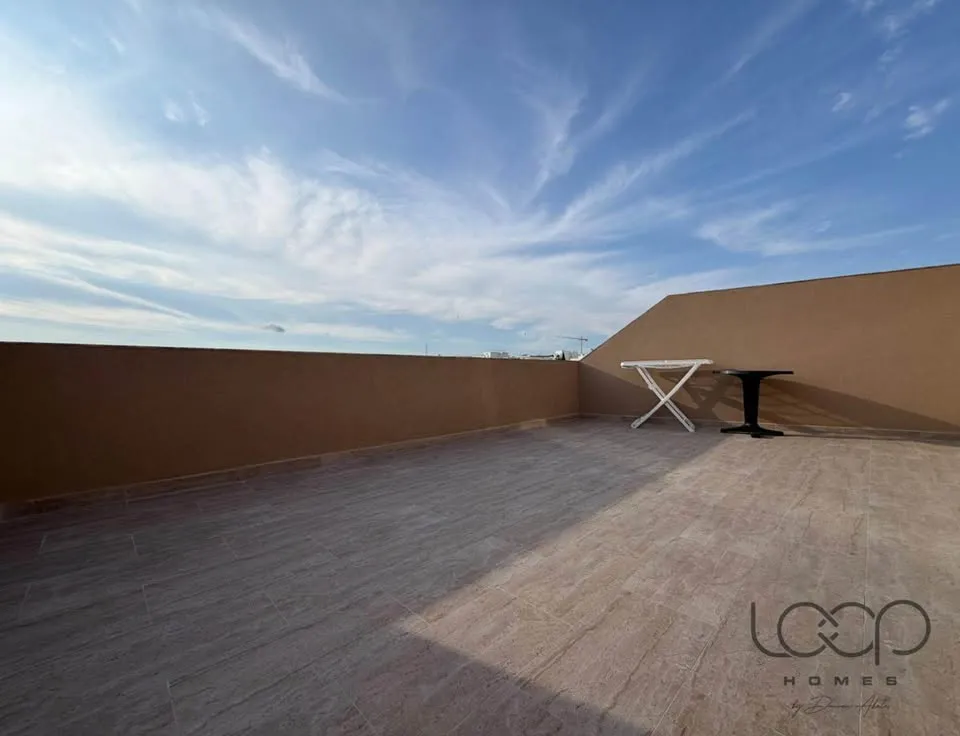
Modern 2 Bedroom Penthouse in Birkirkara
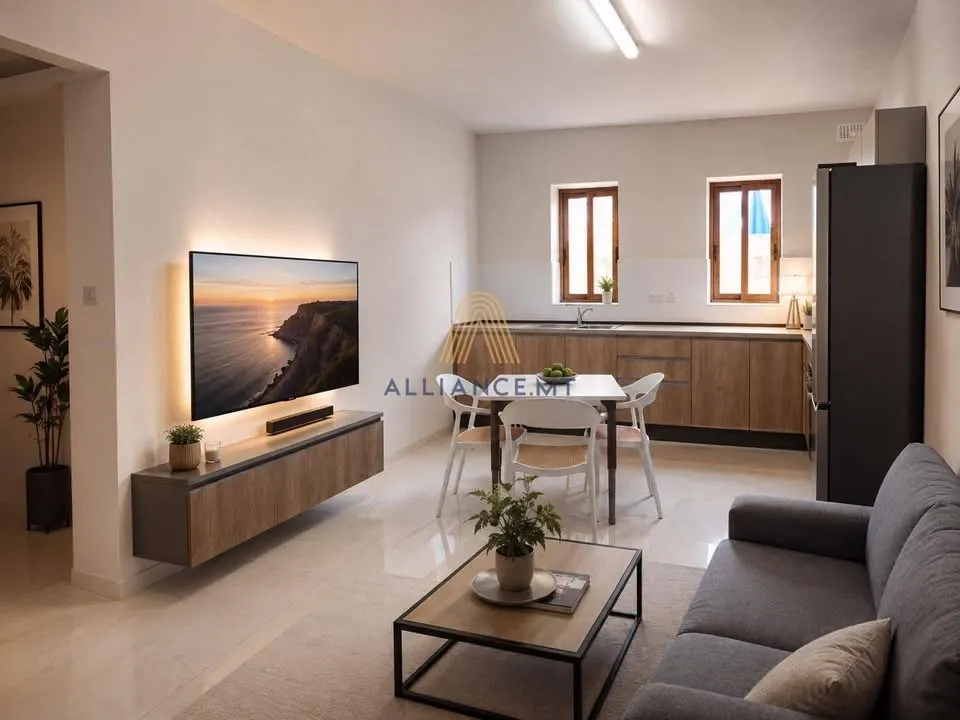
Modern 1-Bedrooms Apartment for Rent in Birkirkara
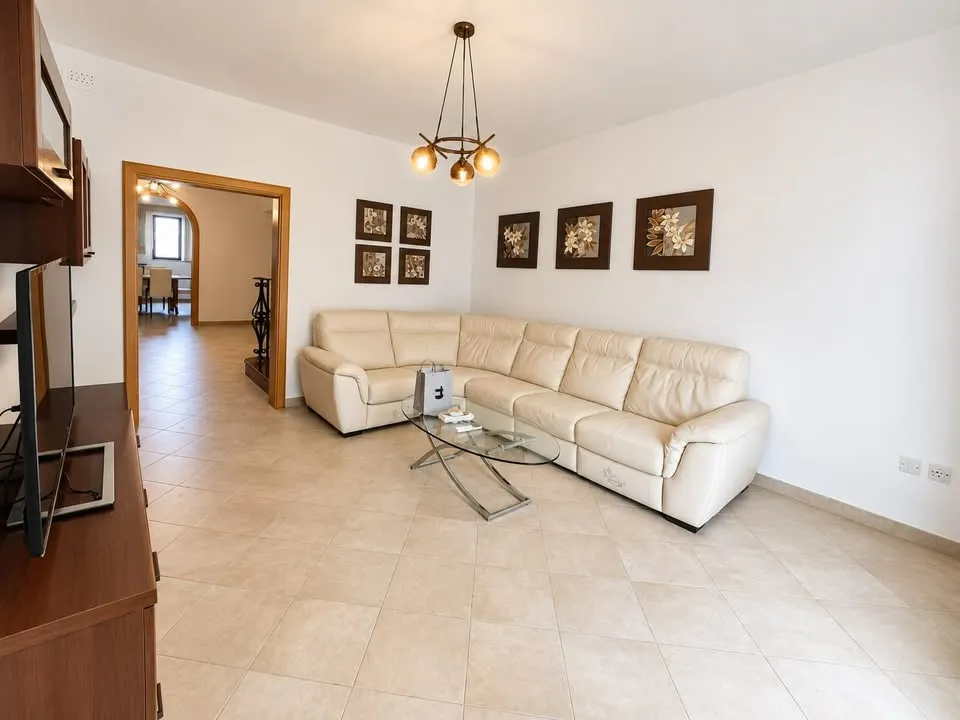
Modern 2-bedroom apartment in Birkirkara
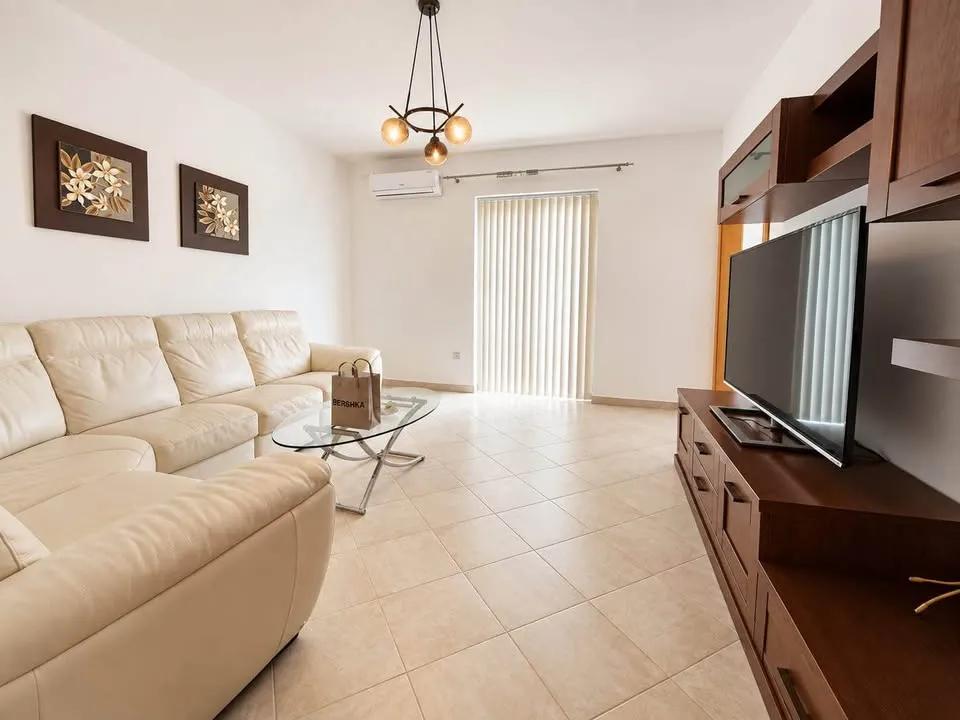
Birkirkara (For rent) - Central and spacious 3 bedroom 2 bath maisonette with roof
Qawra (26 listings)
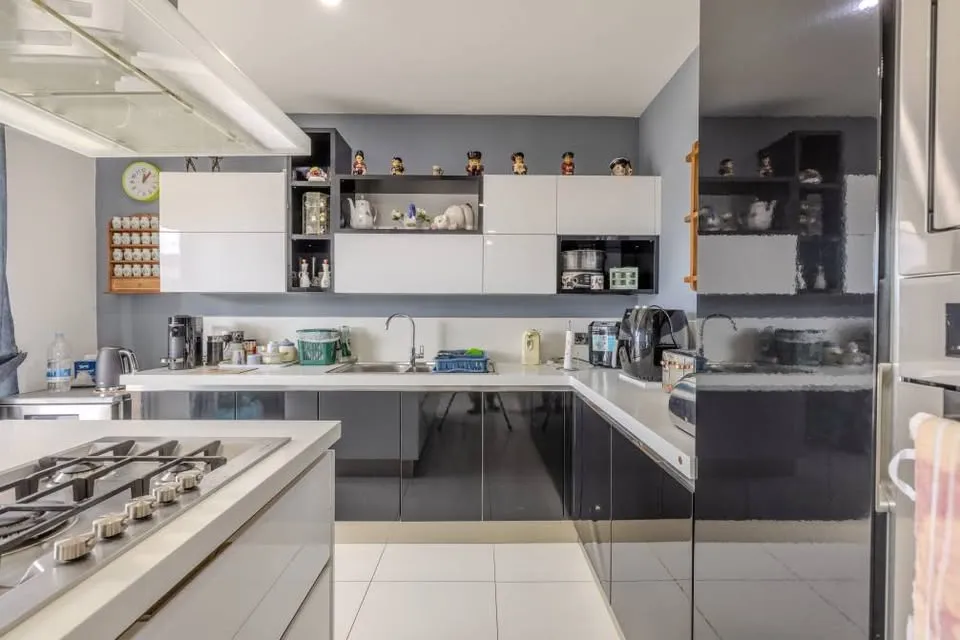
Very well kept apartment in Qawra close to school
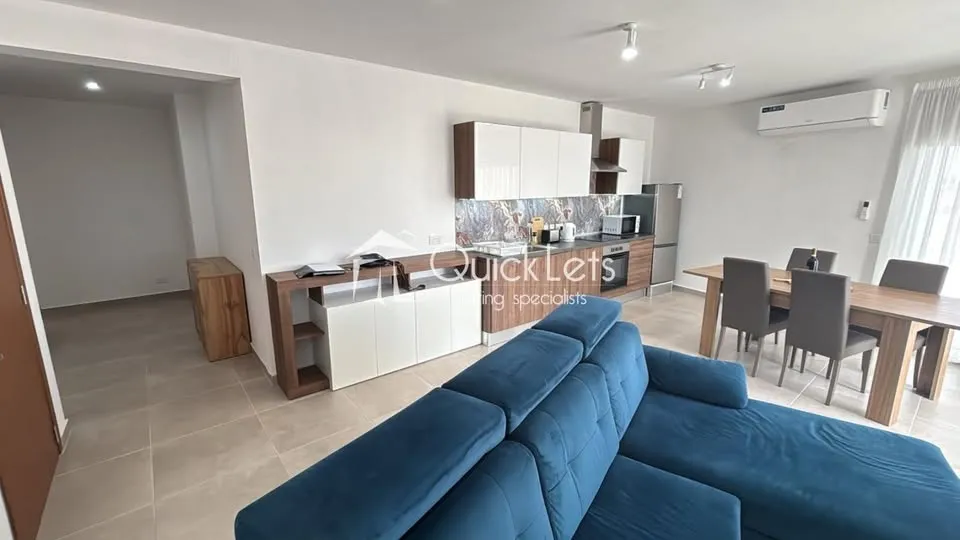
Exquisite one-bedroom penthouse now available
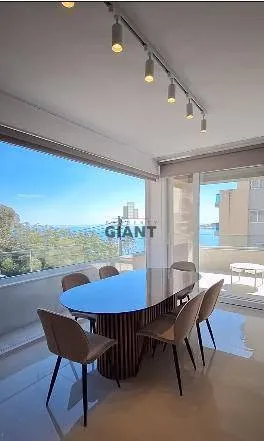
3 Bedroom Apartment in Qawra