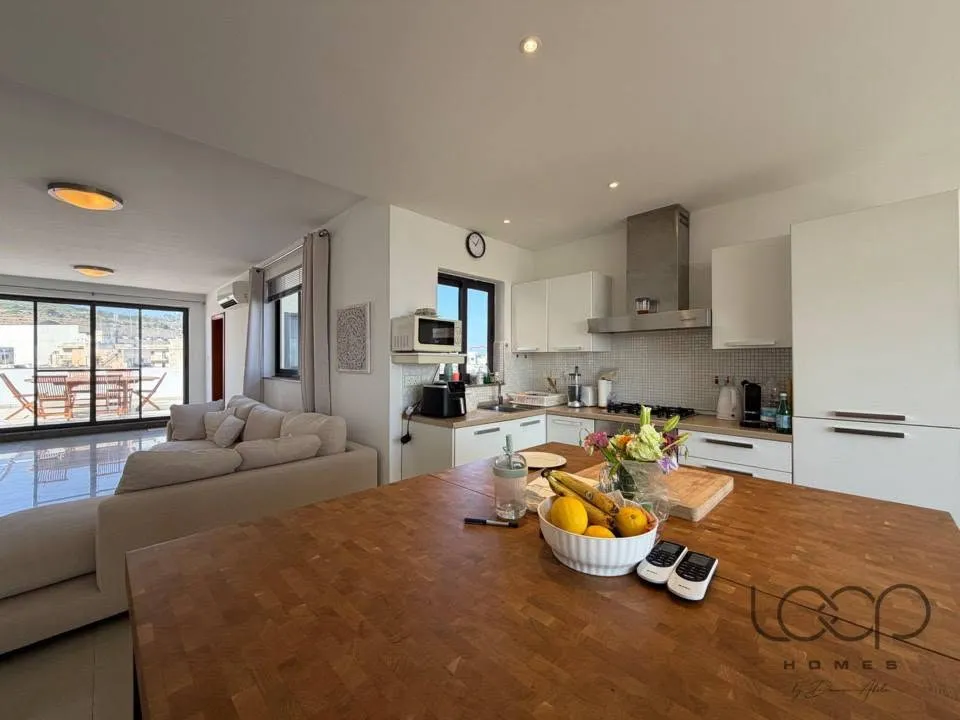
Birkirkara vs St. Paul's Bay
Side-by-side comparison of property prices, lifestyle, and practical info to help you choose the right area.
Summary
Birkirkara scores higher for family living (8/10) and transport (9/10), positioned inland roughly 15 minutes by bus from Sliema and 20 minutes from Valletta. Property here is significantly cheaper than coastal towns, with more square metre per euro. St. Paul's Bay rates higher for beaches (7/10 vs 1/10), safety (8/10 vs 7/10), and nightlife (5/10 vs 3/10), with rocky shores and a coastal promenade on the doorstep. Reaching Valletta from St. Paul's Bay takes roughly 10 minutes longer by bus.
Birkirkara suits families and budget buyers who prioritise space, authentic community, and island-wide connectivity over sea views. St. Paul's Bay fits retirees, tourists, and budget buyers who want coastal living with year-round amenities, waterfront dining, and direct access to the Gozo ferry terminal 20 minutes north. Both areas offer strong value compared to Sliema and St Julian's, but serve different lifestyles entirely.
Living in Birkirkara
Birkirkara is Malta's largest town by population — a sprawling residential centre in the heart of the island that most tourists never visit but most Maltese have a connection to. It's not picturesque in the way Valletta or Mdina are, but it's real, working-class Malta: bakeries that have been open for generations, parish churches that anchor entire neighbourhoods, and streets where everyone knows everyone. The town's geography is varied. The old centre clusters around the imposing St. Helen's Basilica, one of the largest churches on the island. Ta' Paris and Swatar are more modern residential areas with apartment blocks popular with young professionals. The Imrieher industrial zone sits on the edge, a reminder that Birkirkara has always been a working town. The Valley Road area, running through a natural watercourse, is one of the few green corridors in central Malta. Property in Birkirkara offers the best value proposition in central Malta. Rents and purchase prices sit well below Sliema and St. Julian's while keeping you within 15 minutes of both by car or bus. The town has its own commercial strip, good schools, and a market that sells everything from fresh fish to furniture. It's not a lifestyle choice — it's a practical one, and that's why it's the island's most populated town.
Highlights
- Most populated town in Malta
- Significantly more affordable than coastal areas
- St. Helen's Basilica — one of Malta's largest churches
- Central location with 15-min access to most of the island
- Traditional Maltese town life with modern amenities
Living in St. Paul's Bay
St. Paul's Bay is Malta's largest northern coastal town — a sprawling stretch of shoreline that encompasses the old fishing village of Xemxija, the tourist strips of Bugibba and Qawra, and the residential community of Burmarrad inland. According to the Bible, St. Paul was shipwrecked here in AD 60, an event that brought Christianity to Malta and gave the area its name. The town has grown explosively over the past two decades, transforming from a quiet seasonal resort into a year-round community of over 25,000 residents. Retired British expats, Maltese families priced out of the central coast, and a growing number of foreign workers have all settled here, drawn by coastal living at more manageable prices than Sliema or St. Julian's. The waterfront is the town's main asset — a long promenade connecting the old fisherman's quay to Bugibba's square to Qawra's rocky beaches. The Malta National Aquarium sits at the Bugibba end, and the Xemxija Heritage Walk traces ancient cart ruts and Roman roads into the hills. Properties range from modern seafront apartments to older terraced houses inland, with prices significantly below the central coast.
Highlights
- Malta's largest coastal town by population
- Biblical shipwreck site of St. Paul
- Malta National Aquarium at Bugibba
- Rocky beaches and coastal promenade
- More affordable than the central coast
Lifestyle Comparison
Which Area Is Right For You?
Choose Birkirkara
Birkirkara comes out ahead in family, transport .
Choose St. Paul's Bay
St. Paul's Bay comes out ahead in safety, beaches, nightlife .
Frequently Asked Questions
Available Properties
Birkirkara (26 listings)
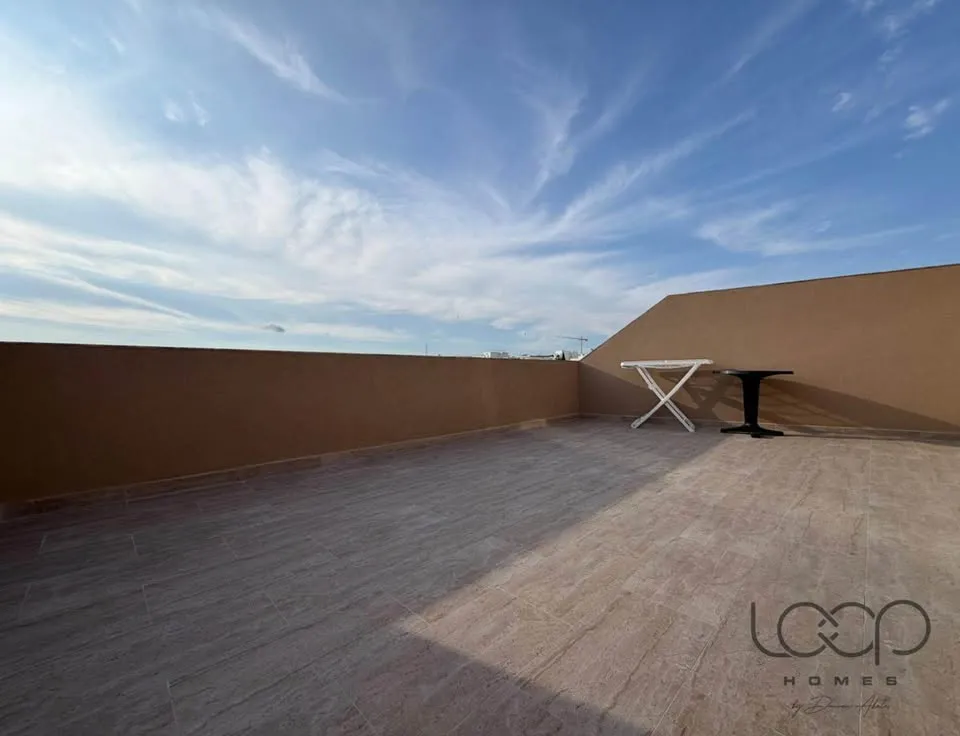
Modern 2 Bedroom Penthouse in Birkirkara
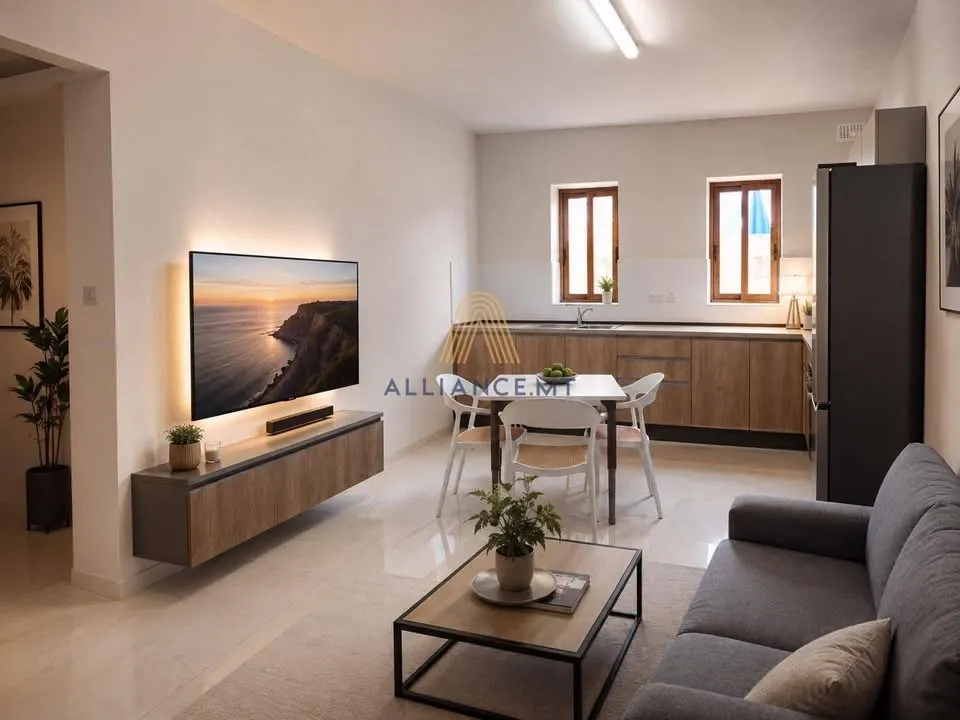
Modern 1-Bedrooms Apartment for Rent in Birkirkara
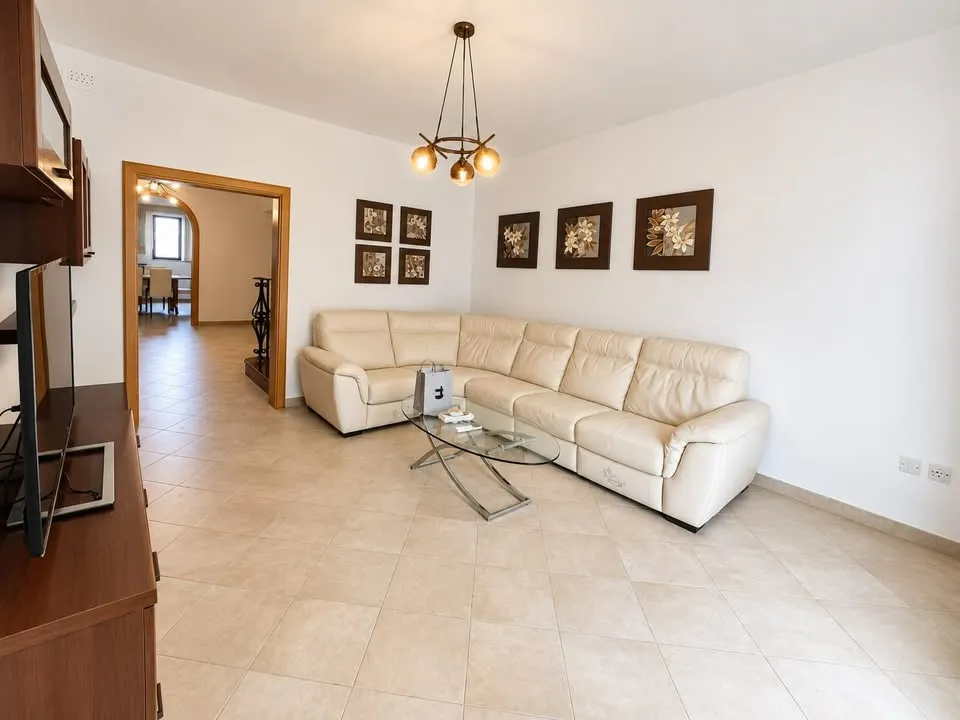
Modern 2-bedroom apartment in Birkirkara
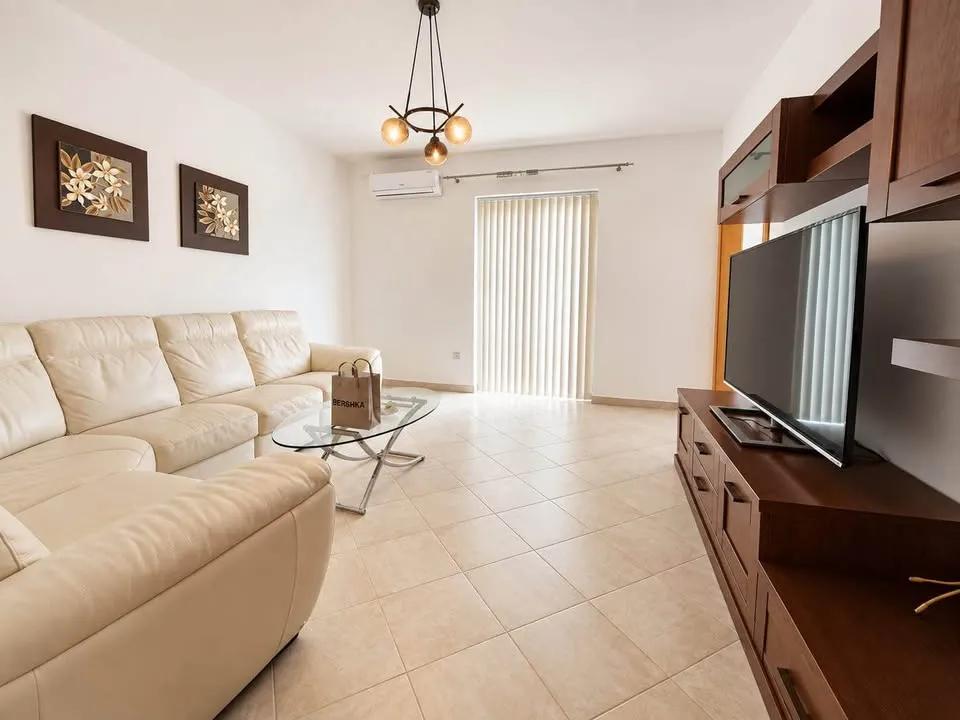
Birkirkara (For rent) - Central and spacious 3 bedroom 2 bath maisonette with roof
St. Paul's Bay (51 listings)
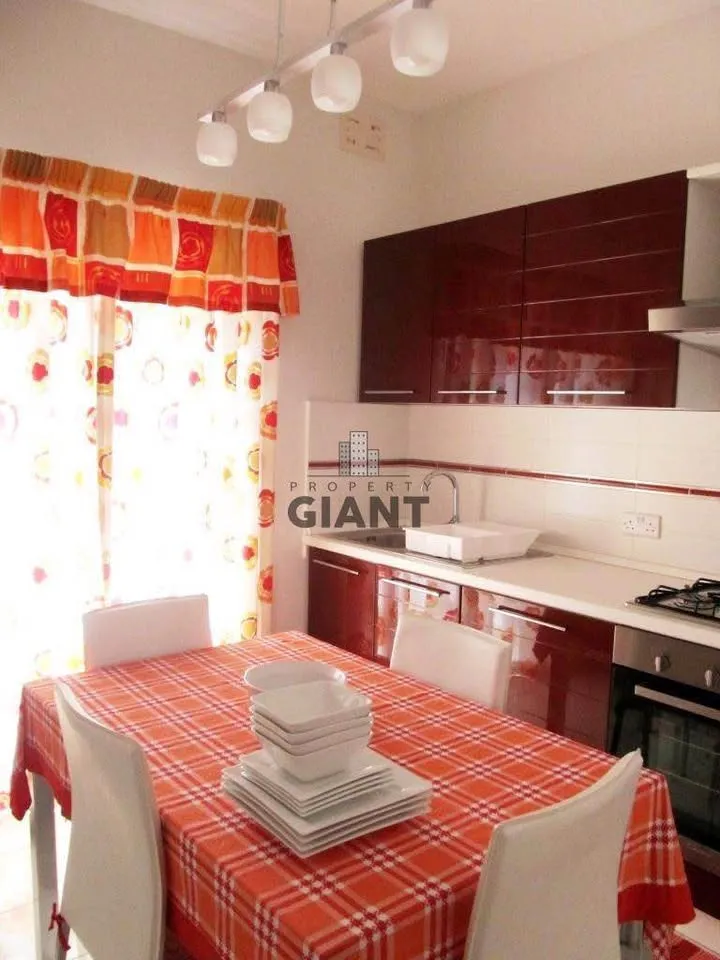
1 Bedroom Apartment in St. Paul's Bay
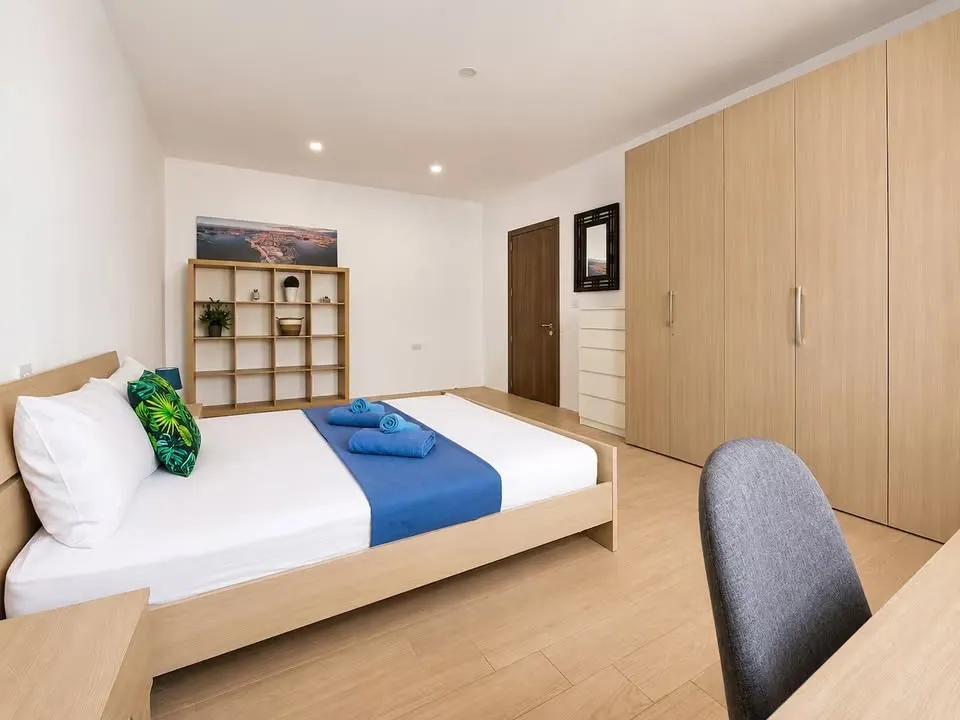
Bedroom with private bathroom in shared apartment
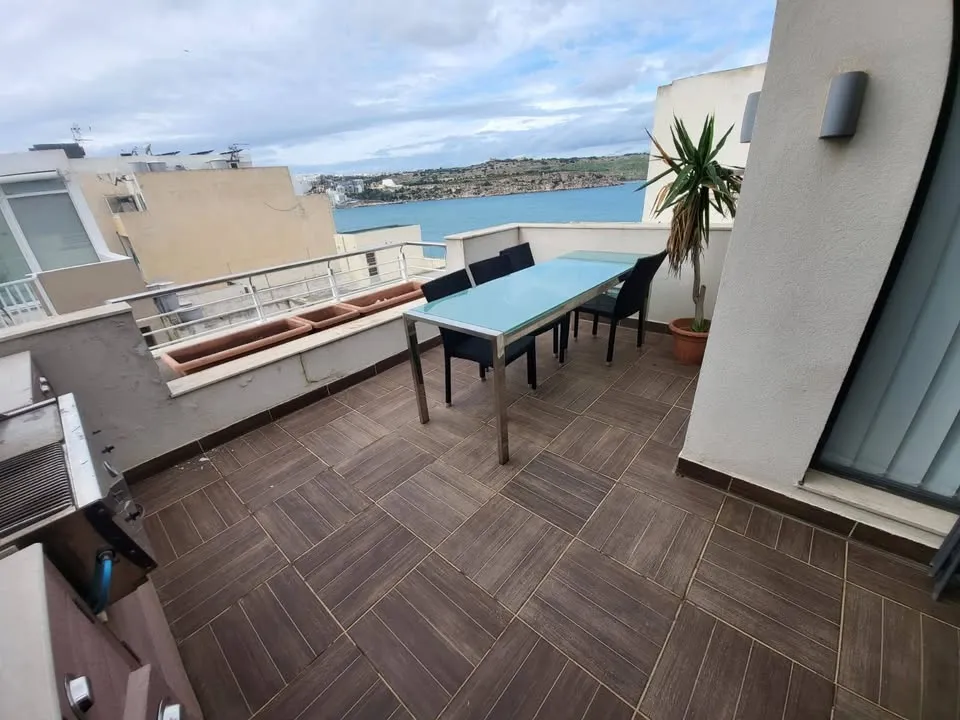
Duplex Penthouse in San Pawl il-Baħar