Birkirkara vs Zabbar
Side-by-side comparison of property prices, lifestyle, and practical info to help you choose the right area.
Summary
Birkirkara is better for buyers who prioritise transport links and central access, while Żabbar suits those seeking stronger coastal proximity and traditional community life at lower property prices. Birkirkara scores 9/10 for transport connectivity, with direct bus routes reaching Valletta in 20–25 minutes, Sliema in 15 minutes, and the airport in 20 minutes. Żabbar scores 6/10 for transport, with fewer bus routes, though it sits just 15 minutes from Valletta by car and 10 minutes from Marsaskala's beaches. Both towns are priced well below Malta's coastal hotspots.
Birkirkara, with a population of 24,300, holds a family rating of 8/10 and offers more spacious housing per square metre than neighbouring villages, along with well-regarded schools like St. Aloysius College. It is best suited for families and budget buyers who want genuine central-Malta convenience without coastal premiums. Żabbar, home to 17,200 residents, matches the 8/10 family rating and delivers deeper traditional character rooted in its festa heritage, plus easier beach access. It is best for families who value community identity and don't mind relying on a car.
Neither town offers much nightlife — both score 3/10 — but Żabbar's September festa brings significant noise from fireworks. Choose Birkirkara for connectivity and practicality; choose Żabbar for affordability, tradition, and proximity to the southeast coast.
Bustling residential heartland
Traditional residential town with deep festa culture
Living in Birkirkara
Birkirkara is Malta's largest town by population — a sprawling residential centre in the heart of the island that most tourists never visit but most Maltese have a connection to. It's not picturesque in the way Valletta or Mdina are, but it's real, working-class Malta: bakeries that have been open for generations, parish churches that anchor entire neighbourhoods, and streets where everyone knows everyone. The town's geography is varied. The old centre clusters around the imposing St. Helen's Basilica, one of the largest churches on the island. Ta' Paris and Swatar are more modern residential areas with apartment blocks popular with young professionals. The Imrieher industrial zone sits on the edge, a reminder that Birkirkara has always been a working town. The Valley Road area, running through a natural watercourse, is one of the few green corridors in central Malta. Property in Birkirkara offers the best value proposition in central Malta. Rents and purchase prices sit well below Sliema and St. Julian's while keeping you within 15 minutes of both by car or bus. The town has its own commercial strip, good schools, and a market that sells everything from fresh fish to furniture. It's not a lifestyle choice — it's a practical one, and that's why it's the island's most populated town.
Highlights
- Most populated town in Malta
- Significantly more affordable than coastal areas
- St. Helen's Basilica — one of Malta's largest churches
- Central location with 15-min access to most of the island
- Traditional Maltese town life with modern amenities
Living in Zabbar
Zabbar is one of Malta's largest inland towns — a sprawling residential community southeast of the Grand Harbour area with a strong working-class identity and a devotion to its patron saint that borders on the legendary. The town was granted the title Città Hompesch by Grand Master Ferdinand von Hompesch in 1797, just before Napoleon expelled the Knights in 1798. The town centre is built around a large parish church dedicated to Our Lady of Graces, which holds a remarkable collection of ex-voto paintings — offerings from sailors and soldiers who survived shipwrecks and battles, each depicting the incident that nearly killed them. The collection is one of the largest of its kind in the Mediterranean and worth a visit regardless of religious inclination. Zabbar is a practical, affordable base. Property prices are among the lowest in the urbanised part of Malta, and the town has all daily amenities — schools, shops, medical services. It's not a destination town — tourists rarely visit — but for residents it offers authentic Maltese life without the premium of coastal locations. The drive to Valletta takes about 15 minutes, and Marsaskala's beaches are ten minutes south.
Highlights
- One of Malta's largest towns by population
- Extraordinary collection of ex-voto paintings in the parish church
- Among the most affordable property in urban Malta
- Strong community and traditional Maltese life
- 10 minutes from Marsaskala beaches
Lifestyle Comparison
Which Area Is Right For You?
Choose Birkirkara
Birkirkara comes out ahead in dining, transport .
Choose Zabbar
Zabbar comes out ahead in beaches .
Frequently Asked Questions
Available Properties
Birkirkara (8 listings)
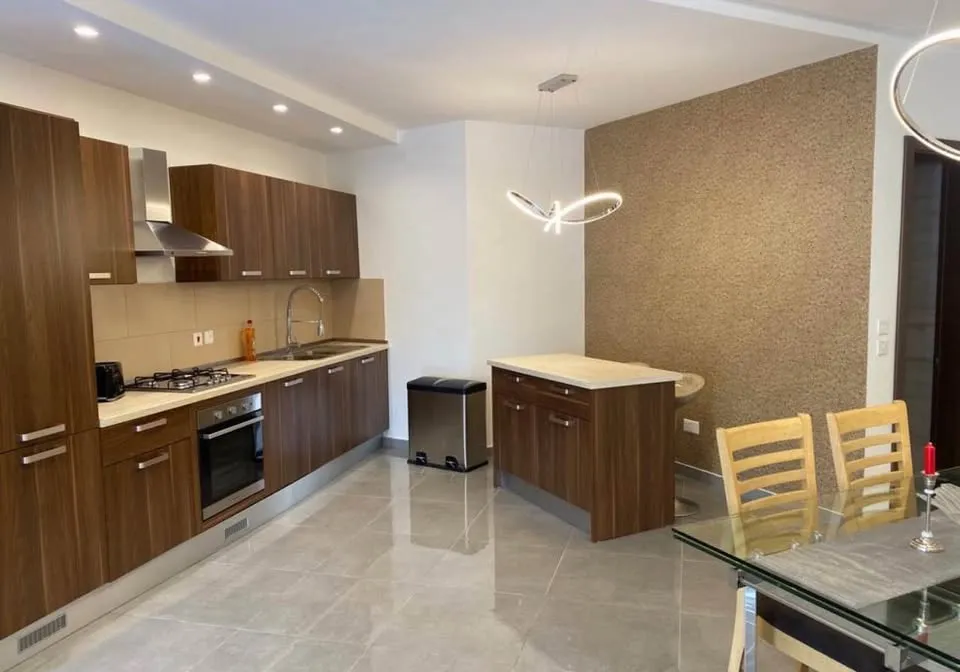
2 bed rooms Maisonette in Imrihel Birkirkara
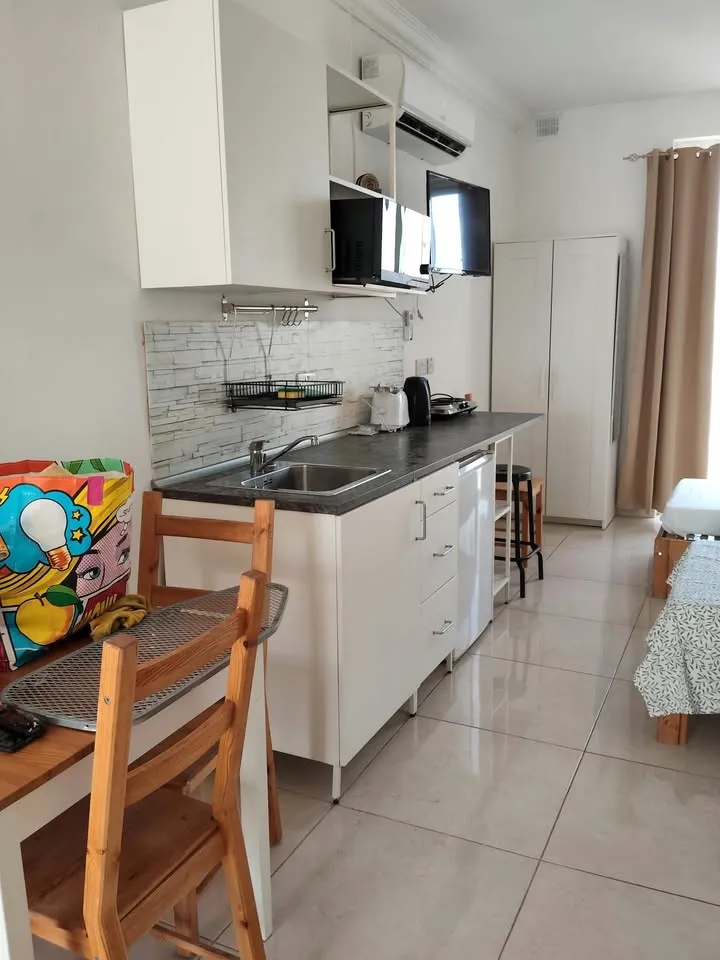
PENTHOUSE STUDIO
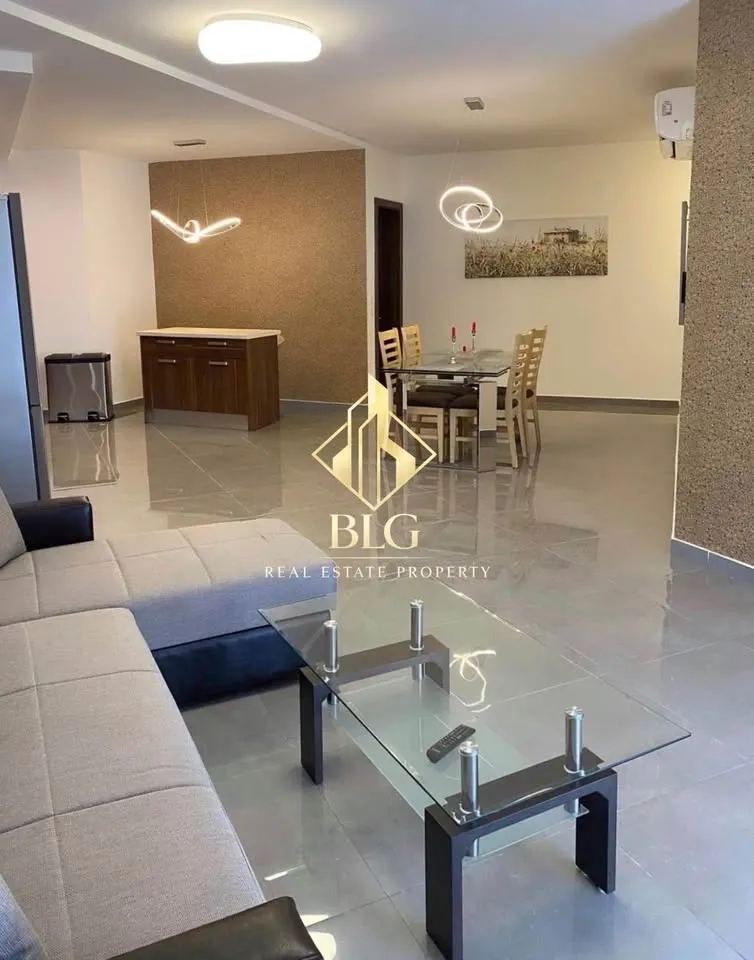
Birkirkara beautifully finished 2 Bedroom apartment