Birgu vs Fgura
Side-by-side comparison of property prices, lifestyle, and practical info to help you choose the right area.
Summary
Living in Birgu
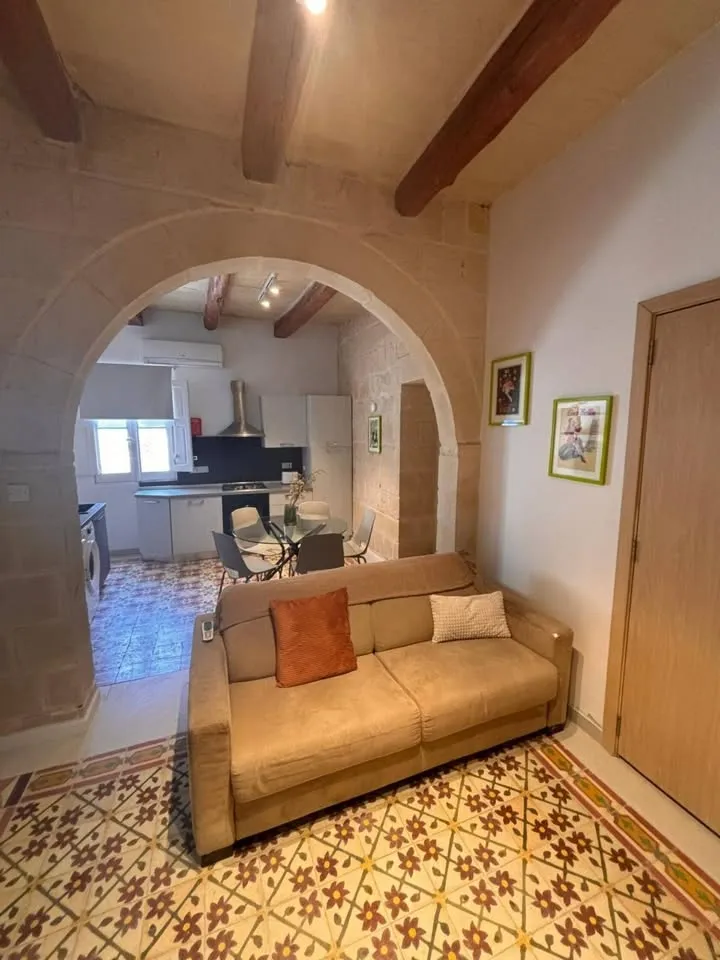
Birgu — also known as Vittoriosa — is the oldest of Malta's Three Cities and arguably the most historically significant town on the island. Long before Valletta existed, Birgu was the base of the Knights of St. John when they arrived in 1530. Fort St. Angelo, the fortress at the tip of the peninsula, commanded the Grand Harbour and became the Knights' headquarters during the Great Siege of 1565, when the Ottoman Empire threw everything it had at Malta and failed. The town's narrow streets are a living archive of Maltese history. Auberges built for the Langues of the Knights, restored palazzos with painted ceilings, and centuries-old churches sit alongside traditional Maltese houses with their characteristic enclosed wooden balconies. The waterfront has been beautifully restored into a marina and promenade — the Couvre Porte gate marks the entrance to the old Collacchio, the original knights' quarter. Birgu is experiencing a quiet renaissance. Heritage-minded buyers are restoring old properties, a handful of excellent restaurants have opened along the marina, and the European Maritime Day put the town on the map in 2024. Property is still affordable relative to its architectural quality — you can buy a 400-year-old townhouse here for less than a modern apartment in Sliema. The trade-off is distance from the commercial north and limited parking in the historic core.
Highlights
- Fort St. Angelo — HQ of the Knights during the Great Siege of 1565
- Restored marina and waterfront promenade
- Heritage properties at a fraction of Sliema prices
- Malta Maritime Museum and Inquisitor's Palace
- Authentic quiet streets with Grand Harbour views
Living in Fgura
Fgura is a compact residential town sandwiched between the Three Cities and Zabbar — a primarily residential area that grew rapidly in the post-war period as housing spread outward from the harbour. It's one of Malta's newer towns, with most development dating from the 1960s onward, which gives it a different character from the ancient harbour cities next door. The town's landmark is a striking bronze monument of Christ the King that stands at the main junction, visible from the approach roads and a reference point for anyone navigating the area. Fgura's parish church, dedicated to St. Mary, has a distinctive modernist design that stands out among Malta's predominantly baroque churches. Fgura's appeal is straightforward: affordable housing close to both the harbour area and the southern towns. Property here is modestly priced, and the location is practical — a short drive to the Three Cities, Paola, and the arterial roads heading south and north. It's a commuter town, pure and simple, with no tourist pretensions.
Highlights
- Affordable housing close to the harbour area
- Christ the King monument — local landmark
- Quick access to Three Cities and Paola
- Modernist parish church — unusual for Malta
- No tourist premium on property prices
Lifestyle Comparison
Which Area Is Right For You?
Choose Birgu
Birgu comes out ahead in dining, safety .
Choose Fgura
Fgura comes out ahead in family, beaches .