Cospicua vs Fgura
Side-by-side comparison of property prices, lifestyle, and practical info to help you choose the right area.
Summary
Living in Cospicua
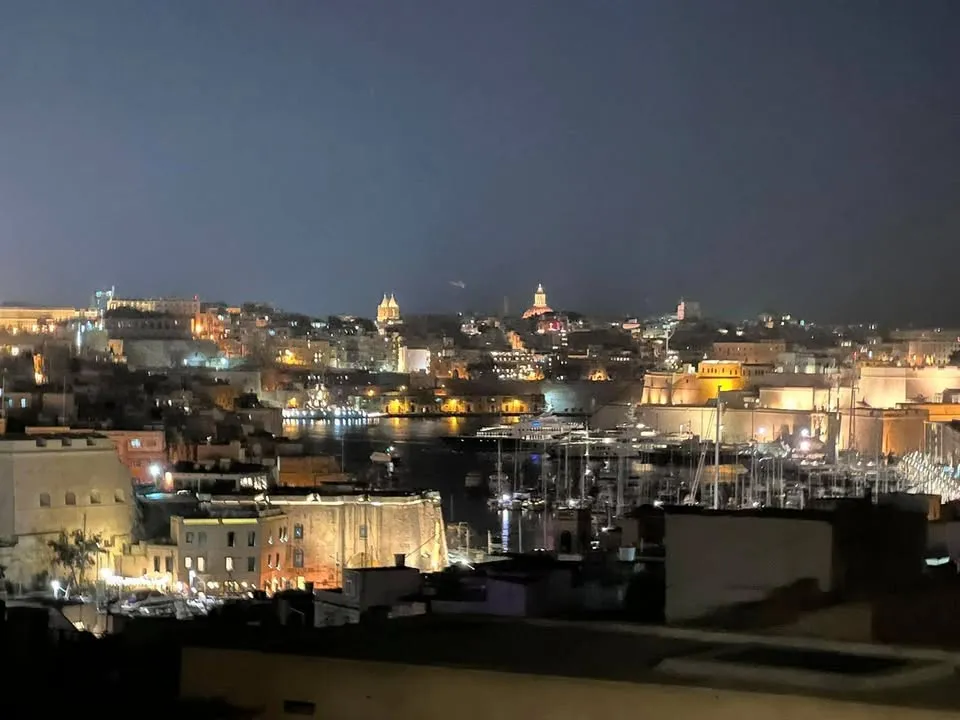
Cospicua — Bormla in Maltese — is the largest of the Three Cities and the one most people drive past without stopping. That's changing. The town sits between Birgu and Senglea on the Grand Harbour, with the historic dockyard that once employed half of Malta's workforce carved into its waterfront. The docks are largely decommissioned now, and the reclaimed space is slowly being redeveloped into residential and commercial projects. The Cottonera Lines, a massive 17th-century fortification wall, form Cospicua's landward boundary — an imposing stone rampart that's visible from miles away. Inside, the town has a working-class character that's increasingly interspersed with renovated properties bought by heritage-minded newcomers. The Santa Theresa church and the Bir Mula Heritage museum anchor the old quarter. Cospicua offers the most affordable entry point into the Three Cities. Properties here are cheaper than Birgu and Senglea, and there's more stock available — though much of it needs significant restoration. The Valletta ferry terminal at nearby Birgu makes commuting straightforward, and the town is on the receiving end of serious government regeneration investment.
Highlights
- Most affordable of the Three Cities
- Cottonera Lines — massive 17th-century fortifications
- Active regeneration and heritage restoration
- Grand Harbour ferry connection to Valletta
- Growing restaurant and cultural scene
Living in Fgura
Fgura is a compact residential town sandwiched between the Three Cities and Zabbar — a primarily residential area that grew rapidly in the post-war period as housing spread outward from the harbour. It's one of Malta's newer towns, with most development dating from the 1960s onward, which gives it a different character from the ancient harbour cities next door. The town's landmark is a striking bronze monument of Christ the King that stands at the main junction, visible from the approach roads and a reference point for anyone navigating the area. Fgura's parish church, dedicated to St. Mary, has a distinctive modernist design that stands out among Malta's predominantly baroque churches. Fgura's appeal is straightforward: affordable housing close to both the harbour area and the southern towns. Property here is modestly priced, and the location is practical — a short drive to the Three Cities, Paola, and the arterial roads heading south and north. It's a commuter town, pure and simple, with no tourist pretensions.
Highlights
- Affordable housing close to the harbour area
- Christ the King monument — local landmark
- Quick access to Three Cities and Paola
- Modernist parish church — unusual for Malta
- No tourist premium on property prices
Lifestyle Comparison
Which Area Is Right For You?
Choose Cospicua
Cospicua comes out ahead in dining, nightlife .
Choose Fgura
Fgura comes out ahead in family, beaches .