Fgura vs Mellieha
Side-by-side comparison of property prices, lifestyle, and practical info to help you choose the right area.
Summary
Living in Fgura
Fgura is a compact residential town sandwiched between the Three Cities and Zabbar — a primarily residential area that grew rapidly in the post-war period as housing spread outward from the harbour. It's one of Malta's newer towns, with most development dating from the 1960s onward, which gives it a different character from the ancient harbour cities next door. The town's landmark is a striking bronze monument of Christ the King that stands at the main junction, visible from the approach roads and a reference point for anyone navigating the area. Fgura's parish church, dedicated to St. Mary, has a distinctive modernist design that stands out among Malta's predominantly baroque churches. Fgura's appeal is straightforward: affordable housing close to both the harbour area and the southern towns. Property here is modestly priced, and the location is practical — a short drive to the Three Cities, Paola, and the arterial roads heading south and north. It's a commuter town, pure and simple, with no tourist pretensions.
Highlights
- Affordable housing close to the harbour area
- Christ the King monument — local landmark
- Quick access to Three Cities and Paola
- Modernist parish church — unusual for Malta
- No tourist premium on property prices
Living in Mellieha
Mellieha is where Malta goes to the beach. Perched on a hilltop in the far north of the island, the town overlooks Mellieha Bay — the largest sandy beach in Malta and the reason this area became a tourism hotspot. The bay stretches for nearly a kilometre of golden sand with shallow, warm water that makes it the top choice for families with children. The town itself has a slower, more rural character than the congested central coast. Mellieha's old core is a network of steep streets anchored by the Sanctuary of Our Lady of Mellieha, a pilgrimage site said to contain a fresco painted by St. Luke. The newer developments spread down the hillside toward the beach, a mix of apartment blocks, holiday lets, and villa communities — particularly the Santa Maria Estate, one of Malta's most sought-after residential addresses. Life in Mellieha revolves around the seasons. Summers bring an influx of tourists and a vibrant beach-town atmosphere. Winters are quiet — almost too quiet for some, with many businesses closing and the population settling back to its resident core. The trade-off is space: Mellieha offers larger properties, gardens, and sea views that would cost multiples more in Sliema or St. Julian's.
Highlights
- Mellieha Bay — Malta's longest sandy beach
- Santa Maria Estate — exclusive villa community
- Cirkewwa ferry terminal for Gozo trips
- Diving and water sports hub
- More space and larger properties than central Malta
Lifestyle Comparison
Which Area Is Right For You?
Choose Fgura
Fgura comes out ahead in nightlife, transport .
Choose Mellieha
Mellieha comes out ahead in dining, family, safety, beaches .
Frequently Asked Questions
Available Properties
Fgura (5 listings)
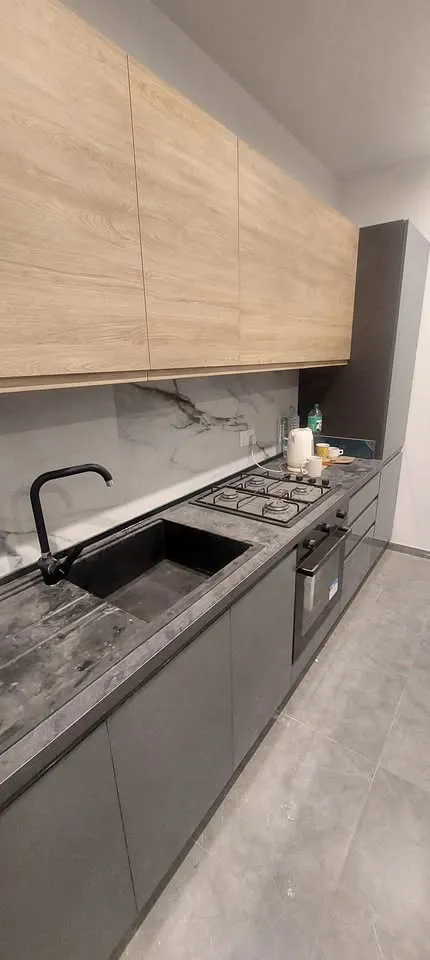
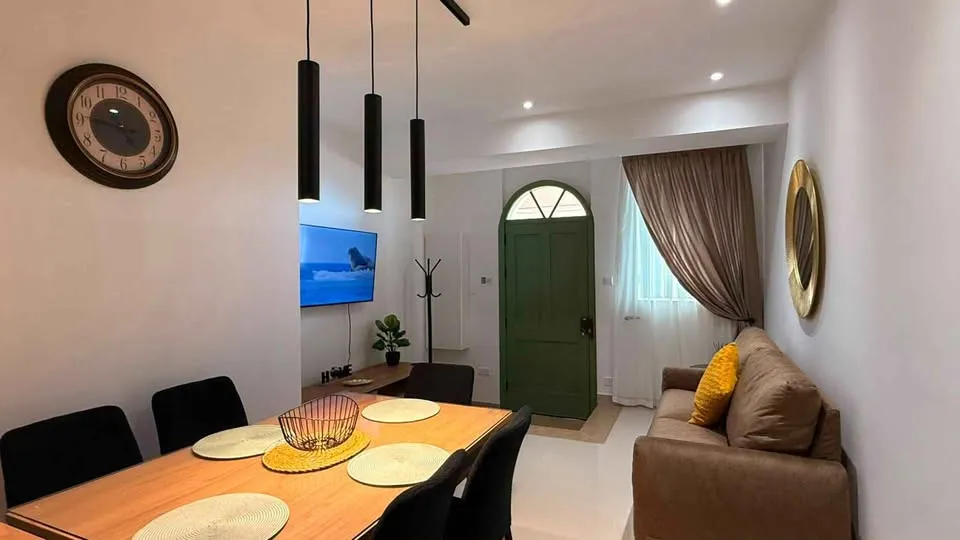
Fgura 1 Bedroom Apartment
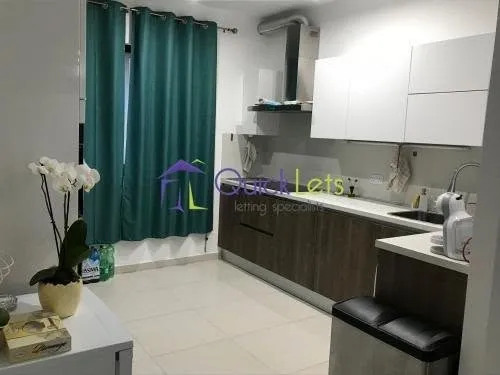
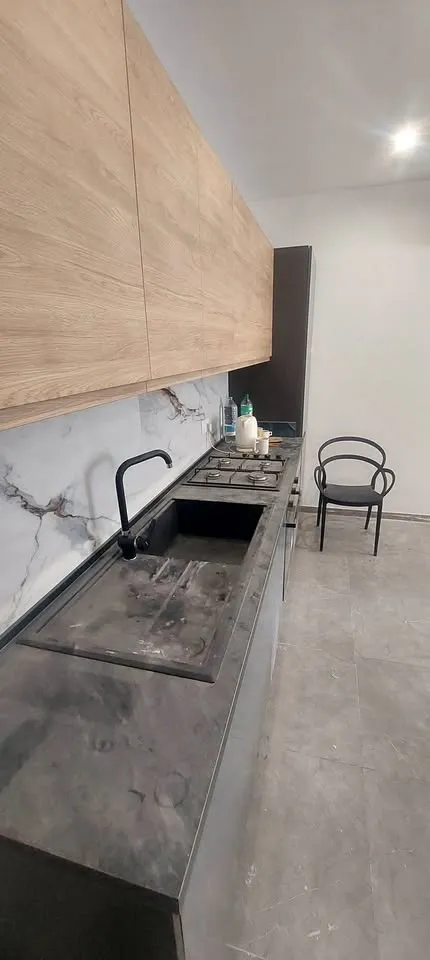
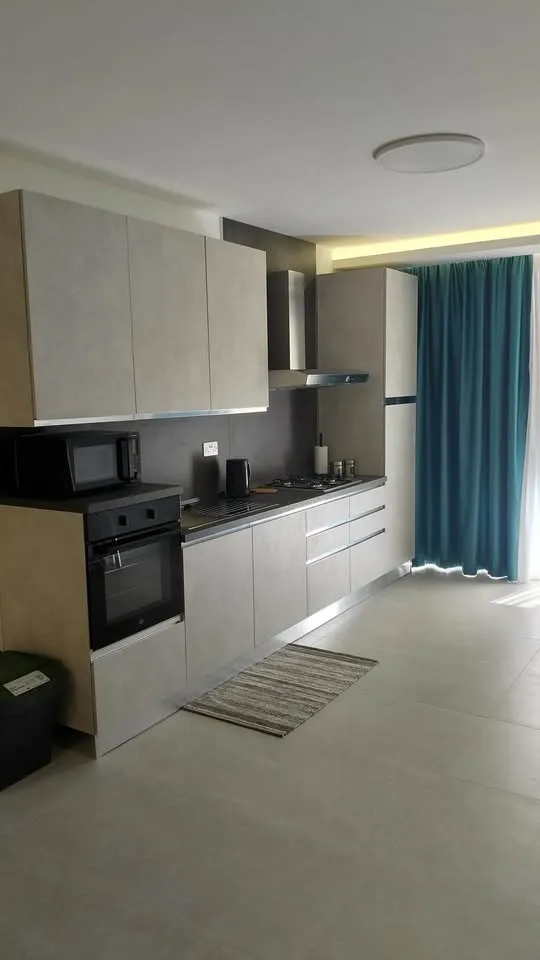
Modern, spacious, fully furnished 3-bedroom apartment in Fgura
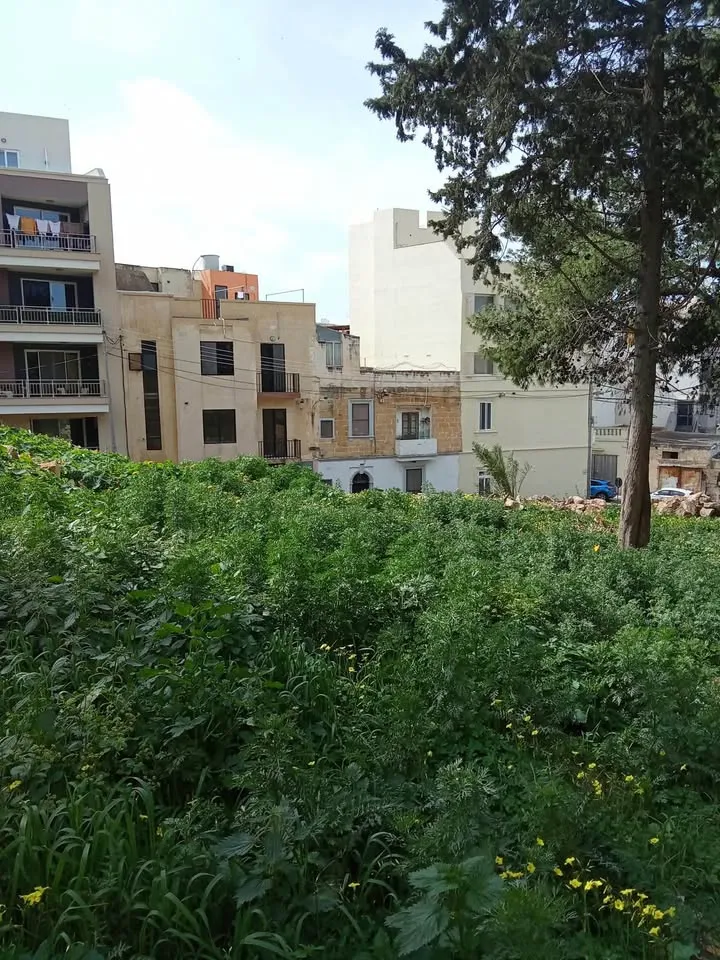
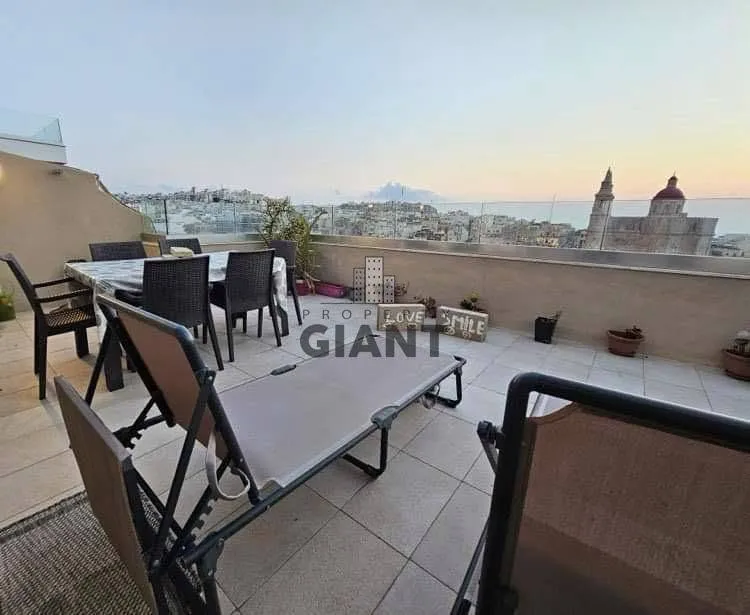
2 Bedroom Apartment in Fgura