Floriana vs St. Paul's Bay
Side-by-side comparison of property prices, lifestyle, and practical info to help you choose the right area.
Summary
Floriana sits adjacent to Valletta with a 5-minute walk to the capital and direct access to Malta's central bus terminus, earning a transport rating of 10/10. The fortified suburb has just 2,300 residents and offers dining rated 9/10 alongside national landmarks, botanical gardens, and the national stadium. The airport is 20 minutes by car. St. Paul's Bay is Malta's largest northern coastal town with 25,700 residents, located roughly 30 minutes by car from the airport and 20 minutes south of the Gozo ferry terminal. It has beach access rated 7/10 compared to Floriana's 6/10.
Floriana properties cost less than Valletta while maintaining similar capital access, making it practical for professionals who prioritise transport links and historic surroundings. St. Paul's Bay delivers some of Malta's most affordable coastal property, from budget apartments to Wardija Heights villas, with year-round amenities including supermarkets, healthcare, and waterfront dining along its coastal promenade near the Malta National Aquarium.
Living in Floriana
Floriana is the fortified suburb that guards Valletta's landward approach — a planned town built by the Knights in the 17th century as an outer defence ring around the capital. The massive bastions that form Floriana's boundary are among the most impressive military fortifications in Malta, and the town's grid-plan streets mirror Valletta's own rational design. Despite being adjacent to the capital, Floriana has its own distinct identity. It's the home of Malta's national football stadium, the Argotti Botanical Gardens, and several government ministries that spill over from Valletta. The granaries — massive stone silos built into the bastions — are a distinctive landmark and were once critical to Malta's grain supply. The town's main square hosts Malta's largest political rallies and national events. Property in Floriana is more affordable than neighbouring Valletta while offering similar proximity to everything in the capital. The housing stock is predominantly traditional townhouses within the fortifications, many with original architectural features. Parking is easier than in Valletta, and the bus terminus sits at the edge of town.
Highlights
- Adjacent to Valletta with its own fortified walls
- National football stadium and Argotti Botanical Gardens
- More affordable than Valletta with similar proximity
- Malta's main bus terminus at the edge of town
- Historic granaries built into the bastions
Living in St. Paul's Bay
St. Paul's Bay is Malta's largest northern coastal town — a sprawling stretch of shoreline that encompasses the old fishing village of Xemxija, the tourist strips of Bugibba and Qawra, and the residential community of Burmarrad inland. According to the Bible, St. Paul was shipwrecked here in AD 60, an event that brought Christianity to Malta and gave the area its name. The town has grown explosively over the past two decades, transforming from a quiet seasonal resort into a year-round community of over 25,000 residents. Retired British expats, Maltese families priced out of the central coast, and a growing number of foreign workers have all settled here, drawn by coastal living at more manageable prices than Sliema or St. Julian's. The waterfront is the town's main asset — a long promenade connecting the old fisherman's quay to Bugibba's square to Qawra's rocky beaches. The Malta National Aquarium sits at the Bugibba end, and the Xemxija Heritage Walk traces ancient cart ruts and Roman roads into the hills. Properties range from modern seafront apartments to older terraced houses inland, with prices significantly below the central coast.
Highlights
- Malta's largest coastal town by population
- Biblical shipwreck site of St. Paul
- Malta National Aquarium at Bugibba
- Rocky beaches and coastal promenade
- More affordable than the central coast
Lifestyle Comparison
Which Area Is Right For You?
Choose Floriana
Floriana comes out ahead in dining, nightlife, transport .
Choose St. Paul's Bay
St. Paul's Bay comes out ahead in beaches .
Frequently Asked Questions
Available Properties
Floriana (1 listings)
View all Floriana properties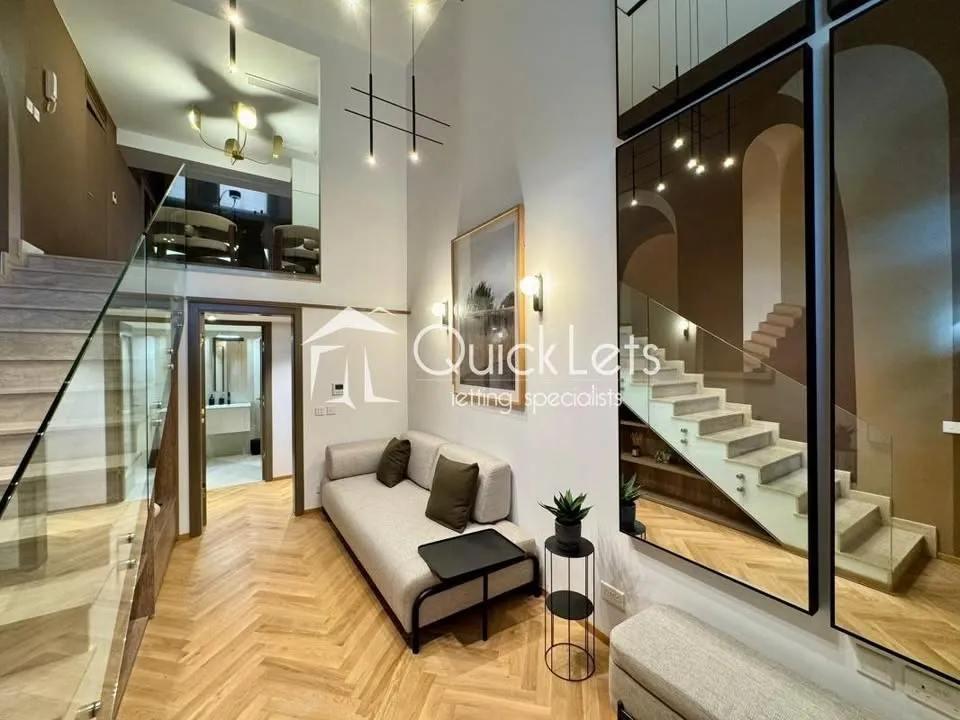
St. Paul's Bay (34 listings)
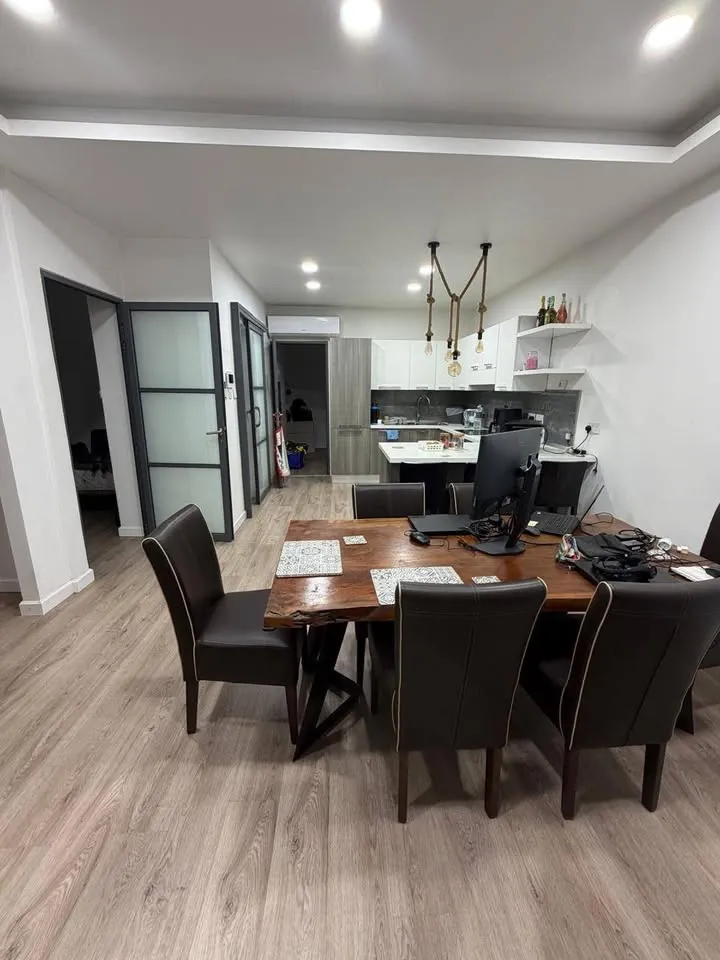
Beautifully presented two-bedroom maisonette in San Pawl il-Baħar
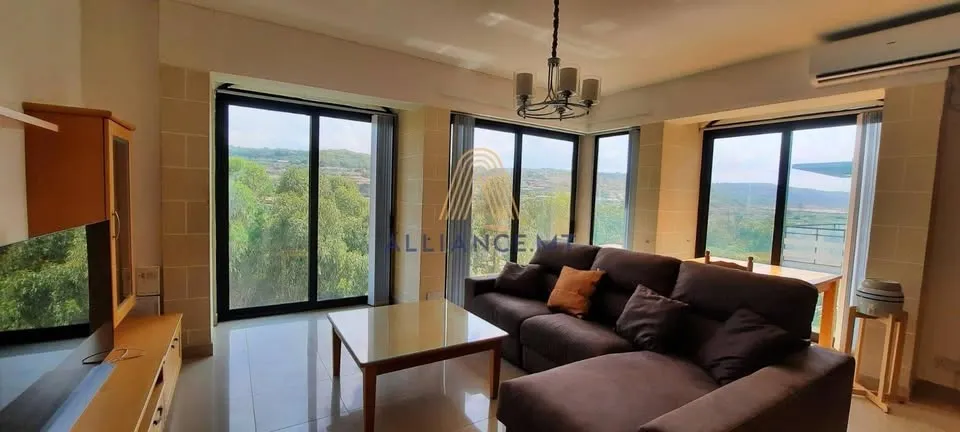
Apartment in San Pawl il-Baħar
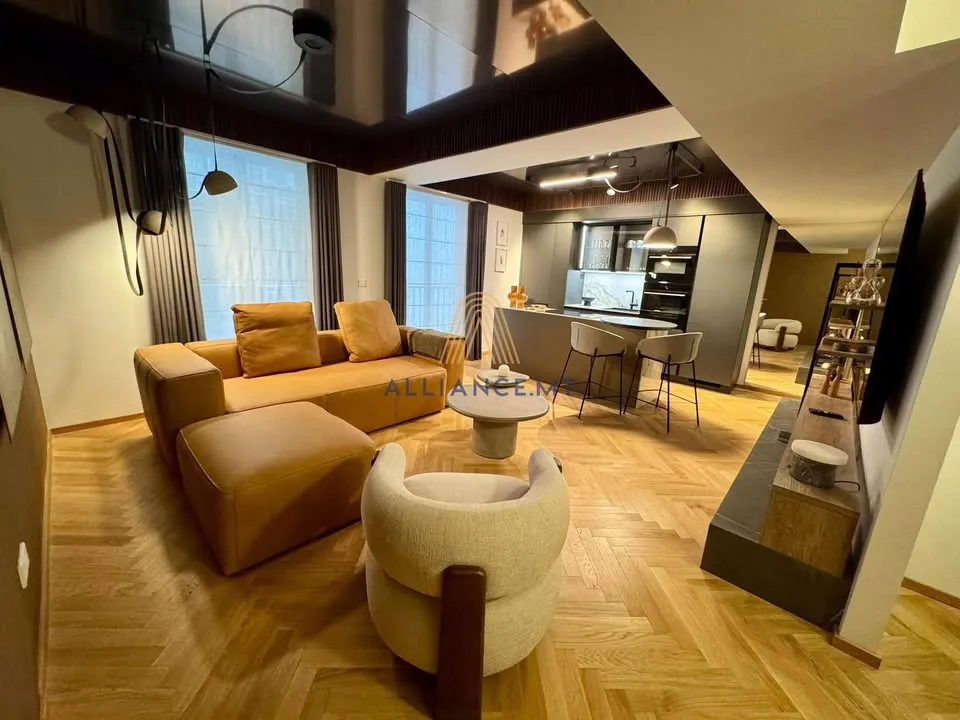
DUPLEX MAISONETTE TO LET – FLORIANA