Gharb vs Xewkija
Side-by-side comparison of property prices, lifestyle, and practical info to help you choose the right area.
Summary
Ancient western hilltop village
Historic village dominated by monumental church dome
Living in Gharb
Gharb is one of Gozo's oldest villages, perched on a hilltop in the far west of the island with views stretching to the sea on two sides. The name means 'west' in Arabic — an accurate description of its position at Gozo's western extreme. The village is tiny, conservative, and deeply traditional, with a picturesque square that's one of the most photographed in Gozo. The square is anchored by a charming church and a collection of historic buildings that include what's said to be the oldest freestanding house in Gozo. The Gharb Folklore Museum occupies a 300-year-old building and displays traditional Gozitan crafts, tools, and household items. The Ta' Dbiegi craft village nearby is where local artisans produce handmade glass, lace, and pottery. Property in Gharb includes some of Gozo's most charming traditional farmhouses, many with thick limestone walls, internal courtyards, and roof terraces with sunset views. Prices are low, and restoration projects are common. The village is very quiet — too quiet for some — but for buyers seeking the authentic Gozitan experience, Gharb is the genuine article.
Highlights
- One of Gozo's oldest and most photographed village squares
- Traditional farmhouses with courtyards and sunset views
- Gharb Folklore Museum in a 300-year-old building
- Ta' Dbiegi craft village with local artisans
- One of Gozo's most affordable locations
Living in Xewkija
Xewkija is one of Gozo's oldest villages, sitting on a plateau between Victoria and the eastern coast. The village is dominated by the Rotunda of St. John the Baptist — a colossal church whose dome is visible from nearly every point on the island. At 74 metres in diameter, it is one of the largest unsupported domes in Europe, exceeding St. Peter's Basilica in diameter, and it serves as a landmark for sailors approaching Gozo from the east. The village has a quiet, traditional character with narrow streets of old stone houses radiating from the church square. Xewkija is believed to be the first settlement established outside Victoria after the arrival of the Knights of St. John, and its name derives from the Maltese word for thorny bushes that once covered the area. The village retains a strong agricultural identity, with surrounding fields producing fruit, vegetables, and grapes for local wine. Property in Xewkija offers some of the best value in Gozo. Traditional townhouses with original stone arches and internal courtyards can be found at prices well below the coast. Newer developments have appeared along the main road toward Mgarr harbour, but the village core remains authentically Gozitan. The location is strategic — equidistant from Victoria, Mgarr ferry terminal, and the beaches of Ramla Bay.
Highlights
- The Rotunda — one of Europe's largest unsupported church domes at 74m diameter
- One of Gozo's oldest settlements, dating to the Knights of St. John era
- Strategic location between Victoria, Mgarr ferry, and Ramla Bay
- Some of the most affordable traditional property in Gozo
- Strong agricultural heritage with surrounding vineyards and fields
Lifestyle Comparison
Which Area Is Right For You?
Choose Gharb
Gharb comes out ahead in dining .
Choose Xewkija
Xewkija comes out ahead in family, beaches, nightlife, transport .
Frequently Asked Questions
Available Properties
Gharb (5 listings)
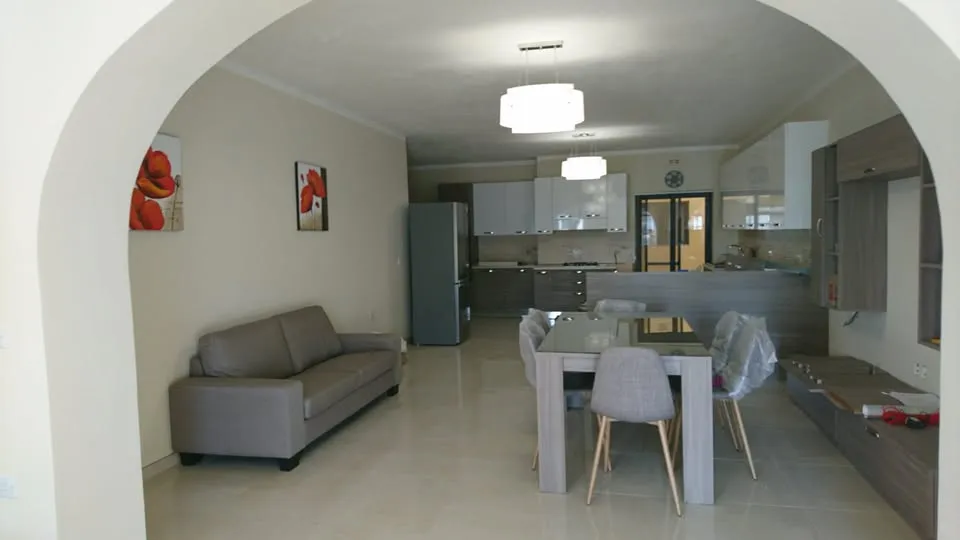
Maisonette for Long-Let in Gharb Gozo
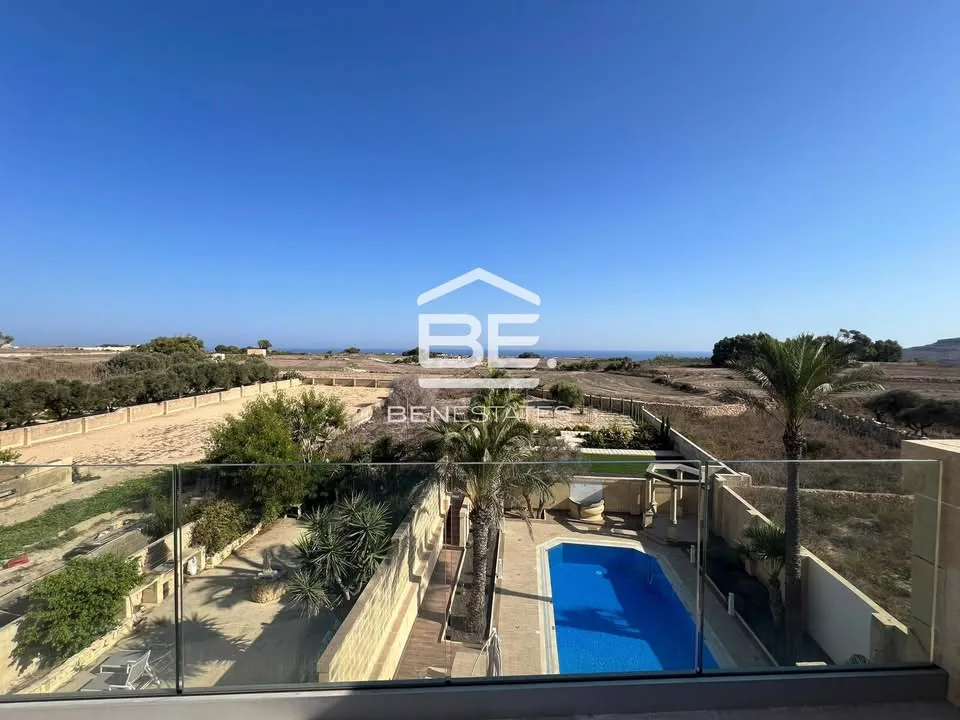
Modern Furnished Penthouse in Gharb
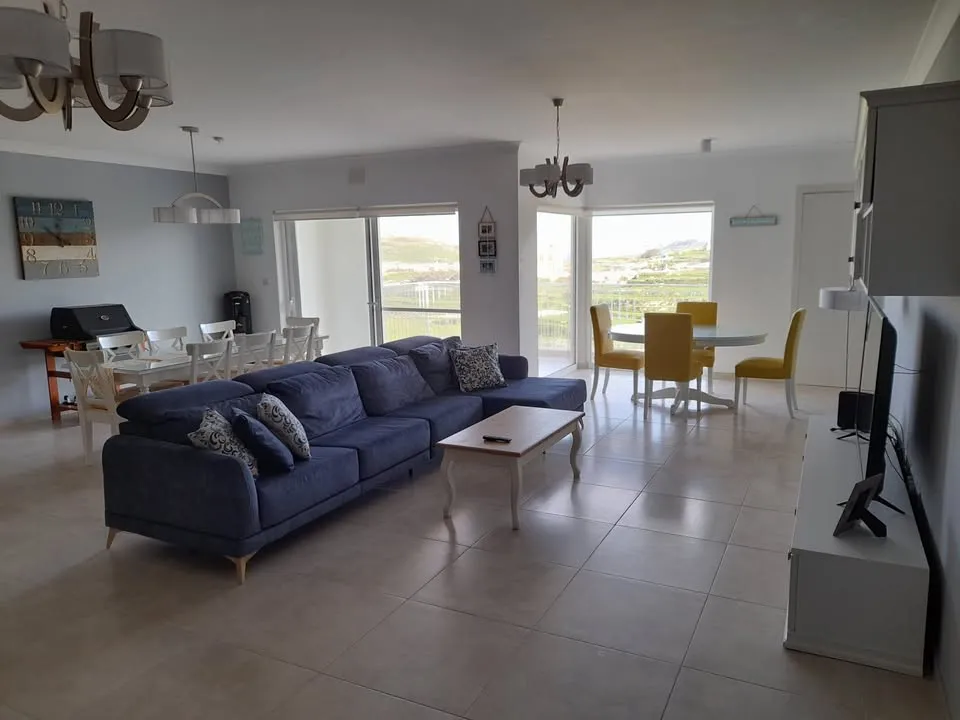
Spacious Apartment in Gozo for long let
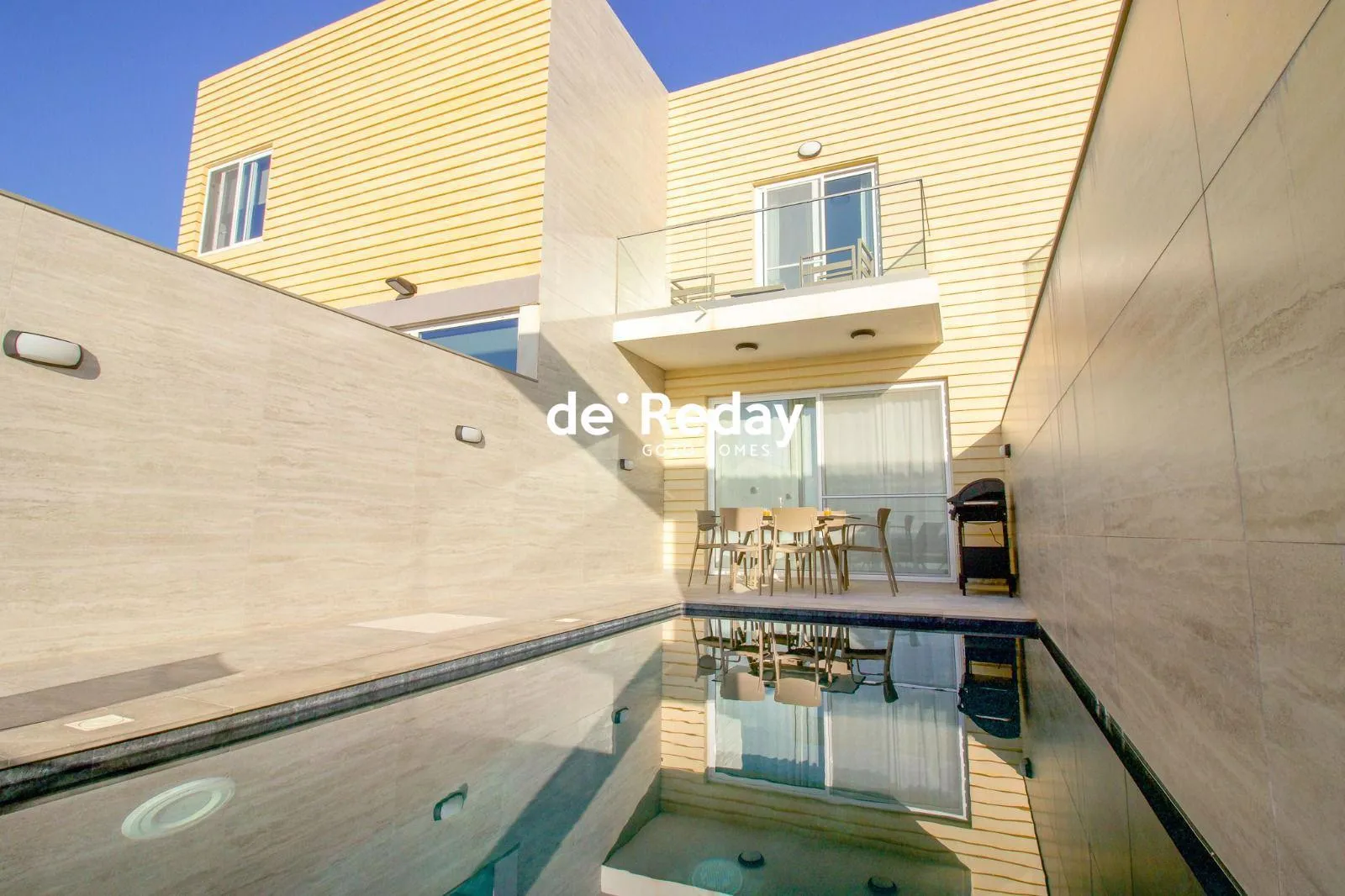
Luxury 3 Bedroom House in Gharb
Xewkija (4 listings)
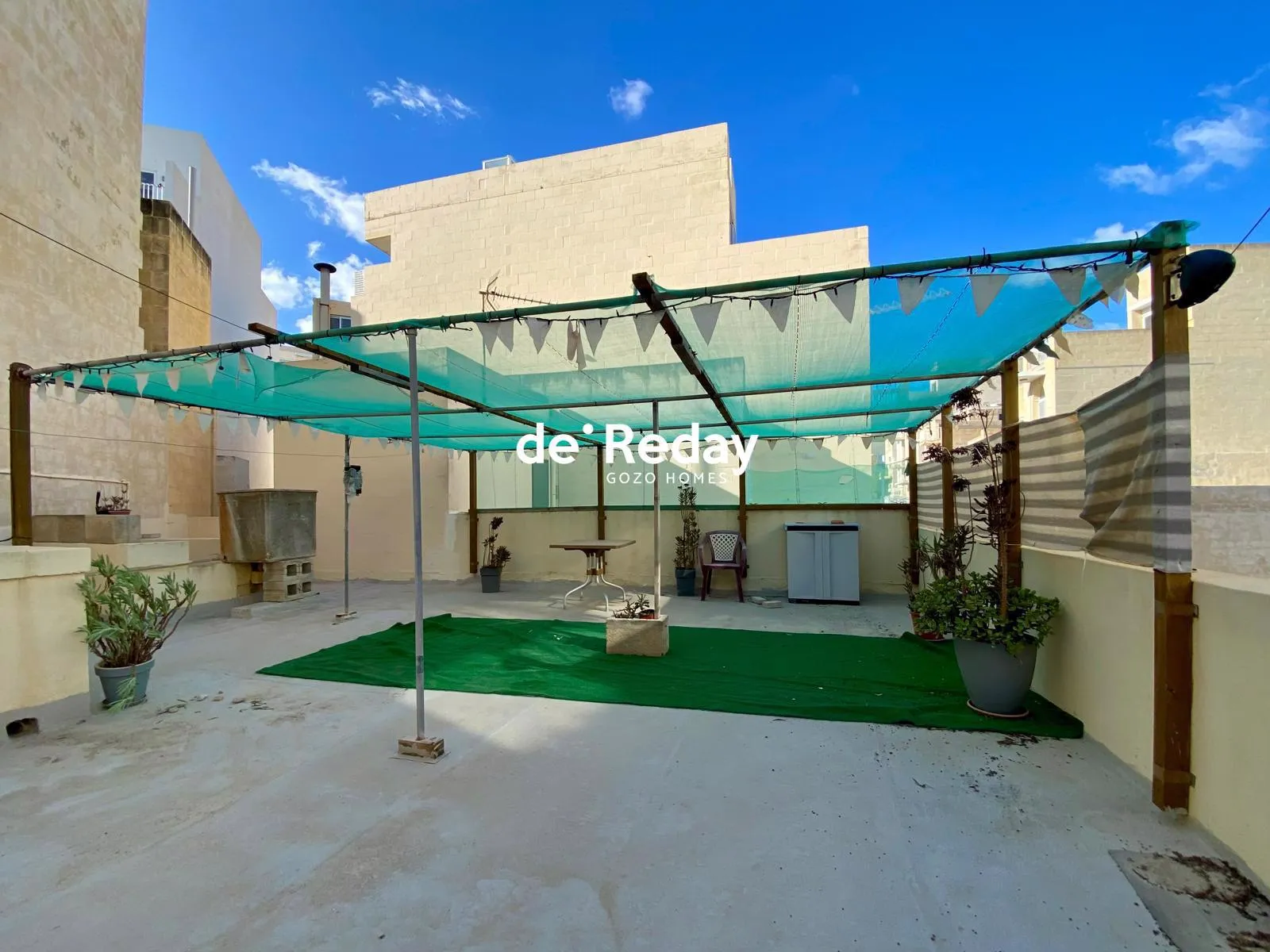
Charming Elevated Maisonette
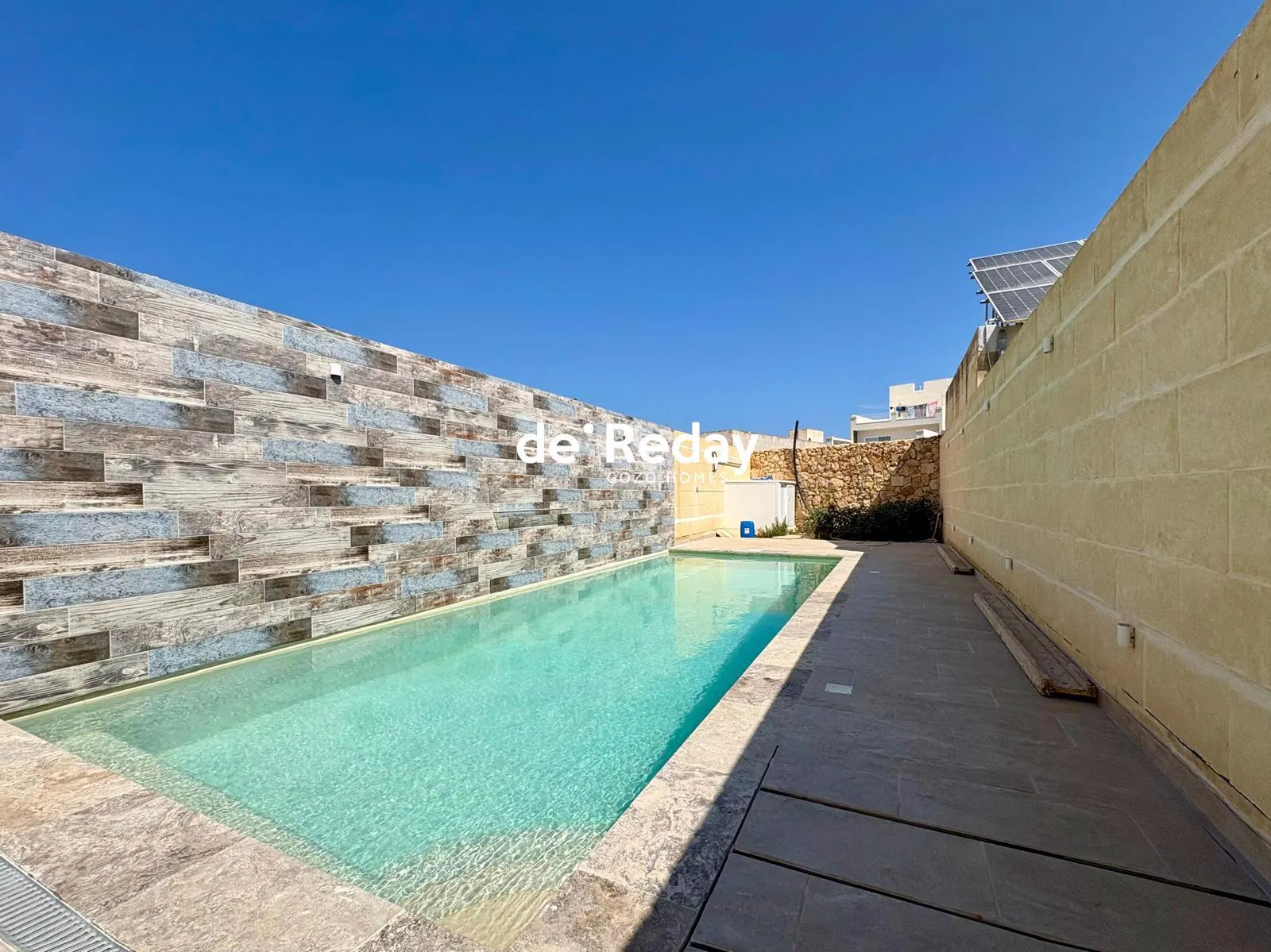
Brand New Maisonette with Pool
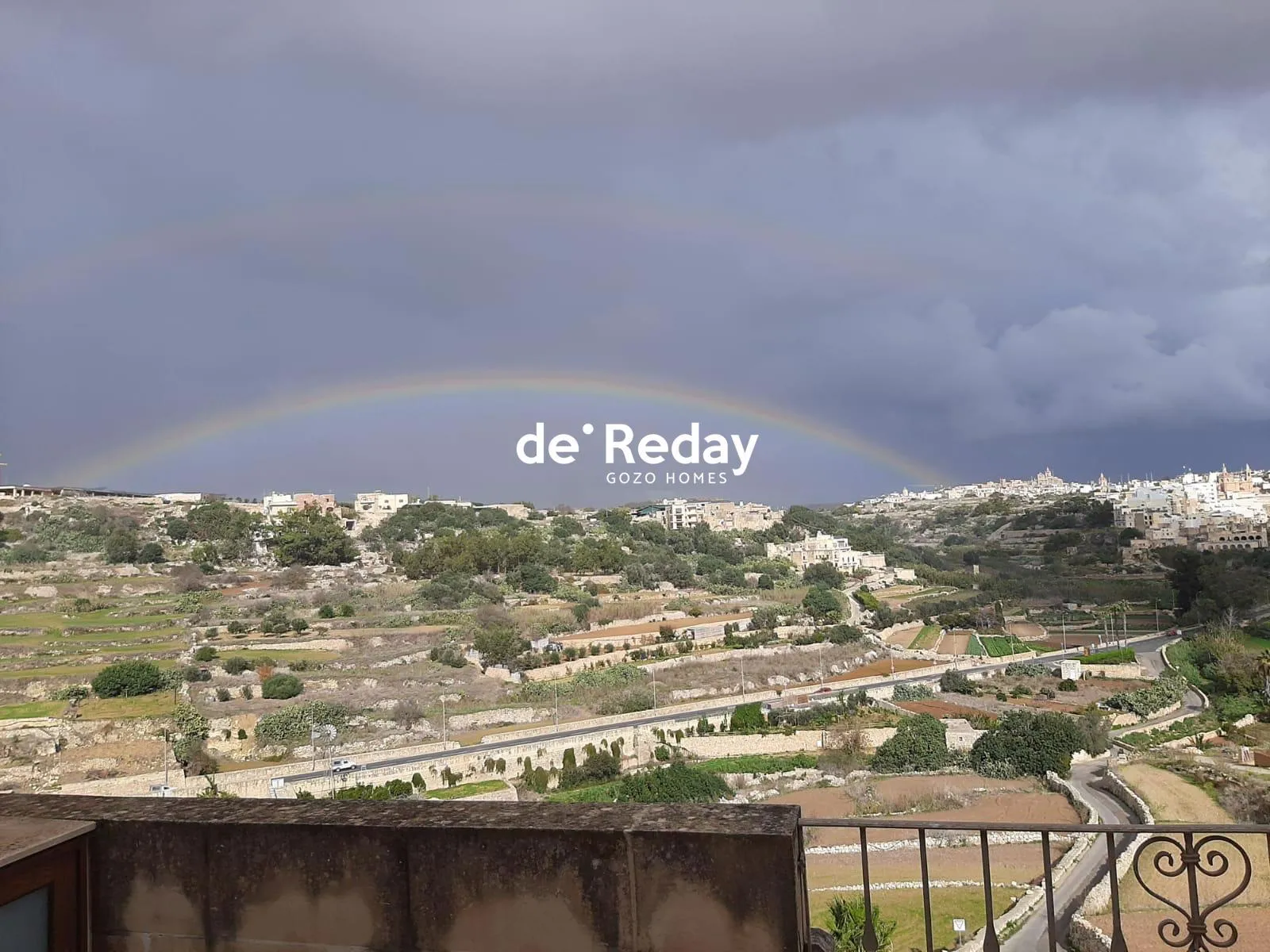
Charming 1 Bedroom Apartment in Munxar with Views