Kalkara vs Mdina
Side-by-side comparison of property prices, lifestyle, and practical info to help you choose the right area.
Summary
Kalkara, a quiet harbour village of 3,200 residents, offers practical seaside living at prices significantly below neighbouring Birgu. It scores 9/10 for safety and 8/10 for family suitability. The Birgu–Valletta ferry is a 10-minute walk away, and Malta International Airport is 15 minutes by car. Mdina, by contrast, is a car-free citadel with under 245 residents and a perfect 10/10 safety rating, but limited transport links — the nearest bus interchange is in adjacent Rabat, and the ferry requires a 25-minute bus journey. Mdina also scores lower for families at 5/10.
Kalkara suits tourists and culture lovers wanting walkable access to the Three Cities and an active waterfront community. Mdina targets culture lovers prepared for strict conservation rules, premium property prices, and constant tourist foot traffic in exchange for 8,000 years of history and panoramic island views. Both score 7/10 for dining, though Kalkara relies on neighbouring villages for everyday amenities while Mdina depends on Rabat.
Living in Kalkara
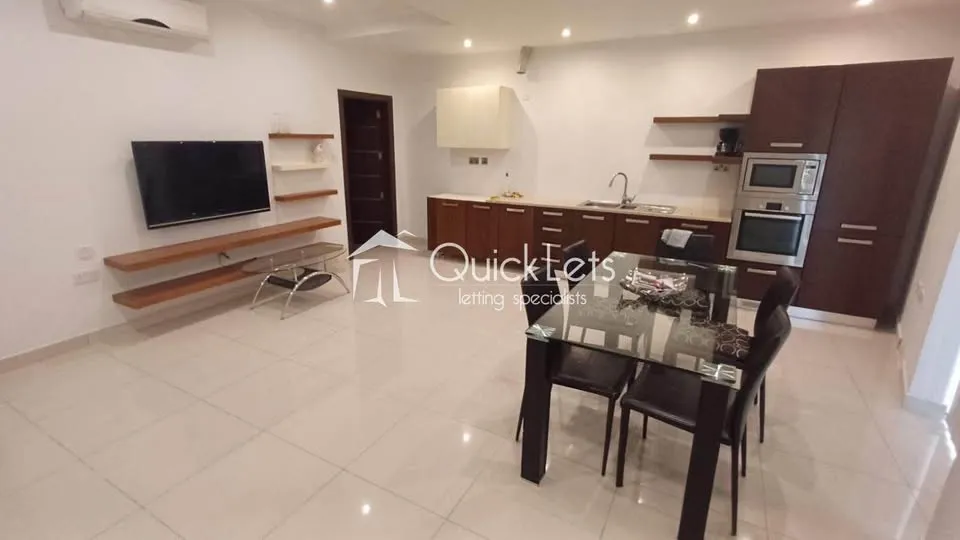
Kalkara is a small harbour-side village at the entrance to the Grand Harbour, squeezed between the Three Cities and Rinella Creek. It's tiny — one of Malta's smallest localities — but it holds two of the island's most significant landmarks: the Malta Film Studios, where Gladiator and Troy were partially filmed, and Fort Rinella, a Victorian-era fortress housing one of the world's largest surviving cannons. The village clusters around a sheltered inlet where traditional Maltese boats are still built and repaired by hand. Kalkara Creek is peaceful in a way that seems impossible given its proximity to the Grand Harbour's industrial heritage. The Smart City development on the eastern edge — a planned technology and business park — has been slow to materialise but continues to shape the area's trajectory. Kalkara appeals to buyers who want harbour-side living at village prices. Properties are a mix of traditional townhouses and modest apartment blocks, with new developments creeping in along the waterfront. It's quieter than Birgu but walkable to it, and the Valletta ferry connection makes commuting easy.
Highlights
- Malta Film Studios — where Gladiator was filmed
- Fort Rinella — Victorian fortress with a 100-ton cannon
- Sheltered creek with traditional boat building
- Walkable to Birgu and the Three Cities
- Affordable waterfront property
Living in Mdina
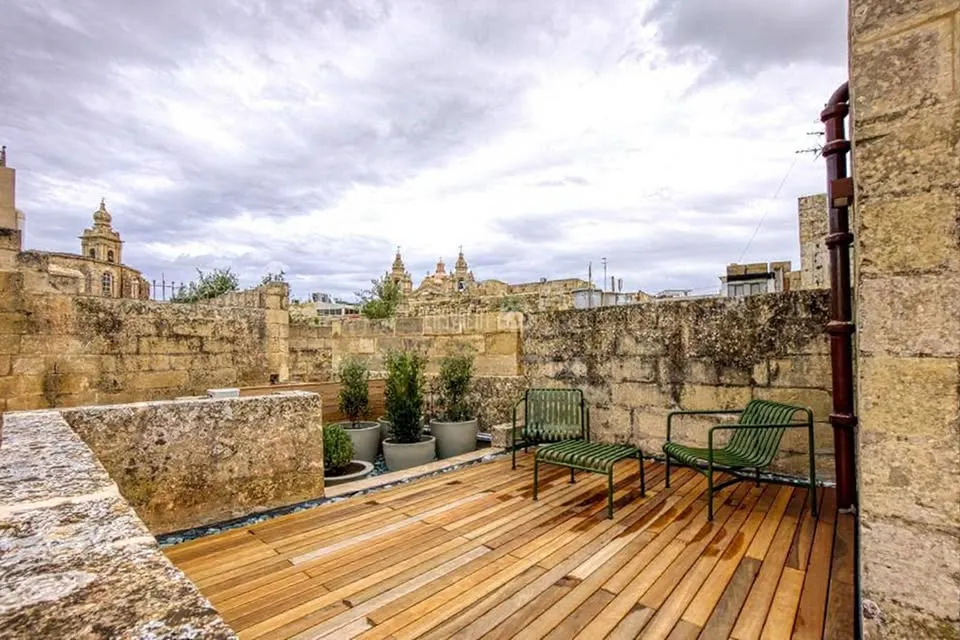
Mdina is the Silent City — a walled medieval citadel on a hilltop in central Malta where cars are banned, tourists whisper, and the only sound is the click of footsteps on golden limestone. Home to fewer than 300 residents, it is one of Europe's smallest inhabited cities and arguably its most atmospheric. The city's history predates the Knights of St. John by centuries. Originally a Phoenician settlement, then a Roman city, then the Arab capital of Malta, Mdina has layer upon layer of history compressed into its tiny footprint. The narrow streets are deliberately non-linear — a defensive trick to confuse invaders, now a maze that delights visitors. Palaces line every alley, many still privately owned by Maltese noble families who've held them for generations. Property in Mdina is rare and tightly regulated. The few apartments and townhouses that come up for sale are heritage-listed, requiring strict adherence to conservation rules. Buyers are getting a piece of history — original stone arches, tiled floors, and walls thick enough to withstand cannon fire. It's not for everyone: no parking, limited amenities, and constant tourist foot traffic. But for a small number of buyers, the chance to live in an 8,000-year-old fortress city is worth every restriction.
Highlights
- Cars banned — one of Europe's few car-free cities
- Fewer than 300 residents in an 8,000-year-old city
- St. Paul's Cathedral — baroque masterpiece
- Panoramic views from the city bastions
- Featured as King's Landing in Game of Thrones Season 1
Lifestyle Comparison
Which Area Is Right For You?
Choose Kalkara
Kalkara comes out ahead in family, beaches, nightlife, transport .
Choose Mdina
Mdina comes out ahead in safety .