Marsa vs Zabbar
Side-by-side comparison of property prices, lifestyle, and practical info to help you choose the right area.
Summary
Marsa scores 9/10 for transport as a major bus corridor with routes to Valletta and Malta International Airport, just 10 minutes away by car. Żabbar rates 6/10 for transport, served by bus routes 3, 4, and 6 from Valletta, with the airport 15 minutes by car. Marsa holds a clear advantage for commuting convenience and accessibility.
Żabbar outperforms Marsa on family suitability (8/10 vs 5/10), safety (7/10 vs 6/10), and beach access (7/10 vs 2/10), sitting just 10 minutes from Marsaskala's waterfront. Żabbar's population of 17,200 reflects its established residential character and strong festa traditions, compared to Marsa's 4,500 residents in an industrial port zone. Marsa struggles with poor air quality and high noise from port operations, rating just 1/10 for nightlife and 3/10 for dining. Żabbar offers better livability scores across most categories but requires a car for coastal visits. Both areas provide some of Malta's most affordable property prices.
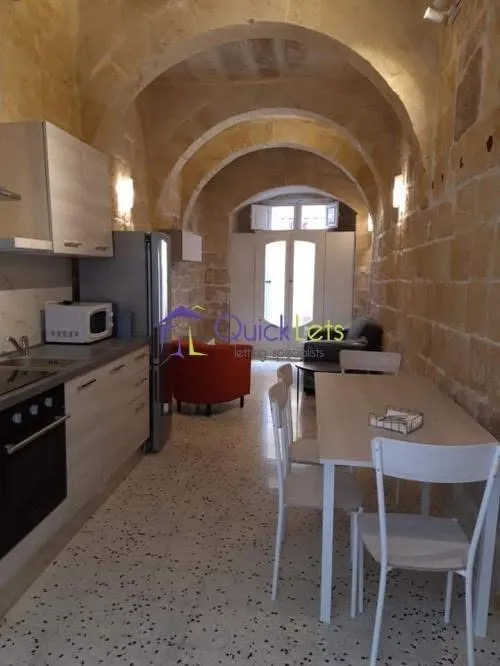
Working port and industrial zone
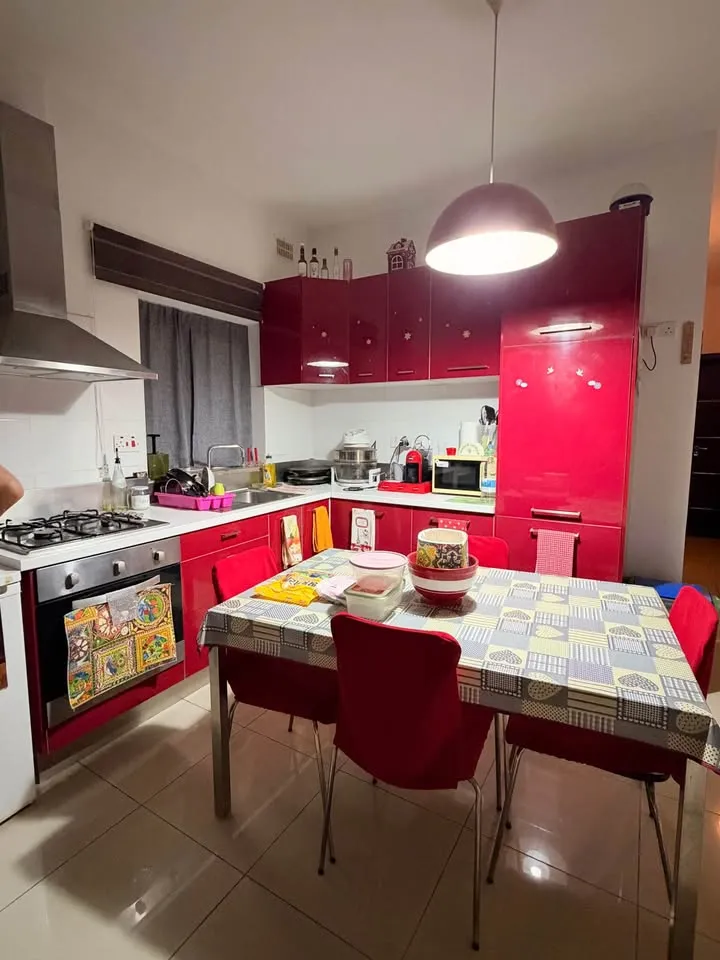
Traditional residential town with deep festa culture
Living in Marsa
Marsa sits at the inner end of the Grand Harbour — a flat, industrial zone where Malta's main port facilities, power station, and horse-racing track cluster around a creek that once served as a Roman harbour. The name means 'harbour' in Arabic, and the area has served as a port facility for over 2,000 years. Marsa is not a residential destination — it's a working zone. The container terminal, ship repair yards, and industrial estates dominate the landscape. A small residential community lives in the older streets near the parish church, but most of Marsa's daily population consists of workers, truck drivers, and port employees. Property in Marsa exists but is limited. The few residential properties available are very affordable, though the industrial surroundings make this a niche choice. Malta's only horse-racing track, the Marsa Sports Club, is a major draw — racing days bring thousands of visitors to an otherwise industrial area.
Highlights
- Malta's main container port
- Marsa horse-racing track — Malta's only racecourse
- Roman harbour site with 2,000 years of maritime history
- Very affordable residential property
- Malta's power station location
Living in Zabbar
Zabbar is one of Malta's largest inland towns — a sprawling residential community southeast of the Grand Harbour area with a strong working-class identity and a devotion to its patron saint that borders on the legendary. The town was granted the title Città Hompesch by Grand Master Ferdinand von Hompesch in 1797, just before Napoleon expelled the Knights in 1798. The town centre is built around a large parish church dedicated to Our Lady of Graces, which holds a remarkable collection of ex-voto paintings — offerings from sailors and soldiers who survived shipwrecks and battles, each depicting the incident that nearly killed them. The collection is one of the largest of its kind in the Mediterranean and worth a visit regardless of religious inclination. Zabbar is a practical, affordable base. Property prices are among the lowest in the urbanised part of Malta, and the town has all daily amenities — schools, shops, medical services. It's not a destination town — tourists rarely visit — but for residents it offers authentic Maltese life without the premium of coastal locations. The drive to Valletta takes about 15 minutes, and Marsaskala's beaches are ten minutes south.
Highlights
- One of Malta's largest towns by population
- Extraordinary collection of ex-voto paintings in the parish church
- Among the most affordable property in urban Malta
- Strong community and traditional Maltese life
- 10 minutes from Marsaskala beaches
Lifestyle Comparison
Which Area Is Right For You?
Choose Marsa
Marsa comes out ahead in transport .
Choose Zabbar
Zabbar comes out ahead in dining, family, safety, beaches, nightlife .