Marsaxlokk vs Valletta
Side-by-side comparison of property prices, lifestyle, and practical info to help you choose the right area.
Summary
Living in Marsaxlokk
Marsaxlokk is Malta's most photographed fishing village — a crescent harbour filled with traditional luzzu boats painted in bright blues, reds, and yellows, each bearing the Eye of Osiris on the bow to ward off evil. The Sunday fish market draws visitors from across the island, and waterfront restaurants serve the freshest seafood in Malta directly off the boats. Despite its tourist appeal, Marsaxlokk remains a working fishing port. It's the largest fishing harbour in Malta, and the community of full-time fishermen who operate from here are among the last traditional seafarers on the island. The village clusters around the harbour in a single sweep of pastel-coloured houses, backed by low hills that shelter the bay from prevailing winds. Living in Marsaxlokk is a lifestyle choice rather than a practical one. Properties are predominantly traditional village houses, and the pace of life is slow. Tourists flood the waterfront on Sundays but the village is quiet the rest of the week. The south-facing position means Marsaxlokk gets the full Mediterranean sun but is exposed to the hot, humid xlokk wind that gives the village its name.
Highlights
- Colourful luzzu fishing boats with Eyes of Osiris
- Famous Sunday fish market
- Best seafood restaurants in Malta
- Working fishing harbour — not just tourist scenery
- Classic Mediterranean village atmosphere
Living in Valletta
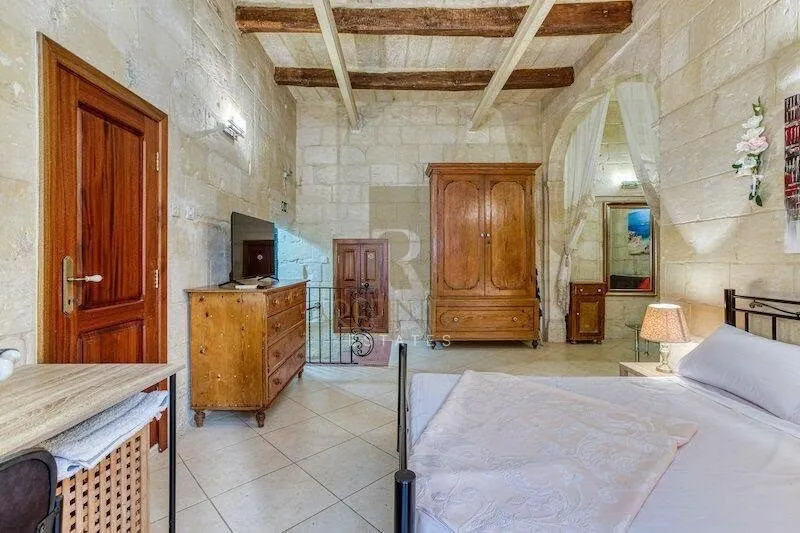
Valletta is a living museum — a UNESCO World Heritage city built by the Knights of St. John in the 16th century, designed on a grid plan so ahead of its time that it's still functional 450 years later. Every street reveals something remarkable: baroque churches with Caravaggio paintings inside, grand auberges that housed the knightly orders, and rooftop terraces with views across two harbours that have shaped Mediterranean history. As Malta's capital and administrative centre, Valletta punches well above its size. It packs government buildings, foreign embassies, boutique hotels, and a thriving restaurant scene into less than a square kilometre. The city went through a renaissance after its 2018 European Capital of Culture year — old buildings were restored, pedestrian zones expanded, and a creative community took root alongside the traditional Maltese families who've lived here for generations. Living in Valletta is a specific choice. Properties are predominantly historic townhouses and converted palazzos, often with original stone floors and enclosed wooden balconies. Space is at a premium, parking is almost nonexistent, and grocery shopping means visiting small shops rather than supermarkets. But residents gain something rare — a walkable city where the sea is always two streets away, where culture is on the doorstep, and where the evening paseggiata along the bastions at golden hour never gets old.
Highlights
- UNESCO World Heritage Site — entire city
- St. John's Co-Cathedral with Caravaggio's Beheading of St. John
- Barrakka Gardens with panoramic Grand Harbour views
- Grid-plan streets designed in 1566, still functional today
- 2018 European Capital of Culture
Lifestyle Comparison
Which Area Is Right For You?
Choose Marsaxlokk
Marsaxlokk comes out ahead in family, beaches .
Choose Valletta
Valletta comes out ahead in dining, safety, nightlife, transport .
Frequently Asked Questions
Available Properties
Marsaxlokk (5 listings)
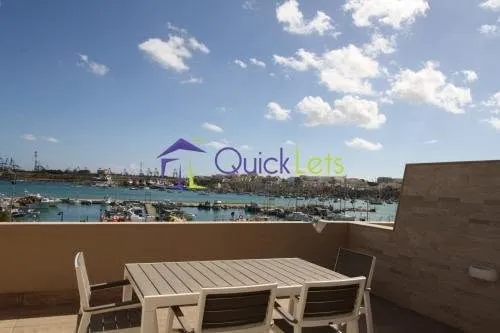
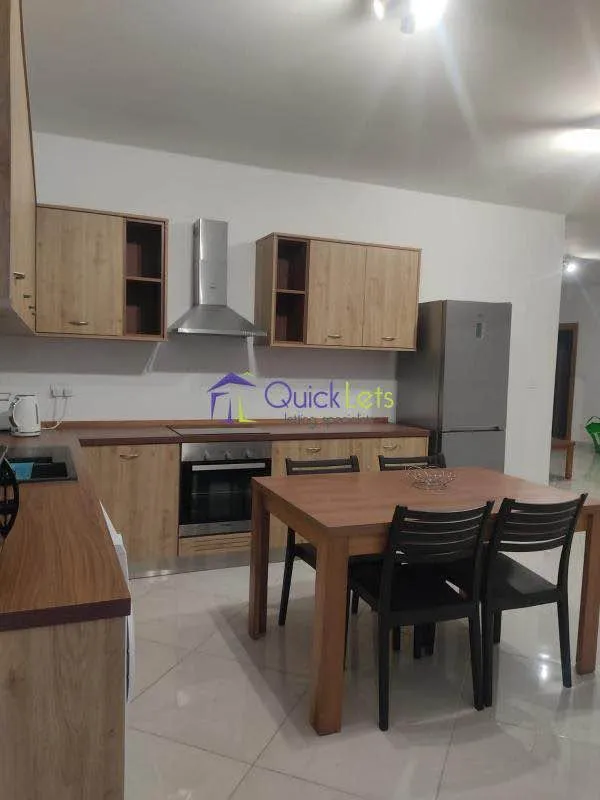
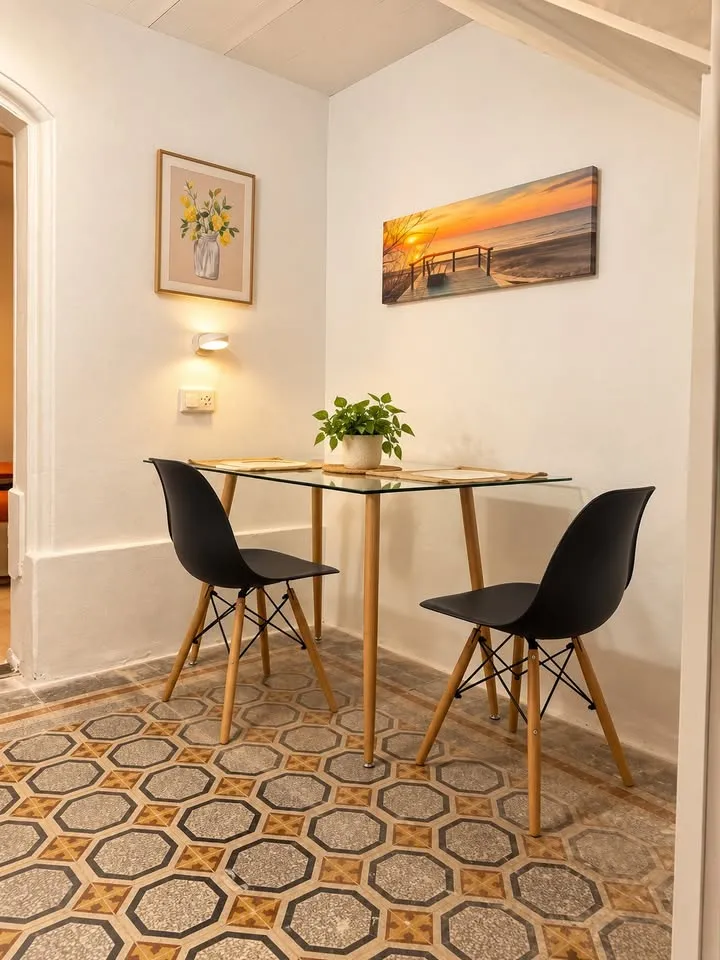
MARSAXLOKK SEAVIEW PENTHOUSE
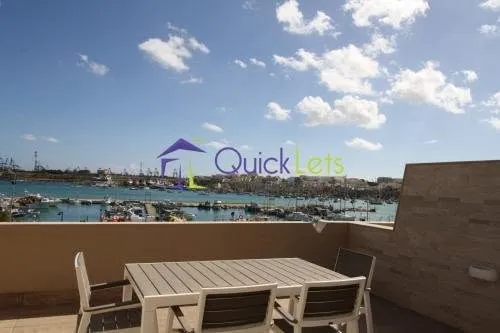
MARSAXLOKK | SEAFRONT PENTHOUSE
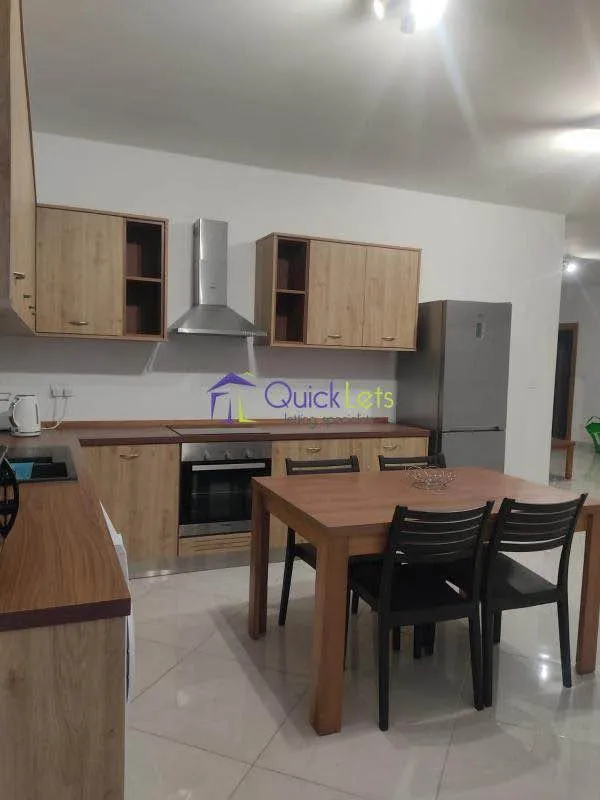
2 Bed, 2 Bath apartment in Marsaxlokk