Mdina vs Zebbug (Gozo)
Side-by-side comparison of property prices, lifestyle, and practical info to help you choose the right area.
Summary
Mdina is a walled medieval citadel with just 245 residents, cars banned within its walls, and a safety rating of 10/10. It scores 7/10 for dining but only 2/10 for nightlife and 3/10 for beaches. Heritage properties here command premium prices with strict conservation rules. Regular buses reach Valletta in around 40 minutes, and the airport is a 25-minute drive. Residents depend on adjacent Rabat for everyday shopping and must park outside the city gates.
Zebbug is a tiny Gozitan hilltop village of 1,400 residents with some of Gozo's most affordable property. It scores 9/10 for safety, 7/10 for beaches and just 3/10 for dining. There are no shops, cafes, or restaurants in the village itself. Public transport is limited — route 311 connects to Victoria, which is a 10-minute drive away. The Mgarr ferry terminal is 20 minutes by car. Reaching Malta's airport takes over 90 minutes including the ferry crossing.
Living in Mdina
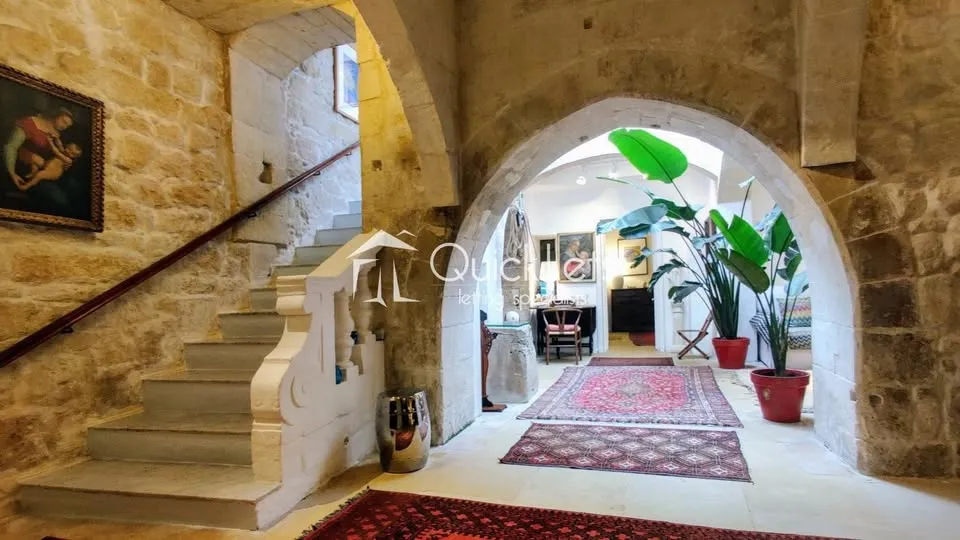
Mdina is the Silent City — a walled medieval citadel on a hilltop in central Malta where cars are banned, tourists whisper, and the only sound is the click of footsteps on golden limestone. Home to fewer than 300 residents, it is one of Europe's smallest inhabited cities and arguably its most atmospheric. The city's history predates the Knights of St. John by centuries. Originally a Phoenician settlement, then a Roman city, then the Arab capital of Malta, Mdina has layer upon layer of history compressed into its tiny footprint. The narrow streets are deliberately non-linear — a defensive trick to confuse invaders, now a maze that delights visitors. Palaces line every alley, many still privately owned by Maltese noble families who've held them for generations. Property in Mdina is rare and tightly regulated. The few apartments and townhouses that come up for sale are heritage-listed, requiring strict adherence to conservation rules. Buyers are getting a piece of history — original stone arches, tiled floors, and walls thick enough to withstand cannon fire. It's not for everyone: no parking, limited amenities, and constant tourist foot traffic. But for a small number of buyers, the chance to live in an 8,000-year-old fortress city is worth every restriction.
Highlights
- Cars banned — one of Europe's few car-free cities
- Fewer than 300 residents in an 8,000-year-old city
- St. Paul's Cathedral — baroque masterpiece
- Panoramic views from the city bastions
- Featured as King's Landing in Game of Thrones Season 1
Living in Zebbug (Gozo)
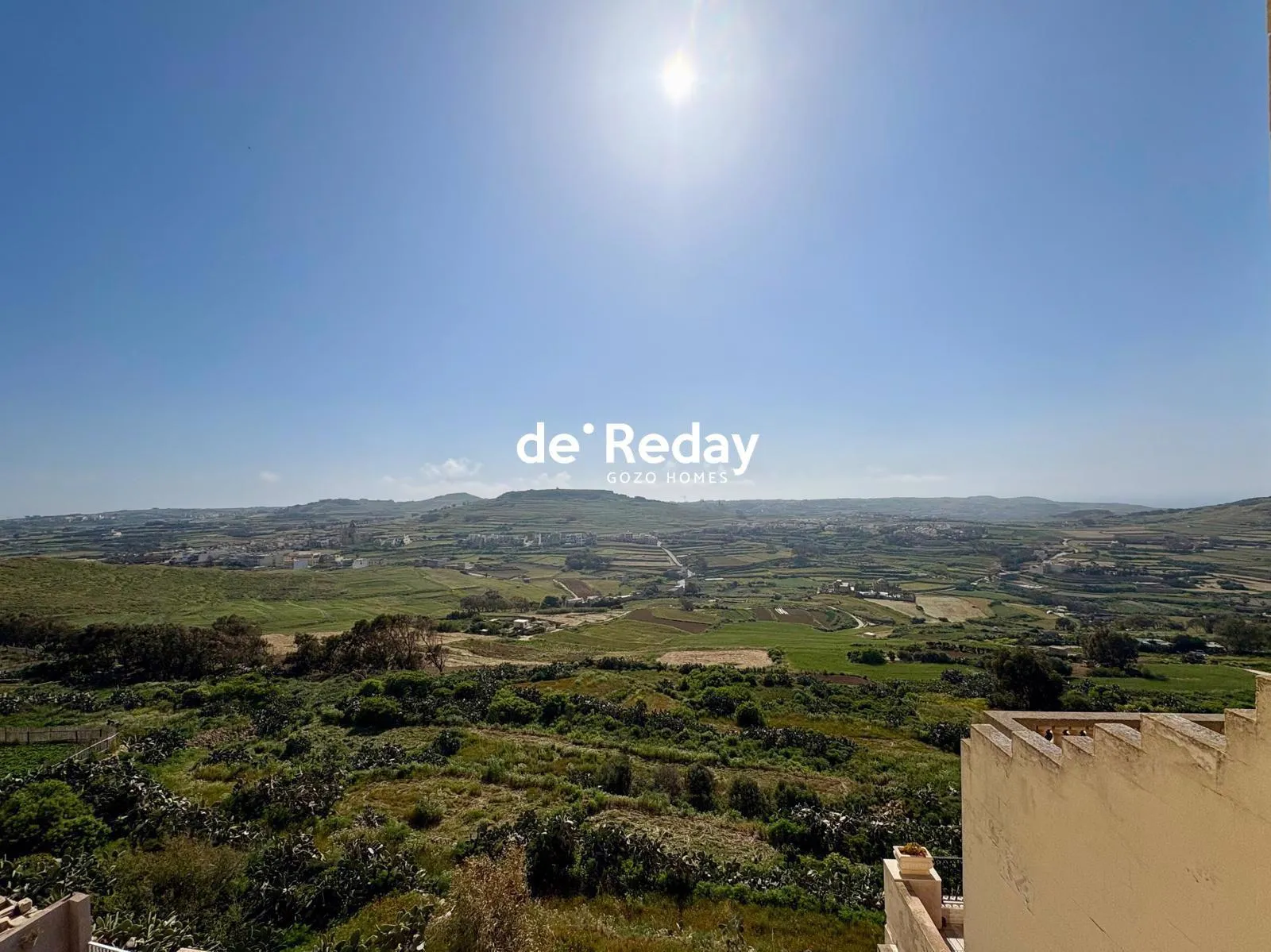
Zebbug is a small hilltop village in northern Gozo — not to be confused with the larger Haz-Zebbug on Malta. The name means 'olives' in Maltese, a reference to the olive groves that once covered the surrounding hillsides. It's one of Gozo's highest points, and the views from the church square take in the entire northern coastline. The village is small even by Gozitan standards, with a single square, a parish church, and a few streets of traditional houses. The surrounding countryside is some of Gozo's finest — open farmland, dry stone walls, and walking trails that lead to the coast at Marsalforn and Qbajjar. The Zebbug plateau has several prehistoric sites, including cart ruts and megalithic remains that are yet to be fully excavated. Property in Zebbug is among the most affordable in Gozo. Traditional houses with views come at prices that are remarkably low for the quality of life on offer. The village has minimal amenities — a church, a band club, and a few houses — which is either a drawback or the whole point, depending on your perspective.
Highlights
- One of Gozo's highest villages with panoramic northern views
- Named after historic olive groves
- Walk to Marsalforn and the salt pans
- Prehistoric cart ruts and unexcavated megalithic sites
- Among the most affordable property in Gozo
Lifestyle Comparison
Which Area Is Right For You?
Choose Mdina
Mdina comes out ahead in dining, safety, nightlife, transport .
Choose Zebbug (Gozo)
Zebbug (Gozo) comes out ahead in beaches .