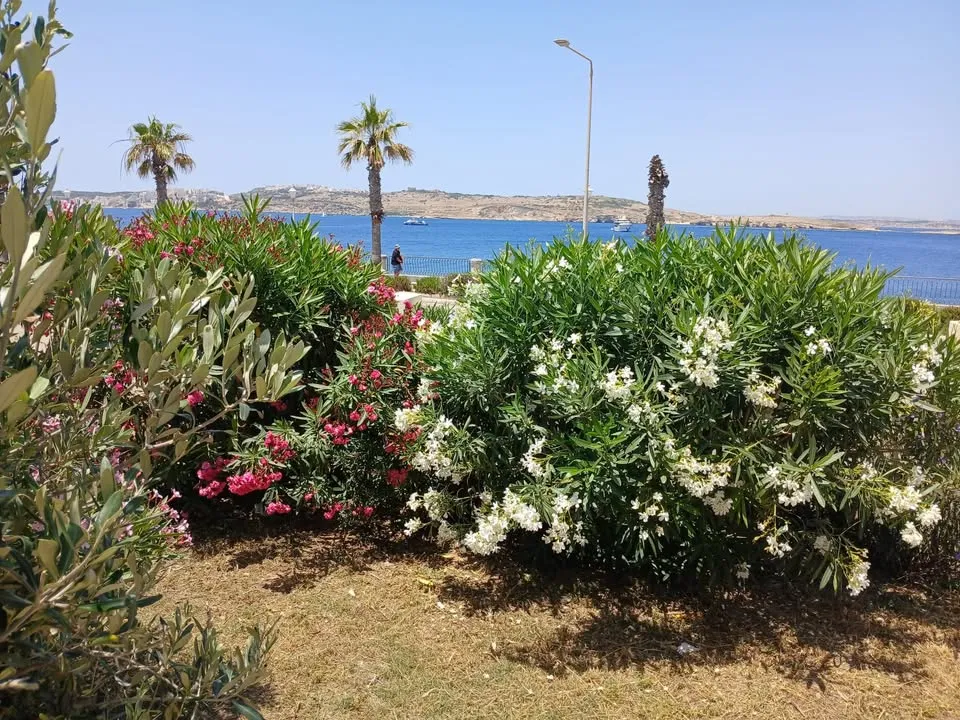
Mgarr vs Qawra
Side-by-side comparison of property prices, lifestyle, and practical info to help you choose the right area.
Summary
Living in Mgarr
Mgarr is a rural village in northwest Malta that serves as the island's agricultural heartland. Surrounded by farmland, vineyards, and olive groves, Mgarr produces more of Malta's home-grown food than anywhere else — strawberries, tomatoes, potatoes, and the grapes that go into Malta's growing wine industry. The annual Strawberry Festival draws thousands of visitors each spring. The village centre is a traditional Maltese square dominated by an enormous parish church that's dramatically oversized for the population — locals reportedly wanted to build the largest church in Malta but ran out of funds before completing the dome. The unfinished dome is a source of village pride rather than embarrassment. The surrounding countryside is scattered with cart ruts, megalithic sites, and the Bingemma valley. Property in Mgarr offers rural Malta at its most affordable. Farmhouses with land are still available, and the village has a genuine agricultural character that's disappeared from most of the island. The trade-off is distance — Mgarr is a 25-minute drive from Valletta with limited public transport.
Highlights
- Annual Strawberry Festival — Malta's biggest food event
- Working farms, vineyards, and olive groves
- Farmhouse properties with land at affordable prices
- Cart ruts and megalithic sites in the countryside
- Genuinely rural Malta
Living in Qawra
Qawra is the quieter neighbour of Bugibba — a coastal resort area on St. Paul's Bay that shares the same tourist infrastructure but with a more relaxed pace. The name means 'rounded' in Maltese, referring to the shape of the rocky peninsula that juts into the sea. Where Bugibba is loud and commercial, Qawra is slightly more subdued, with a long coastal promenade, rocky swimming platforms, and a cluster of hotels and apartment blocks. The Qawra promenade is one of the longest continuous seafront walks in Malta, stretching from Bugibba's aquarium all the way to Salina Bay. The salt pans at Salina are one of the oldest in Malta, still producing sea salt using traditional methods. The Qawra Point tower, a Knights-era watchtower, sits at the tip of the peninsula. Property in Qawra mirrors Bugibba's market — affordable purchase prices and solid rental yields from tourist demand. The area is popular with British retirees and long-stay visitors who prefer Qawra's slightly calmer atmosphere over Bugibba's bustle. Winter occupancy is better than most Maltese resorts thanks to the retiree community.
Highlights
- Longest seafront promenade in northern Malta
- Salina salt pans — traditional sea salt production
- Knights-era watchtower at Qawra Point
- Steady rental yields from retiree community
- Slightly quieter alternative to neighbouring Bugibba
Lifestyle Comparison
Which Area Is Right For You?
Choose Mgarr
Mgarr comes out ahead in family, safety, beaches .
Choose Qawra
Qawra comes out ahead in dining, nightlife, transport .
Frequently Asked Questions
Available Properties
Mgarr (4 listings)
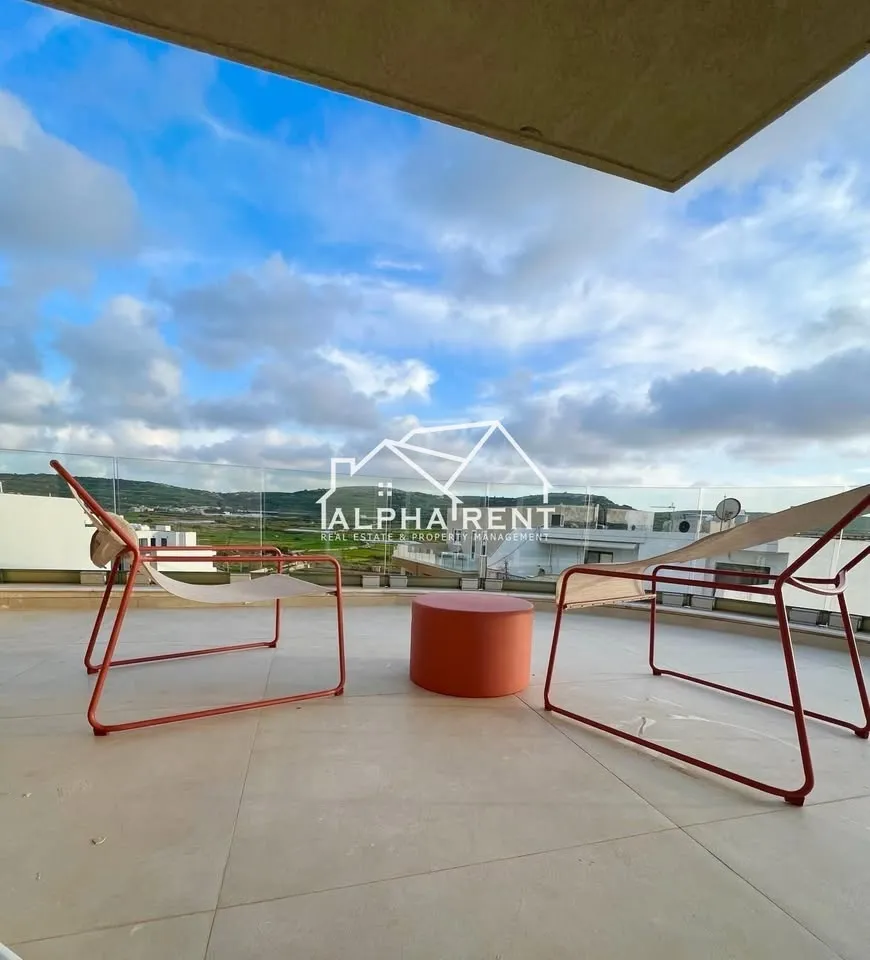
2-Bedroom, 2-Bathroom Apartment for Rent – Mġarr!
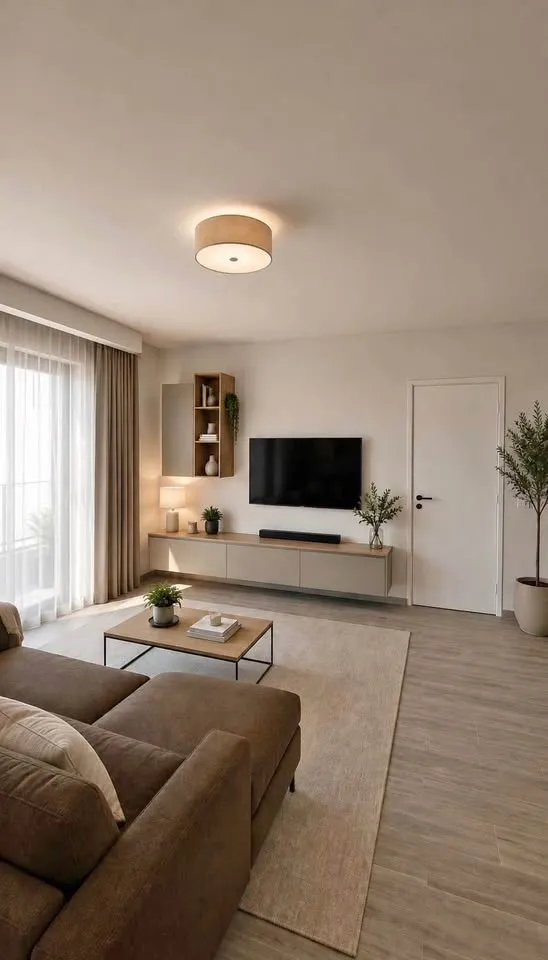
BRAND NEW 3-BEDROOM APARTMENTS FOR RENT
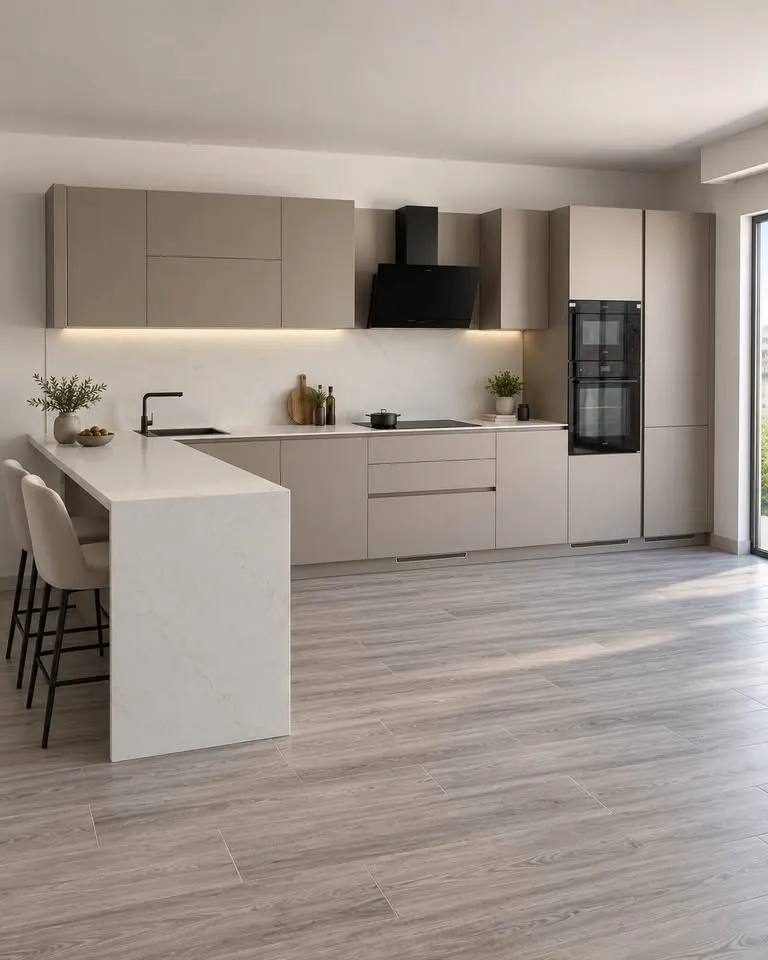
Brand New 3-Bedroom Apartments for Rent in Mġarr
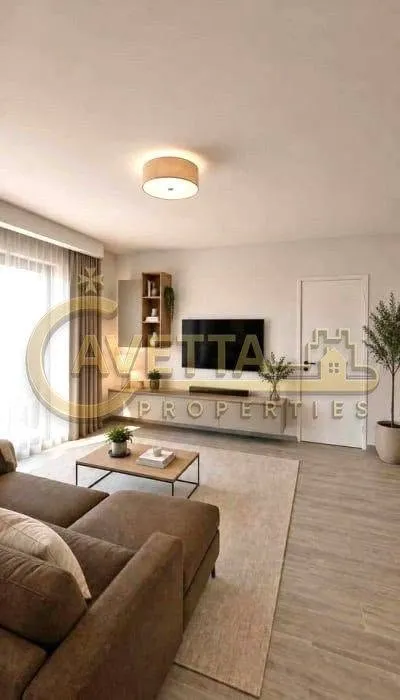
MGARR APARTMENT
Qawra (25 listings)
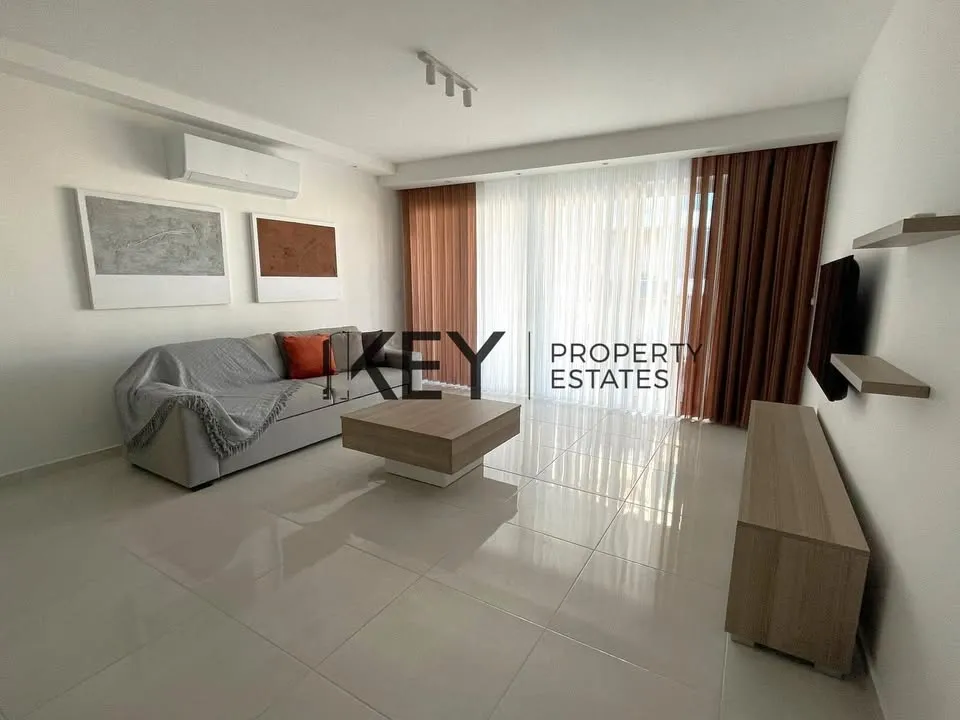
Modern and Spacious Fully Furnished 3 Bedroom Apartment in Qawra
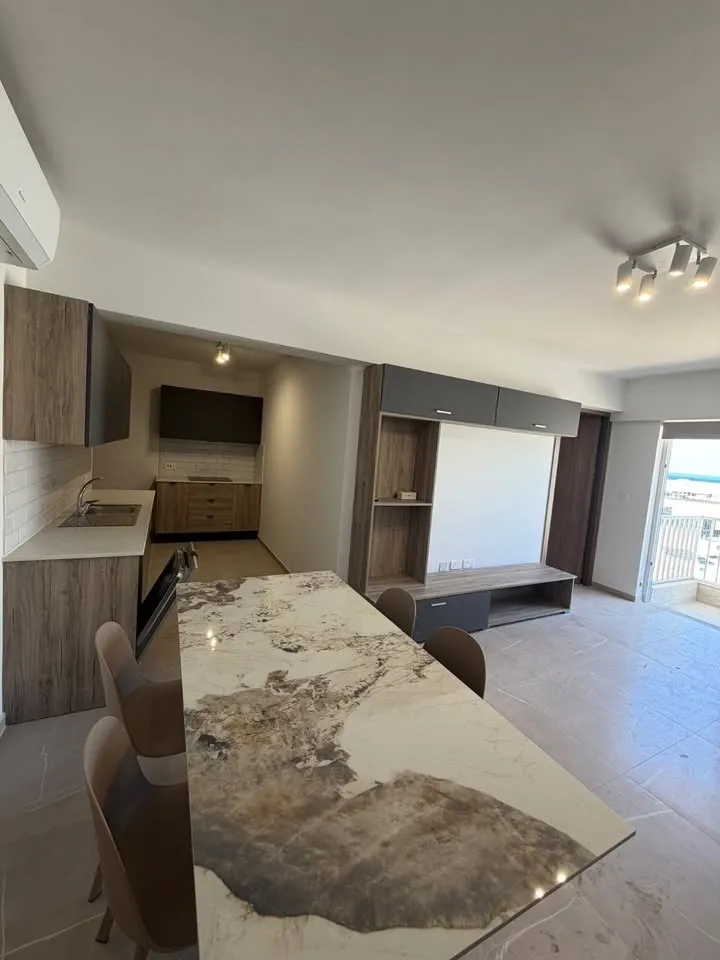
2 bedroom apartment in Qawra
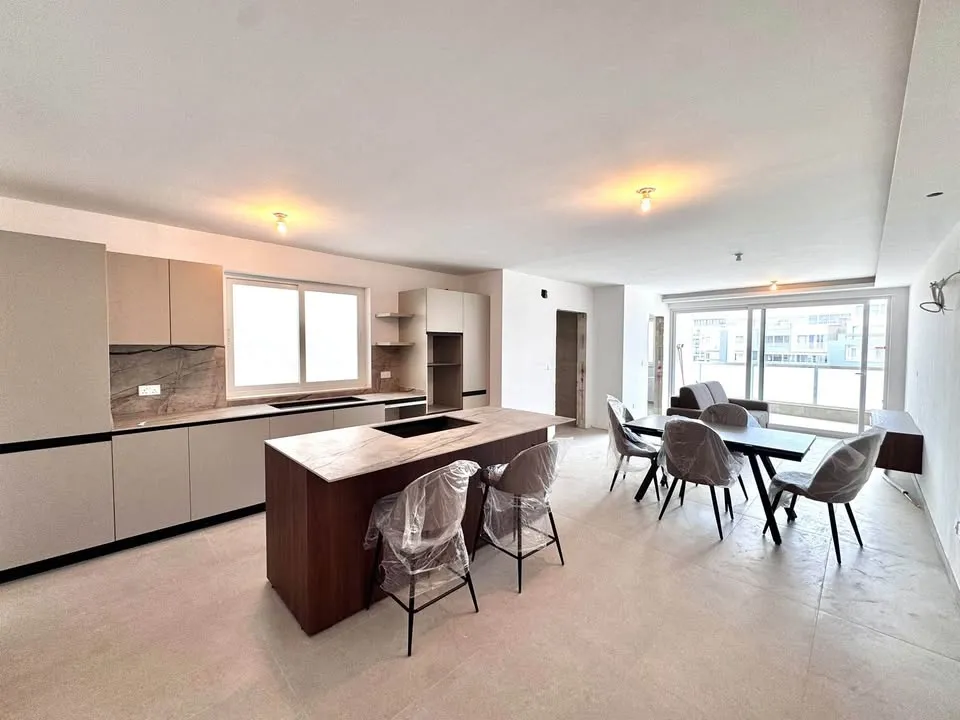
Brand-new 2-bedroom apartment in Qawra