Msida vs St. Paul's Bay
Side-by-side comparison of property prices, lifestyle, and practical info to help you choose the right area.
Summary
Living in Msida
Msida is a compact harbour-side town that serves as one of Malta's key transport nodes — the junction where routes from the north, south, and centre converge on their way to Valletta. The University of Malta campus sits at the top of the hill, making Msida the natural base for Malta's 12,000-strong student population. The town clusters around a small marina and a busy junction that's both Msida's lifeblood and its curse — it connects everything but traffic backs up at peak hours to legendary proportions. A flood relief project recently converted the main road from a chronic flooding zone (Msida sits at the bottom of a natural valley) into a more manageable thoroughfare, though the town still feels more functional than charming. Property in Msida is driven by student demand. Rental apartments near the university command consistent yields, and the area is popular with young professionals who work in the nearby hospital or in Valletta. Prices sit below Sliema and Gzira but above the southern towns. It's a practical choice — not a lifestyle one.
Highlights
- University of Malta campus
- Strong student rental market
- Key transport junction for the whole island
- Marina and waterfront
- More affordable than Sliema and Gzira
Living in St. Paul's Bay
St. Paul's Bay is Malta's largest northern coastal town — a sprawling stretch of shoreline that encompasses the old fishing village of Xemxija, the tourist strips of Bugibba and Qawra, and the residential community of Burmarrad inland. According to the Bible, St. Paul was shipwrecked here in AD 60, an event that brought Christianity to Malta and gave the area its name. The town has grown explosively over the past two decades, transforming from a quiet seasonal resort into a year-round community of over 25,000 residents. Retired British expats, Maltese families priced out of the central coast, and a growing number of foreign workers have all settled here, drawn by coastal living at more manageable prices than Sliema or St. Julian's. The waterfront is the town's main asset — a long promenade connecting the old fisherman's quay to Bugibba's square to Qawra's rocky beaches. The Malta National Aquarium sits at the Bugibba end, and the Xemxija Heritage Walk traces ancient cart ruts and Roman roads into the hills. Properties range from modern seafront apartments to older terraced houses inland, with prices significantly below the central coast.
Highlights
- Malta's largest coastal town by population
- Biblical shipwreck site of St. Paul
- Malta National Aquarium at Bugibba
- Rocky beaches and coastal promenade
- More affordable than the central coast
Lifestyle Comparison
Which Area Is Right For You?
Choose Msida
Msida comes out ahead in nightlife, transport .
Choose St. Paul's Bay
St. Paul's Bay comes out ahead in family, safety, beaches .
Frequently Asked Questions
Available Properties
Msida (28 listings)
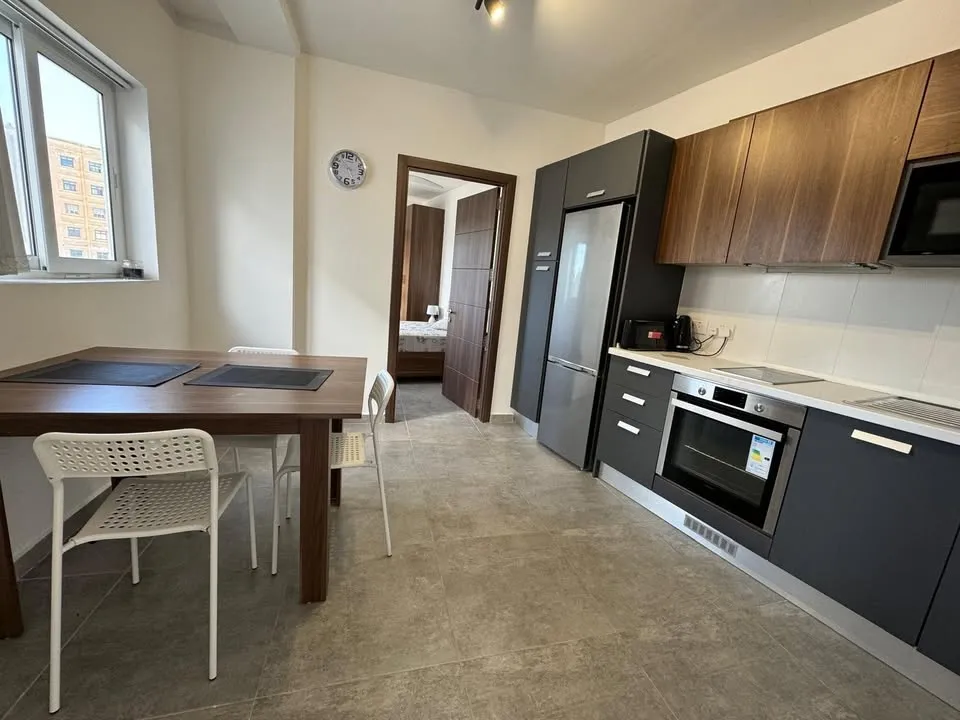
PIETÀ | 2 BEDROOM APARTMENT
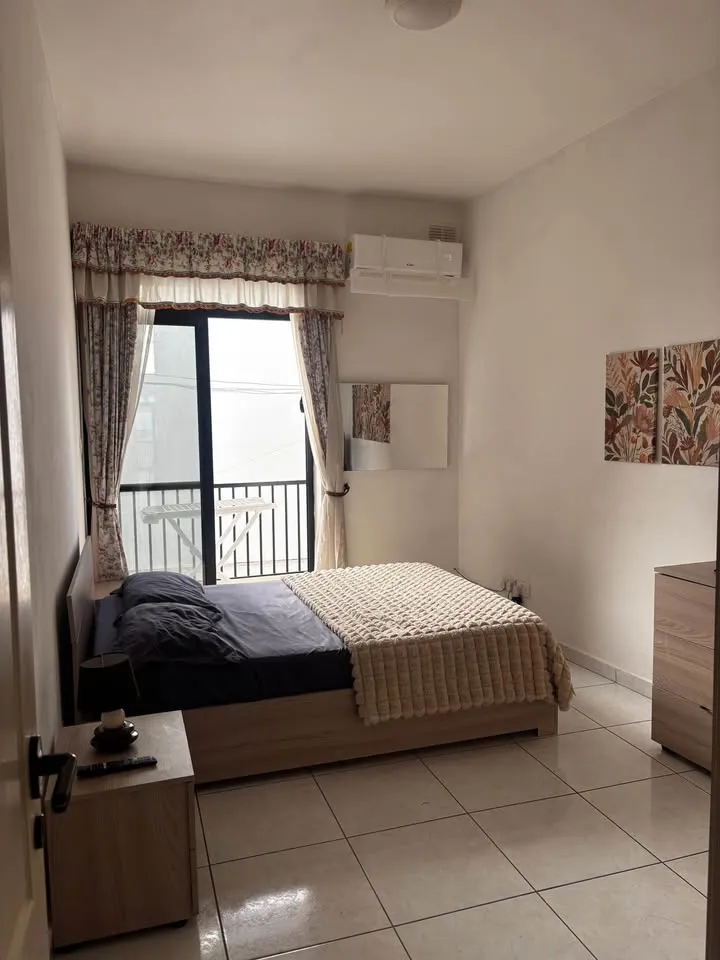
Bright, fully furnished apartment in the heart of Msida
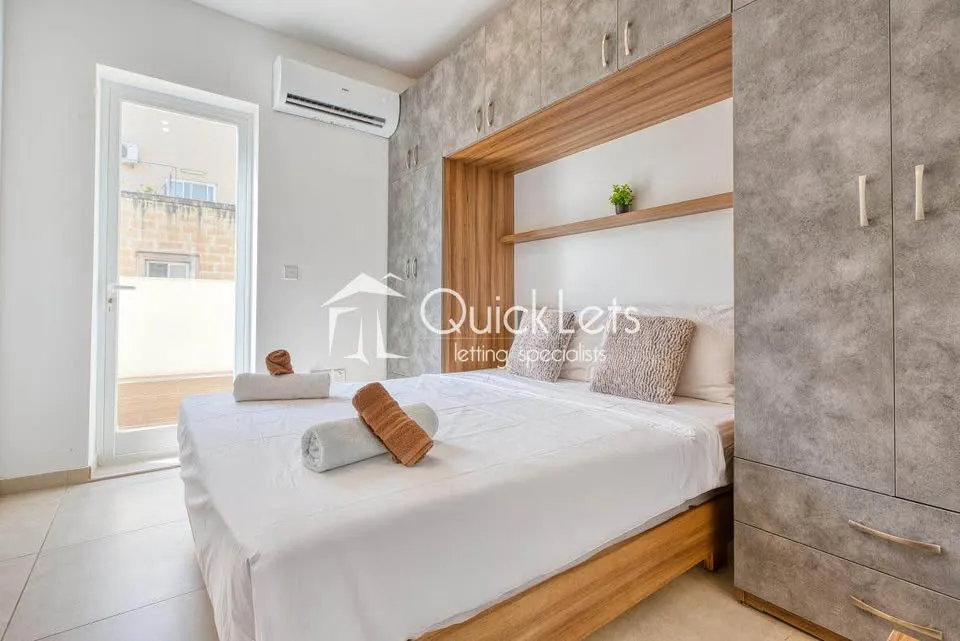
2 bedroom apartment in Msida
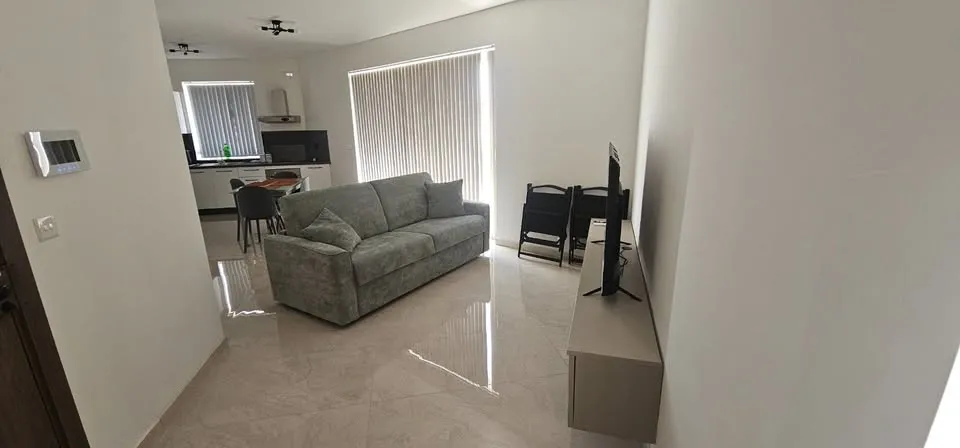
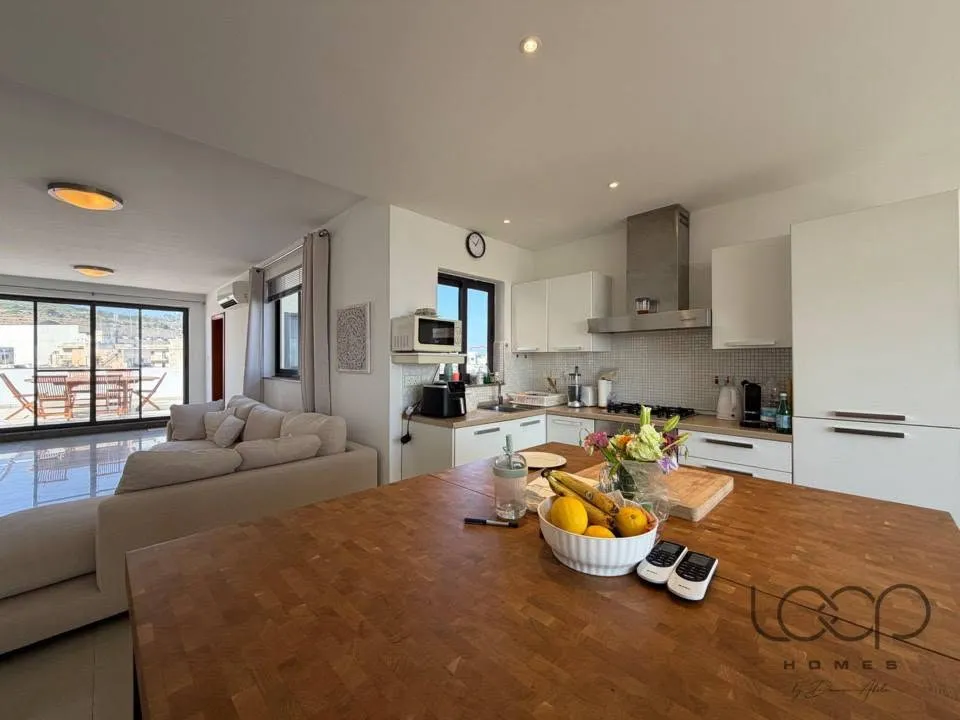
Msida – Brand-New 1-Bedroom Penthouse with Large Terrace
St. Paul's Bay (51 listings)
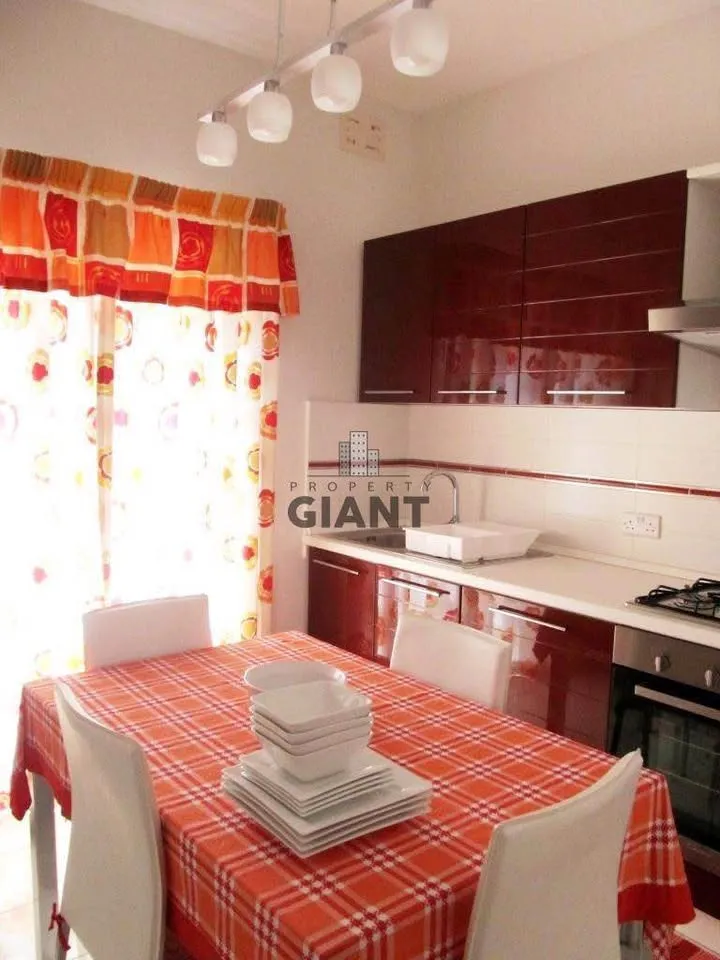
1 Bedroom Apartment in St. Paul's Bay
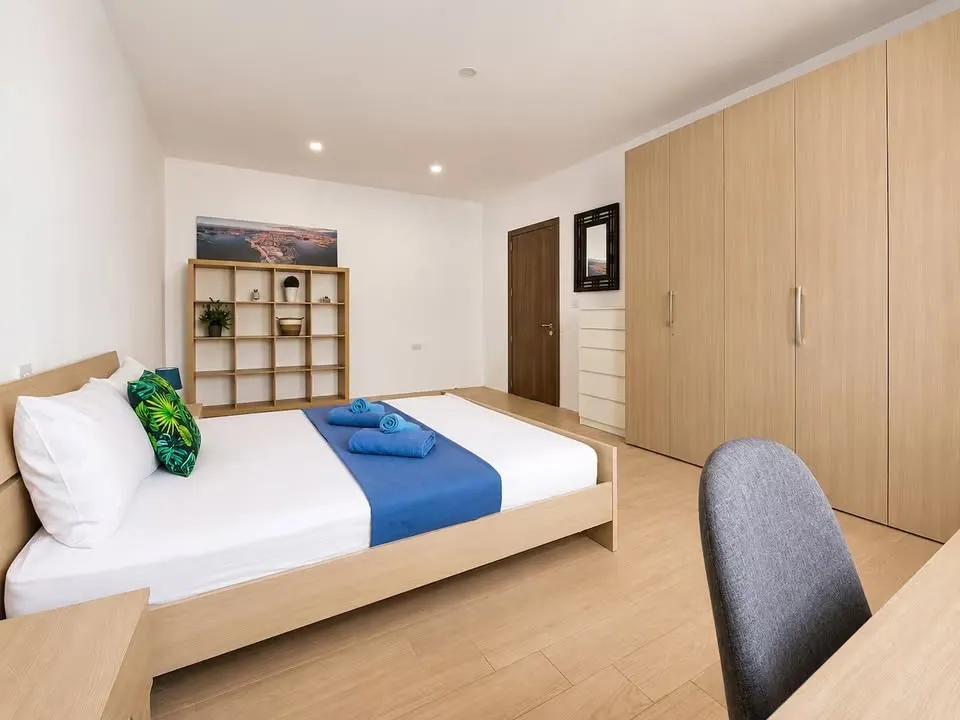
Bedroom with private bathroom in shared apartment
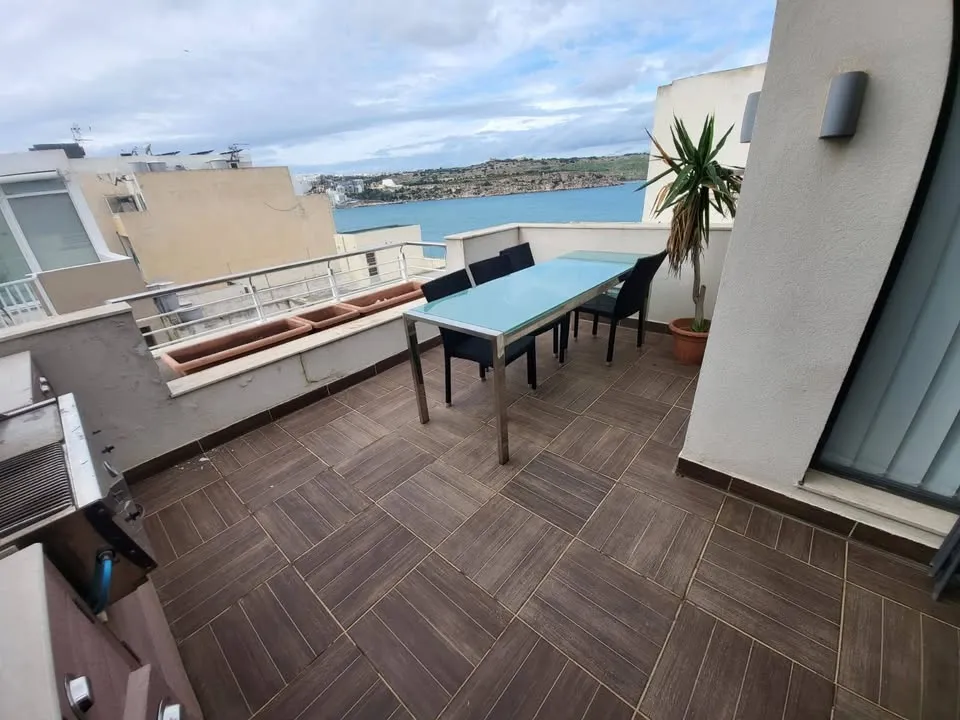
Duplex Penthouse in San Pawl il-Baħar