Paola vs Qawra
Side-by-side comparison of property prices, lifestyle, and practical info to help you choose the right area.
Summary
Living in Paola
Paola is a busy southern town that serves as a gateway to the harbour area — the first major settlement you hit coming from the south toward the Three Cities and Valletta. Named after Grand Master Antoine de Paule, who founded it in the 1620s, Paola has evolved into a substantial residential and commercial hub with Malta's law courts, a large shopping district, and some of the island's most important archaeological sites. The Kordin temples and the Hypogeum sit within or near Paola's boundaries, making it archaeologically rich despite its modern appearance. The town's main square and parish church form the traditional centre, but Paola's commercial stretch along the main road is where daily life happens — hardware stores, bakeries, wedding dress shops, and a weekly outdoor market that draws bargain hunters from across Malta. Property in Paola is affordable and practical. The town sits at a transport crossroads — buses to Valletta, the Three Cities, and the south all pass through or near Paola. Corradino prison sits on the hilltop to the east, which affects property values in its immediate vicinity, but the rest of the town offers solid value for money in a well-connected location.
Highlights
- Hal Saflieni Hypogeum — UNESCO underground temple
- Malta's law courts and government offices
- Major bus interchange for southern Malta
- Affordable property with practical convenience
- Large commercial district with outdoor market
Living in Qawra
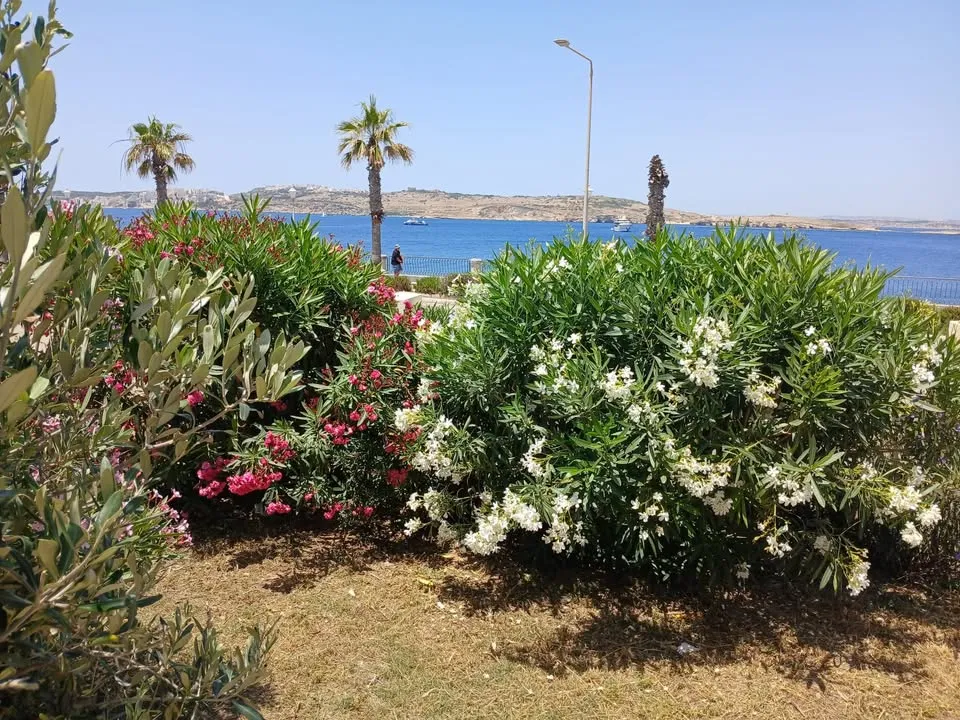
Qawra is the quieter neighbour of Bugibba — a coastal resort area on St. Paul's Bay that shares the same tourist infrastructure but with a more relaxed pace. The name means 'rounded' in Maltese, referring to the shape of the rocky peninsula that juts into the sea. Where Bugibba is loud and commercial, Qawra is slightly more subdued, with a long coastal promenade, rocky swimming platforms, and a cluster of hotels and apartment blocks. The Qawra promenade is one of the longest continuous seafront walks in Malta, stretching from Bugibba's aquarium all the way to Salina Bay. The salt pans at Salina are one of the oldest in Malta, still producing sea salt using traditional methods. The Qawra Point tower, a Knights-era watchtower, sits at the tip of the peninsula. Property in Qawra mirrors Bugibba's market — affordable purchase prices and solid rental yields from tourist demand. The area is popular with British retirees and long-stay visitors who prefer Qawra's slightly calmer atmosphere over Bugibba's bustle. Winter occupancy is better than most Maltese resorts thanks to the retiree community.
Highlights
- Longest seafront promenade in northern Malta
- Salina salt pans — traditional sea salt production
- Knights-era watchtower at Qawra Point
- Steady rental yields from retiree community
- Slightly quieter alternative to neighbouring Bugibba
Lifestyle Comparison
Which Area Is Right For You?
Choose Paola
Paola comes out ahead in family, transport .
Choose Qawra
Qawra comes out ahead in dining, beaches, nightlife .
Frequently Asked Questions
Available Properties
Paola (2 listings)
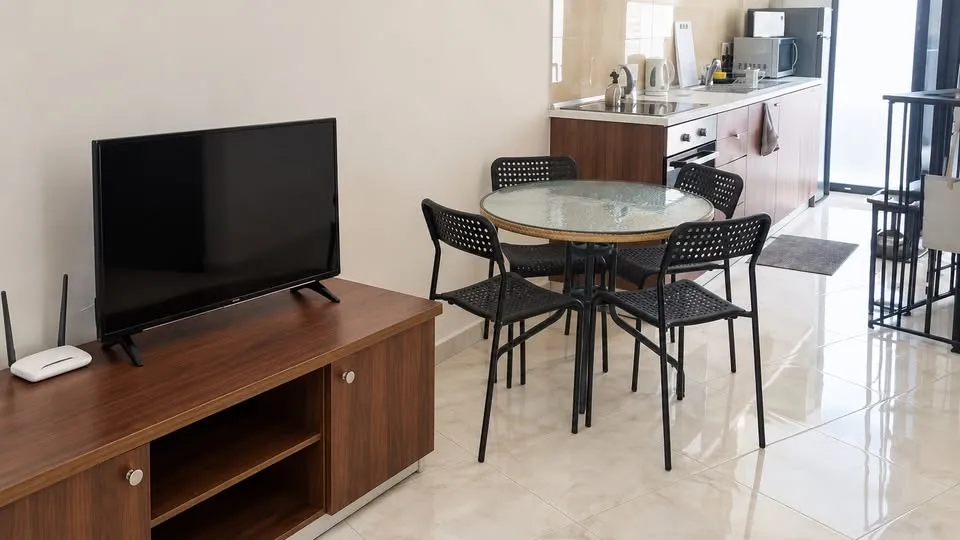
Modern 1-Bedroom Penthouse in Paola
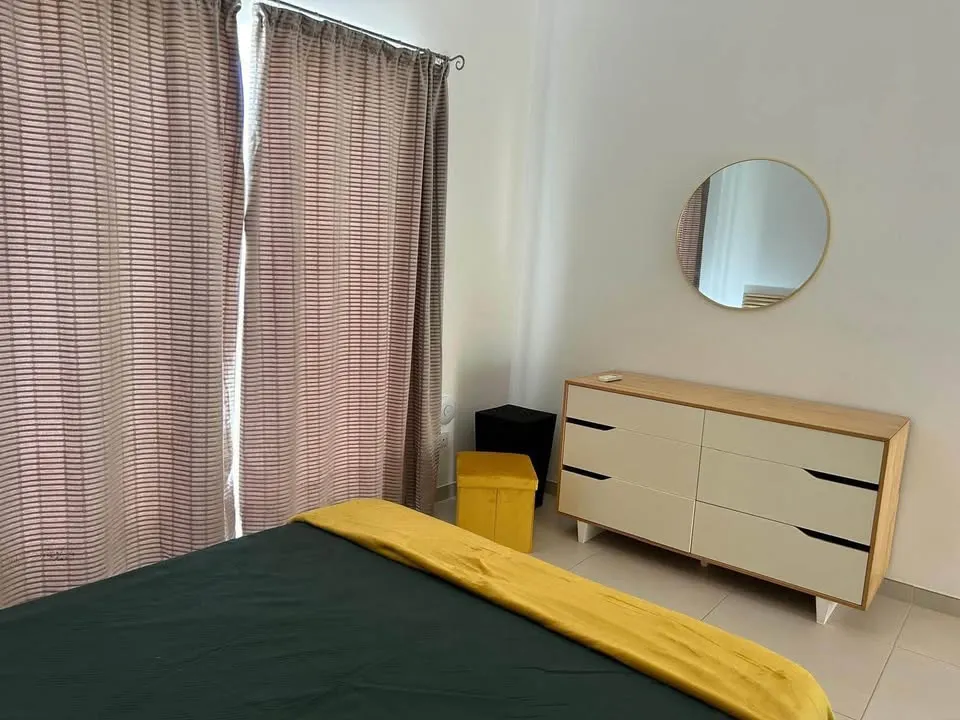
To Rent | Paola
Qawra (25 listings)
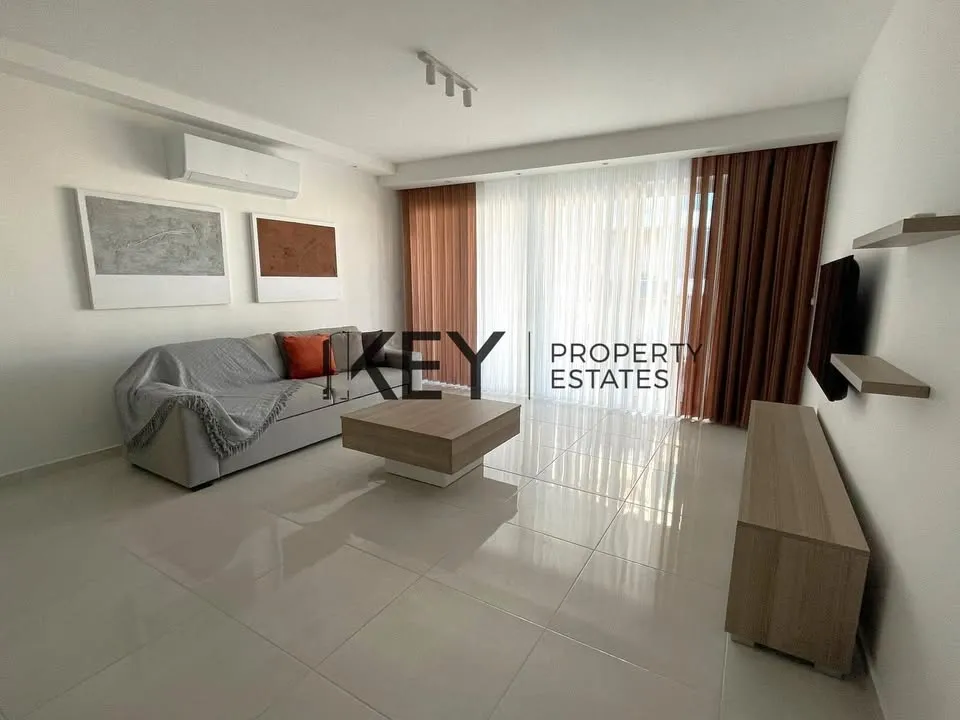
Modern and Spacious Fully Furnished 3 Bedroom Apartment in Qawra
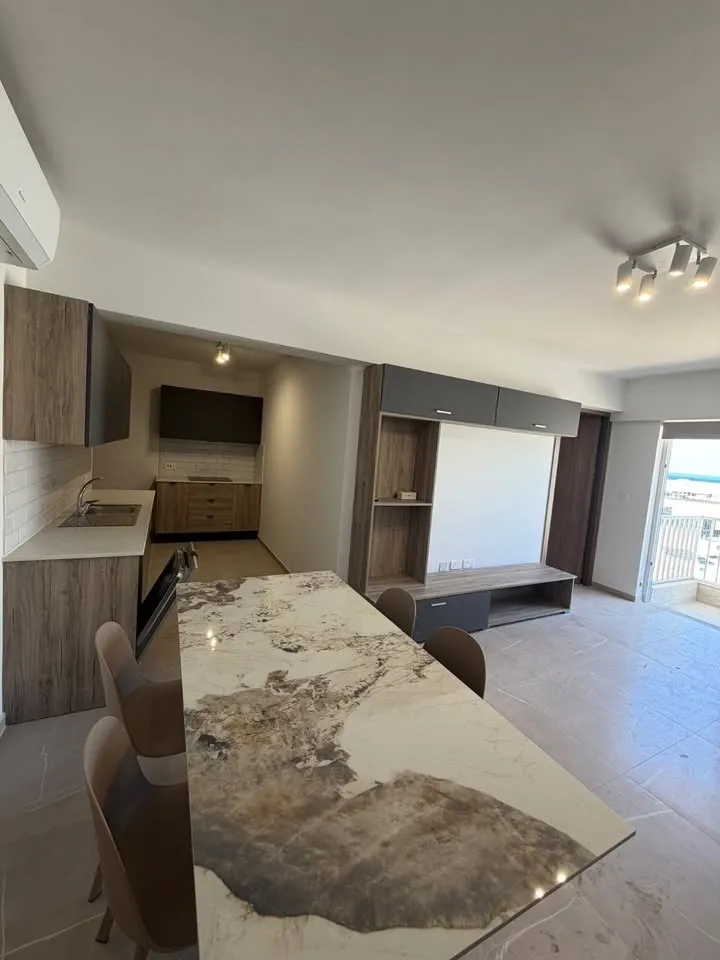
2 bedroom apartment in Qawra
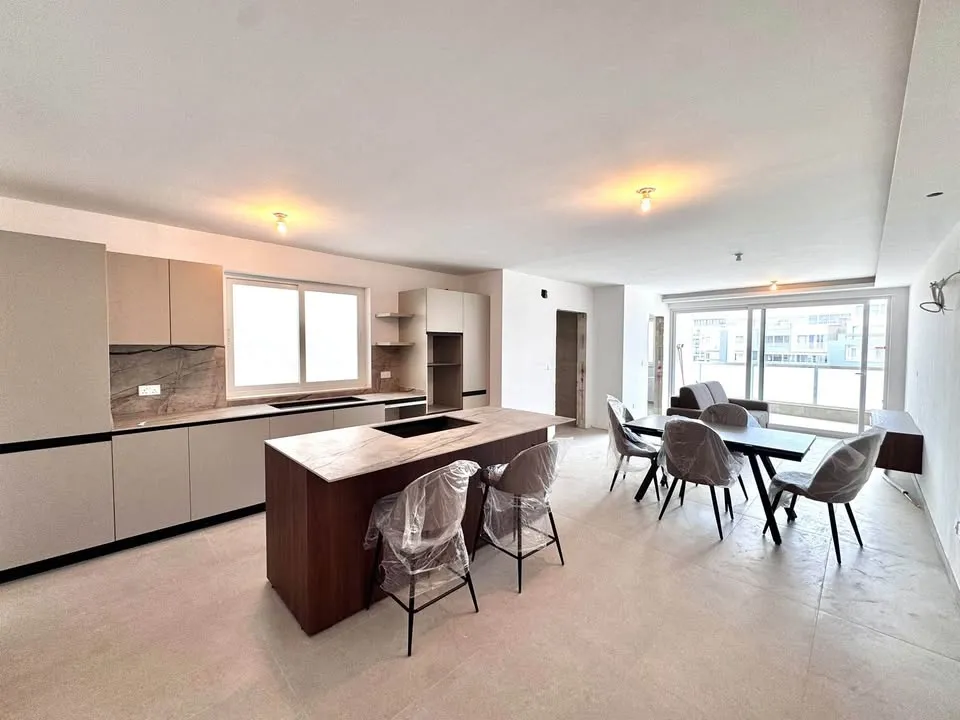
Brand-new 2-bedroom apartment in Qawra