Rabat vs San Lawrenz
Side-by-side comparison of property prices, lifestyle, and practical info to help you choose the right area.
Summary
Rabat sits inland near Mdina with a population of 11,800, scoring 8/10 for family-friendliness and safety. Property prices run 20-30% below coastal Malta. Bus routes 51 and 52 reach Valletta in 25-30 minutes. San Lawrenz is a tiny plateau village of 700 people on Gozo's western coast, scoring 9/10 for beaches and safety but just 2/10 for transport. A car is essential here — Victoria is 25+ minutes away, and the airport takes over 90 minutes including the Mgarr ferry.
Rabat offers authentic village life with Roman catacombs, quality restaurants, and excellent parking. Dining scores 7/10, nightlife just 3/10. San Lawrenz provides world-class diving at Dwejra Bay and the Kempinski SDA residences, which foreigners can buy without an AIP permit. However, the village has no shop or restaurant, dining scores 3/10, and nightlife sits at 1/10.
Historic inland town with village soul
Remote plateau village beside dramatic coastal landmarks
Living in Rabat
Rabat is Mdina's neighbour — where the Silent City's walls end, Rabat begins. But where Mdina is a museum piece, Rabat is a living town. The name means 'suburb' in Arabic, a reference to its origins as the residential quarter outside the old capital's walls. Today it's one of Malta's most characterful towns, with a mix of historic architecture, traditional village life, and a growing food scene that draws Maltese from across the island. The town is built on top of a network of catacombs — underground burial chambers dating back to Roman times. St. Paul's Catacombs, where the apostle is said to have sheltered after his shipwreck on Malta, are the most famous, but there are several sites open to visitors. Above ground, Rabat's narrow streets hide grand palazzos, wayside chapels, and the Domus Romana, a reconstructed Roman townhouse with some of the finest mosaics in the Mediterranean. Rabat offers a different pace of life from the coastal towns. Property is more affordable, streets are quieter, and there's a genuine village atmosphere that's disappearing from much of Malta. The trade-off is distance — Rabat sits inland, and reaching Sliema or Valletta takes 25–30 minutes by car. For some, that distance is exactly the point.
Highlights
- St. Paul's Catacombs — underground Roman burial chambers
- Adjacent to Mdina's city walls
- Growing restaurant and cafe scene
- More affordable property than coastal Malta
- Authentic Maltese village atmosphere
Living in San Lawrenz
San Lawrenz is a tiny, tranquil village perched on Gozo's western plateau — the quietest corner of an already quiet island. With a population of under 800, it is one of the smallest localities in the Maltese archipelago, yet it sits beside some of Gozo's most dramatic natural landmarks. The village is the gateway to Dwejra Bay, home to the site where the Azure Window stood before its collapse in 2017, alongside the Inland Sea, Fungus Rock, and the Blue Hole — one of the Mediterranean's top diving sites. The village itself is a cluster of traditional limestone houses around a small church square. There are no hotels, no tourist shops, and virtually no commercial activity in the village core. Life here moves at the pace of farming, church bells, and the sea breeze off the western cliffs. The surrounding countryside is open and rugged, with panoramic views toward the sea and the dramatic coastal cliffs that define Gozo's western shore. San Lawrenz also hosts the Kempinski Hotel and its associated residences — one of Gozo's few SDA-designated developments. This creates an unusual contrast: one of Malta's most exclusive luxury addresses sitting alongside one of its most rural, traditional communities. Property in the village consists almost entirely of converted farmhouses and traditional houses, many with views toward the sea or across the open plateau.
Highlights
- Dwejra Bay — the Azure Window site, Inland Sea, and Blue Hole diving site
- Kempinski Residences — Gozo's most prestigious SDA luxury address
- One of the smallest and quietest villages in Malta
- Panoramic views of western Gozo's dramatic cliff coastline
- Fungus Rock — a protected islet once guarded by the Knights for its medicinal plant
Lifestyle Comparison
Which Area Is Right For You?
Choose Rabat
Rabat comes out ahead in dining, family, nightlife, transport .
Choose San Lawrenz
San Lawrenz comes out ahead in safety, beaches .
Frequently Asked Questions
Available Properties
Rabat (9 listings)
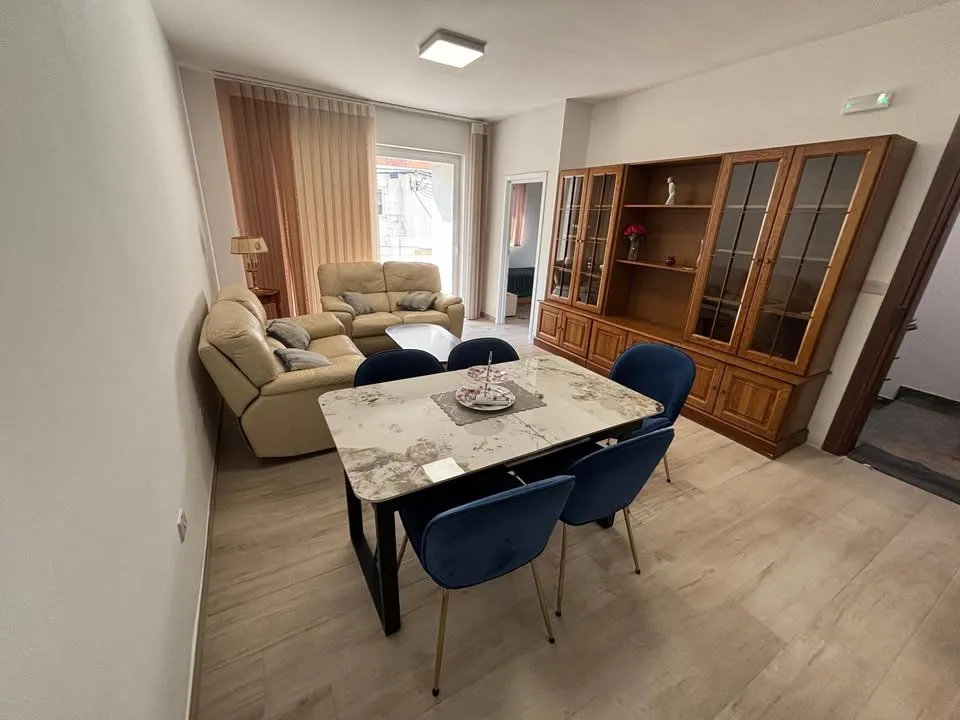
Brand new Property in RABAT
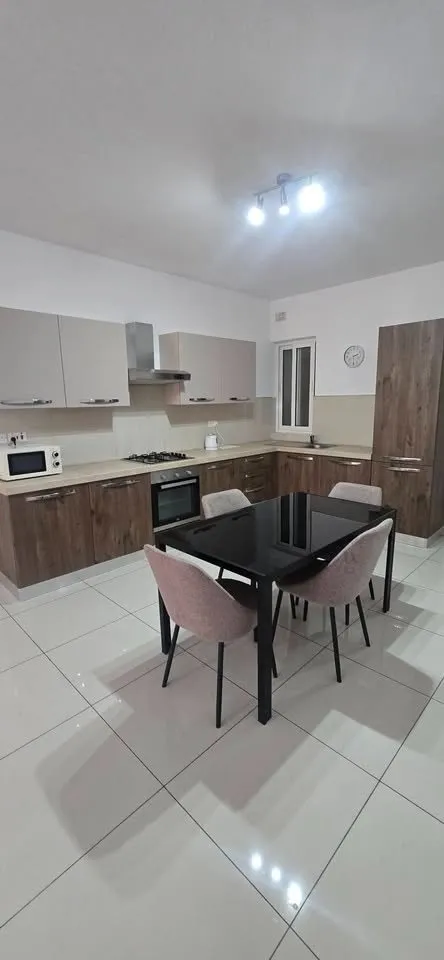
Bahrija Modern Apartment : Bargain!
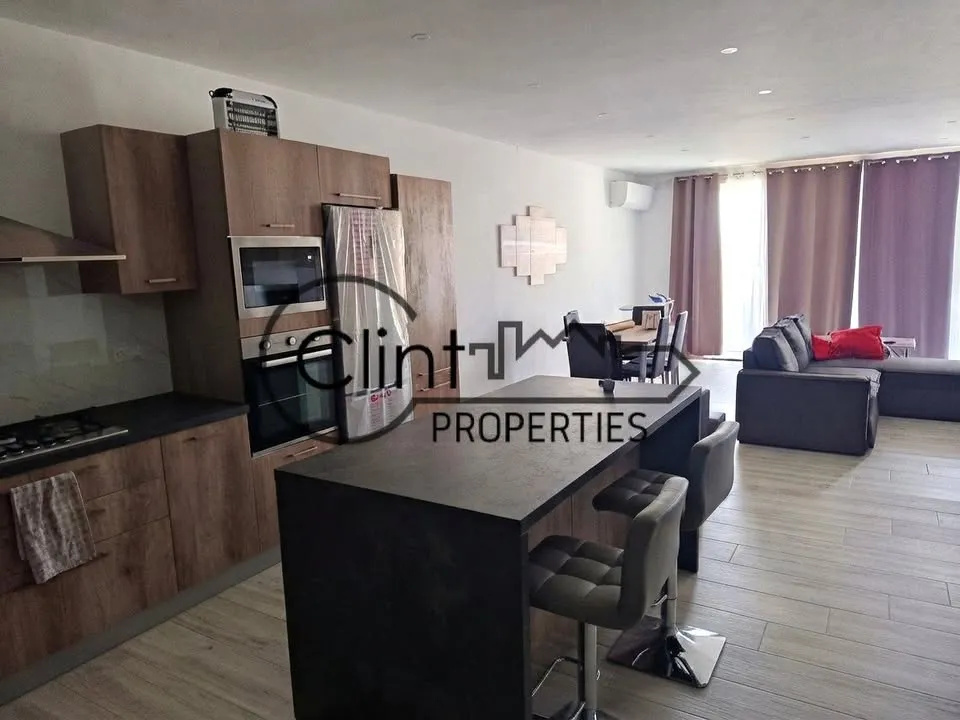
Three Bedroom Apartment in Rabat (Bahrija Area) for Rent