Rabat vs Tal-Ibraġ
Side-by-side comparison of property prices, lifestyle, and practical info to help you choose the right area.
Summary
Living in Rabat
Rabat is Mdina's neighbour — where the Silent City's walls end, Rabat begins. But where Mdina is a museum piece, Rabat is a living town. The name means 'suburb' in Arabic, a reference to its origins as the residential quarter outside the old capital's walls. Today it's one of Malta's most characterful towns, with a mix of historic architecture, traditional village life, and a growing food scene that draws Maltese from across the island. The town is built on top of a network of catacombs — underground burial chambers dating back to Roman times. St. Paul's Catacombs, where the apostle is said to have sheltered after his shipwreck on Malta, are the most famous, but there are several sites open to visitors. Above ground, Rabat's narrow streets hide grand palazzos, wayside chapels, and the Domus Romana, a reconstructed Roman townhouse with some of the finest mosaics in the Mediterranean. Rabat offers a different pace of life from the coastal towns. Property is more affordable, streets are quieter, and there's a genuine village atmosphere that's disappearing from much of Malta. The trade-off is distance — Rabat sits inland, and reaching Sliema or Valletta takes 25–30 minutes by car. For some, that distance is exactly the point.
Highlights
- St. Paul's Catacombs — underground Roman burial chambers
- Adjacent to Mdina's city walls
- Growing restaurant and cafe scene
- More affordable property than coastal Malta
- Authentic Maltese village atmosphere
Living in Tal-Ibraġ
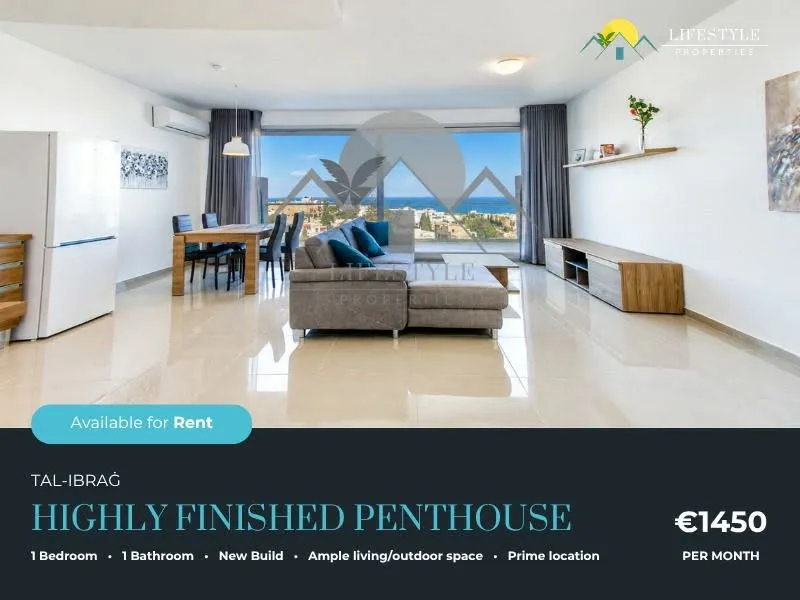
Tal-Ibraġ is a quiet residential pocket within the Swieqi locality, sitting just inland from the coast between St. Julian's and Pembroke. The name means 'the heather' in Maltese, a reference to the wild heather that once grew on the hillsides here before residential development took hold in the latter half of the 20th century. The area is characterised by a mix of traditional Maltese townhouses, modern apartment blocks, and a handful of older vernacular buildings that predate the development boom. It has a genuinely residential feel — no hotels, no tourist shops, no nightlife strip — which makes it popular with locals and long-term expats who want a quiet base within walking distance of everything the central coast has to offer. Tal-Ibraġ benefits from Swieqi's infrastructure: reliable bus connections, proximity to the Sliema ferry, and easy access to the arterial roads that connect to Valletta and the rest of the island. The iGaming offices and co-working spaces of St. Julian's are a short walk or bus ride away, making it a practical choice for professionals working in the sector.
Highlights
- Peaceful residential streets within walking distance of St. Julian's
- Mix of traditional Maltese townhouses and modern apartments
- Part of the affluent Swieqi locality
- Good public transport connections to Valletta and Sliema
- Popular with long-term residents and professionals
Lifestyle Comparison
Which Area Is Right For You?
Choose Rabat
Rabat comes out ahead in dining .
Choose Tal-Ibraġ
Tal-Ibraġ comes out ahead in beaches, nightlife, transport .