Rabat vs Tarxien
Side-by-side comparison of property prices, lifestyle, and practical info to help you choose the right area.
Summary
Rabat is better for culture lovers seeking authentic village atmosphere, while Tarxien wins for budget buyers wanting quick transport links to Valletta and the airport. Rabat scores higher for dining (7/10) and safety (8/10), with property prices 20-30% below coastal areas. Tarxien offers townhouses often under €200,000, making it among the most affordable urban locations in Malta, with a family rating of 7/10 and transport score of 8/10. Rabat sits 25-30 minutes from Sliema by car; Tarxien reaches Valletta in 15 minutes and the airport in just 10 minutes.
Rabat suits families and culture lovers drawn to Roman catacombs, medieval architecture, and a growing food scene centred on traditional establishments like Is-Serkin. The inland location means beaches require a 15-20 minute drive and nightlife is limited (3/10). Tarxien appeals to budget-conscious families who prioritise connectivity over amenities — bus routes 2, 3, 4, and 6 run frequently to Valletta, and the town sits adjacent to the Three Cities and southern Malta.
Neither area suits beach-seekers or nightlife enthusiasts. Rabat provides a quieter, more historic environment with better dining options (7/10 versus 4/10). Tarxien delivers stronger transport infrastructure and lower entry prices but suffers from poor air quality in summer and minimal expat presence. Both require commuting for employment and coastal leisure.
Living in Rabat
Rabat is Mdina's neighbour — where the Silent City's walls end, Rabat begins. But where Mdina is a museum piece, Rabat is a living town. The name means 'suburb' in Arabic, a reference to its origins as the residential quarter outside the old capital's walls. Today it's one of Malta's most characterful towns, with a mix of historic architecture, traditional village life, and a growing food scene that draws Maltese from across the island. The town is built on top of a network of catacombs — underground burial chambers dating back to Roman times. St. Paul's Catacombs, where the apostle is said to have sheltered after his shipwreck on Malta, are the most famous, but there are several sites open to visitors. Above ground, Rabat's narrow streets hide grand palazzos, wayside chapels, and the Domus Romana, a reconstructed Roman townhouse with some of the finest mosaics in the Mediterranean. Rabat offers a different pace of life from the coastal towns. Property is more affordable, streets are quieter, and there's a genuine village atmosphere that's disappearing from much of Malta. The trade-off is distance — Rabat sits inland, and reaching Sliema or Valletta takes 25–30 minutes by car. For some, that distance is exactly the point.
Highlights
- St. Paul's Catacombs — underground Roman burial chambers
- Adjacent to Mdina's city walls
- Growing restaurant and cafe scene
- More affordable property than coastal Malta
- Authentic Maltese village atmosphere
Living in Tarxien
Tarxien is a small town in Malta's south that punches well above its weight in historical significance. The Tarxien Temples — a UNESCO World Heritage Site sitting in the middle of a residential neighbourhood — are among the oldest freestanding stone structures on Earth, predating the Egyptian pyramids by over a thousand years. The temples feature intricate stone carvings of animals and spiral patterns that have become symbols of Malta's ancient heritage. The town itself is a typical southern Maltese residential area — modest townhouses, apartment blocks, and a parish church dedicated to the Annunciation. The Hypogeum of Hal Saflieni, an underground necropolis carved from solid rock around 3000 BC, sits just outside Tarxien's boundary and is one of the most extraordinary archaeological sites in the world. Tickets to visit it sell out months in advance. Property in Tarxien is among the most affordable in urban Malta. It's a no-frills residential area with good connections to Paola, the Three Cities, and Valletta. The appeal is purely practical — low prices, decent location, daily amenities on the doorstep. The ancient temples in the back garden are a bonus.
Highlights
- Tarxien Temples — older than the Egyptian pyramids
- Hal Saflieni Hypogeum nearby — underground ancient necropolis
- Among the most affordable property in urban Malta
- Good connections to Paola and the Three Cities
- Authentic southern Maltese residential life
Lifestyle Comparison
Which Area Is Right For You?
Choose Rabat
Rabat comes out ahead in dining, family, safety, nightlife .
Choose Tarxien
Tarxien comes out ahead in beaches, transport .
Frequently Asked Questions
Available Properties
Rabat (9 listings)
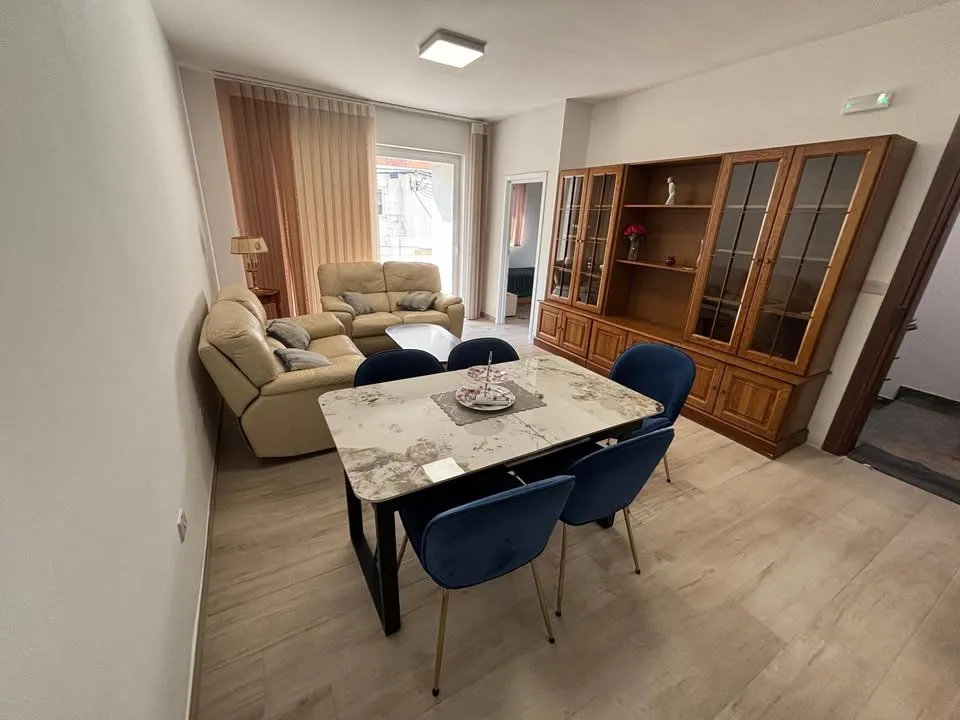
Brand new Property in RABAT
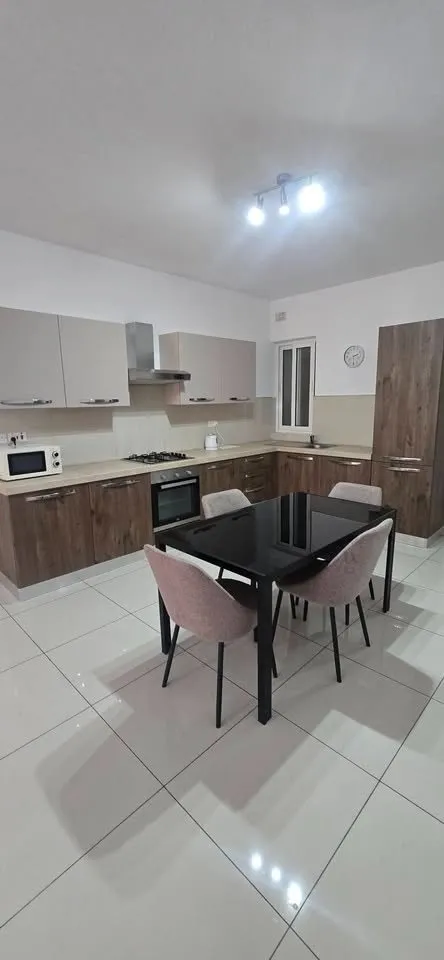
Bahrija Modern Apartment : Bargain!
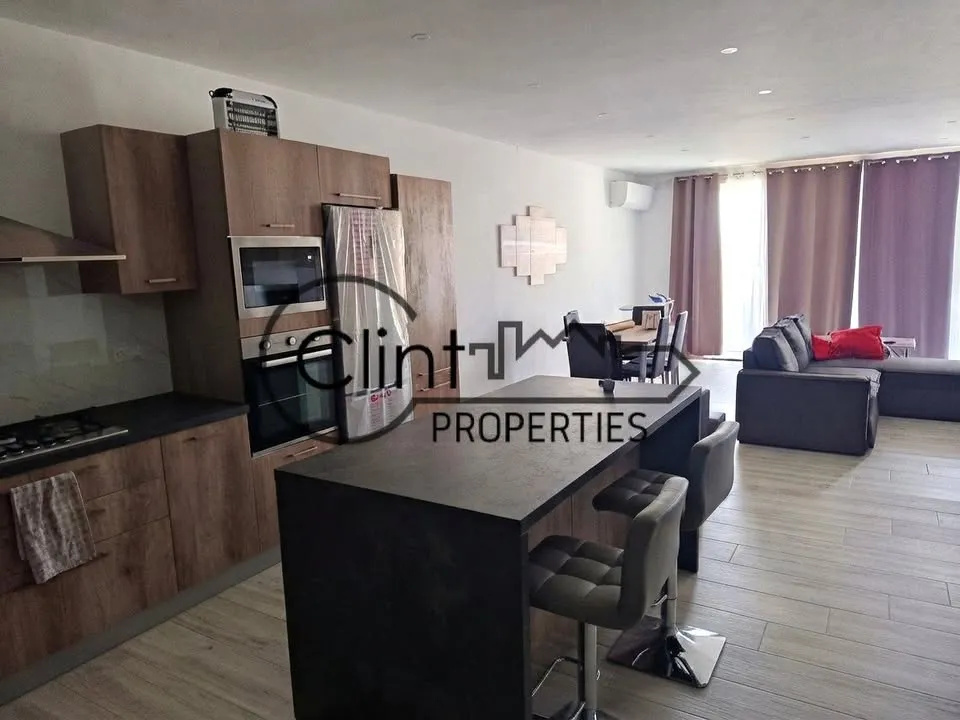
Three Bedroom Apartment in Rabat (Bahrija Area) for Rent