Senglea vs Zebbug
Side-by-side comparison of property prices, lifestyle, and practical info to help you choose the right area.
Summary
Senglea scores 9/10 for safety and 7/10 for family-friendliness, with a population of just 2,800 on a tiny fortified peninsula. Properties often need restoration, but heritage townhouses cost far less than Sliema or Valletta equivalents. The Valletta ferry runs from nearby Cospicua in 5 minutes, and the airport is 20 minutes by car. Parking is extremely difficult, and amenities within Senglea are limited.
Zebbug homes 12,100 residents on a historic hilltop, scoring 8/10 for both family life and safety. Property prices are affordable compared to coastal areas, with full amenities including schools and medical services. A car is essential despite bus routes 61 and 62 serving the town from Valletta. The airport is 15 minutes away by car, but commuting to Sliema or St. Julian's means navigating central Malta traffic. Zebbug sits strategically near Dingli Cliffs, Mdina, and Rabat.
Living in Senglea
Senglea — or L-Isla in Maltese — is the smallest of the Three Cities, a thin peninsula jutting into the Grand Harbour with water on three sides and history in every stone. The town was built by Grand Master Claude de la Sengle in the 1550s as a fortified residential quarter, and it played a critical role in the Great Siege, suffering heavy bombardment but never falling. The town is compact enough to walk end to end in ten minutes. The Gardjola Gardens at the tip offer what many consider the best view in Malta — a panoramic sweep across the Grand Harbour to Valletta, with cruise ships and fishing boats passing below. The watchtower at the garden's edge has a carved eye and ear, symbolising eternal vigilance over the harbour entrance. Senglea is one of the last places in Malta where you can buy a genuinely historic property at accessible prices. Townhouses with original Maltese tiles, stone arches, and rooftop terraces with harbour views are still available, though they increasingly need restoration. The community is tight-knit and proudly local — this is not a tourist town, it's a neighbourhood that happens to sit inside a 500-year-old fortress.
Highlights
- Gardjola Gardens — panoramic Grand Harbour viewpoint
- Smallest of the Three Cities, walkable end to end
- Heritage townhouses at accessible prices
- Water on three sides — constant harbour views
- Tight-knit local community
Living in Zebbug
Haz-Zebbug is one of Malta's largest inland towns — a substantial hilltop community on the western side of the island with a history stretching back to Phoenician times. The name means 'olives' in Maltese, and the town was once surrounded by olive groves that produced oil exported across the Mediterranean. A Phoenician tomb discovered in the town centre contained gold jewellery now displayed in the Valletta museum. The town centre is built around a large square with an impressive parish church dedicated to St. Philip. The church contains works by Mattia Preti and other notable Maltese artists, reflecting the town's historical wealth from olive oil and cotton production. The surrounding streets have a mix of traditional townhouses and modern developments, though Zebbug retains a stronger village character than its size would suggest. Property in Zebbug is affordable and practical. The hilltop position offers views and cooler breezes, and the town has full amenities including schools, shops, and medical services. It's a 20-minute drive to Valletta, and the western position gives easy access to Rabat, Mdina, and Dingli.
Highlights
- Phoenician gold jewellery discovered in town-centre tomb
- One of Malta's largest inland towns
- Parish church with works by Mattia Preti
- Hilltop position with views and breezes
- Affordable property with full amenities
Lifestyle Comparison
Which Area Is Right For You?
Choose Senglea
Senglea comes out ahead in safety .
Choose Zebbug
Zebbug comes out ahead in dining, family, beaches, nightlife .
Frequently Asked Questions
Available Properties
Senglea (1 listings)
View all Senglea properties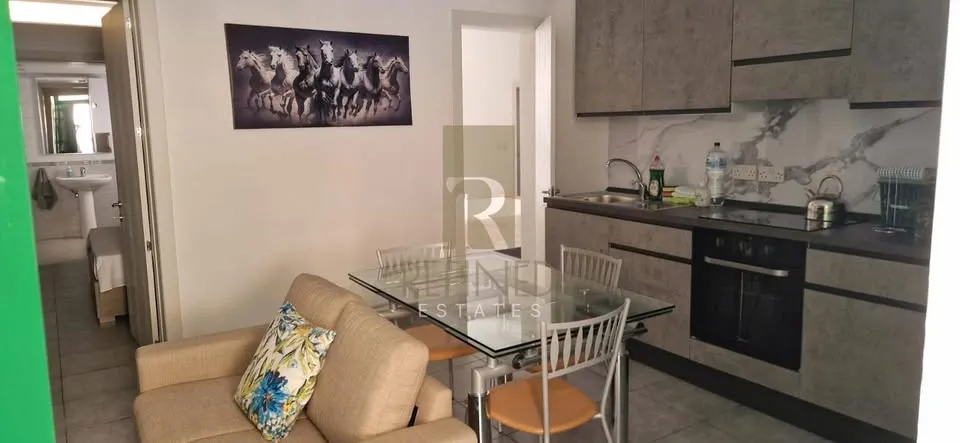
Zebbug (13 listings)
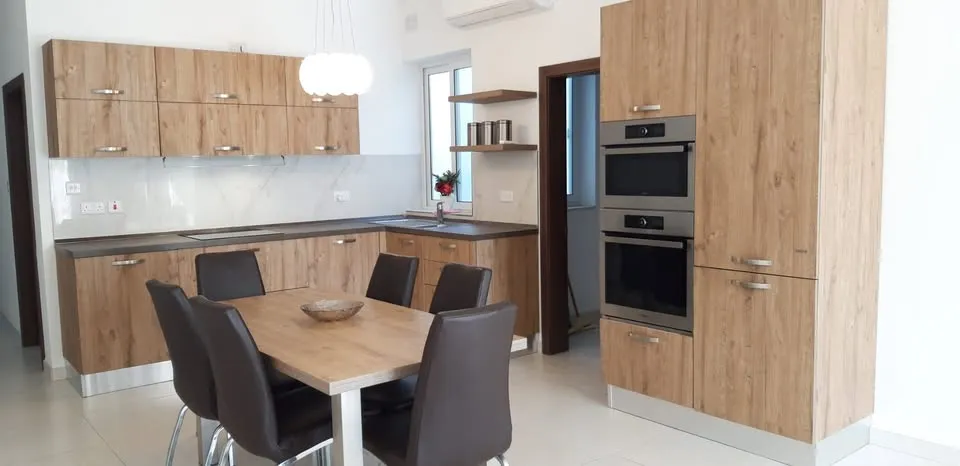
Modern 3 bedrooms & 2 bathrooms apartment
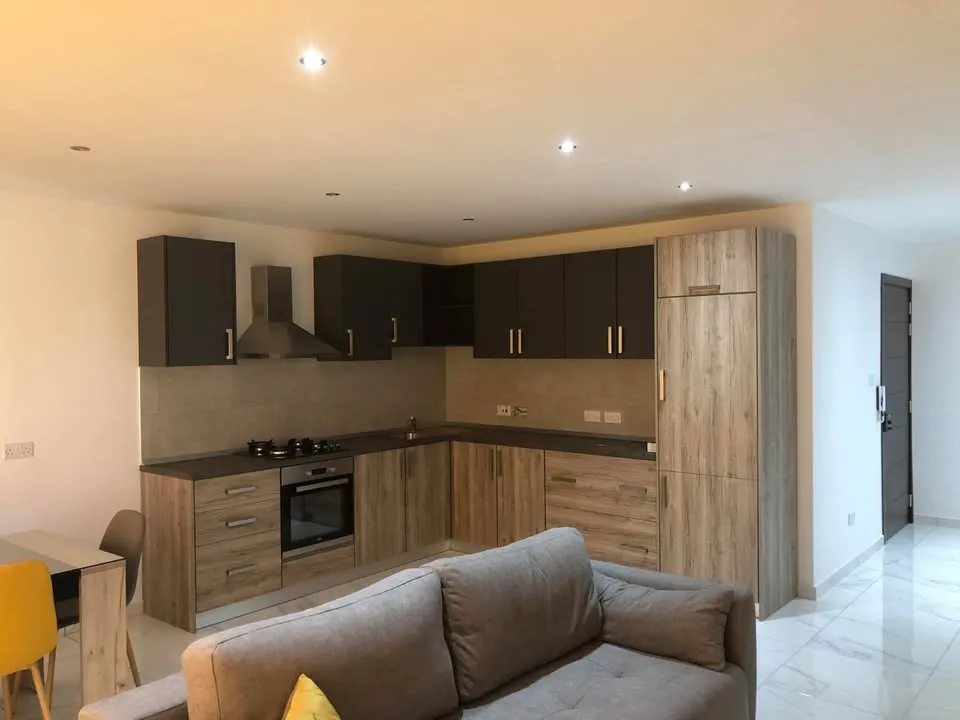
Modern and spacious 3 bedroom apartment in Żebbuġ
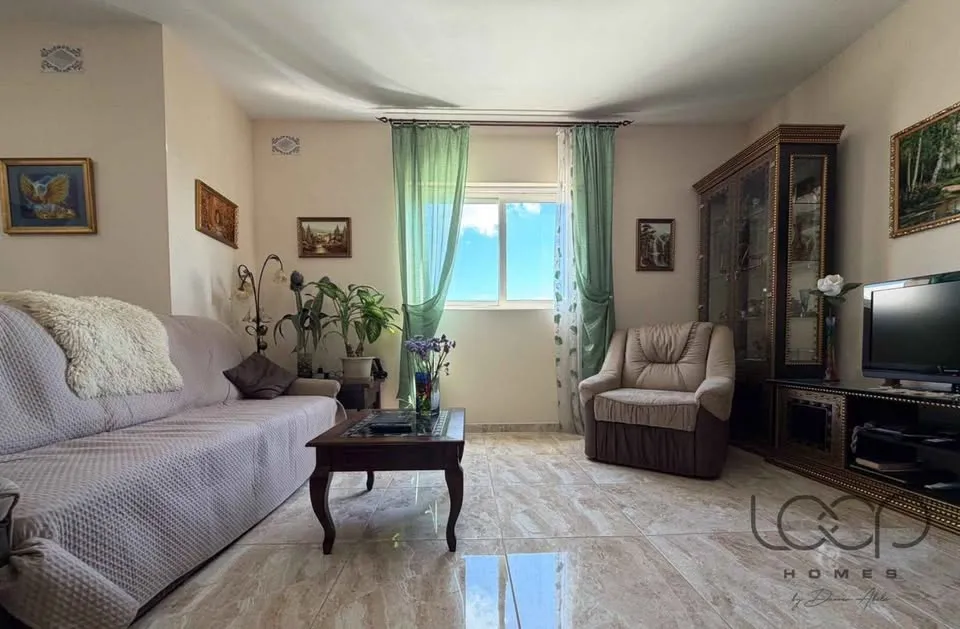
Cosy 2 Bedroom Apartment in Zebbug