Sliema vs Zebbug
Side-by-side comparison of property prices, lifestyle, and practical info to help you choose the right area.
Summary
Living in Sliema
Sliema is Malta's premier waterfront district, a vibrant stretch of coastline where modern apartment towers meet historic townhouses along a sweeping seafront promenade. Once a quiet fishing village favoured by Valletta's upper class as a summer retreat, Sliema transformed in the 20th century into the island's commercial and residential hub. The Strand and Tower Road form the backbone of daily life here, lined with cafes, restaurants, and retail chains that draw both locals and tourists year-round. The area is defined by its rocky beaches and swimming spots — no sand, but plenty of lidos and concrete platforms where residents take their morning dip with views across to Valletta's Grand Harbour. The Ferries terminal connects Sliema to the capital in under ten minutes by boat, making it one of the best-connected spots on the island. Tigne Point and The Point Shopping Mall anchor the northern end, while the quieter Exiles and Qui-Si-Sana areas offer respite from the commercial buzz. Sliema is the default choice for expats relocating to Malta, particularly those working in the gaming, finance, and tech sectors. The property market here is the most active on the island, with a high turnover of rental apartments and a steady pipeline of new developments. Parking is notoriously difficult and traffic congestion is a daily reality, but most residents find that walkability and proximity to everything compensate.
Highlights
- Seafront promenade stretching 3km along the coast
- 10-minute ferry to Valletta
- The Point — Malta's largest shopping mall
- Rocky beaches and swimming lidos
- Highest concentration of modern apartments on the island
Living in Zebbug
Haz-Zebbug is one of Malta's largest inland towns — a substantial hilltop community on the western side of the island with a history stretching back to Phoenician times. The name means 'olives' in Maltese, and the town was once surrounded by olive groves that produced oil exported across the Mediterranean. A Phoenician tomb discovered in the town centre contained gold jewellery now displayed in the Valletta museum. The town centre is built around a large square with an impressive parish church dedicated to St. Philip. The church contains works by Mattia Preti and other notable Maltese artists, reflecting the town's historical wealth from olive oil and cotton production. The surrounding streets have a mix of traditional townhouses and modern developments, though Zebbug retains a stronger village character than its size would suggest. Property in Zebbug is affordable and practical. The hilltop position offers views and cooler breezes, and the town has full amenities including schools, shops, and medical services. It's a 20-minute drive to Valletta, and the western position gives easy access to Rabat, Mdina, and Dingli.
Highlights
- Phoenician gold jewellery discovered in town-centre tomb
- One of Malta's largest inland towns
- Parish church with works by Mattia Preti
- Hilltop position with views and breezes
- Affordable property with full amenities
Lifestyle Comparison
Which Area Is Right For You?
Choose Sliema
Sliema comes out ahead in dining, beaches, nightlife, transport .
Choose Zebbug
Zebbug comes out ahead in family, safety .
Frequently Asked Questions
Available Properties
Sliema (100 listings)
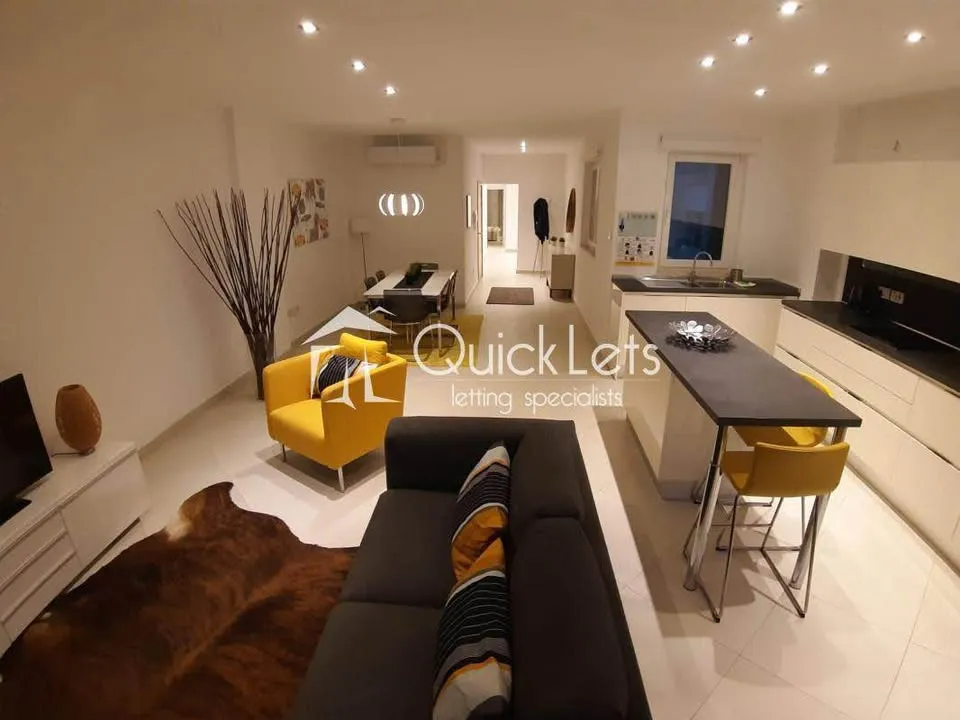
Apartment in Sliema
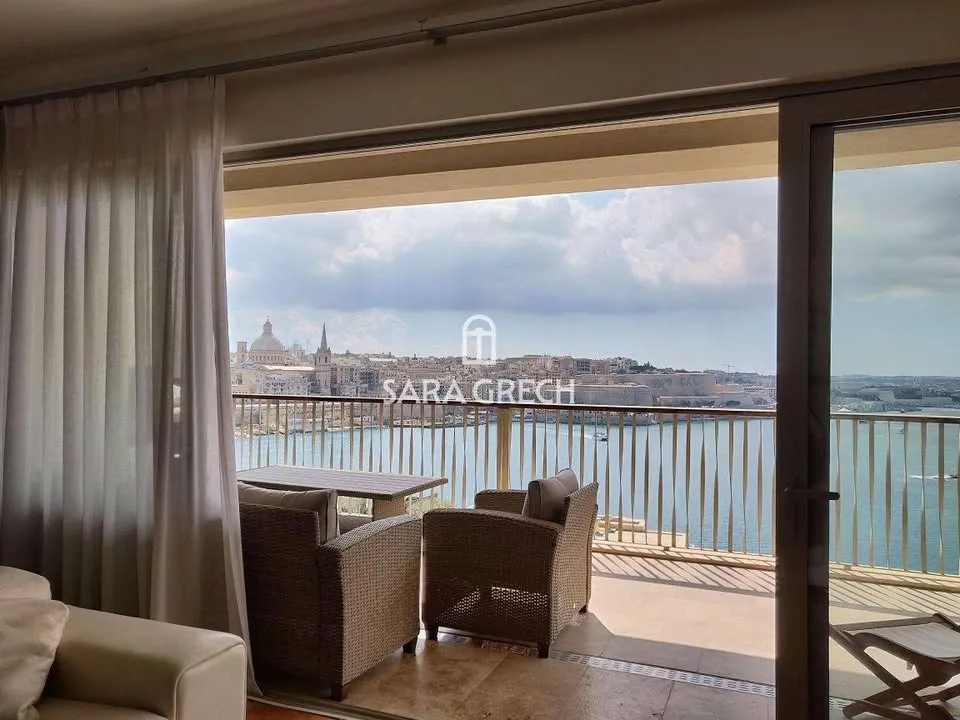
Apartment in Sliema, Reġjun tal-Lvant
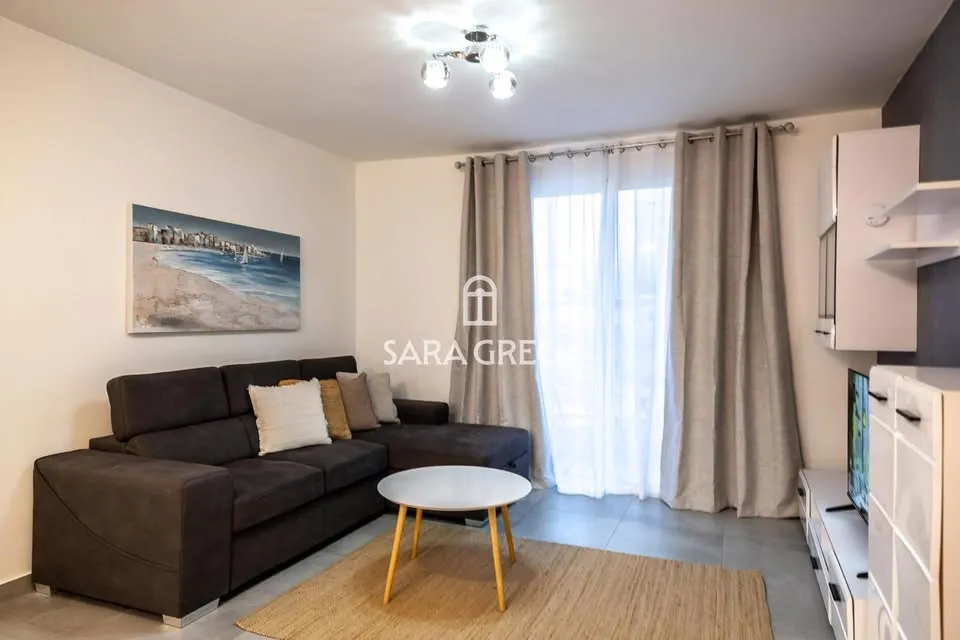
Apartment for rent in Sliema
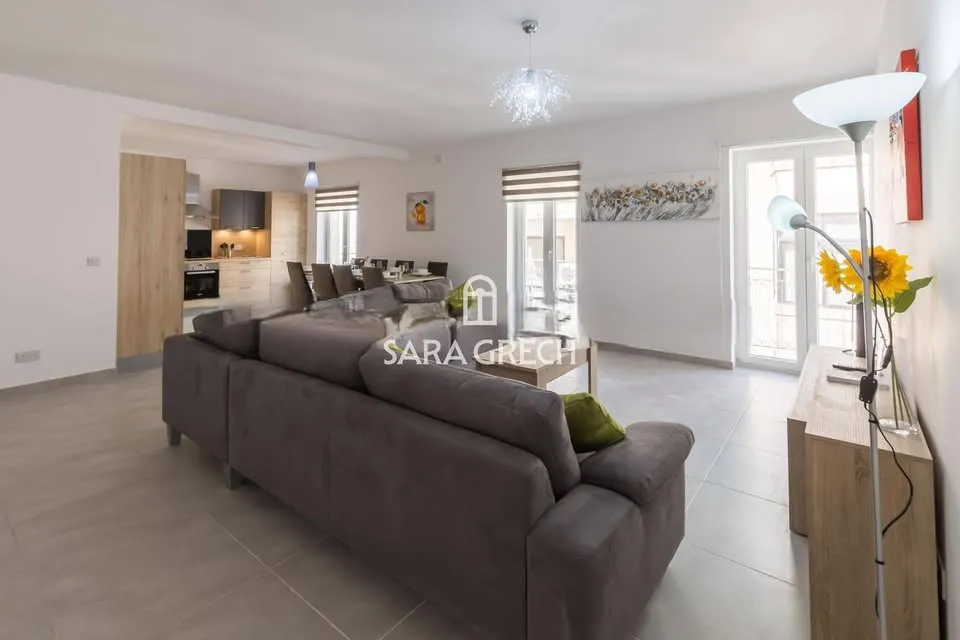
Sliema, Reġjun tal-Lvant
Zebbug (10 listings)
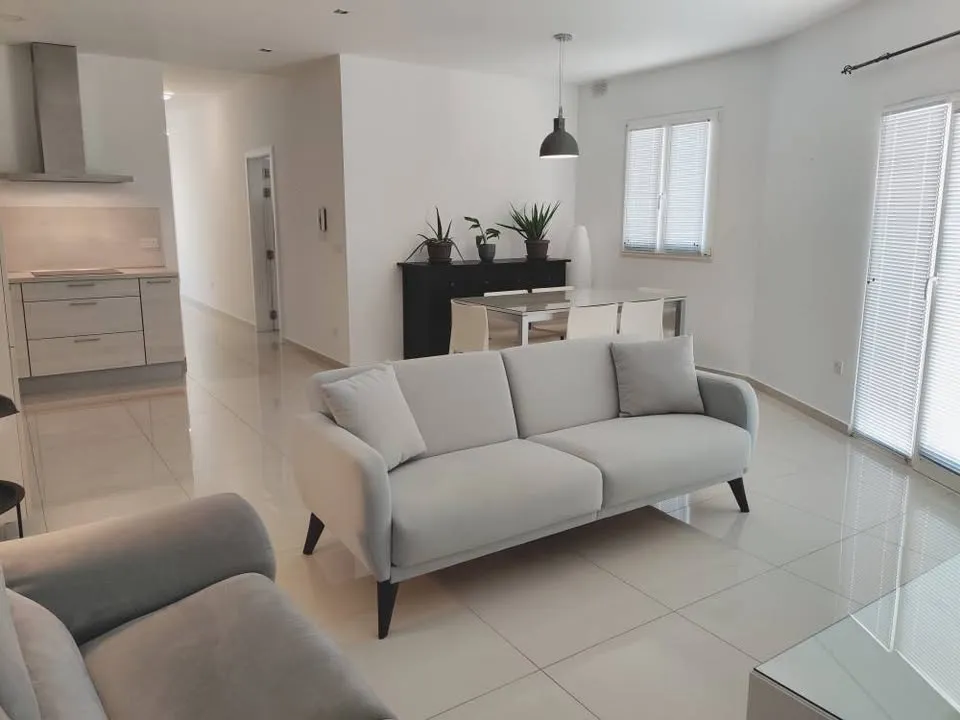
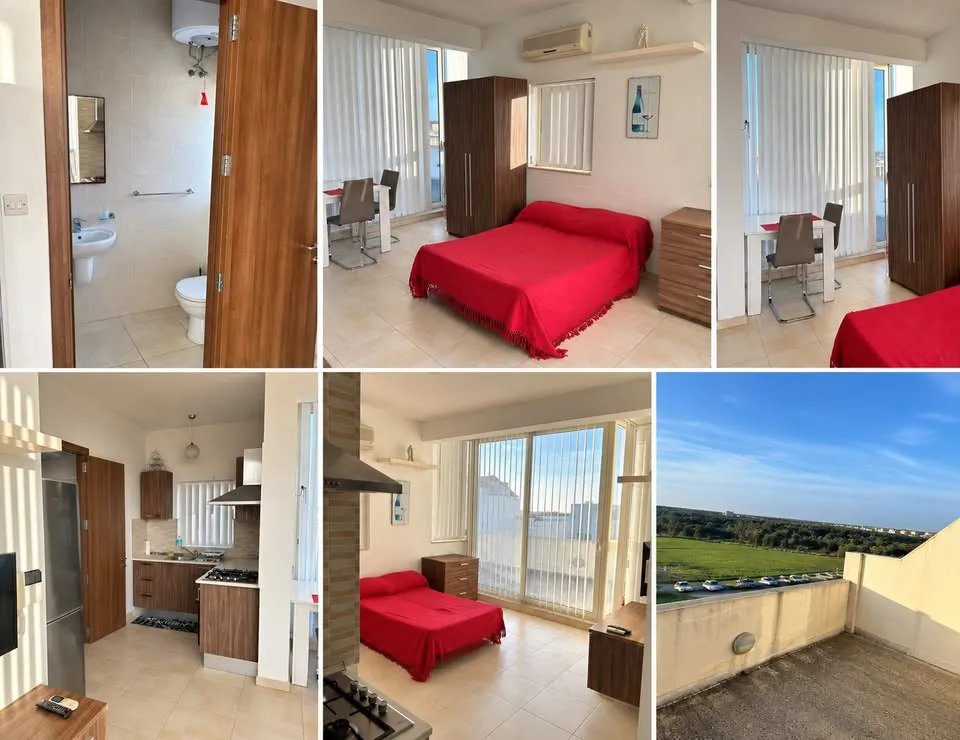
VERY RARELY ON THE MARKET ZEBBUG
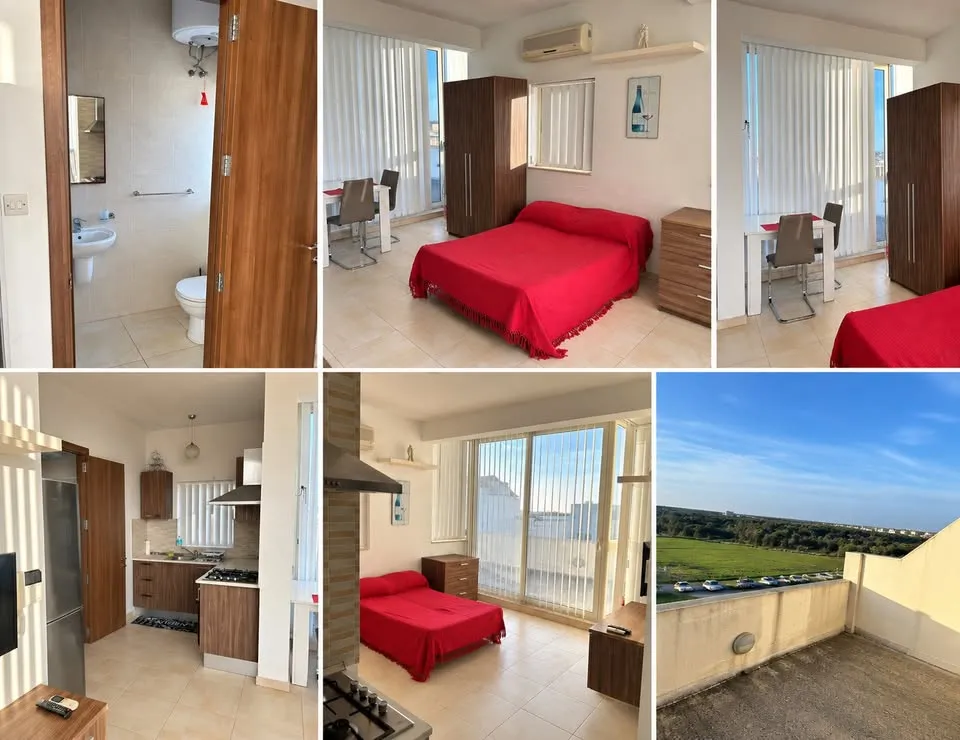
ŻEBBUĠ | Studio Penthouse with Countryside Views
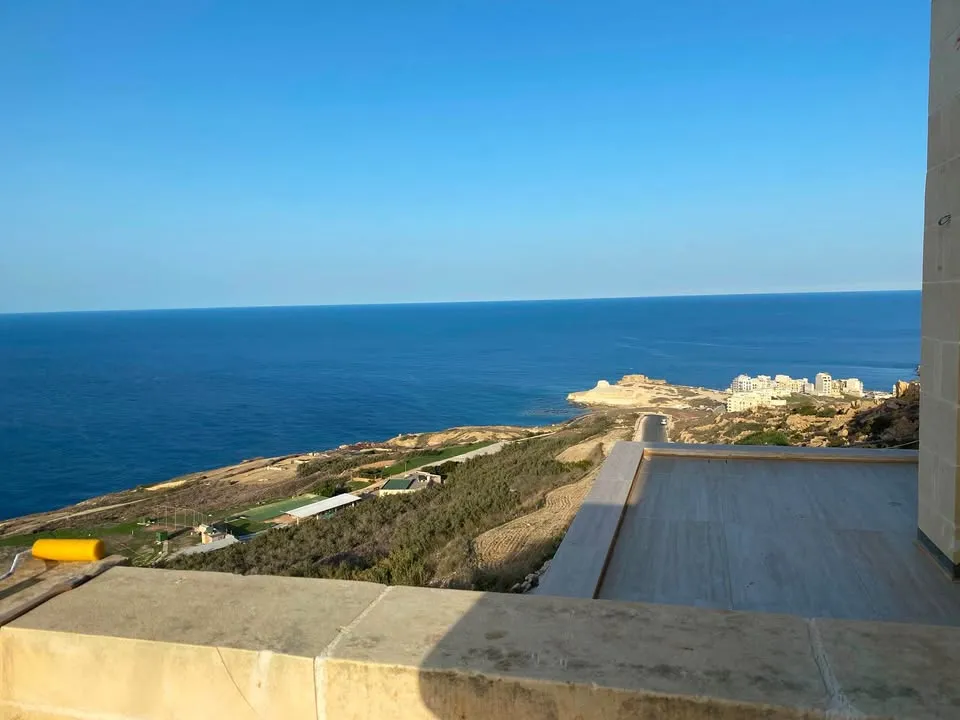
ŻEBBUĠ, GOZO – CLIFF-EDGE APARTMENT