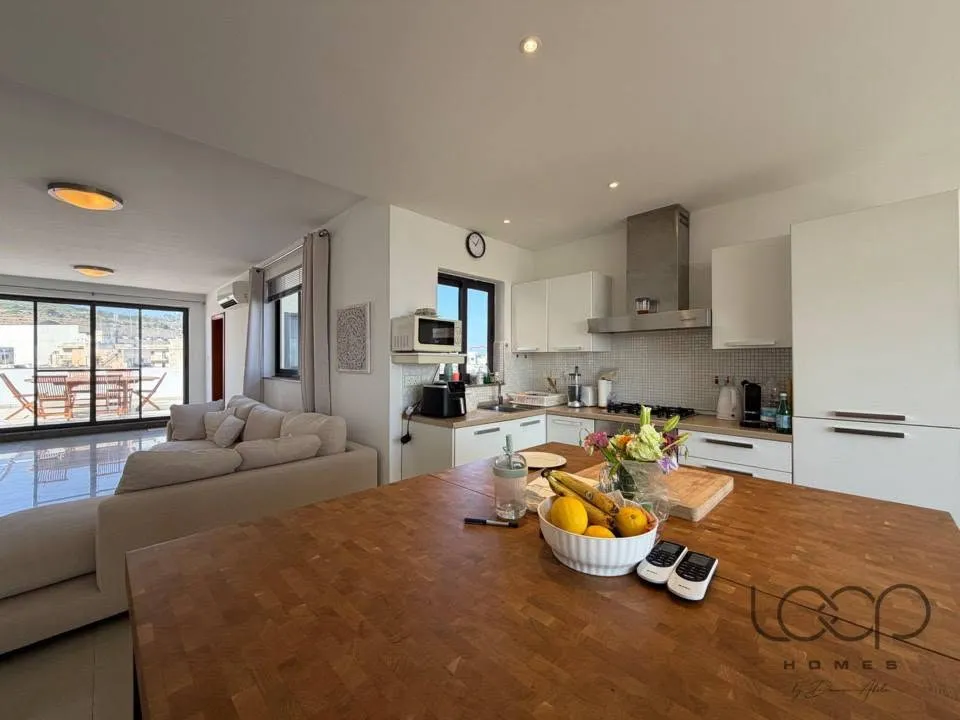
St. Julian's vs St. Paul's Bay
Side-by-side comparison of property prices, lifestyle, and practical info to help you choose the right area.
Summary
Lively coastal entertainment hub
Expansive northern coastal community
Living in St. Julian's
St. Julian's is where Malta goes to play. By day it's a pleasant coastal town spread around Spinola Bay — one of the most photographed fishing boat harbours on the island — and Balluta Bay with its grand art nouveau houses. By night it becomes Paceville, the island's densest concentration of bars, clubs, casinos, and restaurants, drawing revellers from across Malta until the early hours. The town has a split personality that works in its favour. The Paceville side is loud, youthful, and commercial, home to international hotel chains and the Dragonara Casino. The Spinola and Balluta side is refined, with upscale restaurants housed in converted townhouses and a promenade that connects westward to Sliema. Portomaso, with its signature tower and marina, sits between the two — a luxury residential and commercial complex that symbolises the area's premium positioning. St. Julian's is the heart of Malta's iGaming and tech industries. Office buildings cluster around the Mriehel area and along the coast, making it the most convenient base for professionals working in these sectors. Property here commands some of the highest rents on the island, particularly in developments with sea views.
Highlights
- Spinola Bay — iconic fishing boat harbour lined with restaurants
- Paceville — Malta's nightlife district with dozens of bars and clubs
- Portomaso Marina and luxury tower
- Heart of Malta's iGaming industry
- Balluta Bay with its art nouveau buildings
Living in St. Paul's Bay
St. Paul's Bay is Malta's largest northern coastal town — a sprawling stretch of shoreline that encompasses the old fishing village of Xemxija, the tourist strips of Bugibba and Qawra, and the residential community of Burmarrad inland. According to the Bible, St. Paul was shipwrecked here in AD 60, an event that brought Christianity to Malta and gave the area its name. The town has grown explosively over the past two decades, transforming from a quiet seasonal resort into a year-round community of over 25,000 residents. Retired British expats, Maltese families priced out of the central coast, and a growing number of foreign workers have all settled here, drawn by coastal living at more manageable prices than Sliema or St. Julian's. The waterfront is the town's main asset — a long promenade connecting the old fisherman's quay to Bugibba's square to Qawra's rocky beaches. The Malta National Aquarium sits at the Bugibba end, and the Xemxija Heritage Walk traces ancient cart ruts and Roman roads into the hills. Properties range from modern seafront apartments to older terraced houses inland, with prices significantly below the central coast.
Highlights
- Malta's largest coastal town by population
- Biblical shipwreck site of St. Paul
- Malta National Aquarium at Bugibba
- Rocky beaches and coastal promenade
- More affordable than the central coast
Lifestyle Comparison
Which Area Is Right For You?
Choose St. Julian's
St. Julian's comes out ahead in dining, nightlife .
Choose St. Paul's Bay
St. Paul's Bay comes out ahead in family, safety, beaches .
Frequently Asked Questions
Available Properties
St. Julian's (68 listings)
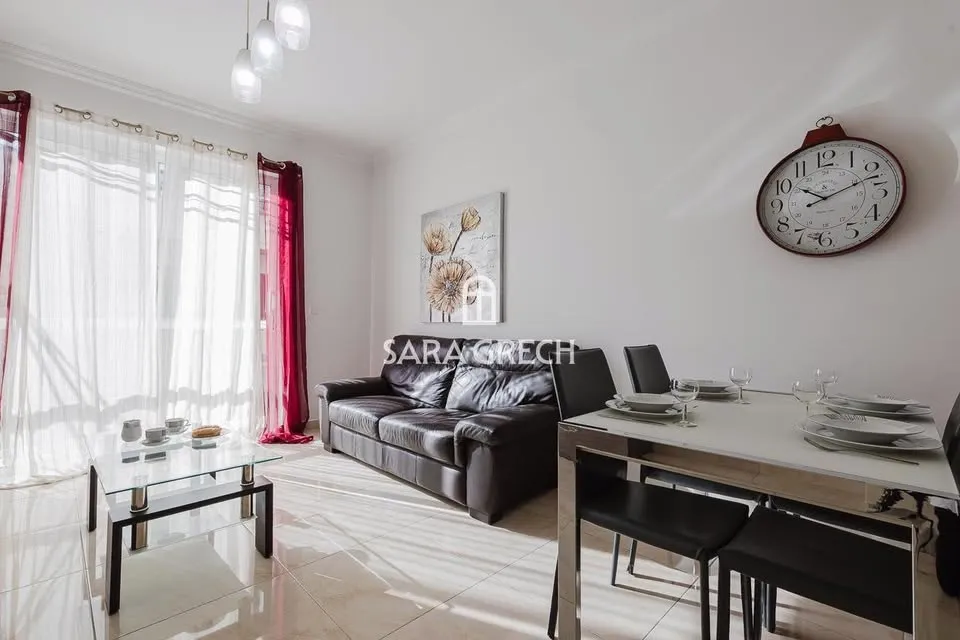
Apartment for rent in San Ġiljan
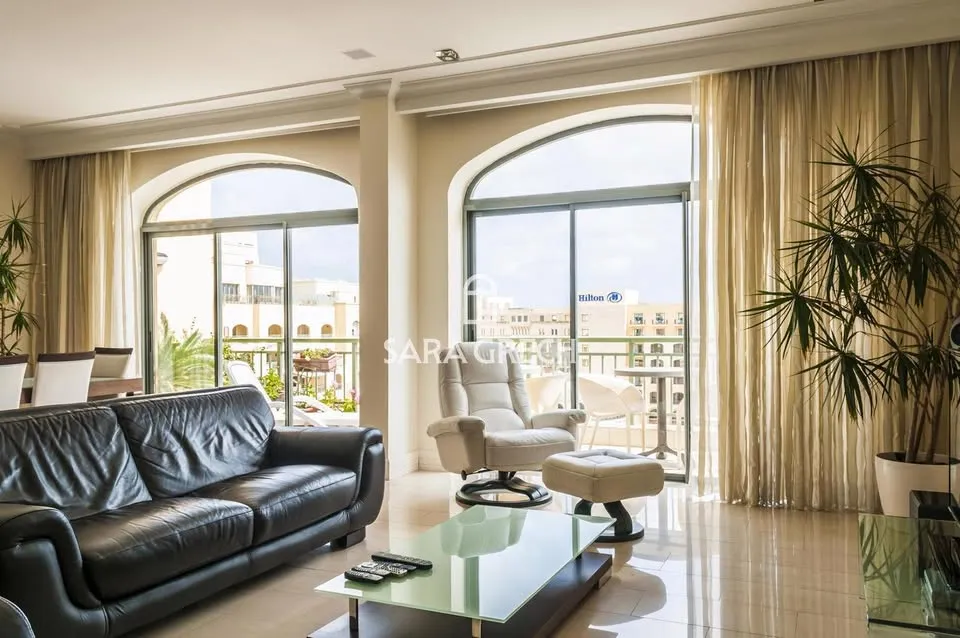
Apartment in San Ġiljan
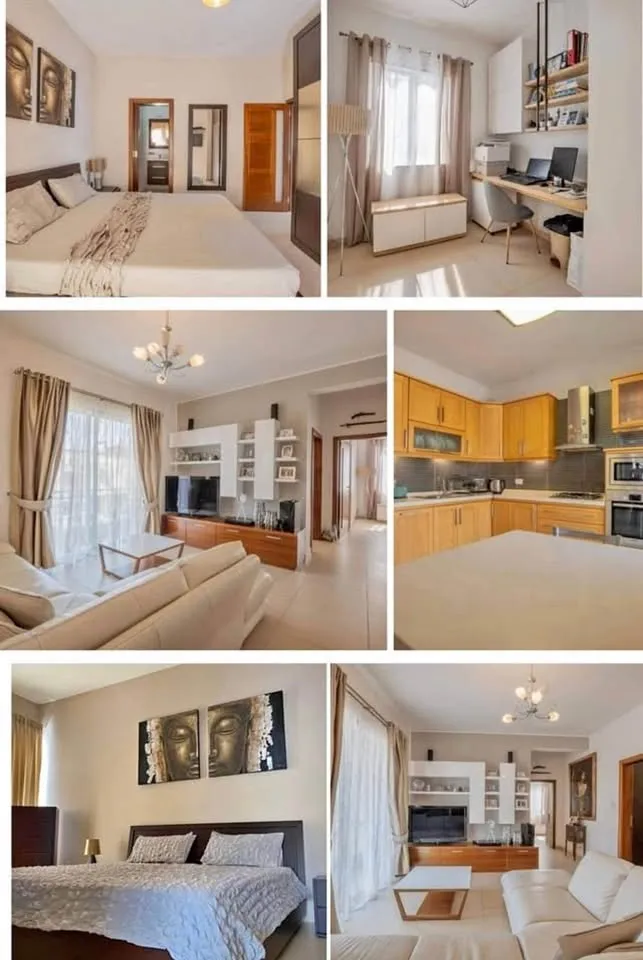
SPACIOUS 2-BEDROOM APARTMENT | ST. JULIAN’S | DIRECT FROM OWNER
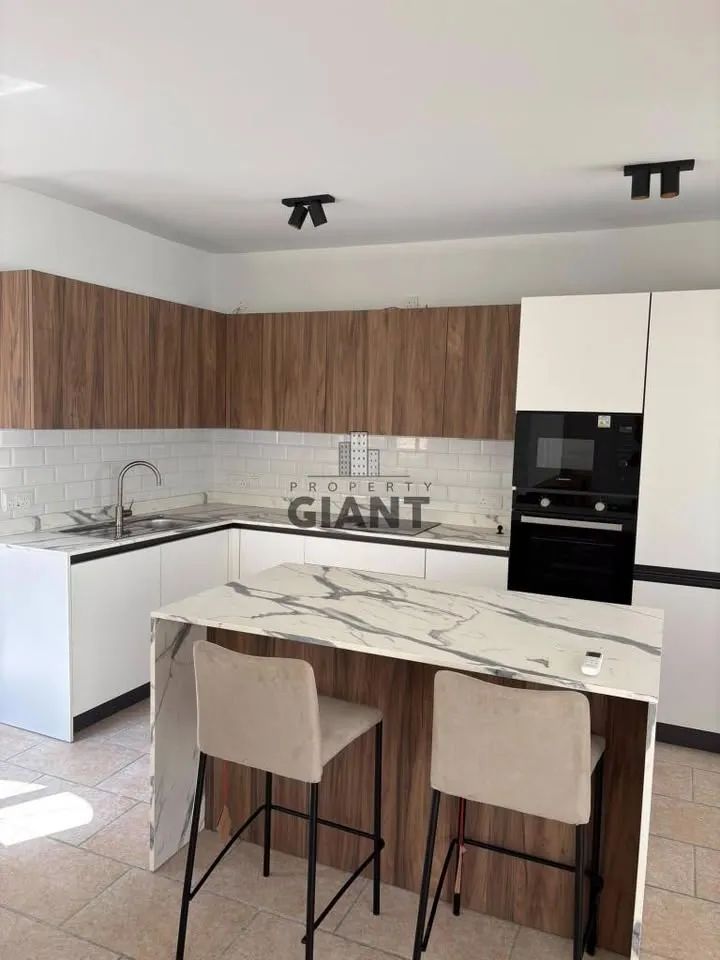
3 Bedroom Penthouse in St Julians
St. Paul's Bay (51 listings)
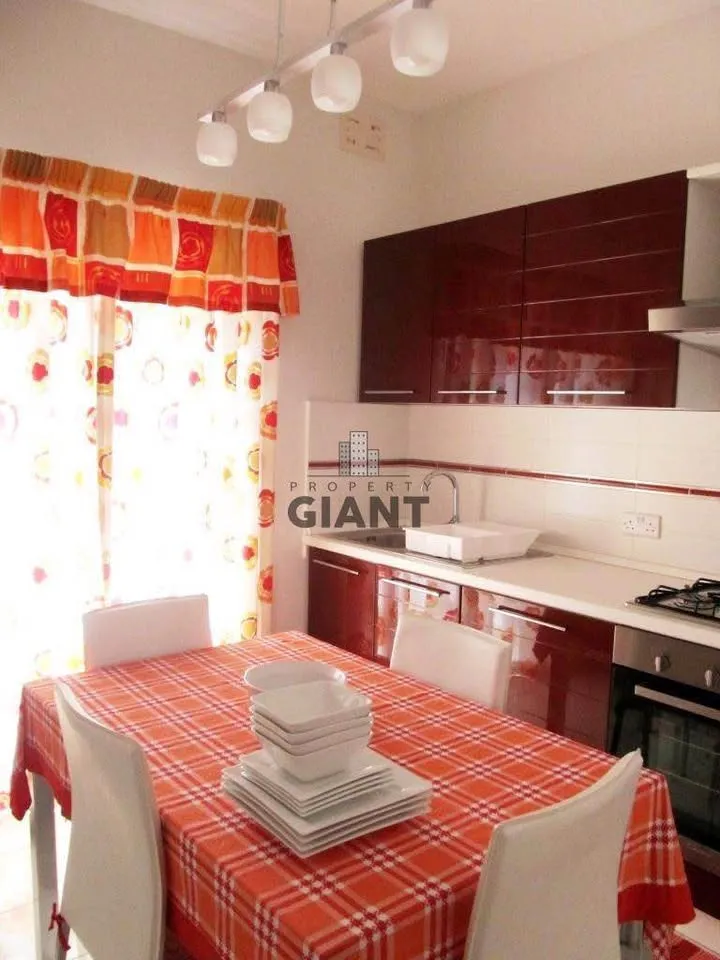
1 Bedroom Apartment in St. Paul's Bay
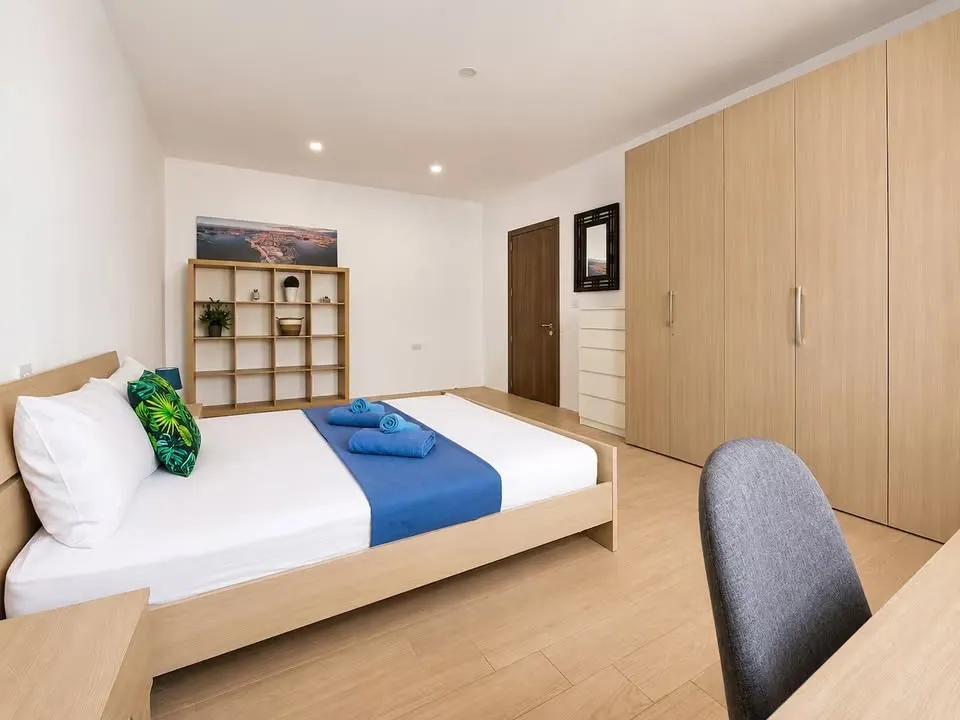
Bedroom with private bathroom in shared apartment
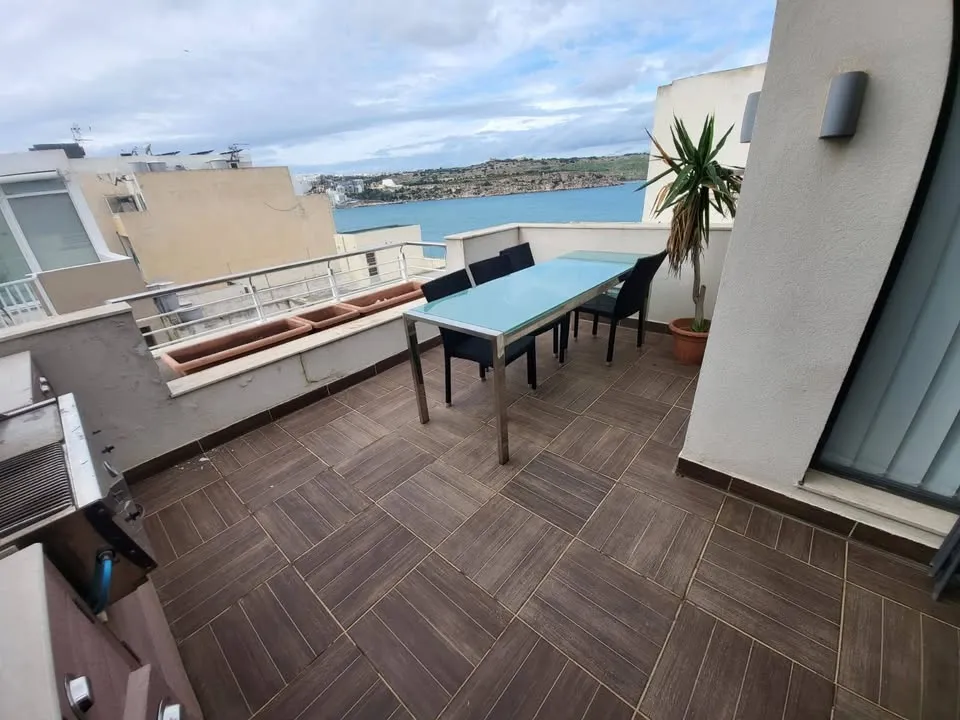
Duplex Penthouse in San Pawl il-Baħar