St. Paul's Bay vs Zabbar
Side-by-side comparison of property prices, lifestyle, and practical info to help you choose the right area.
Summary
Expansive northern coastal community
Traditional residential town with deep festa culture
Living in St. Paul's Bay
St. Paul's Bay is Malta's largest northern coastal town — a sprawling stretch of shoreline that encompasses the old fishing village of Xemxija, the tourist strips of Bugibba and Qawra, and the residential community of Burmarrad inland. According to the Bible, St. Paul was shipwrecked here in AD 60, an event that brought Christianity to Malta and gave the area its name. The town has grown explosively over the past two decades, transforming from a quiet seasonal resort into a year-round community of over 25,000 residents. Retired British expats, Maltese families priced out of the central coast, and a growing number of foreign workers have all settled here, drawn by coastal living at more manageable prices than Sliema or St. Julian's. The waterfront is the town's main asset — a long promenade connecting the old fisherman's quay to Bugibba's square to Qawra's rocky beaches. The Malta National Aquarium sits at the Bugibba end, and the Xemxija Heritage Walk traces ancient cart ruts and Roman roads into the hills. Properties range from modern seafront apartments to older terraced houses inland, with prices significantly below the central coast.
Highlights
- Malta's largest coastal town by population
- Biblical shipwreck site of St. Paul
- Malta National Aquarium at Bugibba
- Rocky beaches and coastal promenade
- More affordable than the central coast
Living in Zabbar
Zabbar is one of Malta's largest inland towns — a sprawling residential community southeast of the Grand Harbour area with a strong working-class identity and a devotion to its patron saint that borders on the legendary. The town was granted the title Città Hompesch by Grand Master Ferdinand von Hompesch in 1797, just before Napoleon expelled the Knights in 1798. The town centre is built around a large parish church dedicated to Our Lady of Graces, which holds a remarkable collection of ex-voto paintings — offerings from sailors and soldiers who survived shipwrecks and battles, each depicting the incident that nearly killed them. The collection is one of the largest of its kind in the Mediterranean and worth a visit regardless of religious inclination. Zabbar is a practical, affordable base. Property prices are among the lowest in the urbanised part of Malta, and the town has all daily amenities — schools, shops, medical services. It's not a destination town — tourists rarely visit — but for residents it offers authentic Maltese life without the premium of coastal locations. The drive to Valletta takes about 15 minutes, and Marsaskala's beaches are ten minutes south.
Highlights
- One of Malta's largest towns by population
- Extraordinary collection of ex-voto paintings in the parish church
- Among the most affordable property in urban Malta
- Strong community and traditional Maltese life
- 10 minutes from Marsaskala beaches
Lifestyle Comparison
Which Area Is Right For You?
Choose St. Paul's Bay
St. Paul's Bay comes out ahead in dining, safety, nightlife, transport .
Choose Zabbar
Zabbar comes out ahead in family .
Frequently Asked Questions
Available Properties
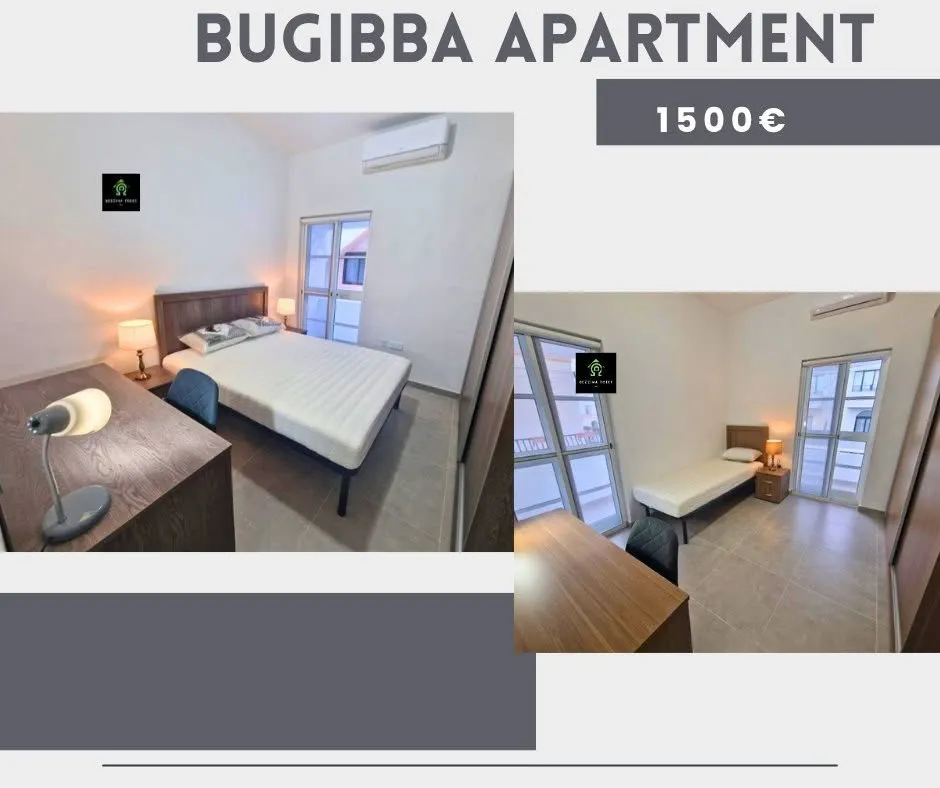
St. Paul's Bay (39 listings)
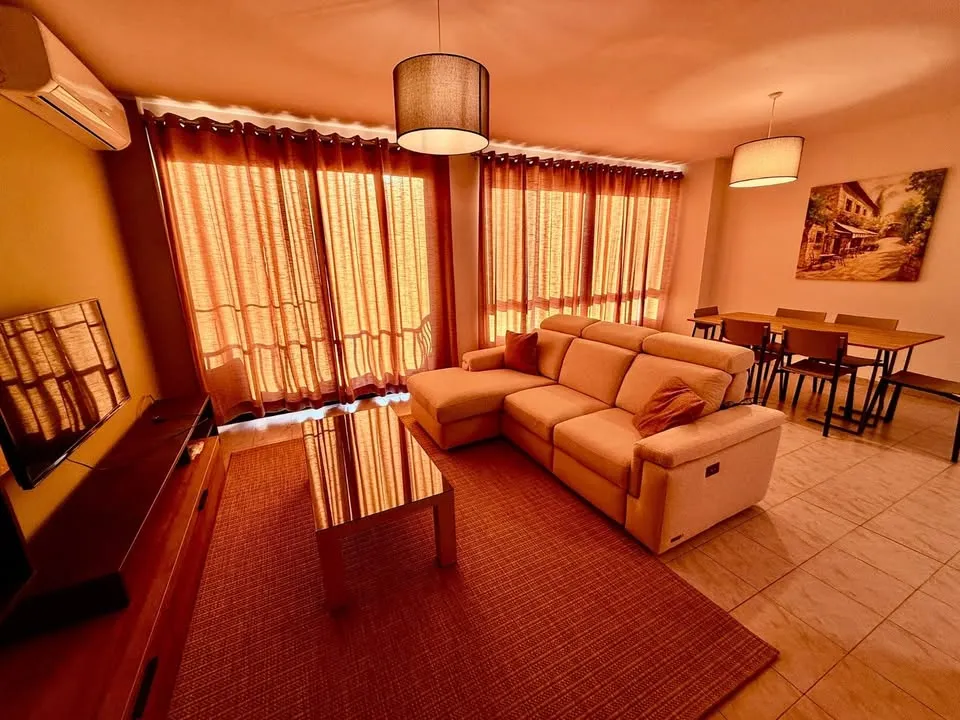
3 bedroom & 2 bathroom Apartment in St Pauls Bay
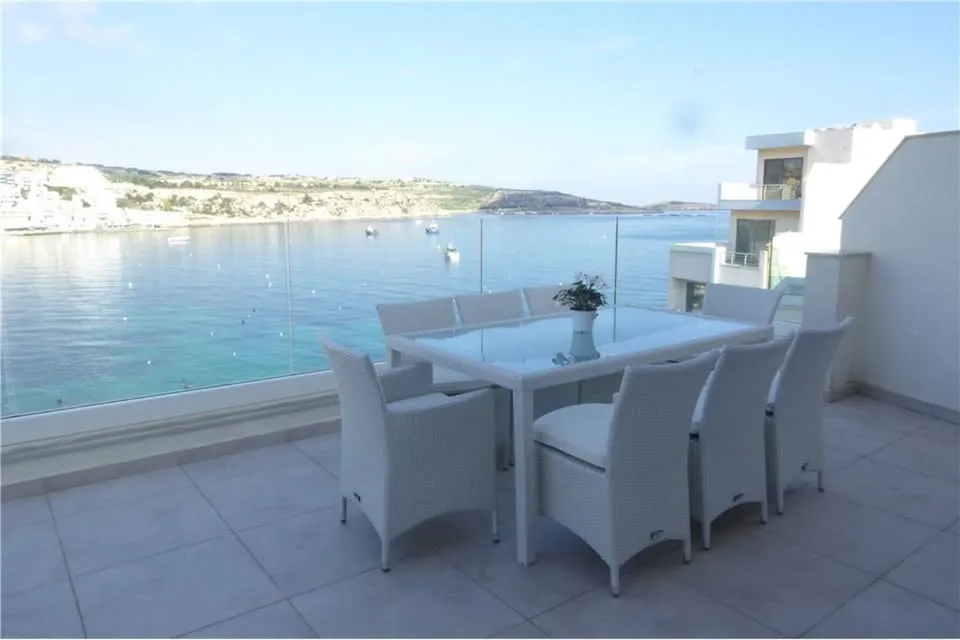
St. Paul's Bay 3 Bedroom Corner Apartment with Sea Views
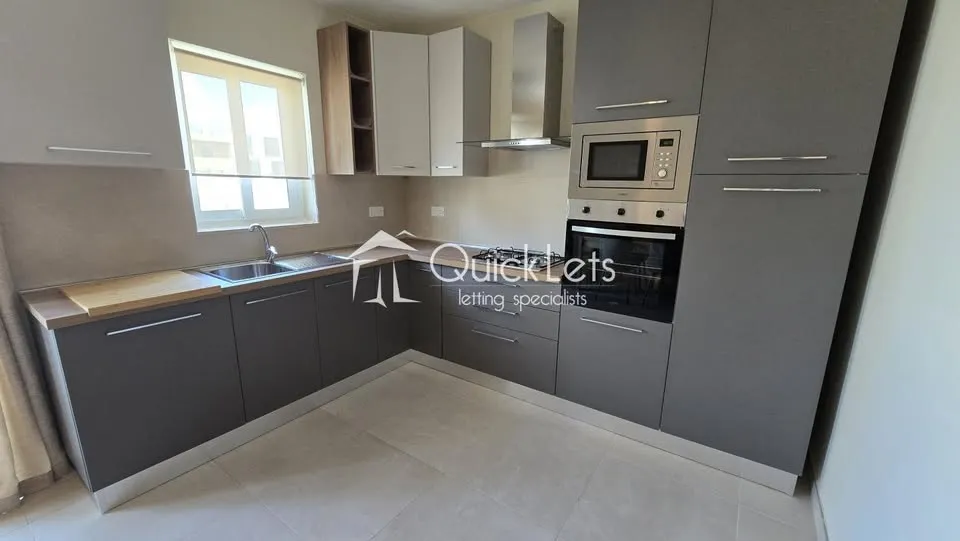
St. Paul’s Bay – Brand New 2-Bedroom Apartment